How to Remove Paint From Brass Hinges Without Removing Them
You can strip paint off brass hinges without unscrewing them from the door — the key is using a paint-safe method that won’t drip stripper into the door’s hinge mortise or the hardware’s moving pin. Anything that requires soaking or submerging the hinge, like boiling it in a pot of water, only works on hardware you’ve actually removed, so skip any advice that assumes the hinge is off the door.
Tools and Materials You’ll Need
Best Paint Stripper for Brass Hardware
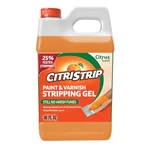 |
Citristrip Stripping Gel, 40 oz – $16.85 A citrus-based gel clings to vertical hinge surfaces and softens paint without the harsh fumes of a standard chemical stripper.
|
Gather a citrus-based paint stripper (gentler on plated or lacquered brass than harsh chemical removers), a soft-bristle toothbrush for detail work in the hinge knuckle, painter’s tape to protect the surrounding door and jamb, a plastic putty knife or old credit card (never metal, which scratches brass), lint-free cloths, and rubber gloves and eye protection. Work in a ventilated room — open a window or run a fan — since stripper fumes build up quickly in an enclosed space.
Step 1: Protect the Surrounding Area
Mask off the door panel and jamb around each hinge with painter’s tape, leaving only the hinge itself exposed. This keeps stripper from lifting paint you actually want to keep, and it makes cleanup much faster. Lay a drop cloth or old towel on the floor directly below to catch drips.
Step 2: Apply the Stripper
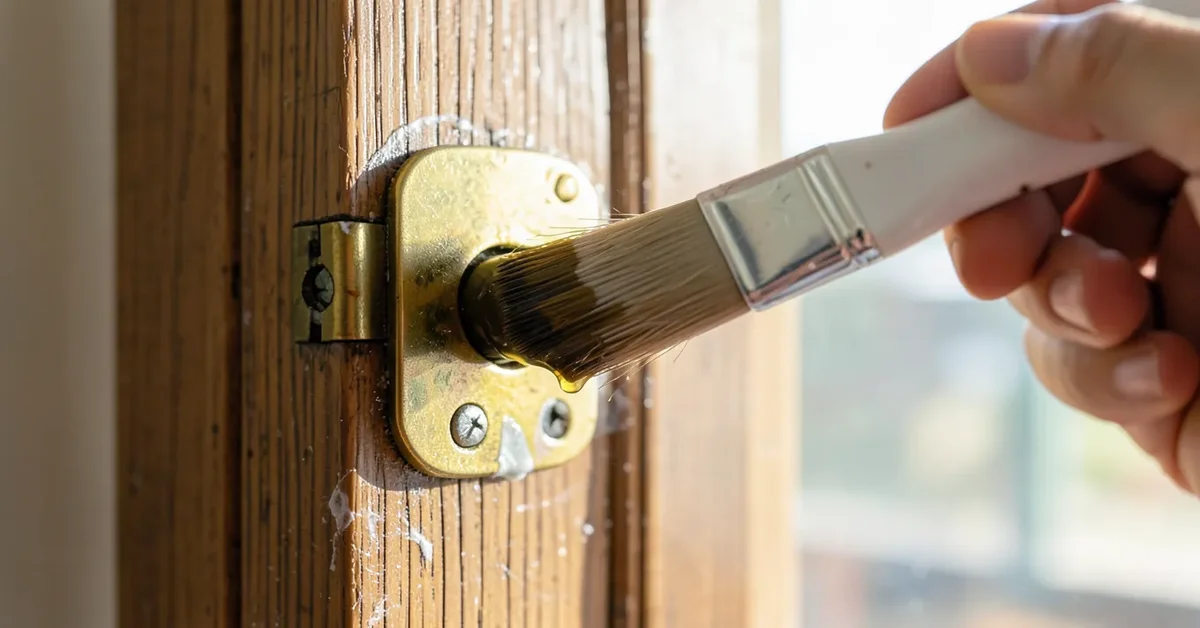
Brush a citrus-based stripping gel onto the painted areas of the hinge, working it into the knuckle and any decorative grooves where paint tends to build up. Gel formulas cling to vertical surfaces better than liquid strippers, which matters since most hinges sit on a vertical door edge. Let it sit for the time listed on the product — typically 20 to 30 minutes — rather than checking every few minutes, since reworking it early just spreads softened paint around instead of lifting it.
Step 3: Lift the Softened Paint
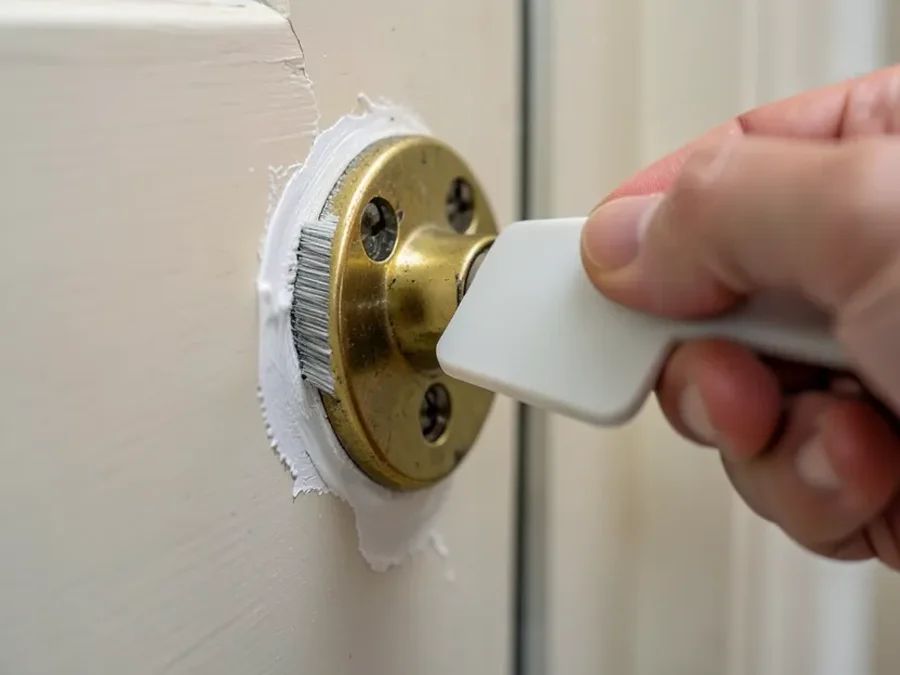
Once the paint has bubbled and softened, scrape it away with a plastic putty knife, working from the outer edge of the hinge inward so you’re not forcing softened paint back into the hinge pin gap. A soft-bristle toothbrush handles the knuckle and any carved detail that a putty knife can’t reach. For paint that’s dried inside the pin barrel itself, working the hinge pin up and down a few times while it’s still exposed to the stripper helps break the paint’s grip without fully removing the pin.
Step 4: Clean and Neutralize
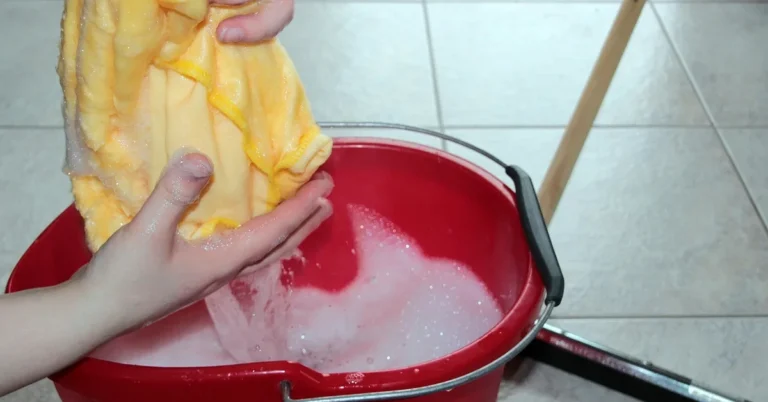
Wipe the hinge down with a cloth dampened in warm water and a drop of dish soap to remove stripper residue — leftover stripper left on the brass can continue softening any remaining finish and will interfere with polish adhering evenly later. Dry thoroughly with a clean cloth immediately afterward; brass left damp can develop water spotting or, on unlacquered brass, a hazy tarnish film.
Step 5: Polish to Restore Shine
Apply a small amount of brass polish to a soft cloth and work it into the metal in small circles, then buff with a clean, dry section of the cloth until the shine returns. If the hinge is lacquered brass (common on newer hardware), skip abrasive polish entirely — it will cut through the clear coat and create uneven dull patches; a mild soap-and-water wipe is the only cleaning that lacquered brass needs.
Alternative Methods for Stubborn Paint
A vinegar-and-baking-soda paste (roughly equal parts, mixed to a spreadable consistency) works on light paint splatter without harsh chemicals — apply it, let it sit five to ten minutes, and scrub gently with a toothbrush. For thicker layers, a heat gun on its lowest setting held a few inches from the hinge softens paint enough to scrape, but keep it moving constantly; holding it in one spot too long can scorch the surrounding door finish or discolor the brass itself. Whichever method you use, always test on the least visible part of the hinge first — the polish and stripping response can vary between plated brass, solid brass, and brass-look coatings on other metals.
Reinstalling and Ongoing Care
Since the hinge never left the door, there’s no realignment to worry about — just remove the painter’s tape, wipe down the surrounding area, and test that the door swings freely. If the hinge feels stiff after cleaning, a drop of household oil on the pin restores smooth movement; wipe away any excess so it doesn’t attract dust. A light coat of paste wax on polished, unlacquered brass slows future tarnishing and makes the next cleanup easier.
Frequently Asked Questions
Can You Remove Paint From Brass Hinges Without Taking Them Off?
Yes. A citrus-based paint stripper applied with a brush, worked into the hinge with a soft toothbrush, and wiped clean removes paint without unscrewing the hinge from the door. Methods requiring submersion, like boiling water, only work on hardware that’s actually been removed.
What Is the Safest Method for Paint Removal?
A vinegar-and-water or vinegar-and-baking-soda solution is the gentlest option for light paint splatter and won’t damage lacquered brass. For heavier paint buildup, a citrus-based stripper is more effective and still safer for brass than harsh chemical paint removers.
How Do You Protect Brass Hinges When Cleaning?
Mask the surrounding door and jamb with painter’s tape before applying any stripper or cleaner, use only plastic tools (never metal) to scrape softened paint, and dry the hinge thoroughly right after cleaning to prevent water spotting.
How Do I Know If My Hinges Are Lacquered Brass?
Lacquered brass has a thin clear protective coating and typically stays shiny without tarnishing on its own; unlacquered (or “living finish”) brass will develop a natural patina over time if left unpolished. If you’re unsure, skip abrasive polish and start with a simple soap-and-water clean, since polish can strip lacquer unevenly.
Bottom Line
Paint on brass hinges comes off without a screwdriver: mask the surrounding area, apply a citrus stripper, lift the softened paint with a plastic tool, clean and dry thoroughly, then polish. Skip any method that assumes the hardware is already removed, and always test polish on lacquered brass in a hidden spot first.
Sponsored / affiliate links. As an Amazon Associate I earn from qualifying purchases. I may earn additional commission from eligible campaigns.