How to Remove Paint from Metal Without Scratching: Expert Tips
Imagine finding a beautiful, vintage metal piece buried under layers of old, chipped paint. It’s like discovering a hidden treasure, but the real challenge is bringing it back to life without causing any damage.
You might be worried about scratching or ruining the metal while trying to remove the paint. But what if there was a way to do it safely and effectively? You’ve come to the right place. This guide is tailored just for you, so you can learn how to remove paint from metal without leaving any scratches behind.
Keep reading, and you’ll find simple, proven techniques that will help you reveal the metal’s natural beauty, leaving it as good as new. Your curiosity and creativity are about to unlock a world of possibilities. Let’s dive in and transform that metal piece into a stunning masterpiece!
Credit: www.bobvila.com
Preparation And Safety Measures
Collecting the right toolsis important. You will need a paint scraper, a wire brush, and sandpaper. Choose fine-grit sandpaperfor gentle work. Don’t forget a chemical paint remover if needed. A clean cloth and bucket of water are useful too.
Wear glovesto protect your hands. Use gogglesfor eye safety. A mask is needed for dust and fumes. Set up your workspace in a well-ventilated area. Put a tarp or old newspapers on the floor. This will catch any paint chips or spills. Keep a first aid kitnearby for safety.
Chemical Strippers
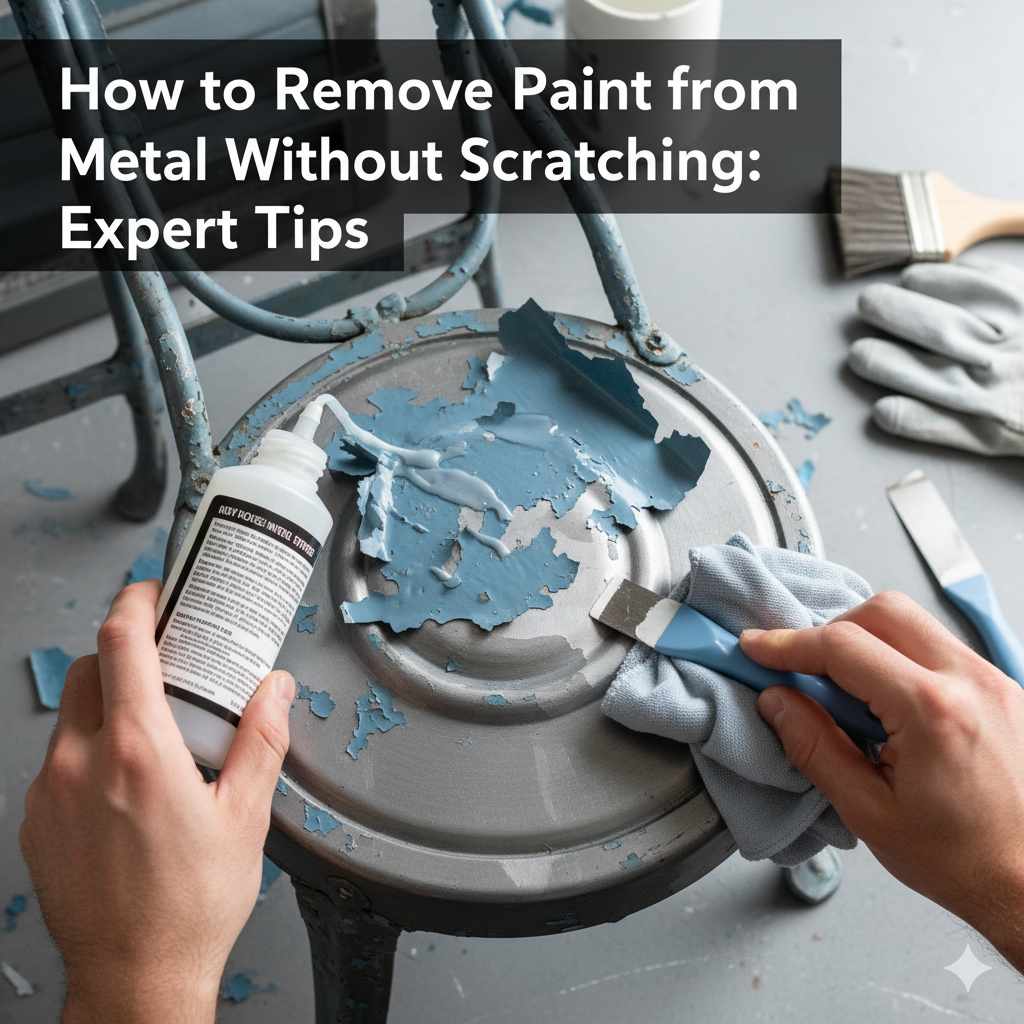
Choosing the Right Stripperis important. Some strippers are strong and remove paint fast. Others are gentle and work slowly. Always read the label. It tells you how to use the stripper. Check if it’s safe for the metal. Some chemicals can damage metal. Find a stripper that won’t scratch.
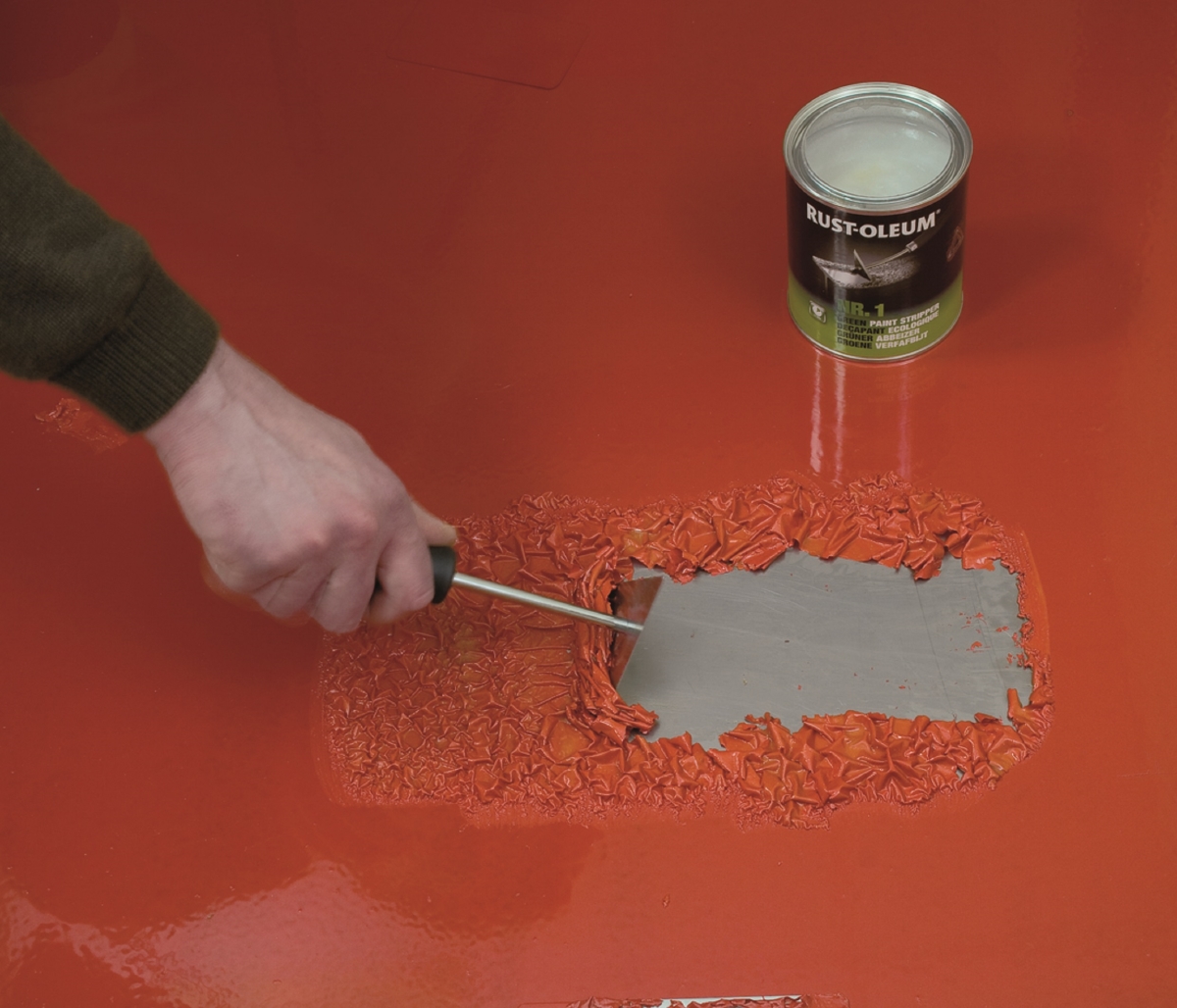
Application Techniquescan make a big difference. First, wear gloves to protect your hands. Use a brush to spread the stripper. Cover all the painted areas. Wait for the paint to bubble up. Use a scraper to remove the paint. Be gentle. Scraping too hard can scratch the metal. After removing the paint, clean the metal with water. This removes any leftover chemicals.
Heat Gun Method
Using a heat gun can effectively remove paint from metal surfaces without scratching them. The heat softens the paint, making it easy to peel away gently. This method ensures the metal remains smooth and undamaged.
Benefits Of Using Heat
Using a heat gunhelps in softening paint. It makes paint easy to remove. Heat is a non-abrasivemethod. It keeps metal safe from scratches. Applying heat saves timeand effort. This method is efficient. It works well on thick layersof paint. Many find it usefulfor large surfaces. Heat guns are easy to handle. They offer controlover the process. Heat is a cost-effectivesolution. It reduces the need for chemical strippers. This method is environmentally friendly.
Step-by-step Guide
First, wear safety gogglesand gloves. Keep the heat gun away from flammable items. Plug it in and switch it on. Hold the gun 6 inchesfrom the metal. Move it in a circular motion. Watch the paint bubbleand soften. Use a putty knifeto scrape paint off. Work in small sections. Repeat the process until all paint is removed. Turn off the heat gun after use. Let the metal cool down. Clean the surface with a damp cloth.
:max_bytes(150000):strip_icc()/remove-paint-from-metal-4178842-05-9343d01393714a2f98a1e84206d2fde6.jpg)
Credit: www.thespruce.com
Mechanical Methods
Gently scrub metal surfaces with a wire brush or sandpaper to remove paint without causing scratches. This method effectively lifts paint, preserving the metal underneath. Ensure the right pressure and tool choice for best results.
Using A Wire Brush
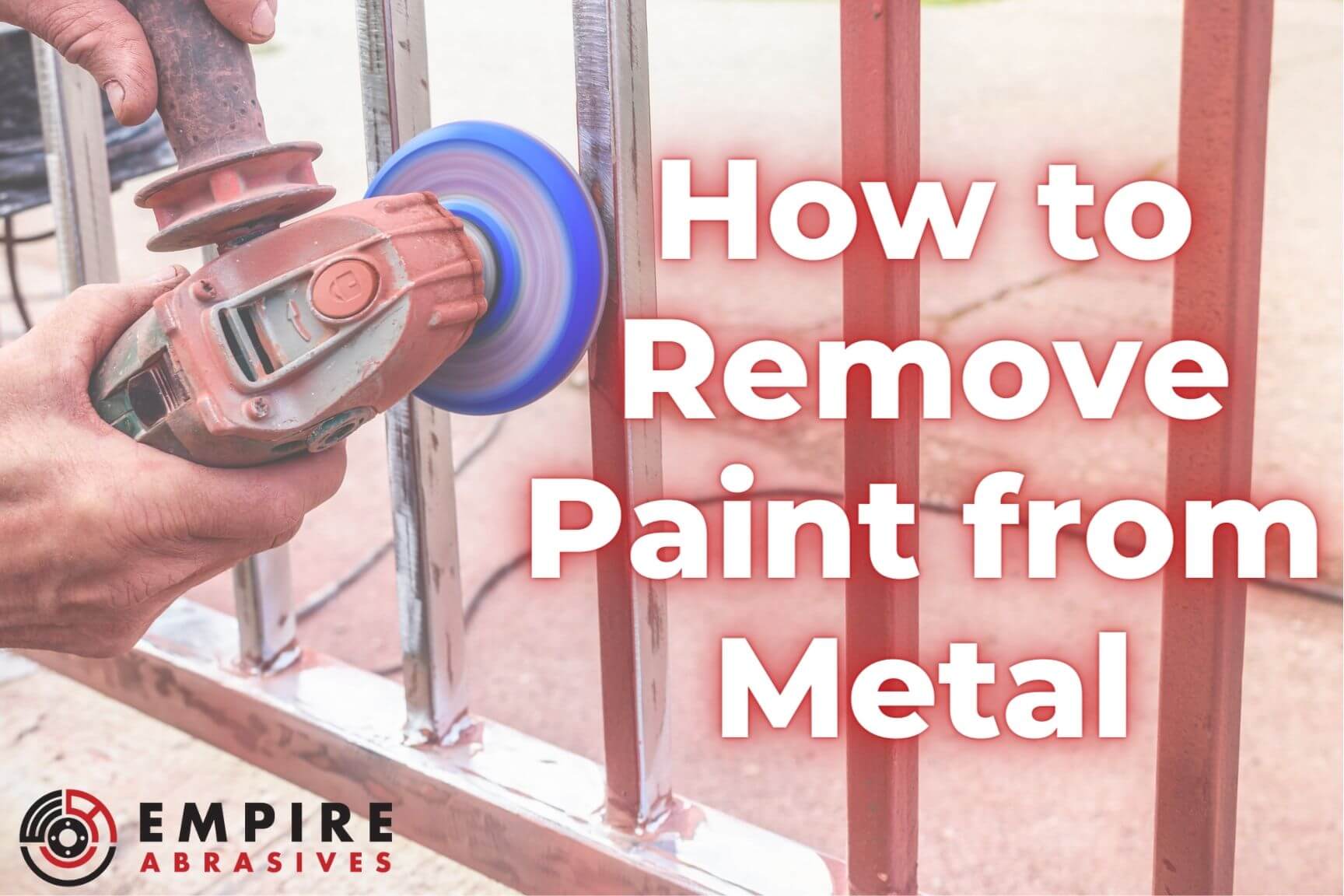
A wire brushcan help remove paint from metal. Hold the brush firmly. Move it over the painted surface. Go back and forth. Keep your strokes even. This helps in avoiding scratches. Use a soft wire brush for delicate metals. Apply gentle pressure. Don’t rush. Be patient for the best results. Check progress often. Stop if you see scratches. Adjust pressure if needed. Clean the area after brushing. Remove all loose paint.
Sanding Techniques
Sanding can also remove paint. Use sandpaperwith a fine grit. Start with gentle strokes. Move in one direction. Don’t press too hard. This prevents scratches. Check the metal often. Change sandpaper if it gets worn. Use water to keep dust down. Clean the surface with a damp cloth. Dry it well. Repeat if paint remains. Sanding takes time. Be patient and careful.
Natural And Eco-friendly Solutions
Vinegar helps break down paint on metal surfaces. It’s safe and natural. Pour vinegar onto the painted area. Let it sit for a while. Baking soda can boost this method. Mix soda with water. Spread the paste over the paint. Together, they work wonders. Scrub gently with a soft brush. This avoids scratching the metal. Rinse with water to finish. Simple and effective!
Soy-based products offer a gentle way to remove paint. They are made from soybeans. These products are kind to the environment. Apply the soy-based solution to the paint. Let it soak for some time. The paint will start to loosen. Use a soft cloth to wipe away the paint. No scratches, no harm to the metal. It’s a safe option for all.
Preventing Damage
Removing paint from metal needs care. Gentle methods help avoid scratches. Use a soft cloth or sponge. Avoid hard tools like steel wool. These can scratch metal easily. Select non-abrasive cleaners. They are safer for metal surfaces.
Keeping metal strong is important. Choose safe products for cleaning. Acidic cleaners can harm metal. Use pH balanced solutions. These protect the metal. Test a small area first. See how the metal reacts before cleaning everything. Follow instructions on products. This helps keep metal in good shape.
Post-removal Care
Cleaning Residueis important after removing paint from metal. Use warm, soapy water to wipe the surface. A soft cloth is best for this job. Ensure all traces of paint are gone. Dry the metal completely using a towel. Moisture can cause rust, so be thorough.
For stubborn residue, a mild vinegar solution works well. Mix one part vinegar with one part water. Scrub gently with a brush. Rinse off with clean water. Dry again with a towel.
After cleaning, choose a metal finishing option. Polishing makes the metal shiny. Use a soft cloth and metal polish. Rub in small circles. Buff to a high shine.
Painting is another option. Apply primer first. Then use metal paint for a smooth coat. Wait for it to dry fully. Another option is clear sealant. It protects metal from rust. Apply evenly and let it dry. Your metal will look new.
Credit: www.empireabrasives.com
Frequently Asked Questions
What Is The Easiest Way To Remove Paint From Metal?
Use a paint stripper to easily remove paint from metal. Apply, let it sit, and then scrape off. Sanding or using a wire brush can remove remaining paint. Ensure proper ventilation and wear protective gear when handling chemicals. Always follow safety instructions for best results.
Will White Vinegar Remove Paint From Metal?
White vinegar can help loosen paint from metal. Soak a cloth in vinegar and apply it to the paint. After some time, scrub the area gently to remove the softened paint. This method is eco-friendly and effective for small paint spills or spots.
Does Wd-40 Remove Paint From Metal?
WD-40 can help in removing paint from metal surfaces. Spray it on the paint and let it sit for a few minutes. Use a cloth or brush to scrub gently. Ensure proper ventilation while using it. Always test on a small area first to avoid damage.
How To You Get Gloss Paint Off Metal Without Scratching It?
Use a soft cloth with warm, soapy water to gently wipe the gloss paint. Apply a citrus-based paint remover for stubborn spots. Rinse with clean water and dry thoroughly. Avoid abrasive tools to prevent scratching the metal surface.
Conclusion
Removing paint from metal can be simple with the right methods. Gentle techniques like baking soda or vinegar work well. They help avoid scratching the surface. Patience is key. Take your time. Always test a small area first. This ensures the method is safe.
Use soft tools to protect the metal. Safety should be a priority. Wear gloves and work in a ventilated area. With care and these tips, your metal can look great again. Enjoy the process and the results will follow.