How to Keep Chair Legs From Scratching Hardwood Floors
Felt glides stop chair-leg scratches on hardwood floors — rubber or hard plastic glides usually do not, and can dull the finish even on a clean floor. The real cause is often trapped grit under the pad, not the chair leg material itself. This guide covers why chairs scratch floors, which pad material actually works, and how to install and replace felt glides correctly.
What You’ll Need
Best Chair Leg Protector Pick
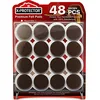
X-PROTECTOR Felt Furniture Pads (48-Pack, Round)
Self-adhesive felt discs sized for standard dining and desk chair legs — the material that glides on hardwood instead of grinding grit into it.
- Best for: Dining chairs, desk chairs, and any leg that slides across hardwood regularly
- Why we picked it: Genuine felt (not felt-look foam), pre-cut in the common 1" round size, enough pads for a full dining set with spares
- Main drawback: Round pads need trimming for square or tapered leg profiles
Compare more chair leg protector options
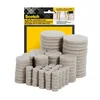 Option 1 Scotch Felt Pads Value Pack (162-Pack, Assorted Sizes)
|
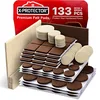 Option 2 X-PROTECTOR Felt Pads Bulk Pack (133-Piece)
|
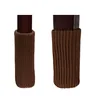 Option 3 TEKEFT Knit Furniture Socks for Chair Legs (20-Pack)
|
As an Amazon Associate we earn from qualifying purchases.
- Self-adhesive felt pads (round or square, sized to the chair leg)
- Isopropyl alcohol or a damp microfiber cloth, for cleaning the leg bottoms before sticking
- Scissors or a utility knife, for trimming pads to an odd-shaped leg
- A soft broom or vacuum, for clearing grit from the floor before installation
Why Chair Legs Scratch Hardwood Floors
Chair legs scratch hardwood more than other furniture because chairs move constantly — pushed in and out from a table, spun, dragged a few inches to make room. That repeated sliding is the mechanism a static bookshelf or dresser never has to deal with. Static furniture that never moves rarely scratches a floor even with bare wood feet; a dining chair that slides eight times a day will, unless something is between the leg and the boards.
Grit is the actual abrasive, not the chair leg. Dust and dirt sitting on the floor act like sandpaper when a leg slides across them — the finish gets worn down by the grit trapped between the leg (or pad) and the board, not by direct wood-on-wood contact. That is why cleaning the floor before installing any protector matters as much as the protector itself, and why a dirty felt pad left on too long can start scratching again.

Felt vs. Rubber vs. Plastic: What Actually Protects the Floor
Felt is the only material that reliably protects hardwood under a moving chair leg. Rubber and hard plastic glides grip well, but grip is the problem: they resist sliding, so the chair leg drags instead of gliding, and that drag is what scratches or dulls a finish — sometimes even on a floor with no dirt buildup at all. Soft felt does the opposite: it glides with almost no friction, so the leg skates over the surface instead of dragging across it.
| Material | How It Behaves on Hardwood | Best For |
|---|---|---|
| Felt | Glides with minimal friction; the recommended default for hardwood | Dining chairs, desk chairs, any leg that slides regularly |
| Rubber | Grips instead of gliding; can scuff or dull the finish under repeated movement | Carpet or tile only — avoid on finished hardwood |
| Hard plastic | No cushioning; transmits grit directly into the finish like sandpaper | Not recommended on hardwood in any setting |
| Knit fabric (chair socks) | Similar glide to felt while worn; wears through faster on daily-use chairs | Occasional-use chairs, renters who want no adhesive |
This is the opposite of what many chair-leg guides — including an earlier version of this one — recommend when they list rubber caps as an equal alternative to felt. Rubber caps are the right call on carpet, where slipping is the concern. On hardwood, the priority flips: you want the leg to slide, not grip.
How to Install Felt Pads on Chair Legs
Installation takes about two minutes per chair. Follow these steps for a pad that actually stays on:
- Clean the floor and the leg bottoms. Sweep or vacuum the area first, then wipe the bottom of each leg with a damp cloth or isopropyl alcohol so the adhesive bonds to bare wood, not dust.
- Let both surfaces dry fully. Adhesive applied to a damp leg loses much of its hold within days.
- Measure the leg bottom. Round, square, and tapered legs all need a slightly different pad shape or trim.
- Trim the pad if needed. Cut felt pads with scissors so the felt covers the entire contact surface — any exposed wood or metal edge can still scratch.
- Peel the backing and press firmly for 10-15 seconds so the adhesive sets against the leg.
- Check all four legs, including the back two. The rear legs of a dining chair scratch just as often as the front pair but get missed most often during installation.
Chair Socks and Other Alternatives to Felt Pads
Chair socks are knit fabric covers that slip over the entire leg bottom without adhesive. They protect similarly to felt while new, come in colors that blend with different chair finishes, and move with you if you rearrange furniture or move apartments — useful for renters who don’t want adhesive residue on wood legs. The tradeoff is durability: fabric wears through faster than felt under a chair that gets pushed in and out daily, so socks suit occasional-use chairs (a guest chair, an accent chair) better than a daily dining set.
Two low-cost DIY options work in a pinch. A halved wine cork pressed onto a chair leg cushions contact and can be swapped easily, though it lacks a true adhesive bond and can shift. An old sock tied around the leg is a temporary fix for a single chair, not a long-term solution for a full set.
How Often to Replace Chair Leg Pads
Replace felt pads roughly every 6-12 months on chairs in daily use — sooner if a pad feels hard, flattened, or gritty to the touch. A pad that has compressed flat has lost its cushioning and glide; one that has trapped grit under it is actively scratching the floor again, just more slowly than bare wood or a hard glide would. Check pads monthly by tilting the chair and running a finger across the bottom: if it feels rough or crusty, replace it immediately rather than waiting for the scheduled interval.

Common Mistakes That Undo Floor Protection
- Using rubber or hard plastic caps on hardwood. They grip instead of glide, which is the opposite of what a moving chair leg needs.
- Skipping the back two legs. Pads get applied to the visible front legs and forgotten on the rear pair.
- Installing over a dirty floor. Grit trapped under a brand-new pad starts scratching again within weeks.
- Leaving a worn pad in place. A flattened or gritty pad protects less than no pad at all once the felt has compacted.
- Using round pads on square or tapered legs without trimming. Any exposed corner still contacts the floor directly.
Frequently Asked Questions
Do rubber chair leg caps scratch hardwood floors?
Yes, often. Rubber grips the floor instead of letting the leg slide, so a chair fitted with rubber caps tends to drag and scuff the finish during normal use — even on a floor with no dirt buildup. Felt is the better material for hardwood because it glides instead of gripping.
What are the best materials for chair leg protectors?
Felt is the best material for hardwood floors because it glides with minimal friction. Knit fabric chair socks are a close second for occasional-use chairs. Rubber and hard plastic should be avoided on finished hardwood, since both resist sliding and can dull or scuff the floor over time.
Can I use tape to prevent chair leg scratches?
Adhesive felt tape works the same way as pre-cut felt pads — stick it to the bottom of each leg and trim to fit. Avoid plain rubber or duct tape, since the adhesive residue and rubber backing can both mark the finish, and neither glides the way felt does.
How often should I replace chair leg pads?
Replace felt pads every 6-12 months on chairs used daily, and sooner if a pad feels hard, flat, or gritty. A monthly check — tilt the chair and run a finger across each pad — catches worn pads before they start scratching again.
Do I need protectors on all four chair legs?
Yes. The rear two legs of a dining or desk chair slide and scratch just as much as the front pair, but they’re the ones most often skipped during installation because they’re out of sight.
For general non-slip furniture pads across your whole house — not just chairs — see our guide to non-slip furniture pads for wood floors, which covers weight ratings for heavier pieces like dressers and bookcases. If a chair has already left a mark, our guide to fixing scratches on hardwood floors covers repair. For dining tables specifically, see how to protect a wood table from scratches. For the full picture on caring for solid and engineered floors, browse our wood flooring guide.
Felt beats rubber and plastic on hardwood because it solves the actual problem — friction from a sliding leg, not grip. Clean the floor, install felt pads on all four legs, and replace them every 6-12 months, and chair-leg scratches stop being a recurring repair.
Sponsored / affiliate links. As an Amazon Associate I earn from qualifying purchases. I may earn additional commission from eligible campaigns.