How to Repair MDF Table Top: Expert Tips & Tricks
Are you staring at scratches, water stains, or chips on your MDF table top, wishing for a magic solution? The good news is, you don’t need to be a DIY expert to breathe new life into your beloved furniture.
Repairing an MDF table top can be surprisingly simple, and with just a few basic tools and materials, you can make it look as good as new. Imagine the satisfaction of transforming your table with your own hands, saving money, and extending its life.
In this guide, you’ll discover easy and effective steps to repair that worn-out surface and restore its original beauty. Ready to turn frustration into creativity? Let’s dive into the process and give your MDF table top the makeover it deserves.
Tools And Materials Needed
Fixing an MDF table top is simple. Gather these essential tools and materials. You will need sandpaper to smooth the surface. A putty knife helps spread filler. Use wood filler to fix scratches or holes. Paint or varnish will finish the job nicely.
Have a clean cloth handy to wipe dust away. A mask and gloves keep you safe. Brushes or rollers help apply paint evenly. Finally, use a screwdriver if you need to tighten loose parts.
Credit: www.reddit.com
Assessing Damage
Surface scratches on an MDF table top can be fixed easily. Use a soft cloth to clean the table first. Make sure the surface is free of dirt and dust. Choose a matching color wood filler. Apply it gently into the scratch using a putty knife. Smooth out excess filler and let it dry. Sand the area lightly with fine sandpaper. This makes the surface even. Finally, apply a coat of polish to match the rest of the table.
Deep cracks need more care. Start by cleaning the crack with a damp cloth. Ensure no debris is left inside. Use a strong wood glue to fill the crack. Press the sides together tightly. Allow the glue to dry completely. Sand the area smoothly with fine sandpaper. Apply a matching stain if needed. Finish with a protective polish for durability.
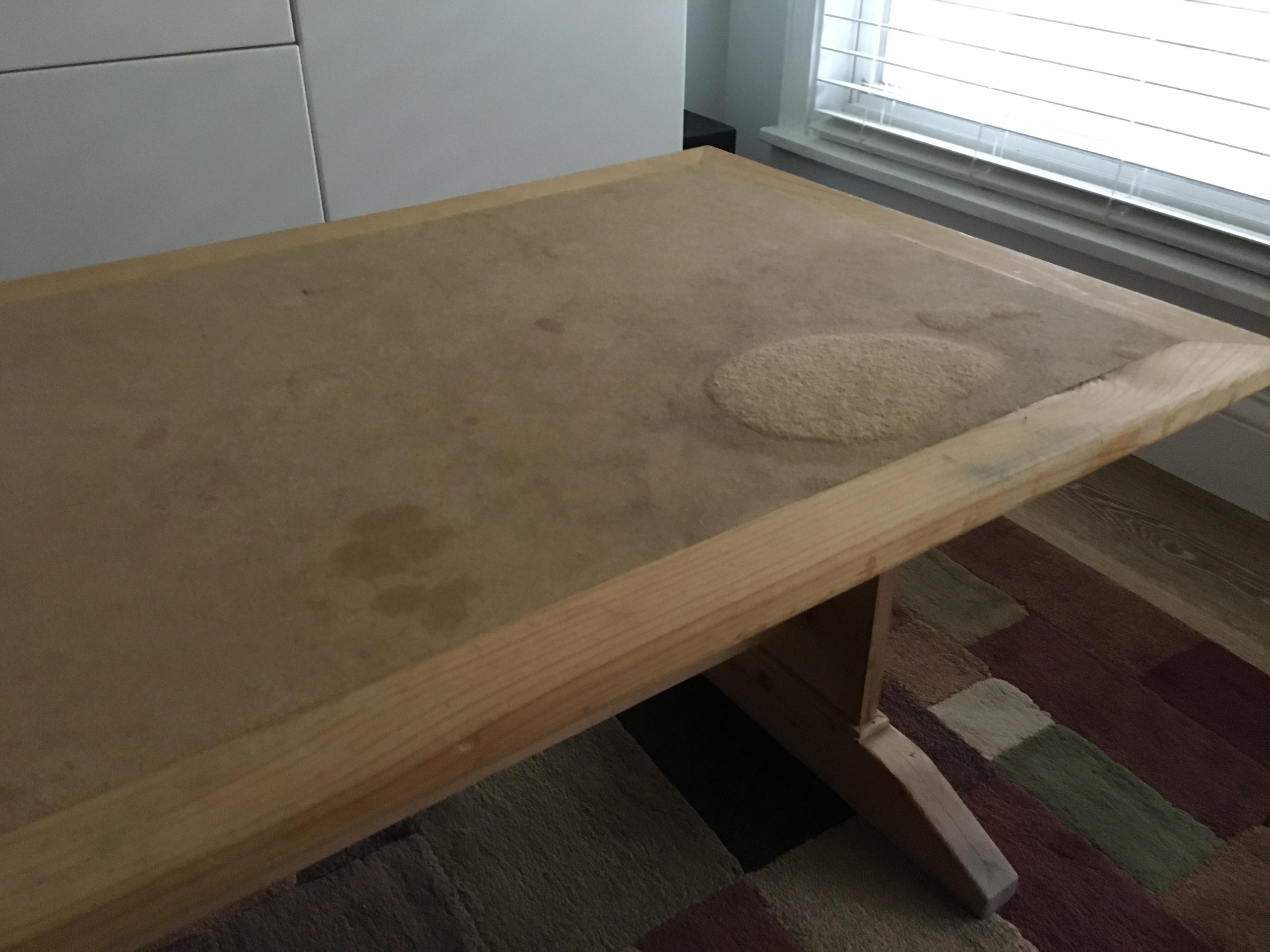
Water can cause swelling or stains. Dry the table thoroughly with a fan or heater. Use sandpaper to remove raised areas. For stains, apply a mild bleach solution. Rub gently until the stain fades. Rinse with clean water and dry again. Seal the surface with waterproof varnish. This prevents future water damage.
Cleaning The Table Top
Remove dust from the table top first. Use a soft cloth or a feather duster. Wipe gently to avoid scratching. Dust can hide in corners. Check all areas. Clean with care. Ensure no dust remains.
Grease can make the surface sticky. Prepare a mild soap solution. Mix soap with warm water. Dip a clean cloth in the solution. Wipe the table top. Remove all grease spots. Dry the surface with a towel. The table should feel clean and smooth.

Credit: www.reddit.com
Fixing Surface Scratches
Wood filler is great for fixing surface scratches on an MDF table. First, clean the table’s surface. Ensure it is free of dust. Use a soft cloth for this. Next, apply the wood filler to the scratch. Use a putty knife for smooth application. Let it dry for a few hours. Check if the filler is set.
Once dry, gently sand the area. The surface should feel smooth. If needed, repeat the process. Use a fine-grit sandpaper for the best results. Finally, wipe away any dust. A clean, damp cloth works well here.
Sanding helps make the table look new. Always sand in the same direction. This prevents more scratches. Use a fine-grit sandpaper for light scratches. For deeper marks, a coarse grit might be better. Sand gently to avoid damage.
After sanding, check the surface. It should feel even. If not, sand a bit more. After finishing, wipe the table. Remove all dust. Now, your table is ready for use!
Repairing Deep Cracks
Start by cleaning the crack. Remove all dust and dirt. Next, take a bottle of wood glue. Squeeze glue into the crack. Make sure it fills the gap completely. Use a stick or brush to spread it evenly. Wipe away extra glue with a damp cloth. Let it dry for a few hours. This step makes the table strong again.
After gluing, use clamps to hold the table tight. This helps the glue set well. Place clamps on both sides of the crack. Tighten them gently. Do not overtighten. It might damage the table. Leave the clamps on for at least 24 hours. This ensures the best results. Once dry, remove clamps carefully. Check the repair. It should be smooth and strong.
Dealing With Water Damage
Water can ruin an MDF table. First, remove all items on top. Next, place the table in a dry area. Use a fan to blow air over it. Keep the fan on for several hours. Check if the table is still wet. If dry, you can stop the fan. Drying is important to prevent mold. Mold can make the table worse. Be patient. This process takes time.
Sometimes water damage is severe. Some parts may need replacing. Cut out the damaged sections carefully. Use a saw for cutting. Buy a new piece of MDF. Measure the hole size first. Cut the new MDF to fit the hole. Secure it in place with glue. Clamp the new piece until the glue dries. Sand the edges smoothly. Now, it’s like new!
Sanding And Smoothing
Repairing an MDF table top involves sanding and smoothing the surface to remove imperfections. Use fine-grit sandpaper for a smooth finish. Ensure the surface is clean and dust-free before applying any paint or varnish.
Choosing Sandpaper Grit
Start with coarse grit sandpaper, like 80-grit. It removes old paint and scratches. Then switch to medium grit. Use 120-grit for a smoother finish. Finally, choose fine grit sandpaper. 220-grit works well for the final touch. Always check the sandpaper for wear. Replace when needed. This keeps the surface even and smooth.
Sanding Procedure
First, clean the table top. Remove dust and dirt. Then, use the coarse grit sandpaper. Sand in a circle or side-to-side. Do not press too hard. Be gentle to avoid damage. Keep sanding until the surface feels smooth. Next, switch to medium grit. Repeat the same sanding steps. Finally, use the fine grit sandpaper. This makes the table top feel very smooth. Finish by wiping off dust with a damp cloth.
Finishing Touches
Applying primer is an important step. It prepares the surface for paint. Clean the table top well. Make sure it is dry. Use a brush or roller. Apply a thin layer of primer. Let it dry completely. This helps the paint stick better.
Selecting the right paint or varnish is crucial for a good finish. Choose paint that suits your style. Glossy paints look shiny. Matte paints give a soft look. Varnish protects the table top. It adds shine and strength. Pick colors that match your room. Always check the label for drying time. Follow instructions for the best result.
Maintenance Tips
Clean your MDF table top often. Use a soft cloth. Dust can scratch the surface. Avoid using too much water. It can damage the MDF. A damp cloth works best. Mild soap is safe for cleaning. Wipe it dry after cleaning. Keep your table looking new and shiny.
Place coasters under drinks. Hot pots can harm the surface. Use placemats for dishes. Sharp objects can scratch. Protect with tablecloths. Avoid placing near windows. Sunlight can fade the color. Keep your table safe and beautiful.

Credit: www.reddit.com
Frequently Asked Questions
How To Repair An MDF Table?
Clean the damaged area on the MDF table. Apply wood filler to dents or scratches. Sand the surface smoothly once dry. Use matching paint or varnish to restore the finish. Ensure proper drying between each step for best results.
Can MDF Board Be Repaired?
Yes, MDF board can be repaired. Use wood filler for small damages and sand it smooth. For larger repairs, replace affected sections. Ensure proper sealing and painting to protect the surface. Always handle repairs carefully to avoid further damage. Regular maintenance extends the lifespan of MDF boards.
How Do You Fix A Water Damaged MDF Table Top?
Dry the table thoroughly and sand the damaged area. Apply wood filler and let it dry completely. Sand again for smoothness. Prime and paint the surface to match the original color. Seal with a clear coat to protect from future damage.
How To Reinforce An MDFTable Top?
To reinforce an MDF table top, add a plywood layer underneath for strength. Use wood glue and screws for secure attachment. Consider adding metal brackets for extra support. Sand and finish the surface to maintain aesthetics. Regular maintenance ensures long-lasting durability.
Conclusion
Fixing an MDF table top is easier than you think. With basic tools and some patience, you can restore its look. First, clean the surface thoroughly. Then, fill any cracks or holes with wood filler. Sand the surface smoothly. Apply a fresh coat of paint or varnish.
Let it dry completely. These steps bring new life to your table. Plus, you save money on replacements. Remember, practice makes perfect. Keep your table clean and maintained. It will serve you well for years. Happy repairing!