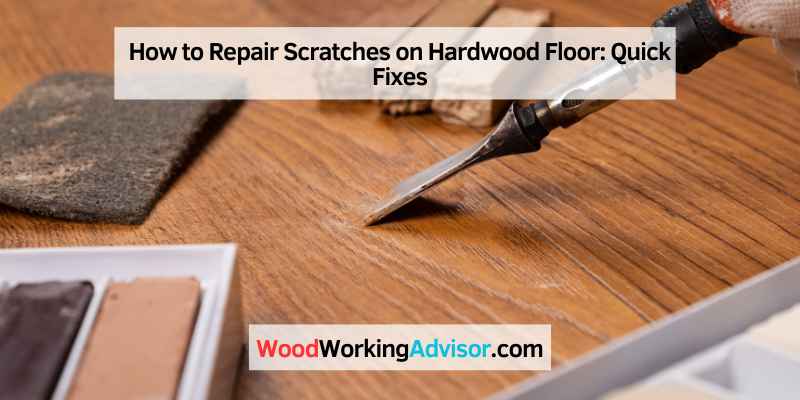
How to Repair Scratches on Hardwood Floor: Quick Fixes
To repair scratches on hardwood floors, start by cleaning the area and applying a wood filler or a mix of apple cider vinegar and olive oil for small scratches. Then, sand the area, apply a matching wood stain, and finish with a polyurethane sealant for a seamless repair.
These steps will effectively fix the scratches and restore the appearance of your hardwood floor. Hardwood floors bring elegance and warmth to any space, but scratches can diminish their beauty. Whether the scratches are minor or deep, knowing how to repair them is essential to maintain the floor’s appeal.
By following the right techniques and using the appropriate materials, you can easily restore the pristine look of your hardwood floor. In this guide, we’ll explore effective methods to repair scratches on hardwood floors, ensuring that your flooring remains in top condition for years to come.
Identify The Scratch Type
Before you start repairing the scratches on your hardwood floor, it’s important to identify the type of scratch you’re dealing with. This will help you determine the most effective repair method and ensure the best results.
Light Surface Scratches
Light surface scratches are superficial and do not penetrate the wood’s protective finish. They are typically minor and affect only the top layer of the floor.
Deep Scratches And Gouges
Deep scratches and gouges are more severe and can penetrate through the protective finish and into the wood itself. These types of scratches are more challenging to repair and may require additional steps to restore the floor’s appearance.
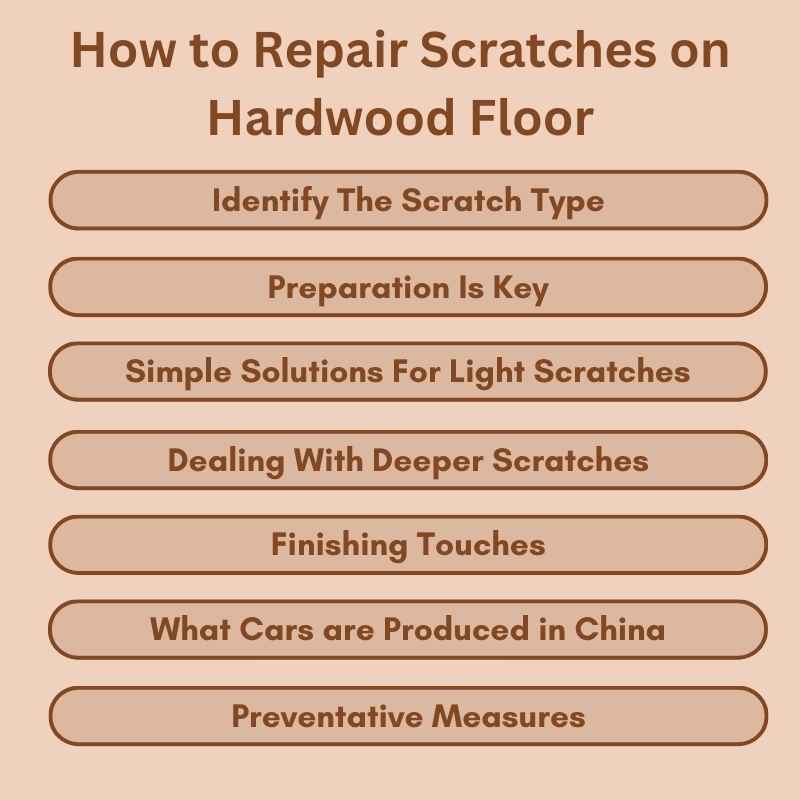
Preparation Is Key
To successfully repair scratches on a hardwood floor, start by cleaning the affected area with a damp rag. Apply a polyurethane sealer and finish with a waterborne finish for a seamless look. Remember, proper preparation is key to achieving a professional and long-lasting repair.
Cleaning The Area
Before attempting to repair scratches on your hardwood floor, it is important to thoroughly clean the area. Use a damp rag to wipe away any dirt or debris that could further damage the floor. Make sure the area is completely dry before moving on to the next step.
Gathering Materials
To repair scratches on your hardwood floor, you will need a few materials. Some of the materials you may need include wood filler, sandpaper, stain, polyurethane, and a soft cloth. Make sure you have all the necessary materials before starting the repair process.
When it comes to repairing scratches on your hardwood floor, preparation is key. Before starting the repair process, make sure the area is clean and dry. Gather all the necessary materials and make sure you have a clear understanding of the repair process. By taking the time to prepare, you can ensure a successful repair and a beautiful, scratch-free floor.
To repair scratches on your hardwood floor, start by cleaning the area with a damp rag. Next, gather all the necessary materials, including wood filler, sandpaper, stain, and polyurethane. Remember, preparation is key to a successful repair.
Simple Solutions For Light Scratches
Hardwood floors are a beautiful addition to any home, but they are not immune to scratches. Luckily, there are simple solutions to repair light scratches and restore the beauty of your hardwood floor. In this article, we will explore two effective methods: using an oil and vinegar mixture, and utilizing hardwood floor cleaners.
Oil And Vinegar Mixture
If you have light scratches on your hardwood floor, one easy and cost-effective solution is to use an oil and vinegar mixture. To create this mixture, simply mix equal parts of apple cider vinegar and olive oil in a small cup. Once the mixture is ready, carefully dab it into the scratches using a clean cloth. Allow the solution to sit on the scratches for a day, allowing it to penetrate and nourish the wood.
After the solution has had time to work its magic, take a clean, soft cloth and gently rub the scratches. The combination of vinegar and oil helps to minimize the appearance of scratches and restore the shine of your hardwood floor. Remember to always test this mixture on a small, inconspicuous area of your floor before applying it to the scratches.
Using Hardwood Floor Cleaners
Another effective method for repairing light scratches on hardwood floors is by using specialized hardwood floor cleaners. These cleaners are designed to remove dirt, grime, and light scratches while leaving a protective layer on the floor’s surface.
To use a hardwood floor cleaner, start by thoroughly cleaning the scratched area with a damp cloth to remove any dirt or debris. Then, following the manufacturer’s instructions, apply a small amount of the cleaner to the scratches. Using a clean cloth or mop, gently rub the cleaner into the scratches, working in a circular motion.
Once you have covered the scratches with the cleaner, allow it to dry completely. This will help the cleaner penetrate the wood and effectively repair the scratches. After the floor is dry, you can buff it with a soft cloth to restore its shine.
Remember, always follow the instructions provided by the manufacturer of the hardwood floor cleaner and test it on a small, inconspicuous area before applying it to the scratches.
By using either the oil and vinegar mixture or hardwood floor cleaners, you can easily repair light scratches on your hardwood floor and maintain its beauty for years to come.
Dealing With Deeper Scratches
If you have deeper scratches on your hardwood floor, don’t worry. There are effective techniques you can use to repair them and restore the beauty of your flooring. In this section, we will discuss the wood filler technique and staining to match.
Wood Filler Technique
The wood filler technique is an excellent solution for repairing deeper gouges and scratches on hardwood floors. Before you begin, ensure that you thoroughly clean the area by vacuuming or wiping it with a cloth to remove any debris that could worsen the scratches.
Once the area is clean, follow these steps:
- Select a wood filler that matches the color of your hardwood floor. This will help create a seamless and natural look.
- Using a putty knife or a small spatula, apply the wood filler to the scratches, filling them in completely. Ensure that the filler is slightly raised above the surface of the floor.
- Allow the wood filler to dry according to the manufacturer’s instructions. This typically takes a few hours.
- Once the filler is dry, use a fine-grit sandpaper to carefully sand down the excess filler until it is level with the floor.
By following these steps, you can effectively repair deeper scratches on your hardwood floor using the wood filler technique.
Staining To Match
After using the wood filler technique, you may notice that the repaired area looks slightly different from the rest of the floor. To ensure a seamless finish, you can use staining to match the color of the repaired area with the rest of the floor.
Here’s how you can stain the repaired area:
- Choose a stain that matches the color of your hardwood floor. Test the stain on a small, inconspicuous area first to ensure it matches perfectly.
- Apply the stain to the repaired area using a clean cloth or brush. Make sure to follow the manufacturer’s instructions for application and drying time.
- Allow the stain to dry completely. If necessary, apply additional coats to achieve the desired color and blend it seamlessly with the surrounding floor.
- Once the stain has dried, apply a protective finish, such as polyurethane, to the entire floor to ensure durability and a consistent appearance.
By following these steps, you can effectively match the color of the repaired area with the rest of your hardwood floor using staining techniques.
Dealing with deeper scratches on your hardwood floor doesn’t have to be a daunting task. By utilizing the wood filler technique and staining to match, you can restore your floor’s beauty and maintain its seamless appearance.
Finishing Touches
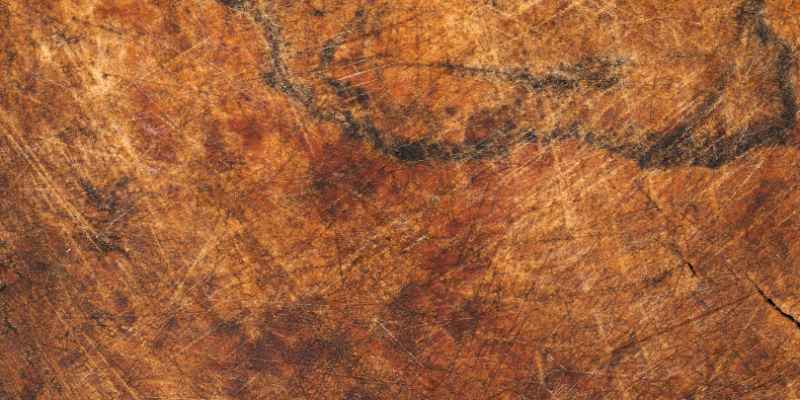
Learn how to repair scratches on hardwood floors with these easy methods. For small scratches, mix equal parts apple cider vinegar and olive oil and dab the solution into the scratches before rubbing it out with a clean cloth. For deeper scratches, use wood filler and sanding techniques to create a seamless look.
After repairing the scratches on your hardwood floor, it’s time to add the finishing touches to make the floor look as good as new. This involves applying polyurethane and buffing for shine. Here’s how to do it:
Applying Polyurethane
Before applying polyurethane, make sure the floor is clean and dry. Use a paintbrush to apply the polyurethane in thin and even strokes, starting from the farthest corner of the room and working your way towards the door. Allow the polyurethane to dry completely, which usually takes around 24 hours. Once dry, lightly sand the surface with a fine-grit sandpaper to remove any imperfections.
Buffing for Shine
Buffing is the final step in finishing your hardwood floor. It adds a layer of protection and shine to the surface. To buff the floor, attach a buffing pad to a floor buffer and run the buffer over the entire surface of the floor in a circular motion. Make sure to overlap each pass slightly to avoid missing any spots. Once you’re done, use a clean cloth to remove any debris or dust.
In conclusion, finishing touches are an essential part of repairing scratches on hardwood floors. Applying polyurethane and buffing for shine will not only protect the floor but also make it look brand new. So, follow these steps and enjoy your beautiful, scratch-free hardwood floor!
DIY Fixes Without Sanding
If you’re looking to repair scratches on your hardwood floor without sanding, there are some effective DIY fixes you can try.
Using Nuts And Oils
One method involves using a mixture of equal parts apple cider vinegar and olive oil. Dab this solution into the scratches and let it sit for a day before gently rubbing it out with a soft cloth.
Wax Crayons And Markers
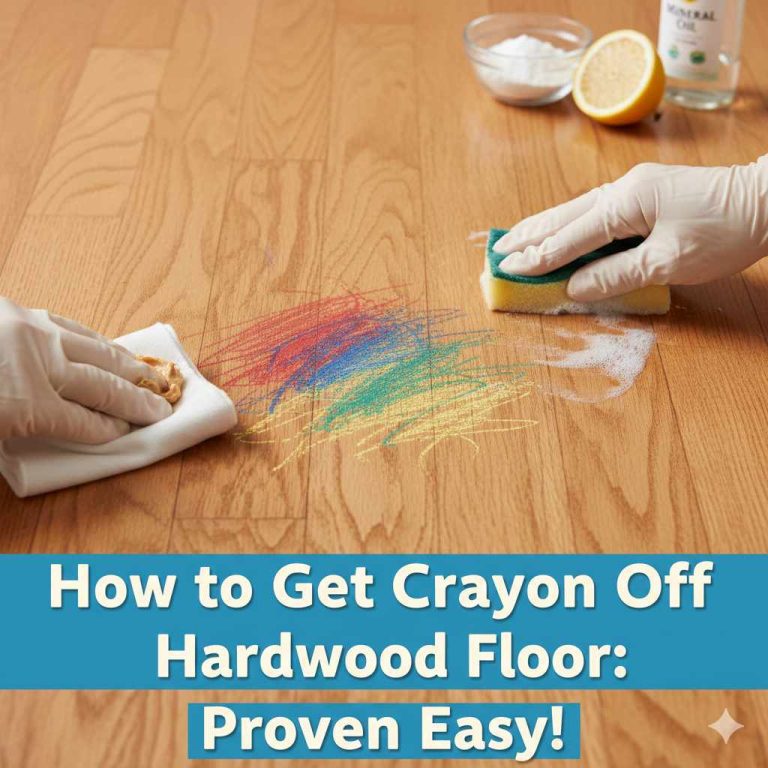
Another option is to use wax crayons or markers that match the color of your hardwood floor. Simply color in the scratches and then buff the area to blend the repair seamlessly.
Preventative Measures
When it comes to maintaining your hardwood floors, taking preventative measures is key to avoiding scratches and damage. By implementing the following strategies, you can protect your floors and prolong their lifespan.
Furniture Pads
- Attach felt or rubber pads to the bottom of furniture legs.
- Ensure furniture pads are regularly checked and replaced if worn out.
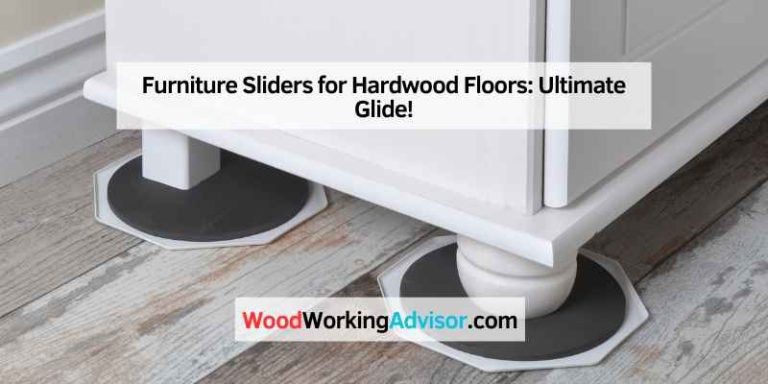
- Use furniture sliders when moving heavy items to prevent scratches.
Regular Maintenance
- Sweep or vacuum floors regularly to remove dirt and debris.
- Use a damp mop with a hardwood floor cleaner for routine cleaning.
- Avoid using harsh chemicals or abrasive tools on the floors.
By incorporating these preventative measures into your maintenance routine, you can safeguard your hardwood floors from scratches and keep them looking pristine for years to come.
Professional Assistance
Looking for professional assistance on how to repair scratches on hardwood floors? Avoid sanding and try a simple solution of apple cider vinegar and olive oil. Mix equal parts in a small cup, dab it into the scratches, and leave it for a day before rubbing it out with a soft cloth.
When To Call The Pros
If the scratches on your hardwood floor are deep or extensive, seek professional assistance. Professionals have the expertise and tools to repair the damage effectively.
Cost Vs. DIY
Consider the cost of professional services versus DIY options. Professional assistance may ensure a flawless repair, but DIY methods can be cost-effective if the scratches are minor.
Frequently Asked Questions
How Do You Get Scratches Out Of Hardwood Floors Without Sanding?
To remove scratches from hardwood floors without sanding, you can mix equal parts apple cider vinegar and olive oil. Dab the solution onto the scratches and leave it for a day. Then, gently rub it out with a clean cloth.
For deeper gouges, use wood putty to fill them in and match the color to your floors. Buffing can also help remove surface scratches.
Can You Fix Scratches In Hardwood Floors?
Yes, scratches in hardwood floors can be fixed. For small scratches on floors with a new finish, mix equal parts apple cider vinegar and olive oil, dab into the scratches, leave for a day, then rub out with a soft cloth.
For deeper gouges and scratches, use wood filler, sanding, and refinishing techniques. Match the putty color with your floors to create a seamless look. Screening or buffing with a fine grit of sandpaper can remove surface scratches.
How To Fix Gouges Dents And Deep Scratches In Hardwood Floors?
To fix gouges, dents, and deep scratches in hardwood floors, use wood putty to fill in the damaged areas. Match the putty color with your floors for a seamless look. Alternatively, you can mix equal parts apple cider vinegar and olive oil and dab the solution into small scratches.
Does Buffing Hardwood Floors Remove Scratches?
Buffing hardwood floors can help remove surface scratches and dirt by using a fine grit sandpaper. It’s an effective way to revitalize the floor’s appearance. Additionally, applying a coat of polyurethane after buffing adds protection and restores the floor’s shine.
Conclusion
Repairing scratches on hardwood floors can be a straightforward process with the right techniques. By using methods such as applying vinegar and olive oil, using wood filler for deeper scratches, or buffing the floors, you can restore the beauty of your hardwood floors.
Remember to match the color of the repair materials to create a seamless look. With a little effort and care, you can easily remove scratches and maintain the elegance of your hardwood floors for years to come.