Is Mop & Glo Safe for Hardwood Floors? No — Use This Instead
Mop and Glo is not recommended for hardwood floors. It can leave a sticky residue and may damage the finish.
Maintaining the beauty of hardwood floors requires the right cleaning products. Many homeowners seek effective solutions to keep their floors looking pristine. Mop and Glo is a popular brand, but its suitability for hardwood is debatable. While it promises shine, the formulation may not be ideal for wood surfaces.
Using the wrong cleaner can lead to buildup and damage over time. Understanding the best cleaning practices for hardwood is essential to protect your investment. Exploring alternative products specifically designed for wood can help maintain the floor’s integrity and shine without the risks associated with Mop and Glo.
Introduction To Mop And Glo
Best Hardwood-Safe Alternative
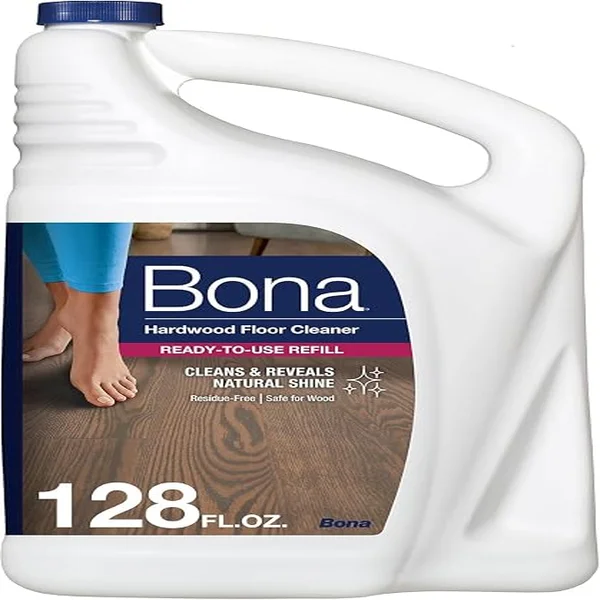 |
Bona Hardwood Floor Cleaner – $19.97 A pH-neutral, residue-free formula made specifically for finished hardwood, the opposite of an acrylic polish.
|
Mop and Glo is a popular cleaning product for various surfaces. It helps maintain the shine of floors. Many people use it on hardwood floors, but caution is needed.
Mop and Glo is a liquid cleaner that leaves a glossy finish. It is easy to use and dries quickly. This product is known for its effectiveness on vinyl and tile floors.
| Common Uses | Description |
|---|---|
| Cleaning | Removes dirt and grime effectively. |
| Shining | Provides a glossy finish to floors. |
| Protecting | Helps guard against scratches and wear. |
Hardwood Floors Basics
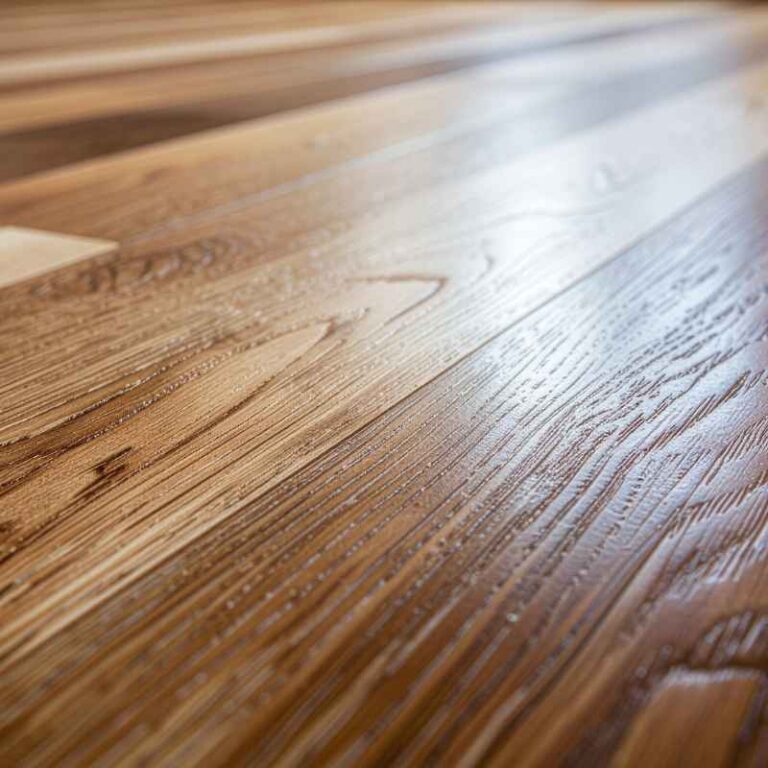
Hardwood floors are beautiful and add warmth to any space. They come in various species, colors, and finishes. Common types include oak, maple, and cherry.
These floors are durable but require proper care. Moisture can damage them, so keep them dry. Avoid using harsh chemicals or excessive water during cleaning.
Regular maintenance is key. Sweep or vacuum frequently to remove dirt and dust. Use a soft mop with a gentle cleaner for deeper cleaning.
Consider refinishing every few years to restore their shine. This process can help eliminate scratches and scuffs.
Why It Looks Like a Good Idea at First
The appeal is real, at least the first few times: Mop and Glo goes on easily with a mop or cloth, dries fast, and leaves an immediate glossy look right after you use it. That instant result is exactly why it’s tempting for a quick pre-guest clean. The problem shows up with repeat use, not the first application.
What Goes Wrong With Repeated Use
Each application adds another thin acrylic layer on top of the last one, since the polish isn’t designed to wear off evenly the way it does on vinyl. After a handful of uses, that buildup starts to look dull and cloudy instead of glossy, and it develops the sticky, tacky feel that’s the most commonly reported complaint. The discoloration some people notice isn’t the wood itself being damaged chemically — it’s the acrylic layer yellowing and clouding, sitting on top of the finish. Either way, the fix isn’t more polish; it’s stripping the buildup off, which typically needs a dedicated floor-finish stripper rather than regular cleaning.
Why It’s a Problem: What Mop and Glo Is Actually Made For
Mop and Glo is an acrylic floor polish, formulated for no-wax vinyl and ceramic tile — surfaces with a hard, non-porous factory finish that a polish coat sits on top of cleanly. Almost all hardwood floors sold today already have their own factory or site-applied finish, usually polyurethane, and that finish is not designed to have a second acrylic layer built on top of it.
Here’s what actually happens: the acrylic in Mop and Glo doesn’t bond evenly with a polyurethane finish the way it does with vinyl. Instead, it builds up unevenly with each use, eventually turning cloudy or hazy rather than glossy. That buildup is also what makes floors feel sticky or slightly slippery underfoot, and it’s genuinely difficult to strip back off — flooring refinishers routinely have to use a stronger stripper just to remove old acrylic polish buildup before they can recoat a floor.
Alternatives To Mop And Glo For Hardwood
Natural cleaning solutions are safe for hardwood floors. Common options include vinegar and water. Mix one part vinegar with ten parts water. This mixture cleans without damaging the wood.
Another great choice is olive oil and vinegar. Combine 1/2 cup olive oil with 1/4 cup vinegar. This solution not only cleans but also adds shine.
For a gentle scrub, use baking soda. Mix baking soda with water to form a paste. Apply this paste to tough stains and wipe clean.
| Cleaner | Ingredients | Benefits |
|---|---|---|
| Vinegar and Water | 1 part vinegar, 10 parts water | Safe and effective cleaning |
| Olive Oil and Vinegar | 1/2 cup olive oil, 1/4 cup vinegar | Cleans and shines |
| Baking Soda Paste | Baking soda and water | Gentle on tough stains |
Always test solutions on a small area first. This ensures no damage occurs. Keeping hardwood floors clean is easy with these options.
How to Clean Hardwood the Right Way Instead
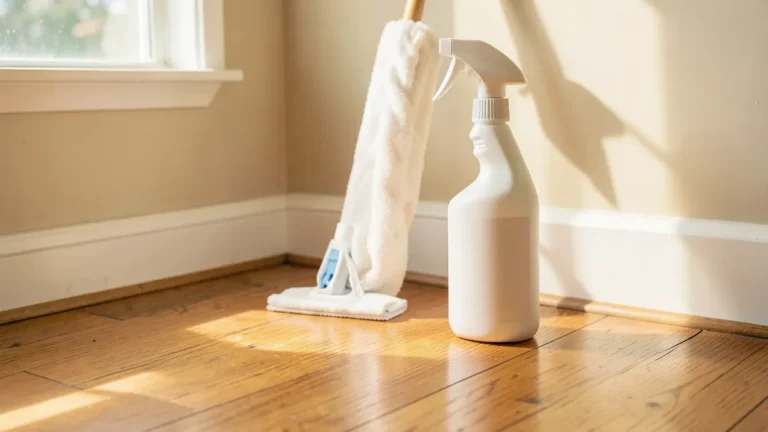
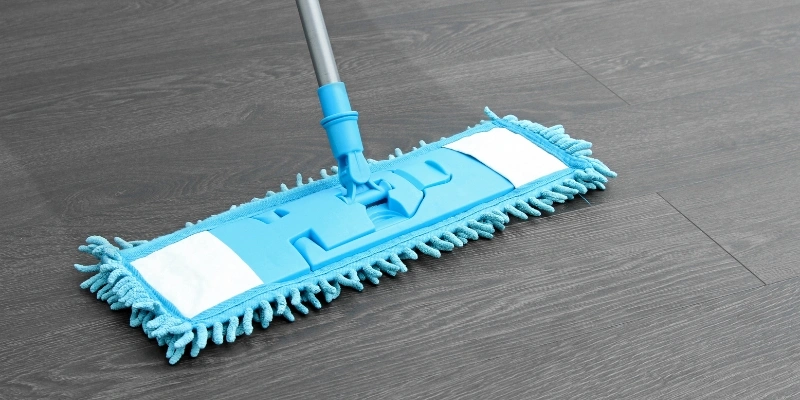
Start by removing dirt and dust with a vacuum or broom — grit is what actually causes fine scratches over time, more than any cleaning product does. Use a hardwood-specific, pH-neutral cleaner and a damp (not wet) microfiber mop, working in the direction of the wood grain in small sections. Let the floor air-dry fully before walking on it. Unlike an acrylic polish, a pH-neutral cleaner is designed to evaporate cleanly without leaving a film, so there’s no buildup to strip later.
Conclusion: Making The Right Choice
Many people wonder if Mop and Glo is safe for hardwood floors. The product offers shine and protection but may cause buildup over time. Regular use can lead to a slippery surface, which is dangerous.
Always read the label before using any cleaning product. Consider testing on a small area first. Some users prefer products specifically designed for hardwood.
| Pros | Cons |
|---|---|
| Easy to use | Can cause buildup |
| Gives a nice shine | May make floors slippery |
| Affordable | Not always safe for hardwood |
Consider using a pH-balanced cleaner made for hardwood. This will help maintain the floor’s beauty and longevity.
Frequently Asked Questions
Is Mop And Glo Safe For Hardwood Floors?
Mop and Glo is not recommended for hardwood floors. It can leave a residue that makes surfaces slippery. Over time, this buildup can damage the finish of your wood flooring. It’s best to use products specifically designed for hardwood care to maintain its beauty and longevity.
Does Mop And Glo Damage Wood Finishes?
Yes, Mop and Glo can damage wood finishes. The product may create a film that dulls the natural shine. Repeated use can lead to significant buildup, which may require professional refinishing to remove. Always opt for cleaners that are safe for your hardwood floors to avoid this issue.
How To Clean Hardwood Floors Without Mop And Glo?
To clean hardwood floors effectively, use a damp microfiber mop. Mix a few drops of dish soap in water for gentle cleaning. Avoid excessive moisture, as it can warp wood. For deeper cleaning, consider a pH-balanced hardwood cleaner to maintain the floor’s integrity and shine.
What Are Alternatives To Mop And Glo For Hardwood?
Alternatives to Mop and Glo include Bona Hardwood Floor Cleaner and Murphy Oil Soap. These products are specifically formulated for hardwood, ensuring safety and effectiveness. They help maintain the natural beauty of your floors without harmful residues. Always read labels for compatibility with your flooring type.
Conclusion
Mop and Glo can be tempting for hardwood floors, but caution is key. While it offers a shine, potential residue can damage your finish over time. Consider using products specifically designed for hardwood. Always prioritize the longevity of your floors by choosing the right cleaning solutions for optimal care and maintenance.
Sponsored / affiliate links. As an Amazon Associate I earn from qualifying purchases. I may earn additional commission from eligible campaigns.