Is Applewood a Hardwood? Yes, and Harder Than Red Oak
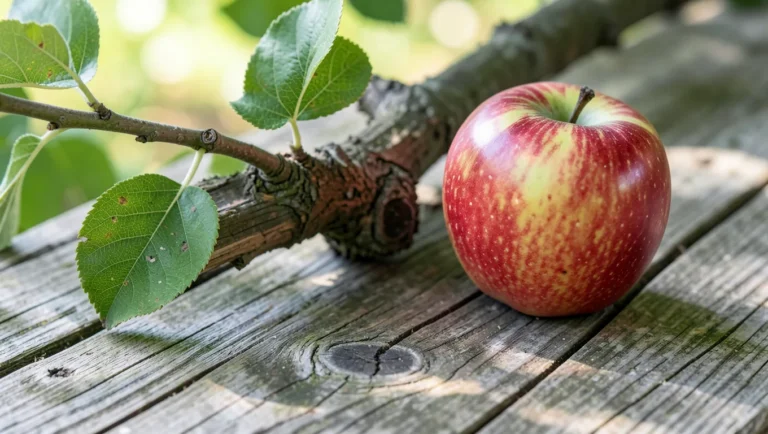
Yes, applewood is a hardwood. It comes from Malus domestica, a broadleaf flowering tree, and its Janka rating of 1,730 lbf makes it harder than red oak (1,220 lbf) or hard maple (1,450 lbf). It is dense, fine-grained and popular for smoking food and small carved or turned pieces, but it is not rot resistant. Below are the real numbers, what they mean at the bench, and where older claims about applewood go wrong.
Is Applewood a Hardwood? Yes, and a Dense One
Best Applewood Smoking Chips
 |
Weber Apple Wood Chips, 2 lb Bag ($8) Applewood is seldom sold as lumber, so the easiest way to use it is as bagged smoking chips for a grill or smoker.
|
In woodworking, hardwood and softwood are botanical labels. Hardwoods come from broadleaf flowering trees, and softwoods come from conifers. Apple trees are broadleaf flowering trees, so applewood is a hardwood by definition. In this case the label also matches the feel of the wood: the Wood Database lists apple at about 52 lbs/ft3 dried, which is heavy for a domestic species.
The label alone does not tell you hardness, though. Balsa is classified as a hardwood and measures only 67 lbf, while the softwood European yew is rated 1,520 lbf. Applewood happens to be both a true hardwood and a genuinely hard one. If you want the tree side of the question, see our page on whether applewood really comes from an apple tree.
Applewood Janka Hardness Compared With Other Woods
All figures below are Janka hardness ratings from the Wood Database, in pounds-force. Higher means harder to dent.
| Wood | Type | Janka (lbf) |
|---|---|---|
| Balsa | Hardwood | 67 |
| Eastern white pine | Softwood | 380 |
| Black cherry | Hardwood | 950 |
| Northern red oak | Hardwood | 1,220 |
| Hard maple | Hardwood | 1,450 |
| Pear | Hardwood | 1,660 |
| Apple | Hardwood | 1,730 |
| Shagbark hickory | Hardwood | 1,880 |
Applewood lands near the top of the common domestic hardwoods, just above pear and below hickory. The Wood Database points out that apple closely resembles cherry in appearance and texture but is significantly heavier and harder. Cherry is 950 lbf, so apple is nearly twice as hard. If you are choosing between the two for a small project, that difference matters for dent resistance and for how the wood machines.
Correcting Common Applewood Claims
Many pages online, including an older version of this one, describe applewood as a medium hardwood at 1,000 to 1,200 lbf and say it resists decay. Both claims fail against the Wood Database numbers. Apple is 1,730 lbf, and its heartwood is rated non-durable for decay resistance.
| Claim | What the numbers say |
|---|---|
| Applewood is a medium hardwood around 1,000 to 1,200 lbf | No. The Wood Database lists apple at 1,730 lbf, harder than red oak (1,220) and hard maple (1,450) |
| Applewood resists decay naturally | No. Apple heartwood is rated non-durable for decay |
| Applewood is common lumber | No. It is seldom sold as lumber, usually only in very small sizes |
| Only softwoods are soft | No. Balsa is a hardwood at 67 lbf, and yew is a softwood at 1,520 lbf |
Applewood Properties: Shrinkage, Rot and Workability
| Property | Apple | Hard maple | Eastern white pine |
|---|---|---|---|
| Janka hardness | 1,730 lbf | 1,450 lbf | 380 lbf |
| Volumetric shrinkage | 17.6% | 14.7% | 8.2% |
| Radial / tangential shrinkage | 5.6% / 10.1% | 4.8% / 9.9% | 2.1% / 6.1% |
| Rot resistance | Non-durable | Non-durable to perishable | Moderate to low |
The shrinkage row is the one most articles skip. Apple’s volumetric shrinkage of 17.6% is higher than maple’s 14.7% and even higher than shagbark hickory’s 16.7%. The Wood Database notes that apple has a high shrinkage rate and experiences a large amount of seasonal movement in service. In practice that means a wide applewood panel is a poor idea, and small pieces that are dried slowly and finished on all sides behave much better.
Color and grain
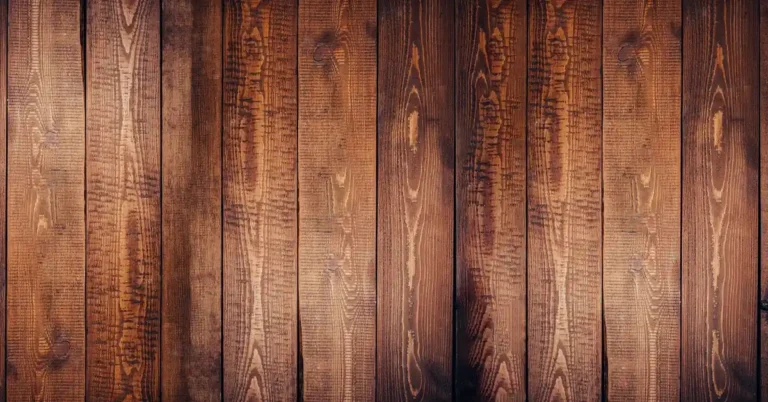
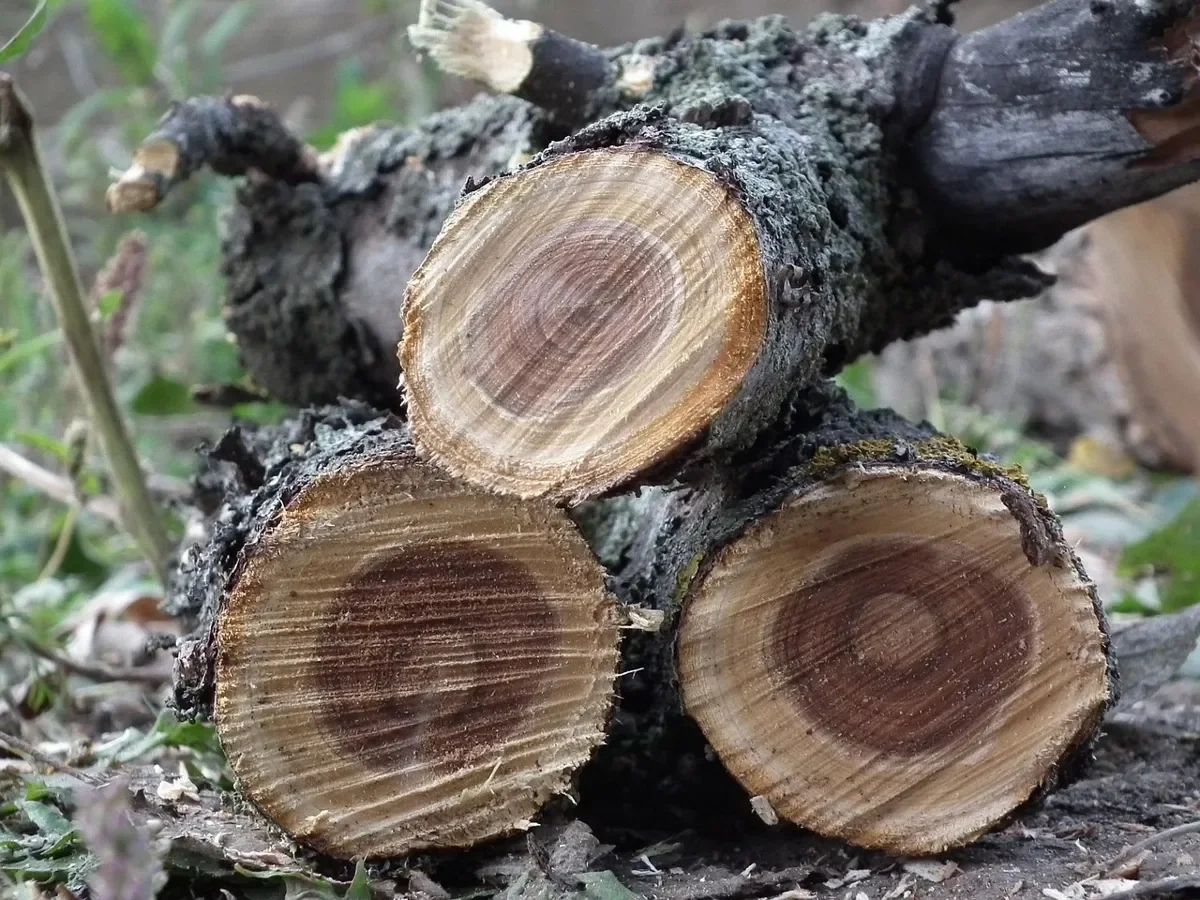
Heartwood ranges from light reddish or grayish brown to a deeper red-brown, and it sometimes shows darker and lighter bands similar to olive. The sapwood is pale cream. The grain is usually straight, though parts of the tree can be wild, and the texture is very fine and uniform.
Working applewood
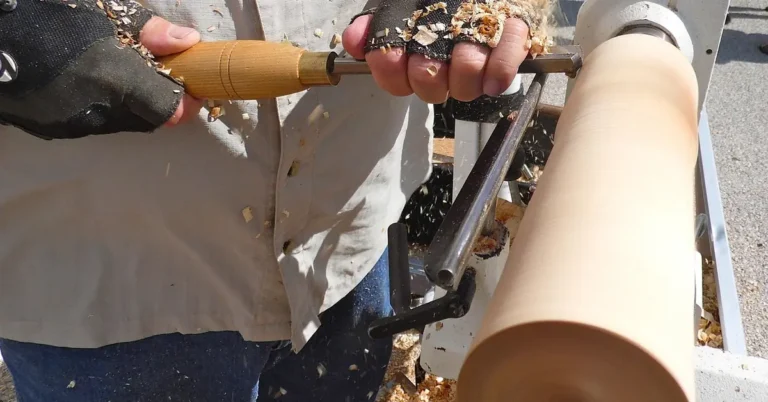
The Wood Database says apple can be somewhat difficult to work because of its density, and it can burn easily when being machined. It glues, stains, finishes and turns well. Use sharp tooling and avoid letting a blade or bit dwell in the cut. The wood has a faint sweet scent while being worked. For project-specific advice, see our guides on carving apple wood and turning apple wood.
Applewood for Smoking Food
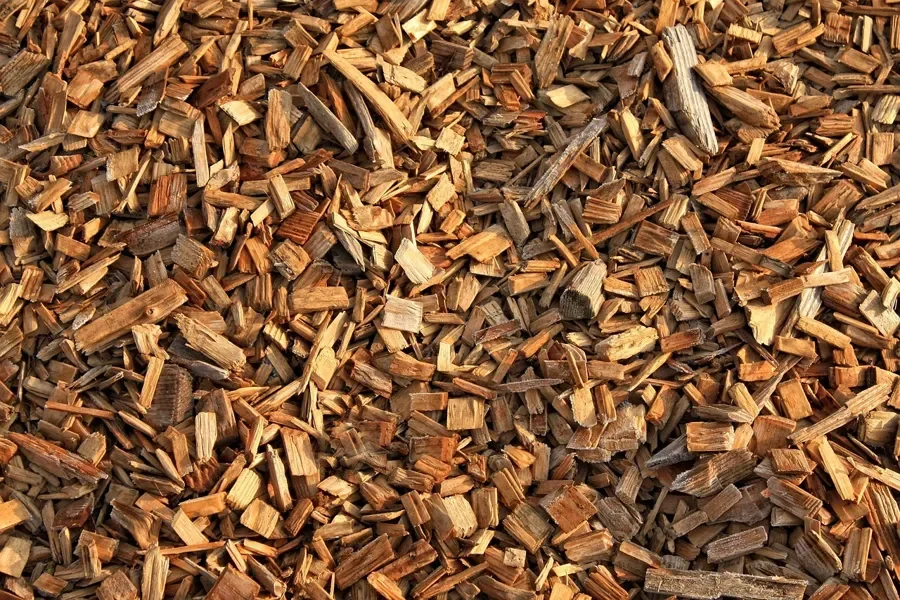
Most applewood that people actually buy is sold as chips, chunks or split firewood for grills and smokers, not as lumber. Apple is a fruitwood generally described as giving a mild, sweet smoke, and product listings for apple chips use exactly that language. It is often paired with poultry, pork and other foods where a heavy smoke would overwhelm the meat.
A few practical points apply to any smoking wood. Use only clean, untreated wood, and never use painted, stained or pressure-treated scraps. Follow your smoker or grill manual for how much wood to use and whether to soak it, since the guidance differs by equipment. If you want to compare woods, our pages on smoking with maple and smoking with oak show how other hardwoods behave, and how to use wood chips in a smoker covers the setup.
Which Projects Suit Applewood
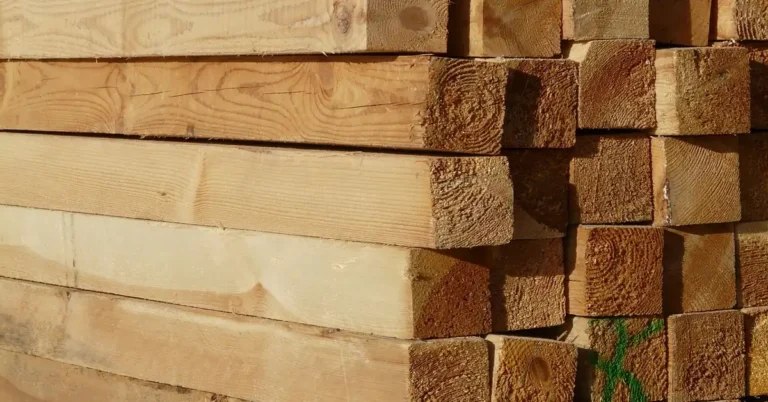
Match applewood to what its numbers offer. Its density and fine texture suit tool handles, mallet heads, carved pieces and turned bowls or pens, which is why the Wood Database lists those among its common uses. Its high shrinkage and non-durable heartwood argue against wide panels, exterior work or anything that will sit outdoors unprotected. Availability is the other limit: the wood is seldom sold as lumber and is likely to be expensive, so it is normally reserved for small specialty projects.
A practical rule: choose applewood when hardness, fine grain and a workable small size matter more than price or stability. For furniture that needs wide boards, cherry, red oak or hard maple are easier to source and move less in width.
Related Hardwood Questions
If you are sorting other species into hardwood or softwood, the wood hardness scale and our types of wood guide give the wider picture. The same botanical rule applies to almond wood and redbud: both are broadleaf trees, so both are hardwoods.
Quick Rules for Judging Any Wood
- Look at the tree, not the board. Broadleaf flowering trees give hardwood, and cone-bearing trees give softwood.
- Use the Janka number for dent resistance. Apple at 1,730 lbf resists denting far better than cherry at 950 lbf.
- Check shrinkage separately. Apple’s 17.6% volumetric shrinkage is high for its hardness class.
- Check rot resistance separately. Apple heartwood is non-durable, so keep it indoors or well protected.
Frequently Asked Questions
Is applewood a hardwood or a softwood?
Applewood is a hardwood. It comes from Malus domestica, a broadleaf flowering tree, and the hardwood label is based on botany. The Wood Database lists apple at 1,730 lbf on the Janka scale.
Is applewood harder than oak?
Yes. Apple is rated 1,730 lbf, while northern red oak is 1,220 lbf, so apple is roughly 40% harder. Cherry, the wood it most resembles, is only 950 lbf.
Is applewood good for smoking food?
Apple is widely used as a mild, sweet-smoke fruitwood, and bagged apple chips and chunks are sold for that purpose. Use only clean, untreated wood, and follow your smoker’s instructions for amount and moisture.
Is applewood rot resistant?
No. The Wood Database rates apple heartwood as non-durable for decay, so it is not a good choice for outdoor projects without a protective finish and good drainage.
Can you buy applewood lumber?
Rarely. The Wood Database says apple is seldom available in lumber form, usually only in very small sizes, and is likely to be expensive. Most applewood is sold as chips, chunks, firewood or small turning blanks.
Is applewood safe to work with?
The Wood Database reports no health reactions beyond the standard risks of wood dust. Wear a dust mask when sanding or sawing any wood, and use dust collection.
Conclusion
Applewood is a hardwood, and a hard one: 1,730 lbf on the Janka scale, harder than red oak and hard maple. Its weak points are high shrinkage at 17.6% and non-durable heartwood, so keep it to small, indoor or well-finished work. As smoking wood it is best known for a mild, sweet smoke, as long as you burn only clean, untreated wood.
Sponsored / affiliate links. As an Amazon Associate I earn from qualifying purchases. I may earn additional commission from eligible campaigns.