How to Seal a Wooden Cheese Board: Expert Tips
To seal a wooden cheese board, use food-safe mineral oil or beeswax. Apply the oil with a clean cloth, ensuring even coverage.
Wooden cheese boards are both functional and stylish, adding charm to any kitchen or dining table. However, they require proper care to maintain their beauty and prevent damage. Sealing the board helps protect it from moisture, bacteria, and odors. Choosing the right sealant is crucial, as you want a product that is safe for food contact.
Regular maintenance will extend the life of your cheese board, allowing you to enjoy its use for years. This guide will walk you through the steps to effectively seal your wooden cheese board and keep it in top condition.
Introduction To Cheese Board Maintenance
Sealing a wooden cheese board is very important. It helps protect the wood from moisture. Sealed boards last longer and stay beautiful. Proper sealing keeps the cheese from sticking. It also prevents odors from penetrating the wood.
Taking care of your cheese board has many benefits. A well-maintained board is safe for food. It can be easily cleaned and does not absorb stains. Sealing also enhances the natural beauty of the wood. Regular maintenance keeps the board looking new for years.
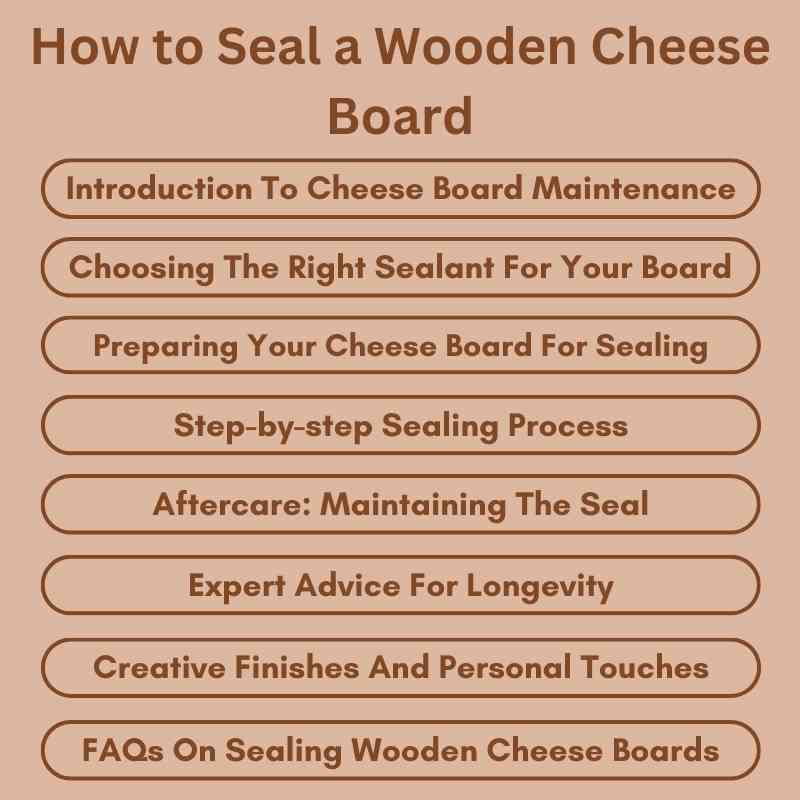
Choosing The Right Sealant For Your Board
Choosing the right sealant for your wooden cheese board is important. Natural oils and synthetic options are the two main types of sealants.
| Sealant Type | Benefits | Drawbacks |
|---|---|---|
| Natural Oil | Safe for food, enhances wood’s beauty | Requires frequent reapplication |
| Synthetic Sealants | Durable, long-lasting protection | May contain harmful chemicals |
Natural oils are great for safety. They add a warm look to the wood. Synthetic options are more durable. They last longer but can be risky for food safety.
Preparing Your Cheese Board For Sealing
Start by cleaning the surface of your cheese board. Use warm, soapy water and a soft cloth. Rinse it well and dry it completely. This ensures that no dirt or food particles remain.
Next, focus on sanding the wood. Use fine-grit sandpaper for a smooth finish. Sand in the direction of the grain. This helps prevent scratches and enhances the wood’s natural beauty.
After sanding, wipe the board with a damp cloth. This removes any dust created during sanding. Ensure the surface is clean and ready for sealing.
Step-by-step Sealing Process
To seal a wooden cheese board, start by cleaning the surface. Use a soft cloth to remove dust and debris. This ensures the sealant sticks well.
Choose a food-safe sealant that fits your needs. Apply the sealant evenly using a brush or cloth. Make sure to cover all areas.
Let the first coat dry for about two hours. After drying, apply a second coat for better protection. Allow the second coat to dry completely.
After sealing, curing time is important. Let the cheese board cure for at least 24 hours. This helps the sealant bond properly to the wood.
Following these steps ensures your cheese board is protected and ready for use.
Aftercare: Maintaining The Seal
To keep your wooden cheese board in great shape, follow these tips. Regularly clean it with warm, soapy water. Avoid soaking the board in water. Dry it with a soft cloth after washing.
Use mineral oil or beeswax to maintain the seal. Apply oil every month for the best results. This helps prevent cracking and keeps the wood moisturized.
Check the surface for wear. If it feels rough or dry, it’s time to reapply sealant. A good rule is to reapply every 6 to 12 months.
Keep the board away from direct sunlight. Store it in a cool, dry place. This helps maintain the seal and extends the board’s life.
Common Mistakes To Avoid
One common mistake is the overapplication of sealant. Using too much can create a sticky surface. This can make the cheese board unusable. Always apply a thin, even layer.
Another mistake is using harmful chemicals. Many sealants contain toxic substances. These can be dangerous for food safety. Opt for food-safe products to protect your health.
Always check the label before purchasing. Look for sealants that are non-toxic and eco-friendly. This ensures safe use with your cheese board.
Expert Advice For Longevity
To keep your wooden cheese board in top shape, follow these professional recommendations. Use food-safe mineral oil for sealing. Apply it generously and wipe off excess. Repeat this every month to maintain the finish.
During seasonal changes, adjust care routines. In dry months, oil more often. Humid weather may require less oiling. Always check the board for cracks or dryness.
| Season | Care Frequency |
|---|---|
| Winter | Every 3 weeks |
| Spring | Every month |
| Summer | Every 4-6 weeks |
| Fall | Every month |
Creative Finishes And Personal Touches
Make your cheese board stand out with creative finishes. Try using food-safe stains for a rich color. Engraving a special message adds a personal touch.
Consider these decorative techniques:
- Wood burning for unique designs.
- Painted accents for a pop of color.
- Adding handles for easy serving.
- Using coasters or trivets for a complete look.
These ideas help make your board truly unique. Get creative and enjoy the process!
FAQs On Sealing Wooden Cheese Boards
Many people ask about the best way to seal a wooden cheese board. A common concern is whether the sealant is food-safe. It’s important to use natural oils like mineral oil or beeswax. These options are safe for food contact.
Another frequent question is about the durability of the seal. Sealing helps protect the wood from stains and bacteria. Regular maintenance will keep the board in top shape.
Community tips include applying a thin layer of oil every month. This helps maintain the board’s beauty and functionality. Always clean the board with a damp cloth to avoid damage.
Conclusion: Enjoying Your Well-preserved Board
Sealing a wooden cheese board is important for its care. A well-sealed board stays clean and lasts longer. It can prevent stains and odors from food.
DIY maintenance brings a sense of pride. You can enjoy the process of sealing your board. Knowing how to care for your board boosts its beauty.
Showcasing your board at gatherings creates a fun atmosphere. Guests appreciate a well-maintained cheese board. It can become a centerpiece of conversations and enjoyment.
Share stories about your board’s care. This makes gatherings more personal and special. Remember, a beautiful board is a joy to use.

Frequently Asked Questions
How Do You Prepare A Wooden Cheese Board For Sealing?
To prepare your wooden cheese board for sealing, first clean it thoroughly with warm, soapy water. Rinse and dry it completely. Sand the surface lightly to remove any rough spots or previous finishes. This ensures the sealant adheres properly, providing a smooth and durable finish.
What Type Of Sealant Is Best For Cheese Boards?
Food-safe mineral oil is the best sealant for cheese boards. It penetrates the wood and protects it without altering taste. Alternatively, you can use beeswax or a combination of both. These options keep the board hydrated and prevent cracking while ensuring safety during food preparation.
How Often Should You Seal A Wooden Cheese Board?
You should seal your wooden cheese board every 3 to 4 weeks. Frequent sealing keeps the wood protected and prevents moisture absorption. If the board appears dry or faded, it’s time to reapply the sealant. Regular maintenance enhances the board’s lifespan and keeps it looking new.
Can I Use Olive Oil To Seal My Cheese Board?
It’s not recommended to use olive oil to seal your cheese board. Olive oil can go rancid over time, creating unpleasant odors and flavors. Instead, opt for food-safe mineral oil or beeswax. These options are more effective and safe for food preparation.
Conclusion
Sealing a wooden cheese board is essential for its longevity and appearance. Proper sealing protects the wood from moisture and stains. By following the right techniques, you can ensure your cheese board remains beautiful and functional. Invest time in this simple process for a durable kitchen essential that enhances your culinary experience.