How to Sharpen a Miter Saw Blade: Expert Tips for Precision
To sharpen a miter saw blade, remove the blade from the saw and use a sharpening file or professional sharpening service. Make sure to follow the manufacturer’s specifications for optimal results.
Maintaining a sharp miter saw blade is crucial for achieving clean and precise cuts. Dull blades can lead to uneven edges, increased friction, and potential safety hazards. Regular sharpening extends the blade’s lifespan and enhances cutting efficiency. Various methods are available for sharpening, including using hand files or professional services.
Understanding how to sharpen effectively can save you time and money, while ensuring your projects turn out perfectly. This guide will walk you through the best practices for keeping your miter saw blade in peak condition, helping you tackle any woodworking challenge with confidence.
Introduction To Miter Saw Blade Maintenance
Maintaining a miter saw blade is crucial for efficient cutting. Sharp blades ensure clean, precise cuts and reduce strain on the motor. A dull blade can lead to burning or tearing of the material.
Signs that your blade needs sharpening include:
- Difficulty cutting through materials.
- Excessive vibrations during use.
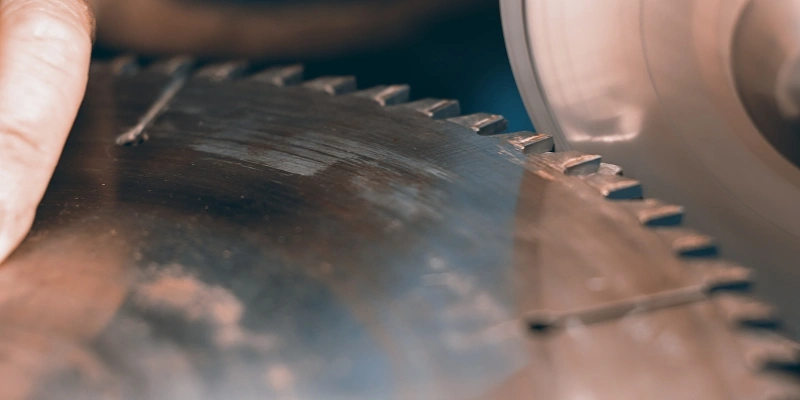
- Visible nicks or chips on the blade.
- Burn marks on the cut edges.
Regularly checking and maintaining your miter saw blade can enhance its lifespan. This simple task can save money and improve project outcomes.

Safety First: Preparing To Sharpen
Before sharpening a miter saw blade, always wear personal protective equipment. Use safety goggles to protect your eyes from flying debris. Hearing protection is important too, as the noise can be loud.
Wear gloves to keep your hands safe. These gloves should be cut-resistant for better protection. Use a dust mask to avoid inhaling harmful particles.
Securing the blade properly is crucial. First, unplug the saw to ensure safety. Use a blade wrench to remove the blade. Make sure the blade is clean and free from any debris.
Always handle the blade carefully. Place it on a stable surface during sharpening. Following these safety tips will help you sharpen your miter saw blade safely.
Tools And Materials Needed
Choosing the right sharpening tools is essential for miter saw blade maintenance. Common tools include a flat file, a bench grinder, and a diamond sharpening stone. Each tool has its specific use, so select based on your blade type.
For a successful sharpening job, gather some additional supplies. These include a ruler for measuring angles, a marker for marking teeth, and a cleaning solution to remove debris. A clamp can help secure the blade during sharpening. Using these tools will ensure a better result and extend the life of your blade.
Removing The Blade From The Miter Saw
Start by unplugging the miter saw. This keeps you safe from accidental starts. Use a wrench to loosen the bolt holding the blade. Turn the bolt counterclockwise until it comes off.
Carefully remove the outer washer and the blade. Make sure to hold the blade securely. Place it on a clean, flat surface. Keep all parts together for easy reassembly.
Always wear safety goggles and gloves during this process. Ensure there are no loose items around the saw. Keep your workspace well-lit to avoid accidents.
Inspecting The Blade
Inspecting the blade is very important. Look for nicks, chips, or any visible damage. A damaged blade can affect your cuts.
For identifying damage, check the teeth closely. Make sure they are sharp and not broken. A few small issues can be fixed easily.
Deciding to sharpen or replace the blade depends on its condition. If the damage is minor, sharpening can work well. For larger issues, a replacement is better.
The Sharpening Process
Cleaning the blade is the first step. Use a soft brush to remove debris. A cloth soaked in mineral spirits helps with tough grime. Make sure to wear gloves for safety.
Manual sharpening requires a few simple tools. A fine file or diamond stone works well. Hold the blade firmly and sharpen each tooth. Follow the original angle of the tooth. This helps maintain the blade’s effectiveness.
Using a machine sharpener is faster and easier. Align the blade according to the machine’s guide. Turn on the sharpener and let it do the work. Check the blade regularly for even sharpening.
Reassembling And Testing The Blade
To start, ensure the blade is correctly aligned. Use the manufacturer’s instructions for guidance. Check that the mounting bolts are tight. A loose blade can cause accidents.
Next, perform important safety checks. Always wear safety glasses and gloves. Disconnect the saw from power before any adjustments. Keep hands away from the blade during testing.
For performance testing, power on the saw and observe. Listen for any unusual sounds. Check if the cuts are smooth and accurate. If the blade vibrates or wobbles, it needs further adjustment.
Maintenance Tips For Longevity
Regular cleaning of your miter saw blade is essential for its performance. Dust and debris can build up quickly. Use a soft brush to remove any particles. A clean blade cuts more efficiently.
Storage best practices ensure your blade stays sharp longer. Keep it in a dry place. Use a blade guard to protect the teeth. Avoid stacking blades on top of each other.
Knowing when to sharpen again is crucial. If you notice rough cuts, it’s time to sharpen. Check the blade after every few projects. Regular maintenance increases the life of the blade.
Frequently Asked Questions
How Often Should I Sharpen My Miter Saw Blade?
You should sharpen your miter saw blade every 20 to 30 cuts, depending on the material. For frequent use or tougher materials, sharpen more often. Regular sharpening ensures clean cuts and prolongs the blade’s life. Always inspect the blade for wear and damage before use.
Can I Sharpen A Miter Saw Blade Myself?
Yes, you can sharpen a miter saw blade yourself with the right tools. A sharpening kit or a diamond file is essential. Follow the manufacturer’s instructions for angles and techniques. However, if you’re unsure, consider professional sharpening for optimal results and safety.
What Tools Do I Need To Sharpen A Blade?
To sharpen a miter saw blade, you’ll need a diamond file or a sharpening kit. A bench grinder can also be used for more extensive sharpening. Always wear safety gear while sharpening. Proper tools ensure effective sharpening and maintain the blade’s cutting efficiency.
How Do I Know If My Blade Needs Sharpening?
Signs that your blade needs sharpening include rough cuts and excessive burning. If you notice increased resistance while cutting, it’s time to sharpen. Additionally, inspect the blade for chipped or worn teeth. Regular checks will help maintain cutting performance and prolong the blade’s lifespan.
Conclusion
Keeping your miter saw blade sharp is essential for precision and safety. Regular maintenance not only enhances performance but also extends the blade’s lifespan. By following the steps outlined in this guide, you can ensure clean cuts and efficient work.
Invest time in blade care, and your projects will shine.