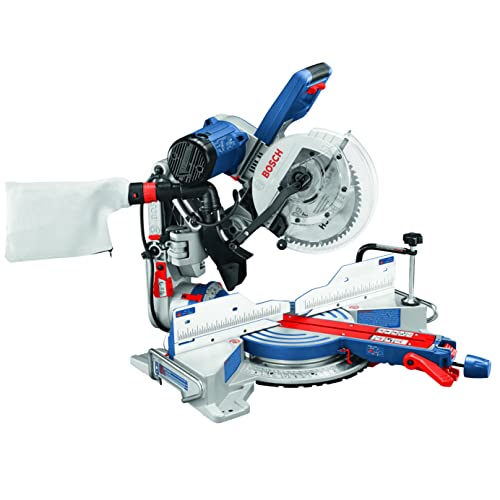
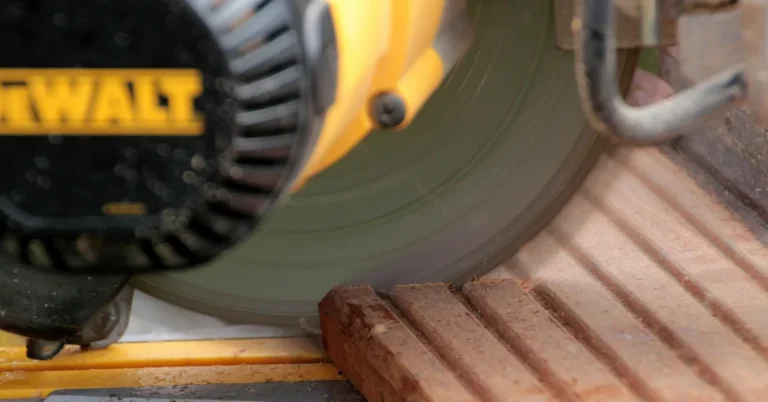
Craftsman 10″ Compound Miter Saw: Specs and Single-Bevel Limit
The Craftsman 10″ single-bevel sliding compound miter saw (model CMXEMAX69434501) runs a 15-amp motor at 4,500 RPM and bevels 0-45° — enough to crosscut a nominal 2×12 in one pass, but only in one bevel direction, unlike dual-bevel saws. Skip checking that limitation before buying, and you’ll be flipping boards by hand for opposite-angle crown molding cuts. This guide covers real specs, safe operation, and the maintenance that keeps the blade cutting cleanly.
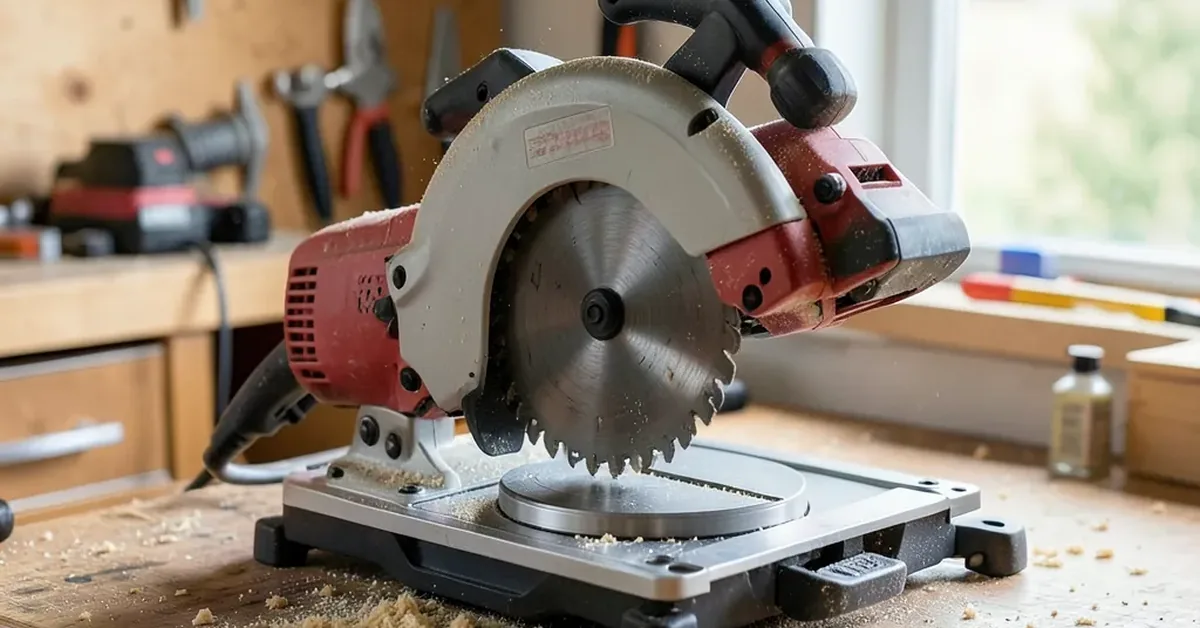
Craftsman 10" Compound Miter Saw: Key Specs and Capabilities
Best Replacement Blade Pick
 |
Diablo D1060X 10″ 60-Tooth Fine Finish Blade – $42.97 Fits any standard 10″ miter saw, including the Craftsman CMXEMAX69434501 — the guide above notes this saw ships with a stock blade many users upgrade for cleaner trim cuts.
|
As an Amazon Associate we earn from qualifying purchases.
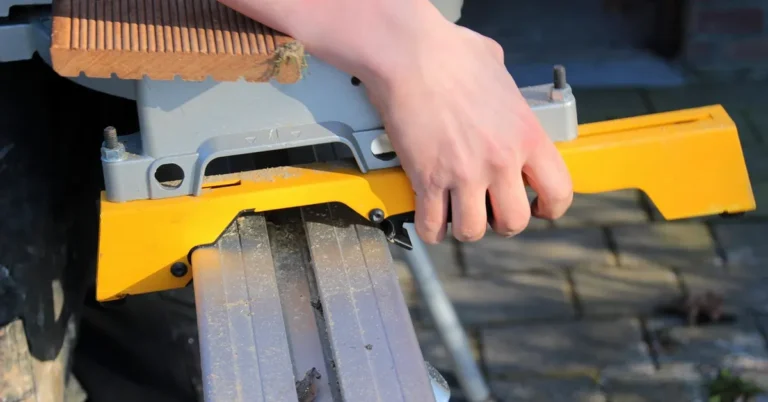
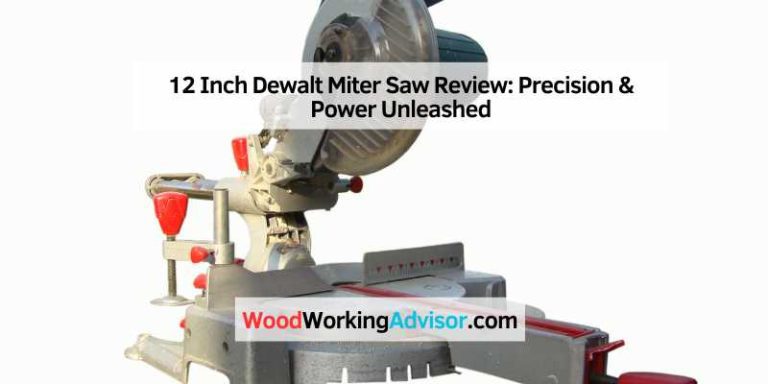
A Craftsman 10″ compound miter saw (model CMXEMAX69434501) is built for angled, beveled, and compound cuts in addition to basic crosscuts, using a sliding rail system to extend its cutting capacity.
| Spec | Value |
|---|---|
| Motor | 15 amp, 4,500 RPM |
| Bevel range | 0° to 45° (single bevel — tilts one direction only) |
| Max crosscut capacity | Up to 2 in. x 12 in. nominal lumber |
| Miter detents | 9 preset positions |
| Guide system | Integrated laser guide |
The single-bevel design is the main spec to weigh against dual-bevel saws: it only tilts one direction, so cutting opposite-angle bevels (common on crown molding run around a room) means flipping the workpiece by hand instead of just resetting the bevel angle. For most trim, framing, and general woodworking cuts this isn’t a practical limitation, but it’s worth knowing before you buy if crown molding is a regular job.
Setup and Operation
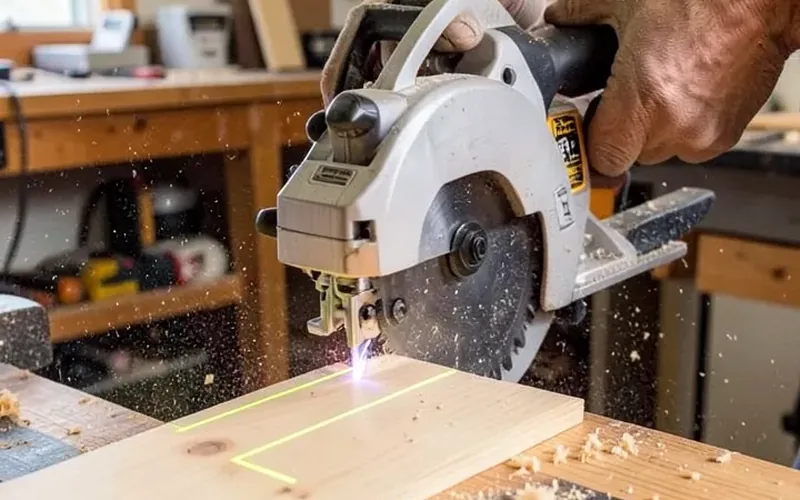
Assembly is straightforward: attach the base, mount the saw arm, and secure all fasteners per the included manual before the first cut. The Craftsman miter saw’s miter and bevel controls are clearly labeled, and the laser guide lets you align the blade to your cut line before powering on, which removes most of the guesswork on angled and beveled cuts.
Safety Measures
The saw’s blade guard covers the teeth when not cutting, a workpiece clamp holds material steady, and a blade brake stops the blade quickly once the trigger is released. Beyond the built-in features, follow standard shop practice every time:
- Wear safety glasses and hearing protection whenever the saw is running.
- Clear the work area of obstructions and set the saw on a stable, level surface before cutting.
- Inspect the blade guard and safety mechanisms before each use.
- Keep hands well clear of the cutting path and hold the workpiece firmly against the fence.
- Let the blade come to a complete stop before lifting the arm.
- Unplug the saw before changing the blade or performing maintenance.
Maintenance and Blade Care
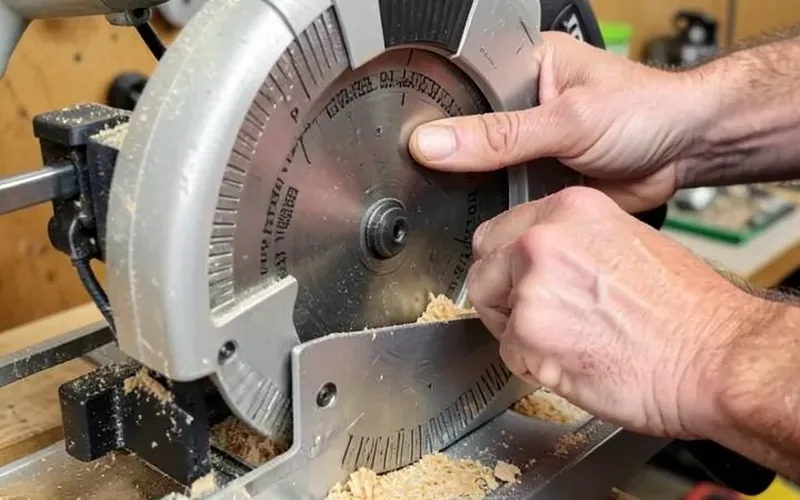
To keep your Craftsman 10″ compound miter saw in top condition, clean sawdust from the blade, table, and fence after every use, and lubricate the slide rails and pivot points with light machine oil to prevent rust. Check the power cord for damage regularly and store the saw somewhere dry.
A dull or damaged blade is the most common cause of binding, kickback, and rough cuts. Inspect the blade before each use; if it’s dull or chipped, unplug the saw, remove the blade guard, loosen the arbor nut, and swap in a fresh blade before your next project.
Recommended Accessories
A few add-ons make this saw more capable without replacing it:
- A quality replacement blade for cleaner, more precise cuts (see the pick above)
- A sturdy miter saw stand for stability on job sites
- A dust collection attachment to cut down on cleanup and airborne dust
- Clamps to secure workpieces during cuts
Where to Buy
Craftsman power tools, including this miter saw, are sold primarily through Lowe’s in the U.S. (Craftsman’s exclusive home-improvement retail partner) and directly through Craftsman.com. It is not consistently available through Amazon or other general marketplaces, so check Lowe’s or Craftsman.com for current pricing and availability rather than relying on a quoted price, since retail prices change over time. A 10″ replacement blade like the one recommended above, however, is broadly available on Amazon and other retailers regardless of where you bought the saw itself.
Frequently Asked Questions
What’s the difference between a miter saw and a compound miter saw?
A basic miter saw only makes crosscuts at various angles. A compound miter saw adds bevel capability, so it can tilt the blade to make angled, beveled, and compound cuts in addition to basic crosscuts.
How thick of wood can a 10-inch miter saw cut?
A 10-inch miter saw typically cuts wood up to about 2 inches thick in a single pass, though exact capacity depends on the specific saw and cut angle — the Craftsman CMXEMAX69434501 is rated up to 2 in. x 12 in. nominal lumber.
How do you unlock a Craftsman 10-inch compound miter saw?
Locate the locking pin near the base of the saw arm. Pull the pin out to release the saw head, then adjust to the desired angle. Push the pin back in to secure the saw head before making a cut.
Is this saw single bevel or dual bevel?
The Craftsman CMXEMAX69434501 is single bevel, meaning the blade only tilts in one direction (0-45°). For opposite-angle bevel cuts, such as crown molding run in both directions around a room, you’ll need to flip the workpiece rather than reset the bevel angle.
What can I use a 10-inch miter saw for?
A 10-inch miter saw is suited to crosscuts, miter cuts, and bevel cuts in wood, making it a versatile choice for trim work, framing, and general woodworking projects.
Conclusion
The Craftsman 10″ compound miter saw (CMXEMAX69434501) delivers a 15-amp motor, a 0-45° single bevel range, and a 2×12 crosscut capacity for trim, framing, and general woodworking. Its single-bevel design means flipping the workpiece for opposite-angle bevels, but for most projects that’s a minor trade-off against its sliding capacity and integrated laser guide. Check Lowe’s or Craftsman.com for current pricing before you buy.
Sponsored / affiliate links. As an Amazon Associate I earn from qualifying purchases. I may earn additional commission from eligible campaigns.