Is Rough Cut Lumber Cheaper? The True Cost Per Board Foot
Rough cut lumber costs $1.50–$2.50 per board foot versus $3.00–$5.00 for surfaced (S4S) lumber — 20 to 50% less — but only if you already own a jointer and planer to square it yourself. Skip that step and pay a mill to surface it for you, and most of the savings disappear. This guide breaks down real per-board-foot pricing, the hidden milling costs competitors skip, and when rough cut is genuinely worth buying.
What Is Rough Cut Lumber?
Best Planer for Milling Rough Cut Lumber
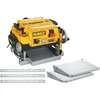
DEWALT DW735X 13-Inch Thickness Planer
A 15-amp, two-speed planer built to bring rough cut boards to final thickness without bogging down in hardwood.
- Best for: milling rough cut boards up to 13″ wide to consistent thickness
- Why we picked it: two-speed gearbox and a three-knife cutterhead handle both softwood and dense hardwood without extra passes
- Main drawback: at $650+, it’s a real tool investment — only worth it if you’ll mill lumber regularly
Compare more thickness planer options
 Option 1 WEN PL1326 Spiral Planer
|
 Option 2 WOODERS 13″ Benchtop Planer
|
 Option 3 Cutech 40700H Spiral Planer
|
As an Amazon Associate we earn from qualifying purchases.
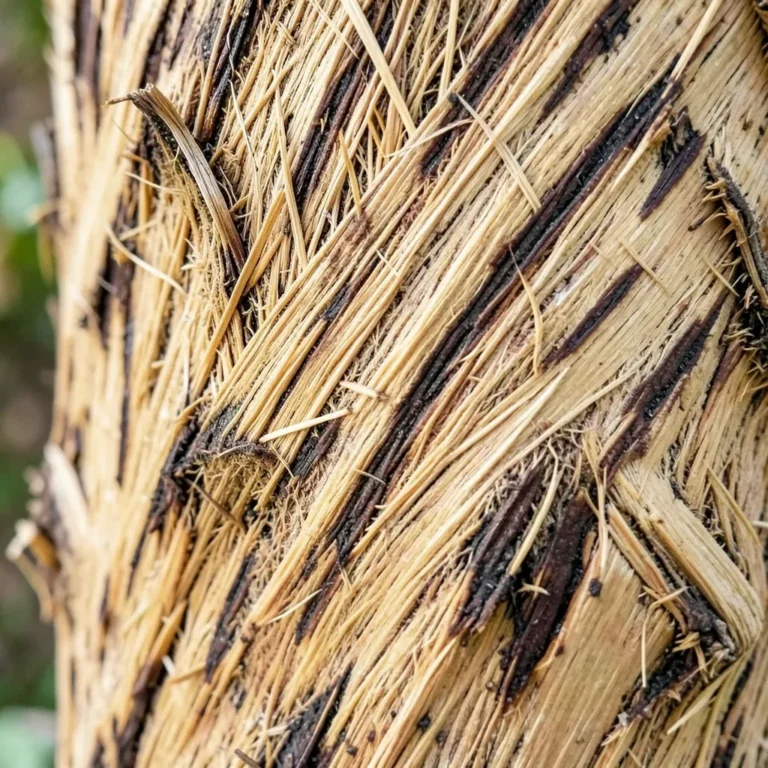
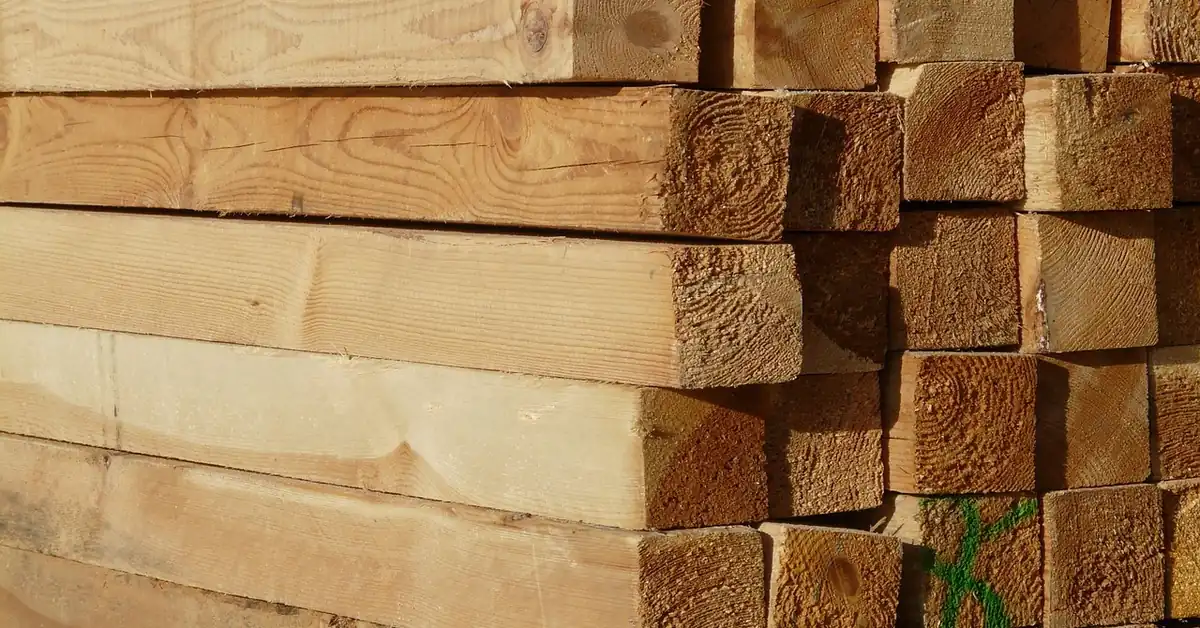
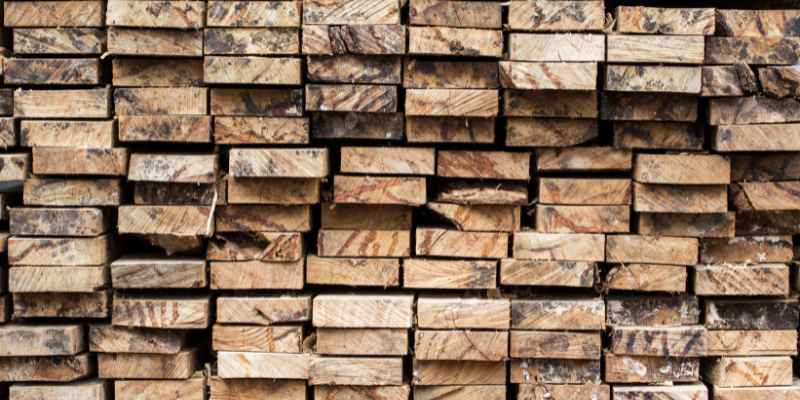
Rough cut lumber is wood sawn straight from the log at a sawmill and sold before any smoothing, jointing, or planing happens. It keeps its true sawn dimensions, visible saw-blade marks, and often bark or wane along the edges. Most sawmills sell it either green (freshly cut, high moisture) or air-dried.
- True dimensions: a rough cut 2×6 measures a full 2″ x 6″ — no material has been removed yet.
- Unfinished surface: saw marks, tear-out, and rough texture are normal, not defects.
- Variable moisture: unless the mill kiln-dried it, expect 15–30% moisture content that needs to drop before use.
The species itself follows the same hardwood and softwood classifications as any other lumber — rough cut just describes how far along the milling process a board has come, not what species it is.
Rough Cut Lumber Price Per Board Foot: The Real Numbers
Rough cut lumber runs $1.50 to $2.50 per board foot for common softwoods like pine, while surfaced-four-sides (S4S) lumber of the same species runs $3.00 to $5.00 or more. That’s a 20–50% discount for buying it before the mill finishes it — the fewer passes a board makes through a planer, the less you pay for labor and machine time.
| Type | Avg. Cost / Board Foot | Condition |
|---|---|---|
| Rough cut, green (undried) | $1.50 – $2.00 | Full moisture, needs months to dry |
| Rough cut, air- or kiln-dried | $2.00 – $3.00 | Ready to mill, stable moisture |
| S4S / dimensional (finished) | $3.00 – $5.00+ | Smooth, planed, ready to use |
There’s a sizing detail almost every price comparison skips: rough cut lumber is sold at its true, un-milled size, while dimensional lumber is not. A rough cut 2×6 really does measure 2″ by 6″. A finished “2×6” from a home center measures 1.5″ by 5.5″ — the mill planed a quarter-inch off each face to get a smooth surface. Per nominal size, you’re buying more actual wood with rough cut, not just a lower price tag.
The Hidden Costs Nobody Puts in the Price Comparison
The board-foot price only tells half the story. Turning rough cut lumber into something you can actually build with means squaring it yourself — and that costs time, tools, and material.
You Need a Jointer, a Planer, and a Way to Rip It Straight
Milling rough lumber to finished dimension takes three machines: a jointer to flatten one face and true one edge, a thickness planer to bring the opposite face parallel, and a table saw to rip the final width. If you square the first edge by hand instead of on a jointer, it’s slower but doable. A basic benchtop planer alone runs $300–$700; a jointer adds another $200–$600 if you don’t already own one.
You Lose 15–25% of the Board to Squaring It
Standard shop practice is to buy about 1/4″ over your target thickness per face for jointing and planing — so a board destined to finish at 3/4″ actually starts as a full 1″ (4/4) rough sawn. That extra material is gone as shavings by the time the board is square. Factor that loss into your per-board-foot math, or the “savings” shrink fast.
Undried Lumber Needs Roughly a Year Per Inch of Thickness
Green rough cut lumber (never kiln-dried) needs about one year of air-drying per inch of thickness before it’s stable enough to build with — a 1″ board needs roughly a year, a 2″ board closer to two. Kiln-dried rough cut skips that wait but costs more per board foot, closing part of the price gap.
All-in cost comparison for 100 board feet of pine, three ways to get to finished lumber:
| Approach | Material Cost | Milling Cost | Total | Time to Use |
|---|---|---|---|---|
| Buy S4S finished lumber | $300 – $500 | $0 (already surfaced) | $300 – $500 | Ready today |
| Buy rough cut, mill it yourself | $150 – $250 | ~$0 if tools are already owned | $150 – $250 | 1–3 hrs milling, plus drying if not kiln-dried |
| Buy rough cut, pay a shop to surface it | $150 – $250 | $50 – $100 typical fee | $200 – $350 | A few days turnaround |
Milling it yourself is genuinely the cheapest option — but only once you already own the tools. If you’d be buying a planer just for one project, the math often favors S4S lumber instead.
What Actually Drives Rough Cut Lumber Prices
Species
Common softwoods like pine and hemlock sit at the low end of the range. Hardwoods cost more across the board — ash, for example, typically runs higher per board foot than pine even in rough cut form, and figured or rare species like walnut or curly maple can run several times higher.
Distance From the Sawmill
Buying direct from a local sawmill cuts out the transportation and retail markup that a lumber yard or home center adds. The farther the lumber traveled to reach you, the more of the price is freight, not wood — one reason rough cut is rarely stocked at big-box stores.
Demand and Season
Construction lumber prices spike with building activity and lumber futures; rough cut hardwood is less tied to that cycle but still moves with regional demand. Late fall and winter, when fewer buyers are shopping, is usually the best time to negotiate at a local mill.
When Rough Cut Lumber Actually Saves You Money
Rough cut makes financial sense when you already own milling equipment, need non-standard thicknesses a home center doesn’t stock, or the project tolerates natural variation — rustic decking, fence rails, barn siding, and live-edge furniture all fall into that category. It makes less sense for a single small project, anything needing precise, consistent dimensions out of the gate, or if you’d need to buy a planer and jointer just to use it once.
| Option | Best For | Skip If |
|---|---|---|
| Rough cut lumber | Decks, fences, live-edge furniture, custom timber framing | You need it ready to use the same day |
| S4S / finished lumber | Cabinets, trim, furniture needing tight tolerances | Budget is the top priority and you own milling tools |
Common Mistakes to Avoid When Buying Rough Cut Lumber
- Not checking moisture content before buying. A board that reads over 19% on a moisture meter isn’t ready to build with — budget drying time or ask if it’s kiln-dried.
- Forgetting to size up for milling loss. Order 1/4″–3/8″ over your finished dimension per face, or the board won’t clean up to size.
- Skipping the tool cost in your budget. If you don’t already own a jointer and planer, price them into the project before assuming rough cut is the cheaper route.
- Buying from a supplier who won’t let you inspect boards individually. Rough cut lumber varies piece to piece — cracks, checking, and heavy warp should be visible and are grounds to reject a board.
- Storing it flat on concrete. Stack rough cut lumber with stickers between layers, off the ground, to dry evenly and avoid staining or rot.
How to Source Rough Cut Lumber
Local sawmills are the cheapest and most consistent source — they sell direct, often let you pick individual boards, and can tell you the actual moisture content and drying history. Search “sawmill near me” or check a state forestry association directory, since most small mills don’t rank well online.
Online marketplaces like Facebook Marketplace and Craigslist list part-time and hobby mills, often cheaper but with less quality control — ask for photos of the actual boards, not stock images, before driving out. For step-by-step buying advice — what to inspect, how to negotiate, and typical minimum order sizes — see our full guide to buying rough cut lumber.
Frequently Asked Questions
Is rough cut lumber less expensive than finished lumber?
Yes. Rough cut lumber typically costs 20–50% less than S4S (surfaced four sides) lumber of the same species, mainly because it skips the labor and machine time of planing and sanding. The gap narrows once you factor in the cost of milling it yourself or paying a shop to surface it for you.
How long does rough cut lumber need to dry before I can use it?
Green (undried) rough cut lumber needs roughly one year of air-drying per inch of thickness — a 1″ board needs about a year, a 2″ board closer to two. Kiln-dried rough cut is ready to mill immediately but costs more per board foot.
What tools do I need to mill rough cut lumber myself?
At minimum a jointer to flatten one face and true an edge, a thickness planer to bring the opposite face parallel, and a table saw to rip it to final width. Without a jointer, you can true the first edge with a straightedge and a hand plane or circular saw and jig, though it takes longer.
Is a rough cut 2×6 actually bigger than a dimensional 2×6?
Yes. A rough cut 2×6 measures a true 2″ by 6″. A finished dimensional 2×6 from a home center measures 1.5″ by 5.5″ because the mill planed material off each face. Rough cut delivers more actual wood per nominal size.
Where can I buy rough cut lumber?
Local sawmills offer the lowest prices and the ability to inspect individual boards. Online marketplaces like Facebook Marketplace and Craigslist list smaller and hobby mills. Big-box home centers rarely stock true rough cut lumber.
Bottom Line
Rough cut lumber is genuinely cheaper per board foot — 20 to 50% less than S4S lumber — and true-to-size dimensions mean you get more wood for that price. But the savings are real only if you own the tools to mill it yourself, or your project tolerates rough, unfinished stock as-is. Price in the milling tools, the material lost to squaring, and the drying time before deciding rough cut is the budget winner for your specific project.
Sponsored / affiliate links. As an Amazon Associate I earn from qualifying purchases. I may earn additional commission from eligible campaigns.