How to Spread Wood Ash on Lawn: Boost Growth Naturally
Imagine transforming your lawn into a lush, green paradise with a simple, natural ingredient that you probably have at home—wood ash. If you’ve ever wondered how to make the most out of this underutilized resource, you’re in the right place.
Wood ash is not just waste; it’s a powerhouse of nutrients that can give your lawn the boost it needs. But how do you use it effectively without causing harm? In this guide, you’ll discover the secrets to spreading wood ash on your lawn, ensuring that every sprinkle adds vitality to your grass.
By the end of this article, you’ll be equipped with the knowledge to enhance your lawn’s beauty and health effortlessly. So, let’s dive in and unlock the potential of wood ash together!
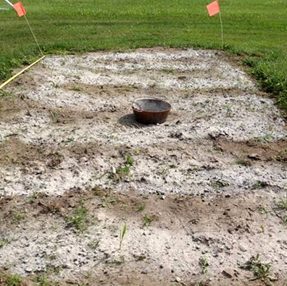
Credit: gardening.usask.ca
Benefits Of Wood Ash For Lawn
Wood ash can be good for lawns. It acts like a fertilizer. It contains potassium and calcium. These minerals help plants grow strong. Wood ash also makes the soil less acidic. This is good for grass. Grass prefers less acidic soil. Some bugs don’t like wood ash. It can keep them away.
Be careful with wood ash. Use only a little. Too much can harm plants. Spread it evenly. Don’t let it pile up. Always wear gloves while handling wood ash. It can be dusty.
Choosing The Right Wood Ash
Wood ash comes from burning wood. Not all wood is the same. Softwoods like pine make less ash than hardwoods like oak. Hardwood ash is better for lawns. It has more nutrients. These nutrients help grass grow.
Wood ash should be clean. No chemicals or paint should be on it. Only use ash from untreated wood. This keeps your lawn safe. Check the ash for nails or metal pieces.
Store ash in a dry place. Wet ash can clump together. It is hard to spread. Dry ash spreads easily. Keep ash away from pets and children.
Use wood ash sparingly. Too much ash can harm grass. A little goes a long way. Your lawn will thank you.
Preparing Wood Ash For Application
Before using wood ash, ensure it’s clean and dry. Remove any large pieces like chunks or unburned wood. Wear gloves to avoid skin irritation. Keep ash in a covered container. This prevents moisture and keeps ash dry. Mix ash thoroughly to get an even texture. Break any clumps that may have formed.
Check the soil pH before application. Wood ash can raise soil pH. Too much ash may harm plants. Only use ash from untreated wood. Avoid using ash from painted or stained wood. These may contain chemicals harmful to plants. Apply ash on a calm day. Wind can blow ash away, making it hard to spread evenly.

Credit: www.youtube.com
Determining The Right Quantity
Wood ash helps lawns grow. But use the right amount. Too much ash can harm plants. Too little may not help. A good rule is to spread about 10 to 15 pounds of ash per 1,000 square feet. This is a safe amount. Measure your lawn carefully. You need to know its size. Use a tape measure or a measuring wheel.
Spread ash evenly across the lawn. Use a spreader for this. It makes the job easier. Wear gloves to protect your hands. Avoid windy days for spreading ash. Wind can blow it away. Remember, wood ash is a natural fertilizer. It gives important nutrients to the soil.
Optimal Timing For Application
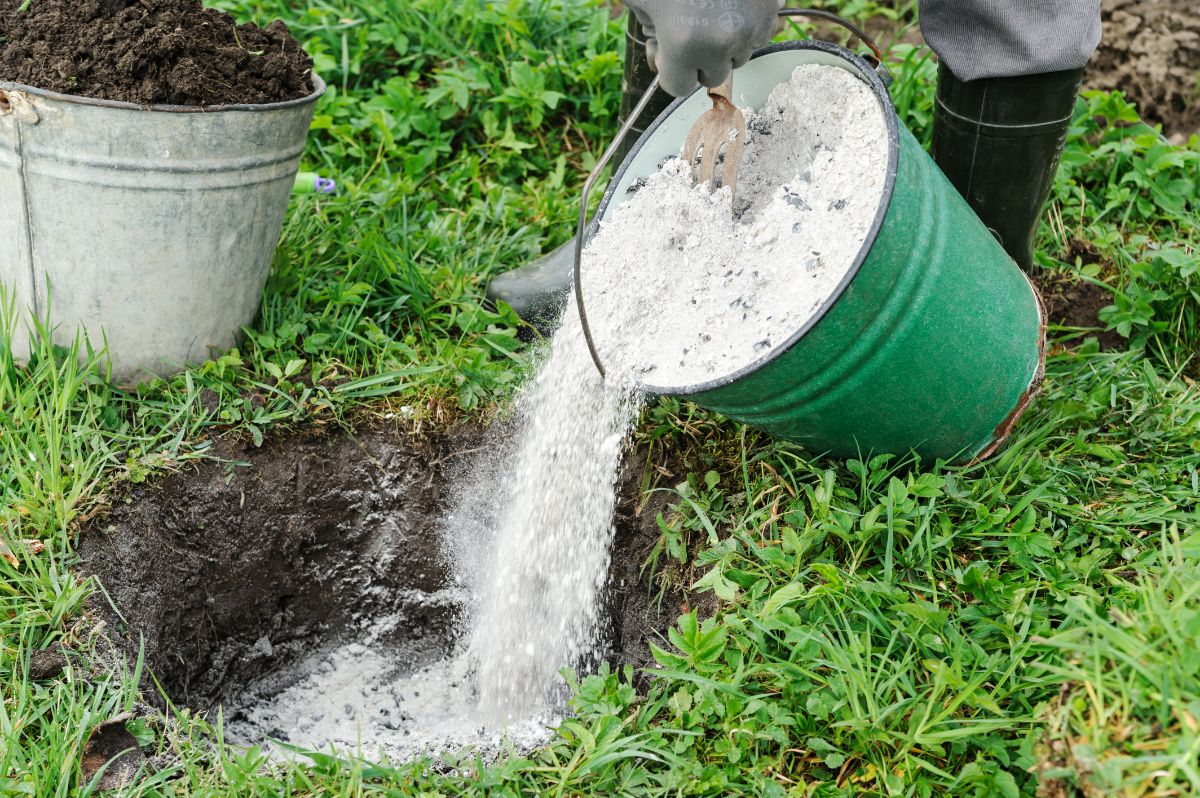
Wood ash helps the lawn in many ways. The best time to spread wood ash is during the fall or early spring. This is when the grass is not actively growing. It prevents grass from burning. Always spread ash on a dry day. Wet ash can clump and be hard to spread evenly. Use a thin layer only. Too much ash can harm plants. After spreading, water the lawn gently. This helps ash mix with the soil. Always remember to wear gloves and a mask. This protects you from dust and irritation.
Credit: gardening.org
Application Techniques
A spreader helps in applying wood ash evenly. Fill the spreader with ash. Set the spreader to a low setting. Walk slowly and carefully over your lawn. Ensure the spreader covers all areas. Avoid spreading too much ash in one spot. Check the spreader regularly to ensure it works well. Rinse the spreader after use to prevent clogging.
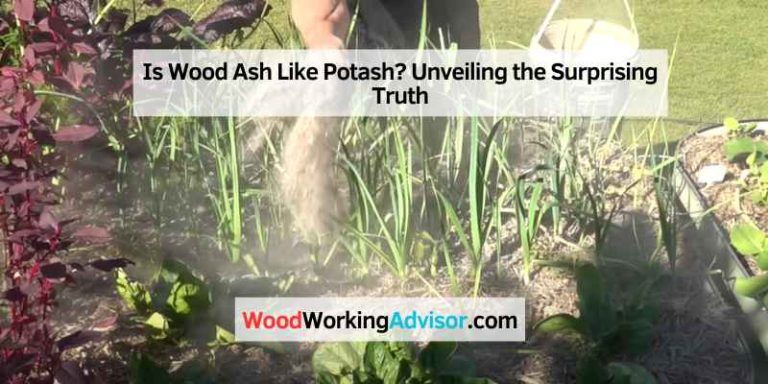
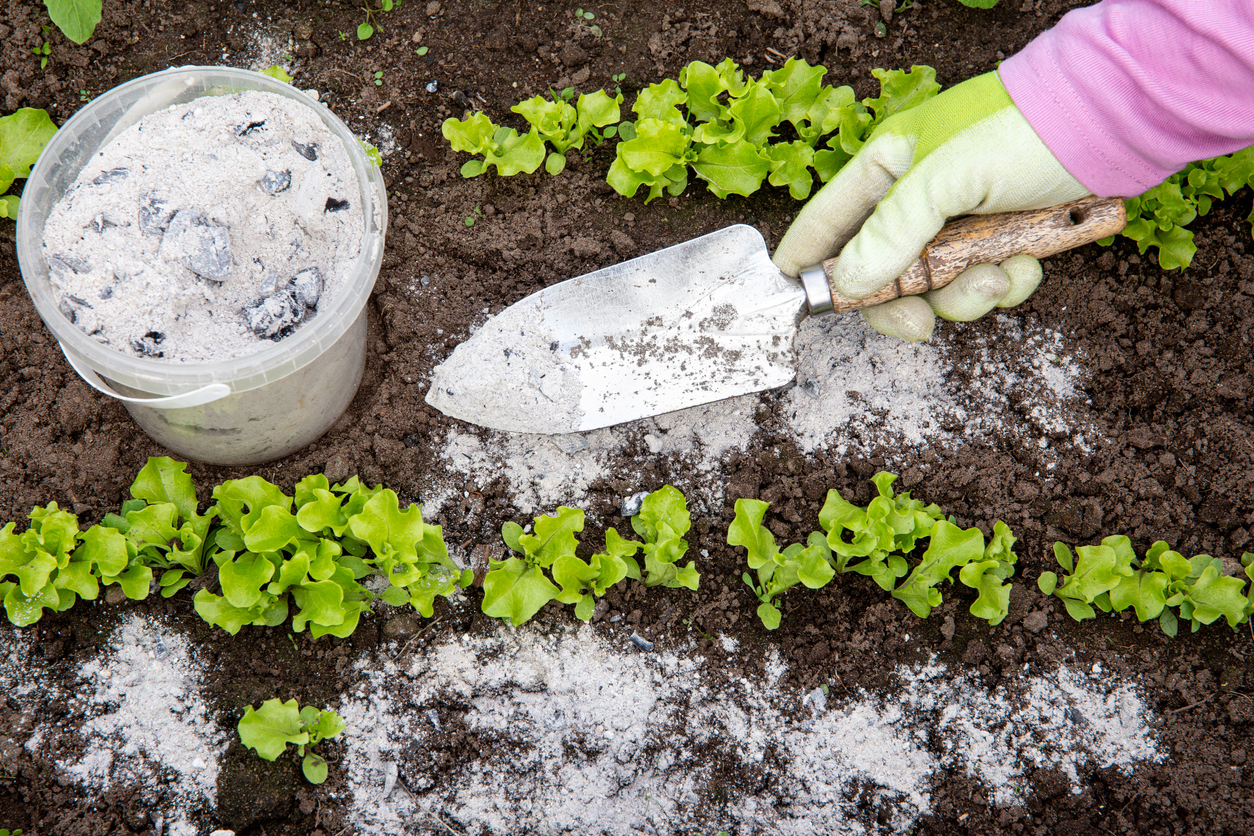
Wear gloves to protect your hands. Use a small shovel to scoop ash. Sprinkle ash lightly across the lawn. Aim for even distribution. Spread ash in a thin layer. Avoid creating piles of ash. Rake the lawn gently to mix the ash with soil. This helps ash reach roots. Always wash hands after handling ash.
Safety Precautions
Always wear gloves when handling wood ash. Ash can irritate your skin. It’s important to use a mask to avoid inhaling dust. Wood ash is alkaline. It can affect soil pH. Too much can harm plants. Keep ash dry before use. Wet ash can be messy. Store ash in a safe, dry place. Away from children and pets. Use a container with a lid. This prevents spills and accidents.
Monitoring Lawn Health
Keep an eye on the grass color. Green is good. Brown or yellow means trouble. Look for patches or holes. They show problems. Water the lawn regularly. Dry soil is not healthy. Check for weeds. They compete with grass. Remove them often. Feel the soil. Soft and moist is best. Hard soil needs help. Fertilize the lawn. It helps growth. Use the right amount. Too much burns the grass.
Watch for bugs. Some eat the grass. Others harm the roots. Find them early. Use safe treatments. Avoid harmful chemicals. Let the grass breathe. Aerate the soil. It helps roots grow strong. Trim the grass. Not too short. Keep it neat. A healthy lawn looks tidy.
Addressing Common Concerns
Some people worry about using wood ash. They think it might harm plants. But wood ash can be safe. It helps the soil in many ways. Wood ash provides nutrients like calcium. This is good for your lawn. It also helps keep away pests. But too much can be bad. Use it carefully. Spread only a thin layer. This will keep your lawn happy. Always check the soil first. Is it already alkaline? Then, avoid using ash. Keep it balanced for the best results.
Frequently Asked Questions
Can I Sprinkle Wood Ash On My Lawn?
Sprinkling wood ash on your lawn can enrich the soil with potassium and calcium. Use sparingly to avoid altering the pH too much. Ensure the ash is clean and free from contaminants. Test soil pH before application to prevent nutrient imbalances.
Wood ash is best suited for acidic soils.
Is It Good To Spread Ashes On Your Lawn?
Spreading ashes on your lawn can harm soil health due to high pH levels. Ashes may disrupt nutrient balance, affecting plant growth. Consider soil testing before application to avoid potential negative impacts. Explore alternatives like composting or using ashes in designated areas to maintain lawn vitality.
What Are The Disadvantages Of Wood Ash As Fertilizer?
Wood ash can raise soil pH excessively, harming plants. It may contain heavy metals and lacks nitrogen. Overuse can lead to nutrient imbalance and soil structure damage. It may also attract pests. Use cautiously and test soil regularly to prevent negative effects.
How Do I Add Ash To My Lawn?
Spread wood ash evenly across your lawn. Use a rake to lightly incorporate it into the soil. Ensure ash is dry to avoid clumping. Limit usage to prevent altering soil pH excessively. Test soil pH regularly to maintain balance and ensure optimal grass growth.
Conclusion
Spreading wood ash on your lawn can boost soil health. It adds essential nutrients, like potassium and calcium, to the ground. These nutrients enhance grass growth and strengthen roots. Always test your soil before adding wood ash. Too much ash can alter soil pH, affecting plant growth.
Apply ash lightly and evenly, using a spreader for best results. Avoid spreading ash on windy days to prevent uneven coverage. Remember to water your lawn after applying ash. This helps nutrients seep into the soil. A balanced approach ensures your lawn stays healthy and lush.