How to Stain a Wood Bookshelf: A Step-by-Step Guide
To stain a wood bookshelf, start by sanding the surface to prepare it. Apply your chosen stain evenly using a brush or cloth.
Staining a wood bookshelf can enhance its appearance and protect the wood. This simple DIY project transforms ordinary furniture into a stunning centerpiece. Whether you want a deep mahogany or a light oak finish, the right stain can elevate your space.
Preparing the bookshelf properly is crucial for a smooth application. Clean the surface to remove dust and grime, ensuring a flawless finish. Selecting the right tools also makes a difference; brushes, rags, or foam applicators each provide different effects. Follow these steps to achieve a beautiful, long-lasting stain that showcases the natural beauty of the wood.
Introduction To Wood Staining
Wood staining is a fun way to change the look of your bookshelf. It can make old wood look new and beautiful. Staining adds color and depth to the wood grain. A well-stained bookshelf can enhance your room’s style.
There are many benefits to staining your bookshelf. It protects the wood from moisture and damage. Staining can also prevent fading from sunlight. This keeps your bookshelf looking fresh for years.
Choosing the right stain is important. You can pick from many colors and finishes. A good stain brings out the wood’s natural beauty. This adds character to your bookshelf.

Choosing The Right Stain
Choosing the right stain is crucial for your wood bookshelf. Types of wood stains include oil-based, water-based, and gel stains. Each type offers different colors and finishes. Oil-based stains provide a deep, rich color. Water-based stains dry quickly and are easy to clean. Gel stains work well on vertical surfaces.
Matching the stain to your wood type enhances the natural beauty. For softwoods like pine, a lighter stain works best. On hardwoods like oak, darker stains can bring out unique grain patterns. Always test the stain on a small area first. This ensures you achieve the desired look.
Prepping The Bookshelf
Start by cleaning the surface of your bookshelf. Use a damp cloth to wipe away dust. Make sure the wood is dry before proceeding.
Next, grab some sandpaper. Use medium-grit sandpaper for rough areas. For smooth areas, switch to fine-grit sandpaper. Sand in the direction of the wood grain.
After sanding, remove all dust. A vacuum or a clean cloth works well. This step is crucial for a smooth finish.
Safety First
Using the right Personal Protective Equipment (PPE) is very important. Wear gloves to protect your hands. Safety goggles will keep your eyes safe from splashes. A mask can help you avoid breathing in harmful fumes.
Setting up your workspace is crucial for safety. Choose a well-ventilated area to work in. Open windows to let fresh air in. Use fans to keep air moving. Cover surfaces to protect them from stains. Keep all materials organized and within reach.
Applying The Stain
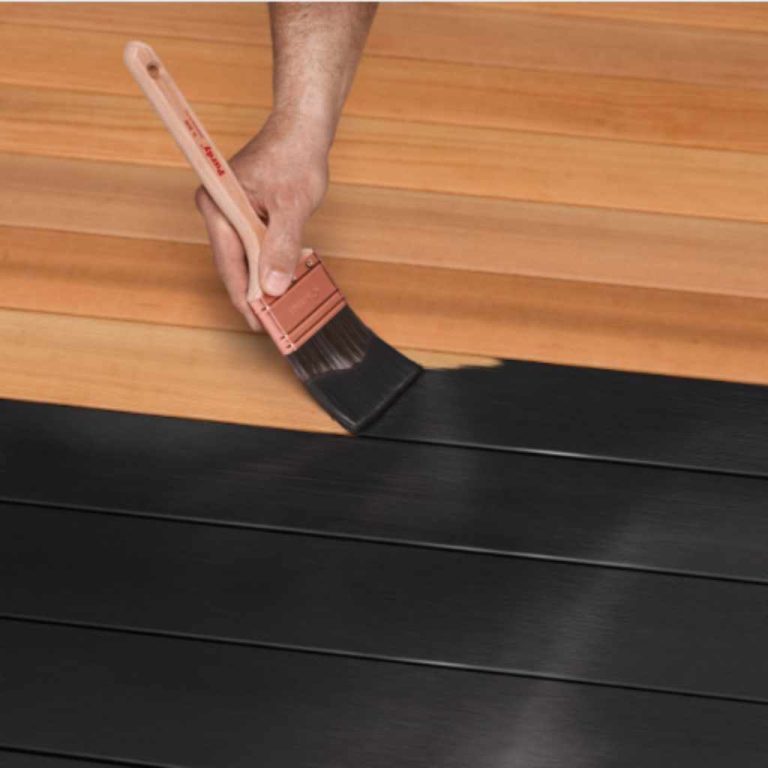
To achieve an even stain on your wood bookshelf, use a good brush or cloth. Start at one end and move smoothly across the surface. Apply light coats to avoid drips. Let each coat dry before adding another. This helps to keep the color even.
When reaching corners and edges, use a small brush. This allows for better control and precision. Carefully apply stain to these areas first. Then, blend it into the larger sections. This method keeps the finish uniform and neat.
Drying And Curing
Drying and curing a wood bookshelf is important for the best finish. Timing your project affects how the stain looks. Always check the temperature and humidity. These factors can change drying time significantly.
Here are some factors that affect drying time:
| Factor | Effect on Drying Time |
|---|---|
| Temperature | Warmer temperatures speed up drying. |
| Humidity | High humidity slows down the drying process. |
| Airflow | Good airflow helps the stain dry faster. |
| Type of Stain | Some stains take longer to dry than others. |
Adding The Finishing Touches
Choosing the right sealant is key for your bookshelf. Polyurethane is a great choice for durability. It protects against scratches and water damage. Apply it with a clean brush for smooth coverage.
Let the sealant dry completely. This usually takes about 24 hours. After drying, lightly sand the surface. Use fine-grit sandpaper for best results. This helps the top coat adhere better.
For the top coat, consider using a water-based finish. It dries quickly and has low odor. Apply it in thin layers for even coverage. Wait for each layer to dry before applying the next.
Once everything is dry, reassemble the bookshelf carefully. Place the shelves back in their positions. Make sure everything is stable and secure before using it.
Maintenance And Care
Regular cleaning keeps your wood bookshelf looking great. Use a soft, dry cloth to remove dust. For sticky spots, dampen the cloth with water. Avoid using strong chemicals or abrasive cleaners. Always test a cleaner on a small area first.
Scratches and wear can happen over time. Use a wood touch-up marker to fix small scratches. Match the marker color to your bookshelf. For deeper scratches, use wood filler. Apply it carefully and sand it smooth.
After repairs, consider applying a wood polish. This adds shine and protects the surface. Regular maintenance helps your bookshelf last longer.
Troubleshooting Common Issues
Streaks and blotches can ruin a beautiful wood bookshelf. To fix these problems, start by sanding the affected areas. Use fine-grit sandpaper for a smooth finish. Always sand in the direction of the wood grain.
After sanding, clean the dust off with a damp cloth. Allow it to dry completely before applying more stain. Test the stain on a scrap piece of wood first. This helps ensure an even color.
Apply the stain evenly with a brush or cloth. Work in small sections for the best results. If streaks appear, wipe excess stain off quickly.
For blotches, add a second coat of stain after the first dries. This can help even out the color. Remember to always follow the manufacturer’s instructions for the best outcome.

Frequently Asked Questions
How Do I Prepare Wood For Staining?
Preparing wood for staining involves cleaning and sanding the surface. Start by removing dust and debris with a damp cloth. Next, sand the wood using fine-grit sandpaper to create a smooth finish. This step ensures better absorption of the stain, resulting in a more even color.
What Type Of Stain Is Best For Bookshelves?
The best stain for bookshelves is oil-based or water-based. Oil-based stains provide a rich finish and durability. Water-based stains dry quickly and have low odor. Consider the wood type and desired color when choosing. Test the stain on a small area first for best results.
How Long Does Wood Stain Take To Dry?
Wood stain typically takes about 1 to 2 hours to dry. However, drying time can vary based on temperature and humidity. For optimal results, allow the stain to cure for 24 hours before applying a topcoat. Always check the manufacturer’s instructions for specific drying times.
Can I Use A Brush Or Cloth To Apply Stain?
Both brushes and cloths can be used to apply stain. Brushes allow for precise application in detailed areas. Cloths are great for larger surfaces and provide an even finish. Choose the method based on your comfort level and the bookshelf’s design features.
Conclusion
Staining a wood bookshelf can transform its look and enhance your space. With the right materials and techniques, you can achieve professional results at home. Remember to choose a stain that complements your decor. Enjoy the process, and take pride in your beautifully stained bookshelf that showcases your personal style.