How to Stop Cottonwood Trees from Producing Cotton: Effective Solutions
If you’re tired of your yard being covered in a fluffy white mess every spring, you’re not alone. Cottonwood trees, with their soft, cotton-like seeds, can be a real nuisance for homeowners.
They can clog gutters, create piles of fluff, and even trigger allergies. The good news is, there’s a way to stop this annual invasion. Imagine enjoying your outdoor space without the constant hassle of cleaning up after your cottonwood trees.
Sounds great, right? You’ll discover simple yet effective methods to prevent your cottonwood trees from producing cotton, giving you back the clean, peaceful yard you deserve. Stay with us, and let’s tackle this problem together!

Credit: www.reddit.com
Identifying Cottonwood Trees
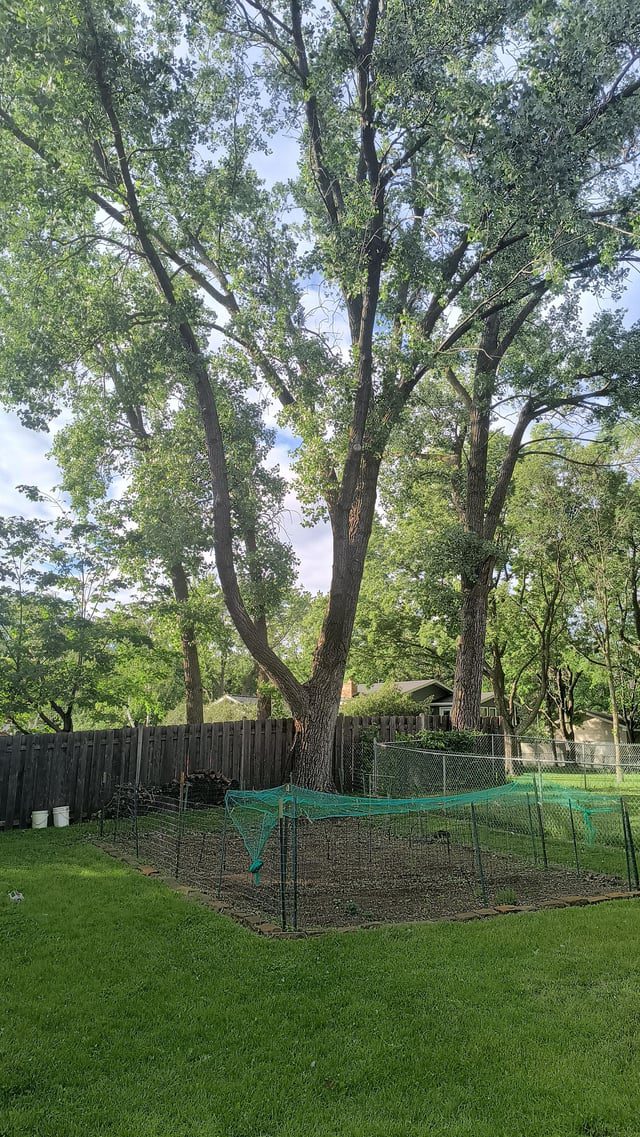
Cottonwood trees are tall with broad leaves. Their leaves shake in the wind. The bark is usually gray and rough. In spring, they produce fluffy cotton. This cotton carries their seeds. Their branches spread wide, creating ample shade. The tree trunk is often thick and sturdy. You can find cottonwood trees near water. They like wet soil.
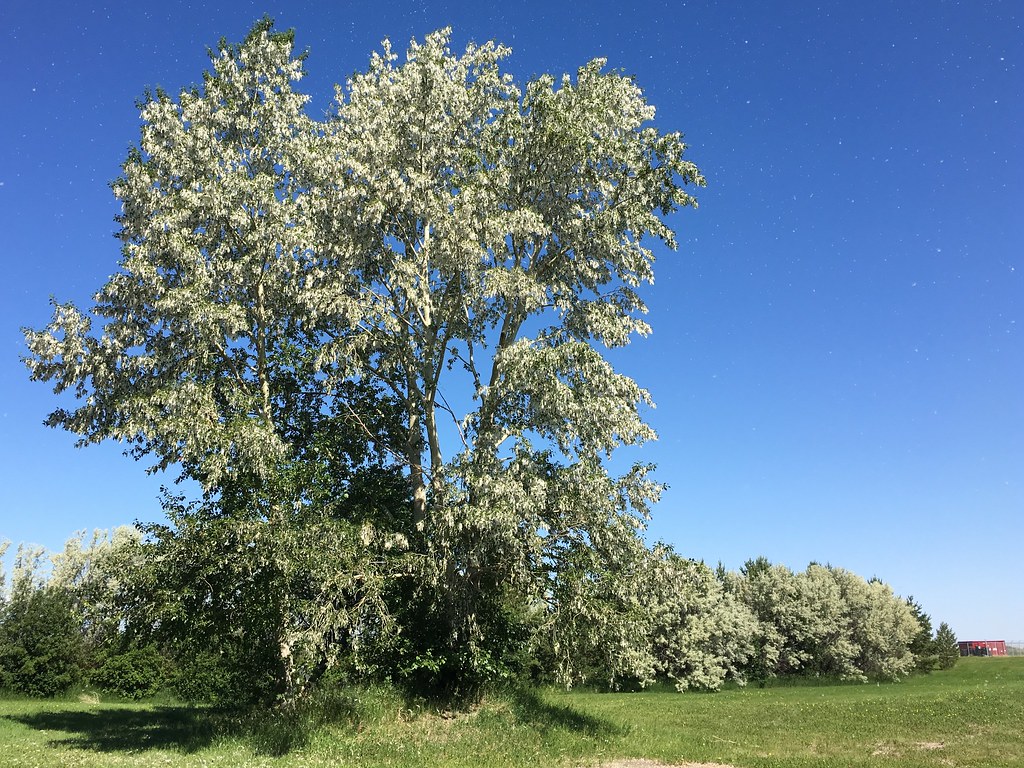
There are three main types of cottonwood trees. The Eastern Cottonwood is the tallest. It grows fast and reaches up to 100 feet. The Black Cottonwood has dark bark. It is common in the West. The Fremont Cottonwood is found in desert areas. It has shiny leaves. Each type produces cotton, which can be a nuisance. Understanding these types helps in managing them.

Credit: www.reddit.com
Understanding Cotton Production
Cottonwood trees make cotton in spring. Cotton comes from seeds. Male trees make pollen. Female trees make seeds. Wind carries the pollen. It reaches the female trees. Then, seeds grow. Cotton falls from the trees. People see cotton everywhere. Cotton flies in the air. It covers the ground. It can be a mess.
Cotton comes from female trees. They make fluffy seeds. Seed production starts in spring. Warm weather helps seeds grow. Water also helps. Male trees must be near. They send pollen to female trees. No pollen, no seeds. More water means more seeds. More pollen means more cotton. Healthy trees make more cotton. Healthy means more water and sunlight. Many cottonwood trees means more cotton everywhere.
Pruning Techniques
Pruningis best done in late winter. The tree rests during this time. It helps reduce stress on the tree. Cut branches before new growth starts. Use sharp tools. Healthy treesgrow better when pruned at the right time.
Proper tools make pruning easier. Use sharp pruning shearsfor small branches. For bigger branches, use a saw. Wear gloves to protect your hands. Clean tools after use. This keeps them working well. Quality toolshelp your tree stay healthy.
Chemical Treatments
Growth regulators can help manage cottonwood trees. These chemicals slow down tree growth. They also reduce cotton production. Popular options include paclobutrazol and flurprimidol. Each has its own benefits. Paclobutrazol works by shortening tree branches. Flurprimidol focuses on reducing flowers. Both can be effective choices.
Proper application is key. Use a spray or soil drench. Sprays cover leaves evenly. Soil drenches soak the roots. Both methods have their own advantages. Sprays are quick to apply. Soil drenches last longer. Always follow the instructions. Use the right amount of chemical. This ensures safety and effectiveness.
Alternative Solutions
Female cottonwood trees make the fluffy cotton. Removing these trees can stop cotton production. This method is effective. But it might be costly. Professional help may be needed. Safety is important when cutting large trees. Consider the space where the tree stands. Does the removal leave a big gap? Think about planting a new tree in its place.
Male cottonwood trees don’t make cotton. Choose male varieties when planting new trees. This is a simple way to keep spaces clean. Male trees are easier to manage. They help in reducing allergies. They are a good choice for gardens and yards. Always ask experts when buying new trees. They can help pick the right ones.
Credit: fieldingtreecare.com
Long-term Management Strategies
Keep an eye on your cottonwood trees. Check them regularly for signs of stress. Healthy trees produce less cotton. Water them properly and ensure they get enough nutrients. Prune them to remove dead branches. This helps the tree stay strong. A strong tree means less cotton. Monitor for pests or diseases. These can harm tree health.
Work with your neighbors to manage cottonwood trees. Form a community group to share resources. This makes it easier to care for trees. Plan tree maintenance days together. Hire a professional for big tasks. Educate the community on tree health. Healthy trees benefit everyone. You can also plant alternative trees. Choose species that produce less cotton. This helps reduce the problem over time.
Frequently Asked Questions
How Do You Get Rid Of Cottonwood Cotton?
Use a leaf blower to remove cottonwood fluff from your yard. Mow lawns frequently to prevent accumulation. Install netting or mesh screens to block cotton from entering spaces. Regular cleaning of gutters and air filters helps reduce buildup. Consider planting non-cotton producing trees for long-term solutions.
How Do I Get Rid Of Cottonwood Fluff In My Yard?
Rake or sweep cottonwood fluff regularly to keep your yard clean. Use a leaf blower for larger areas. Wet the fluff with a hose to prevent it from spreading. Consider installing a mesh screen to catch fluff. Maintain tree health to reduce fluff production.
How Long Do Cottonwood Trees Give Off Cotton?
Cottonwood trees release cotton for two to three weeks during late spring to early summer. This period varies depending on climate and location. The cotton carries seeds, aiding in reproduction. Keep areas clean by regularly removing fallen cotton to prevent accumulation.
How Do You Control Cottonwood Trees?
Prune cottonwood trees regularly to manage growth. Use herbicides to control suckers. Remove fallen debris promptly. Ensure proper irrigation and drainage. Plant non-invasive species nearby to limit spread.
Conclusion
Stopping cottonwood trees from producing cotton is achievable. Start by understanding tree growth patterns. Prune branches during dormant seasons. This can reduce cotton production. Consider chemical treatments for larger areas. They inhibit cotton formation effectively. Remember to consult experts for safe application.
Regular maintenance keeps trees healthy and manageable. Consistent monitoring prevents overgrowth issues. Enjoy cleaner surroundings without cotton fluff. Take action now for a cotton-free landscape. Simple steps lead to impressive results. Embrace a tidier outdoor space today.