Why Is Wood Brown? Lignin, Tannins & Color Science Explained
Wood is brown because lignin and tannins in its cell walls absorb blue and violet light while reflecting the longer wavelengths the eye reads as brown – the same compounds also make heartwood darker than the sapwood around it. Not all brown wood is healthy, though: brown rot fungus turns wood a similar reddish-brown while destroying its strength. This guide covers the real chemistry behind wood color, why species and heartwood differ, and how to tell natural color from decay.
The Chemistry Behind Wood’s Brown Color
Lignin is the complex organic polymer that binds wood’s cellulose fibers together and gives wood its rigidity. It absorbs light strongly in the blue and violet range and reflects the longer wavelengths the human eye perceives as brown – the same basic light-absorption principle that makes chlorophyll read as green. Wood science research generally links higher lignin and extractive content to darker, richer color, though the exact shade in any given board also depends on tannins, resins, and other extractives layered on top of lignin’s base color.
Tannins are polyphenolic compounds wood produces as a natural defense against insects and decay, and they are the main reason oak, walnut, and chestnut read as warmer or darker brown than their raw lignin content alone would suggest. Tannins are also chemically reactive: when they contact iron, the reaction produces a blue-black compound almost instantly. Woodworkers use this deliberately – soaking steel wool in vinegar for a day or two and wiping the solution onto tannin-rich wood species like oak or walnut creates a true black stain with no pigment at all, a technique called ebonizing.
📊 Tannin-iron reactions and their effect on wood color are documented in peer-reviewed wood science research – Source: BioResources Journal, NC State University
Heartwood vs. Sapwood: Why One Tree Has Two Colors
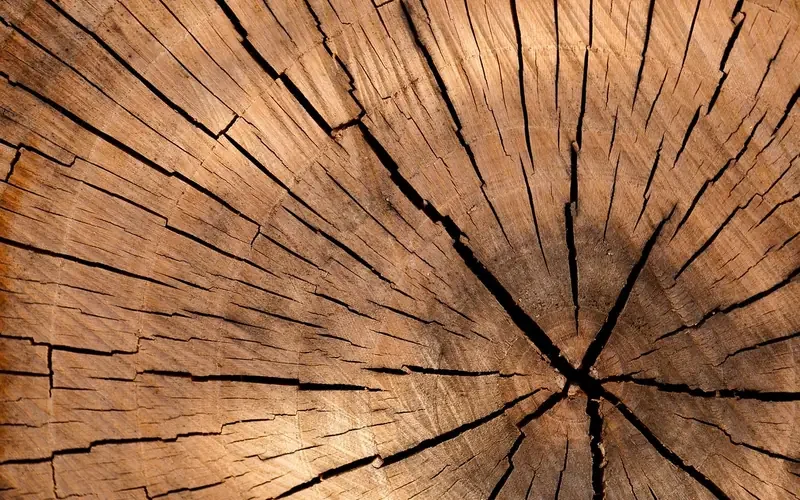
Cut into almost any log and you will see two distinct zones: a lighter outer ring called sapwood, which is still actively transporting water and nutrients, and a darker inner core called heartwood, made of dead cells the tree has filled with tannins, resins, and other extractives as a form of internal preservation. Those stored extractives are what make heartwood noticeably browner than the sapwood surrounding it – walnut heartwood can be a deep chocolate brown while its own sapwood stays pale cream, even though both come from the same tree and the same lignin chemistry.
| Zone | Typical Color | Why |
|---|---|---|
| Sapwood | Pale cream to light tan | Living cells, low extractive buildup |
| Heartwood | Medium to dark brown | Dead cells filled with tannins, resins & extractives |
Does Brown Wood Color Vary by Species?
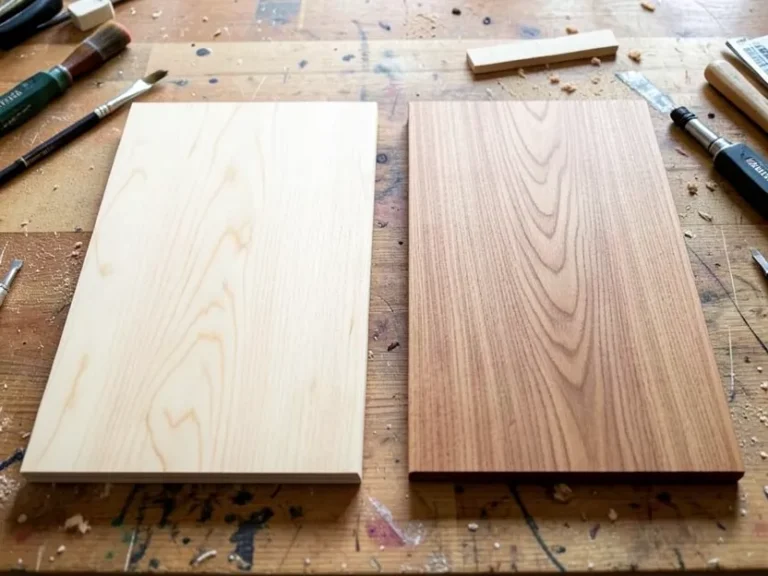
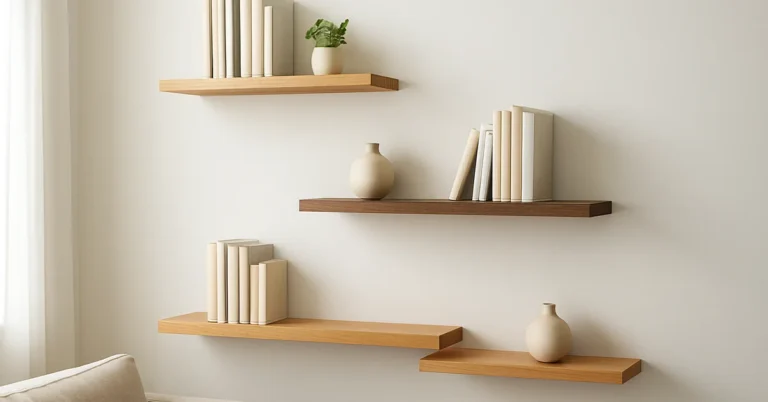
Yes – species is the single biggest factor in how brown a piece of wood looks, because different trees produce different amounts and types of tannins, resins, and lignin. Maple and pine sit at the pale end because they carry relatively few dark extractives, while walnut and rosewood sit at the dark end because their heartwood is extractive-rich.
| Species | Typical Heartwood Color | Relative Extractive Content |
|---|---|---|
| Walnut | Dark chocolate brown | High |
| Red Oak | Medium reddish-brown | Medium-high |
| Cherry | Reddish-brown, darkens with age | Medium |
| Maple | Pale tan to light brown | Low |
| Pine | Pale yellow-brown | Low |
Want to Change or Enhance Wood’s Natural Color?
If the wood you’re working with is naturally too light, too uneven, or just not the shade you want, a wood dye works faster and penetrates deeper than most pigmented stains – see our breakdown of dye vs. stain for wood for how the two compare. Aniline dye powders mix with water or alcohol and soak into the fibers themselves rather than sitting on the surface, so they won’t hide the grain the way a thick pigmented stain can.
Best Wood Dye Kit Pick
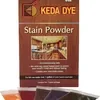 |
Keda Dye Aniline Wood Dye 5-Color Kit – $21.50 Powder dyes you mix yourself to make over a gallon of liquid wood dye – useful for correcting the uneven sapwood/heartwood color contrast covered above or matching a species’ natural tone.
|
How Sunlight, Age, and Moisture Change Wood’s Color Over Time
Wood left outdoors and wood aging indoors turn different colors for different reasons. Outdoors, UV light breaks down surface lignin (a process called photodegradation), and rain washes the broken-down particles away – that’s why an unfinished deck or fence turns silvery-gray rather than brown within a year or two. Indoors, out of direct UV, wood lacks that washing effect; it instead ambers and darkens slowly through oxidation, which is why old furniture and flooring typically look richer and browner with age, not grayer.
A clear finish with UV inhibitors slows both processes; it won’t stop oxidation entirely, but it blocks most of the UV that drives outdoor graying and fading.
Is Brown Always a Sign of Healthy Wood? (Brown Rot vs. Natural Color)
Not necessarily. Brown rot is a type of fungal decay that leaves wood a reddish-brown color that can look deceptively similar to natural heartwood at a glance. According to wood-decay research from Georgia Tech’s materials science program, brown rot fungi consume the wood’s cellulose and hemicellulose but leave the lignin behind in an oxidized, chemically altered state – which is what produces the brown color, not natural pigmentation. Unlike naturally brown heartwood, wood affected by brown rot is structurally compromised: it typically cracks into small rectangular (cubical) chunks and crumbles under light pressure.
- Cubical cracking: the wood splits into small brick-like blocks rather than long splinters
- Crumbles or presses in easily: push an awl or screwdriver into the suspect area – sound wood resists, decayed wood gives way
- Dry, powdery texture: advanced brown rot flakes apart into a dry, brownish powder once fully decayed
If you find any of these signs on structural lumber, don’t just re-color and reuse it – see our guide on repairing wood rot with epoxy for when a section can be saved versus when it needs to be replaced entirely.
Frequently Asked Questions
Why is wood brown in color?
Wood is brown primarily because lignin and tannins in its cell walls absorb blue and violet light and reflect the longer wavelengths the eye reads as brown. Different species carry different amounts of these compounds, which is why color ranges from pale tan pine to near-black rosewood.
Does wood change color over time?
Yes, but the direction depends on exposure. Wood left outdoors under UV light typically fades and turns silvery-gray as surface lignin breaks down and washes away. Wood kept indoors, out of direct UV, usually ambers and darkens over years through slow oxidation instead.
Can wood be dyed to change its color?
Yes. Aniline dye powders mixed with water or alcohol penetrate the wood fibers rather than sitting on the surface, so they can deepen or shift color without hiding the grain the way a thick pigmented stain can. Always test on scrap wood first, since dye color often looks different once a topcoat is applied.
What factors influence wood’s brown color?
Species is the biggest factor, since different trees produce different amounts of lignin, tannins, and resins. Beyond species, whether you’re looking at heartwood or sapwood, age, sun exposure, and moisture all shift the final shade over time.
Why does some wood turn black instead of brown?
Tannin-rich wood like oak or walnut turns black when it reacts with iron – the reaction happens almost instantly and is strong enough that woodworkers use it deliberately as an ebonizing technique, soaking steel wool in vinegar and wiping the solution onto the wood to create a true black stain with no pigment involved.
Conclusion
Wood is brown because lignin and tannins absorb light and reflect back the wavelengths we see as brown – and heartwood, species, age, and sun exposure all layer on top of that base chemistry to produce everything from pale pine to near-black ebony. The one exception worth remembering: not every brown board got that color naturally. If wood looks brown but cracks into small blocks or crumbles under light pressure, check it for brown rot before you build with it.
Sponsored / affiliate links. As an Amazon Associate I earn from qualifying purchases. I may earn additional commission from eligible campaigns.