How to Stop MDF Smelling: Effective Solutions
Have you ever walked into a room and been greeted by the unpleasant smell of MDF? If so, you’re not alone.
Many people find themselves struggling with the strong, chemical odor that MDF can emit. It’s not just annoying—it can also be concerning for your health. You want your home to be a sanctuary, a place where you can relax and breathe easily.
But that smell can turn your space into something far less inviting. The good news is, there are effective ways to tackle this problem and restore freshness to your environment. By understanding why MDF smells and learning some practical tips to eliminate it, you can finally enjoy a home free from unpleasant odors. Keep reading to discover how you can take control and say goodbye to MDF smell for good.
Identifying The Source
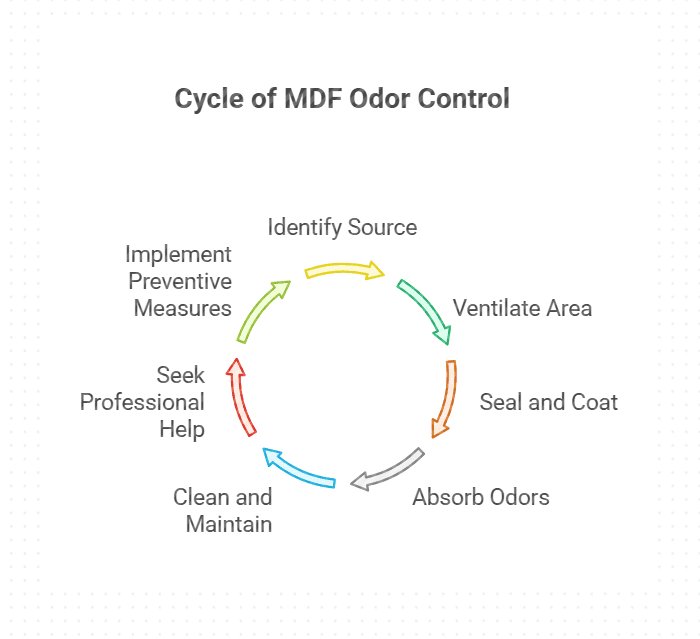
MDF, or Medium-Density Fiberboard, often has a strong smell. This smell comes from formaldehyde used in the glue. Formaldehyde is a chemical. It helps hold the fibers together. Sometimes, moisture can cause MDF to smell bad. Wet MDF might grow mold. Mold makes a musty smell. Heat can also make MDF smell. Heat releases the smell faster. Keeping MDF dry can help reduce the odor.
Breathing in MDF smell might not be safe. It can cause headaches. Some people might feel dizzy. Others might get a sore throat. Long exposure can be harmful. Always use ventilation when around MDF. Fresh air helps reduce the smell. Keep windows open when working with MDF. This helps keep the air clean.
Ventilation Techniques
Open windows and doors to let fresh air in. This helps remove bad smells. Plants also help. They clean the air. Place plants near MDF items. They absorb odors. Choose plants like lavender or bamboo palm. They work well.
Exhaust fans are useful in getting rid of smells. Install fans in kitchens and bathrooms. These places often have MDF. Turn on the fan when you smell something bad. Fans pull out dirty air and bring in fresh air. Make sure the fan is clean. Clean fans work better.
Sealing And Coating
MDF can smell bad. Sealants help reduce the smell. Polyurethane is a popular choice. It dries fast and is strong. Shellac is another option. It gives a smooth finish. Lacquer is also used. It is durable and shiny. Epoxy is great too. It is waterproof and tough. Each sealant has its benefits. Choose one based on your need. Always read instructions on the sealant. Follow them for best results.
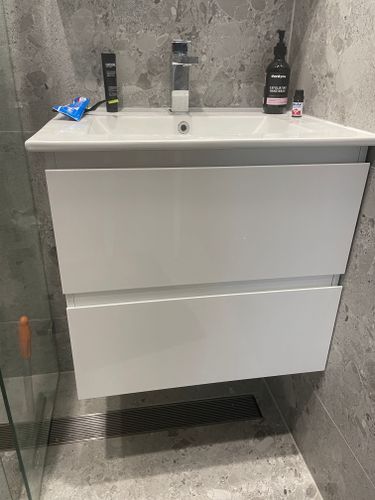
Start by cleaning the MDF. Dust and dirt can ruin the finish. Apply a primer first. Primer helps sealant stick better. Let the primer dry fully. Next, apply the sealant. Use a brush or roller for even coat. Thin layers work best. Let each layer dry before adding more. Sand between layers for smoothness. Check for any missed spots. Seal edges too. They absorb moisture easily. Let the final coat dry completely. This ensures the smell is gone. A good sealant can make MDF last longer.
Credit: www.workshop.bunnings.com.au
Odor Absorbing Methods
Charcoal is great for soaking up bad smells. Place it in bowls around the room. It helps keep the air fresh. Baking soda works too. Sprinkle it on the surface. Let it sit for a few hours. Then, vacuum it up. Both are cheap and easy options. They are safe for everyone.
Essential oils smell wonderful. They can mask bad odors fast. Add a few drops to a diffuser. The room will smell nice and clean. Some oils also kill germs. Lavender and lemon are popular choices. They are natural and safe to use. A small bottle lasts a long time.
Cleaning And Maintenance
Regular dusting keeps MDF fresh. Use a soft cloth or duster. Dusting removes dirt and grime. Wiping with a damp cloth is good. Avoid too much water. Water can damage MDF. Dry the surface after wiping. Clean weekly for best results.
Choose gentle cleaning products. Avoid harsh chemicals. Chemicals can harm MDF. Use mild soap and water. Test on a small area first. Ensure no damage occurs. Vinegar and water mix works well. It’s safe for MDF. Always rinse with clean water. Dry thoroughly to prevent damage.
Credit: bethscountryprimitivehomedecor.com
Professional Solutions
Strong smells from MDF can be a problem. Bad smells can mean trouble. If the smell is too strong or won’t go away, it’s time to get help. Professionals know how to fix this.
Experts can check the source of the smell. They use special tools to find the problem. If the MDF is damaged, they can replace it. This keeps your home safe and fresh.
Experts offer many helpful services. They can clean and sanitize MDF. This helps to reduce smells. They also provide maintenance tips. This helps keep smells away in the future.
Professionals can also seal MDF. This stops smells from getting out. Sealing keeps your home smelling nice and clean. Experts make sure your home is fresh and healthy.
Preventive Measures
Store MDF boards in cool and dry places. Avoid areas with high moisture. This prevents smells. Use plastic covers to protect MDF. Keep boards off the ground. Place them on wooden pallets. Ensure good air circulation around the boards. This helps reduce odor.
Keep humidity levels below 50%. Use a dehumidifier for better results. Check humidity with a hygrometer. It should be part of your storage routine. Open windows to let fresh air in. This helps reduce dampness. A fan can help air move around. This keeps the room dry.
Frequently Asked Questions
How To Get The Smell Out Of Mdf?
To eliminate MDF smell, use vinegar or baking soda to absorb odors. Ensure good ventilation and sunlight exposure. Clean surfaces with mild detergent and water. Consider air purifiers or essential oils for added freshness. Regularly inspect for moisture to prevent odors from returning.
How To Stop Mdf Off-gassing?
Seal MDF surfaces with a non-toxic sealant to reduce off-gassing. Ensure proper ventilation in the area. Use air purifiers with activated carbon filters to capture VOCs. Opt for low-VOC MDF products when purchasing. Regularly airing out the space also helps in minimizing off-gassing effects.
How Long Does Mdf Take To Stop Smelling?
MDF typically stops smelling within a few days to a week. Ventilation speeds up the process. Keep windows open and use fans for faster odor removal. If the smell persists, consider using air purifiers or deodorizing products. Regular cleaning also helps eliminate lingering odors efficiently.
Why Does Mdf Furniture Smell?
MDF furniture smells due to the release of formaldehyde and other chemicals used in its production. These emissions can cause a distinct odor, especially in new pieces. Proper ventilation helps reduce the smell over time, making the furniture more pleasant to use indoors.
Conclusion
Tackling MDF smells doesn’t have to be complicated. Simple steps can help. Ventilation is key. Use fans or open windows to clear the air. Seal MDF surfaces to lock in odors. Baking soda works wonders to absorb smells. Vinegar can also neutralize odors effectively.
Regular cleaning keeps surfaces fresh. Choose low-odor MDF for future projects. These tips ensure a pleasant indoor environment. No more MDF odors disrupting your space. Enjoy a fresher home with these easy solutions.