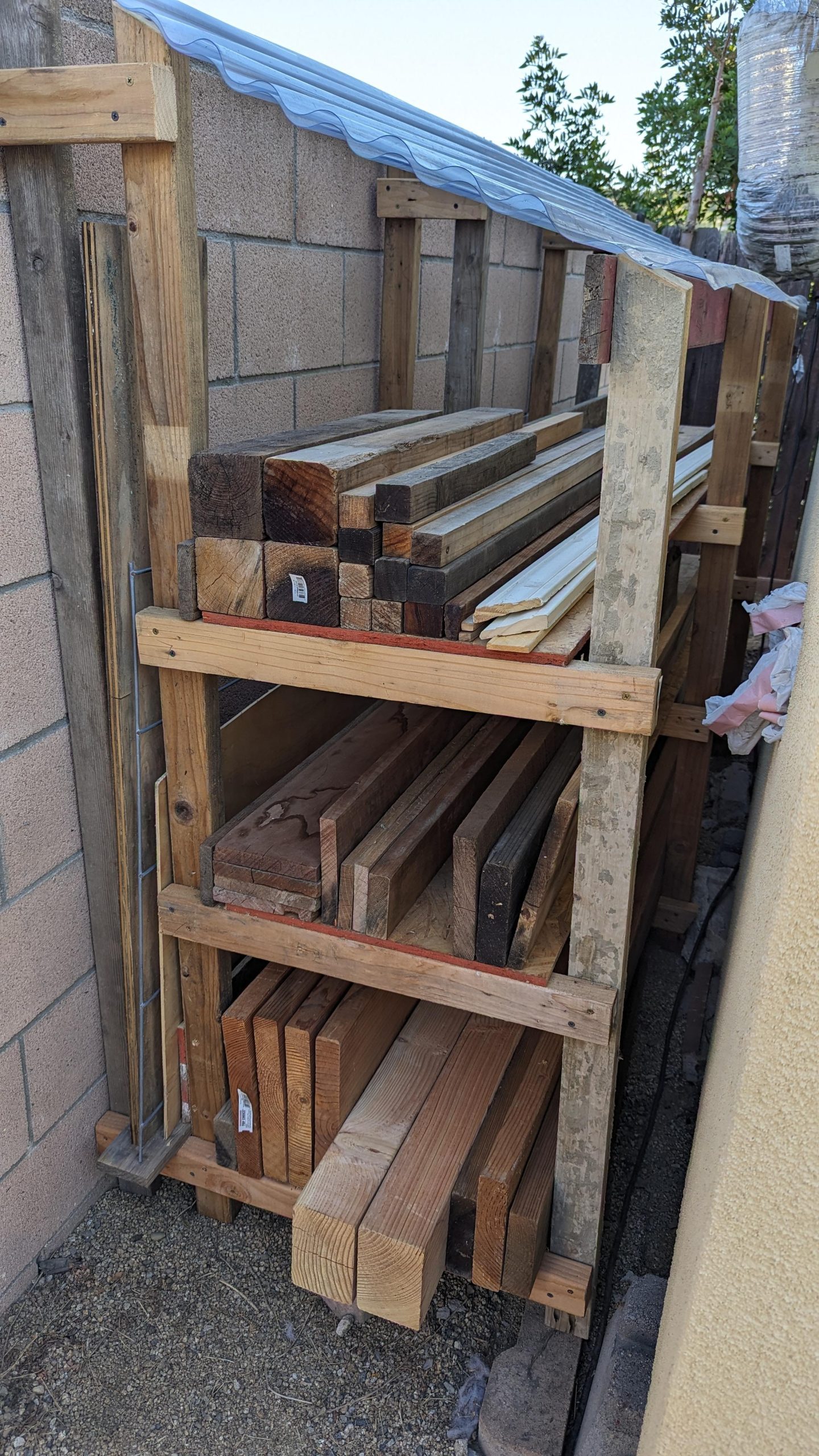
How to Store Lumber Outdoors: Top Tips for Maximum Durability
Storing lumber outdoors can be tricky. Proper techniques prevent damage and ensure longevity.
Lumber is an essential material for various projects. Yet, outdoor storage poses unique challenges. Moisture, pests, and the elements can wreak havoc on your wood. Understanding the right methods is crucial. This guide will help you protect your lumber from the elements.
Learn how to stack, cover, and maintain it. Say goodbye to warping, rotting, and other issues. Whether you’re a DIY enthusiast or a professional, these tips are invaluable. Let’s dive into the best practices for outdoor lumber storage.
Choosing The Right Lumber
Pressure-treated lumber is the best for outdoor use. It resists rot and insects. This type lasts longer. Untreated lumber is cheaper. But it needs more care. It can rot fast if left in the rain.
Pressure-treated wood is good for decks and fences. It can last for years. Untreated wood is good for short-term projects. But it may need replacement soon.

Credit: northcastlehw.com
Preparing The Storage Area
Ensure the storage area is clean and dry. Elevate the lumber using pallets or planks to prevent ground moisture. Cover with a tarp for protection from rain.
Location Selection
Pick a dry, elevated spot. Avoid low areas where water collects. Water can rot the wood. Sunlight is also important. A sunny spot helps keep lumber dry. Make sure the area has good airflow. Good airflow prevents mold. Consider a location close to your workspace. This makes it easier to move the wood.
Ground Preparation
Clear the area of debris and plants. Debris can block airflow and trap moisture. Level the ground to ensure stability. Use gravel or concrete blocks. These materials keep the wood off the soil. This prevents moisture damage. Lay down a plastic sheet. This acts as a barrier against moisture. Arrange blocks or pallets on top of the sheet. This setup keeps the lumber dry and stable.
Elevation Techniques
Storing lumber outdoors requires careful elevation to prevent damage. Use sturdy pallets or bricks to keep wood off the ground. This helps avoid moisture and rot.
Using Pallets
Pallets keep lumber off the ground. This prevents moisture damage. Place pallets on a flat surface. Stack lumber on top. Leave gaps between the boards. This allows air to flow. Pallets are easy to find. They are often free. They are simple to use.
Building A Raised Platform
A raised platform protects lumber. Build it using sturdy materials. Ensure it is level. This avoids warping. Lumber stays dry. You can use concrete blocks. Place wood beams on top. This creates a strong base. Platforms can be any size. Choose what fits your space best.
Covering The Lumber
Protect lumber stored outdoors from moisture by covering it with a waterproof tarp. Place the tarp at an angle to ensure water drains off easily. Ensure good air circulation to prevent mold growth.
Waterproof Tarps
Use waterproof tarps to cover lumber. They keep the wood dry. This stops water from soaking into the wood. Wet wood can rot or warp. Make sure the tarp covers all sides. Secure the tarp with ropes or bungee cords. This keeps it in place during windy days. Check the tarp often. Fix any tears or holes quickly.
Proper Ventilation
Good air flow is very important. Proper ventilation keeps lumber dry. Place wood on raised supports. This keeps it off the ground. Leave space between wood pieces. Air can move through these gaps. Do not cover the wood too tightly. This can trap moisture. Check the lumber regularly for signs of moisture.
Stacking Methods
Storing lumber outdoors requires proper stacking methods. Elevate the wood off the ground and use spacers to allow air circulation. Cover the top with a tarp, leaving sides open.
Horizontal Stacking
Horizontal stacking is a great way to store lumber. It keeps the wood flat and straight. Use spacers between each layer. This helps air flow and prevents moisture. Make sure the ground is level. Use a tarp to cover the top. This will protect the wood from rain. Do not cover the sides. Air needs to move around the wood.
Vertical Stacking
Vertical stacking saves space. It is good for small areas. Lean the lumber against a wall or fence. Use a solid base to prevent the wood from touching the ground. This keeps it dry. Place spacers between each piece. This helps air flow. Cover the top with a tarp. Leave the sides open for air circulation.

Credit: www.pinterest.com
Protection From Elements
Lumber needs protection from the sun. Too much sunlight can dry it out. This can make the wood crack. Use a tarp to cover the lumber. Make sure the tarp does not touch the wood. Air needs to flow around it. This keeps the wood safe and strong.
Rain and snow can damage lumber. Wet wood can rot or grow mold. Cover the wood with a waterproof tarp. Raise the wood off the ground. Use bricks or wood blocks. This keeps the lumber dry and safe. Check the tarp often. Fix any tears or holes quickly.
Regular Maintenance
Check your lumber for cracks and splits often. Small cracks can get bigger over time. Fix them early to save your wood. Use a flashlight to see better. Look at the edges and corners.
Keep your lumber dry to stop rot. Use a cover when it rains. Raise the wood off the ground. This keeps bugs away too. Check for pests like ants or termites often. Spray if you see any bugs. This keeps your wood safe.

Credit: woodworking.stackexchange.com
Seasonal Considerations
Protect lumber from weather changes by using tarps or covers. Elevate it off the ground to prevent moisture damage. Ensure good air circulation to avoid mold and rot.
Winter Storage Tips
Cover lumber with a tarp. This keeps it dry. Raise lumber off the ground with pallets. Air can flow under the lumber. This prevents rot and mold. Stack lumber with spacers between each board. This allows air to circulate. Prevents warping and cracking. Check the tarp often. Make sure it is secure. Snow and ice can damage lumber. Brush it off as needed.
Summer Storage Tips
Store lumber in a shady area. Sunlight can warp and crack wood. Use a tarp to cover it. Prevents rain damage. Ensure the tarp is not too tight. Lumber needs to breathe. Stack lumber on pallets. Keep it off the ground. Allows air flow and prevents rot. Use spacers between boards. Stops warping and keeps wood straight.
Frequently Asked Questions
How To Protect Lumber From Rain?
To protect lumber from rain, elevate it off the ground and cover it with a waterproof tarp. Ensure airflow by leaving space between the tarp and the lumber. This prevents moisture buildup and wood rot.
What Is The Best Way To Store Lumber?
Store lumber outdoors by stacking it on a raised platform, covering it with a tarp, and ensuring good airflow. This method keeps it dry and prevents warping and rot.
How To Prevent Wood From Warping?
Prevent wood from warping by stacking it with stickers between layers. Cover it with a tarp, and store it on a raised platform. Ensure proper airflow around the lumber.
Can You Store Lumber Directly On The Ground?
Storing lumber directly on the ground is not recommended. It absorbs moisture from the soil, leading to rot and decay. Always elevate lumber on a raised platform.
Conclusion
Storing lumber outdoors requires careful planning and proper techniques. Keep lumber dry and elevated. Use a tarp or cover to shield it from rain. Ensure good airflow to prevent mold and decay. Regularly check for pests and damage. With these steps, your lumber will stay in great condition.
Protect your investment and enjoy quality wood for your projects. Happy building!