Can You Roll on Polycrylic? Yes, With One Technique Most People Skip
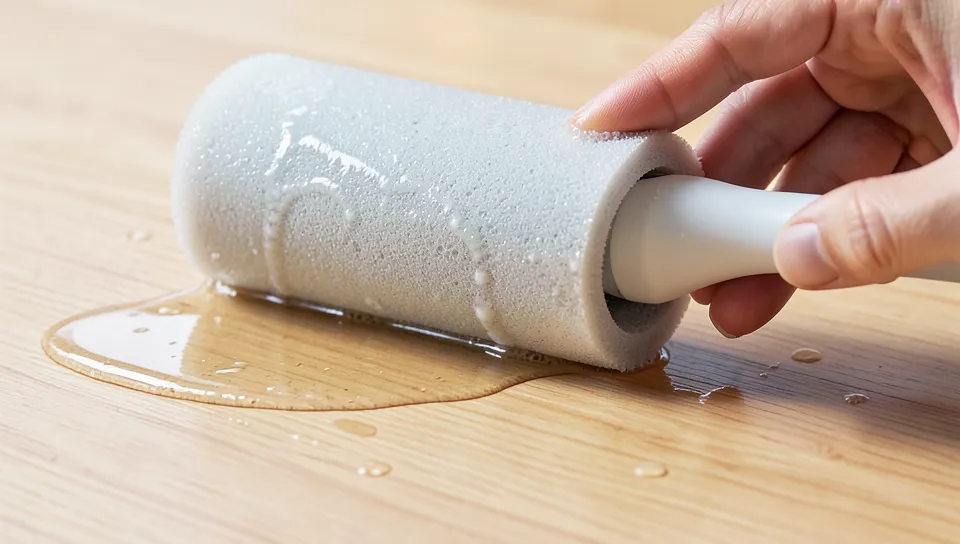
Yes, you can roll on polycrylic, and it’s a genuinely good method for large flat surfaces like floors and tabletops. The problem most people run into isn’t whether rolling works — it’s that a roller alone tends to leave a field of tiny bubbles in the dried finish, because polycrylic is water-based and dries fast enough to trap the air a roller naturally introduces. There’s a simple fix most tutorials skip entirely.
Here’s how to roll it on so it actually comes out smooth.
Use a Foam Roller, Not a Nap Roller
Best Polycrylic for Rolling
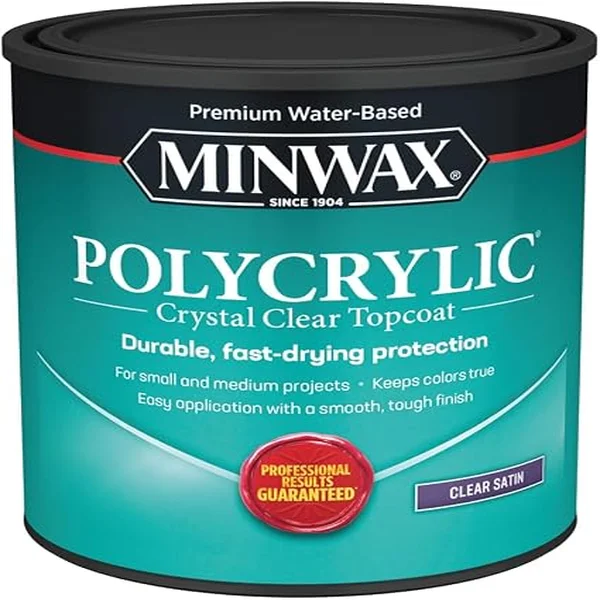 |
Minwax Polycrylic Protective Finish (Satin, Quart) – $22.79 A water-based finish that rolls on cleanly with a foam roller and dries fast enough to get a second coat on the same day.
|
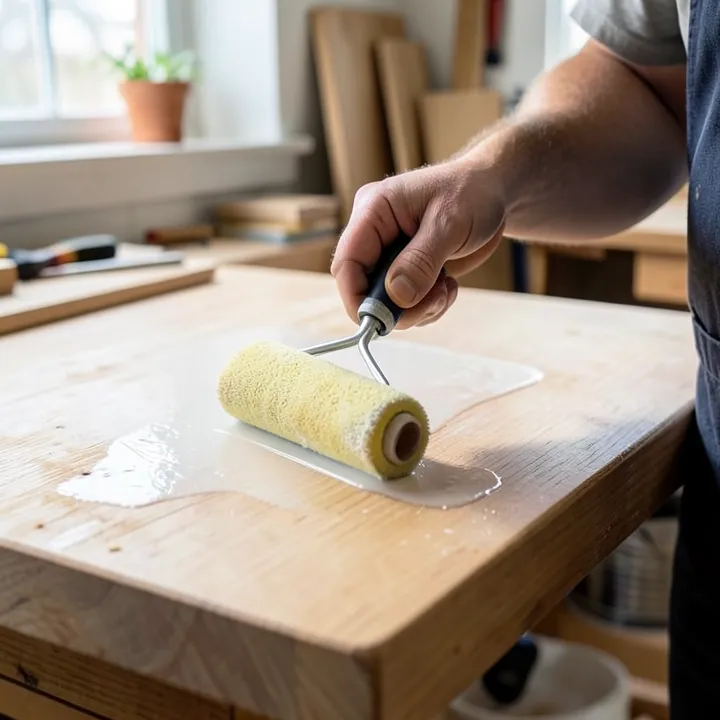
The roller most people have on hand is a fabric nap roller made for wall paint, and it’s the wrong tool here — the fabric nap can shed lint and leaves a stippled texture that’s fine for a wall but visible on a clear wood finish. A thin, dense foam roller (sold as a “foam finishing roller,” typically in the 4-6 inch width) applies a smoother, more even coat and doesn’t shed fibers into the finish.
The Step That Actually Prevents Bubbles: Tipping Off
A foam roller still introduces small air bubbles as it releases the finish onto the surface. Because polycrylic is water-based, it starts skinning over faster than an oil-based finish, so those bubbles don’t always have time to pop and level out on their own before it sets — leaving a slightly cloudy, textured surface once dry.
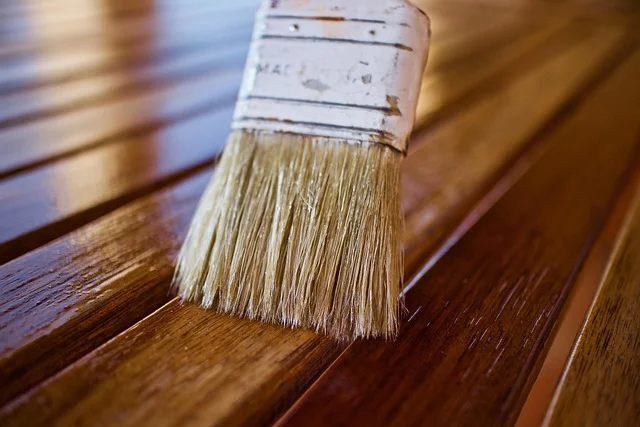
The fix is called tipping off: immediately after rolling a section, lightly drag a good-quality foam or natural-bristle brush across the wet surface in one direction, barely touching it, just enough to pop the bubbles and level the finish. Don’t go back over it once it starts to set — tip off each section right after rolling it, then move to the next section.
- Stir (don’t shake) the polycrylic to avoid introducing more air before you even start.
- Load the foam roller lightly and roll a thin, even coat over a manageable section.
- Immediately tip off that section with a brush, using light, single-direction strokes.
- Move to the next section and repeat, working with a wet edge so sections blend rather than showing lap marks.
- Let dry per the label (often 2-3 hours for a light coat), then lightly sand with 220-grit before the next coat if the surface feels at all rough.
When Rolling Is the Right Call vs. When to Brush Instead
- Roll: large flat horizontal surfaces — floors, tabletops, wide flat panels. This is where rolling saves real time over brushing and, with tipping off, produces an equally smooth result.
- Brush instead: vertical surfaces, edges, corners, and detailed pieces like furniture with turned legs or trim profiles. A roller drips more on vertical surfaces than a brush does, and it can’t get into tight corners or profiled edges evenly — those areas still need a brush regardless of how the main surface was coated.
Common Rolling Mistakes
- Overloading the roller. Too much finish on the roller causes drips and an uneven, thick coat that’s more likely to show bubbles even after tipping off.
- Rolling too large an area before tipping off. By the time you get back to the start of a large section, the finish may have already started to skin, and tipping off at that point disturbs it instead of smoothing it. Work in smaller sections.
- Skipping stirring and shaking the can instead. Shaking introduces bubbles into the product itself before you’ve even applied it. Stir gently instead.
Frequently Asked Questions
Will rolling polycrylic leave brush marks or texture?
A foam roller alone can leave small bubbles rather than brush marks, since it’s a water-based finish that dries fast. Tipping off each section with a brush immediately after rolling removes the bubbles and leaves a smooth, level surface without visible roller texture.
What kind of roller is best for polycrylic?
A thin, dense foam finishing roller, not a fabric nap roller made for wall paint. Foam rollers apply a smoother, more even coat and don’t shed lint into the clear finish the way a nap roller can.
Can you roll polycrylic on furniture with detailed trim?
Rolling works well on large flat surfaces, but detailed trim, turned legs, and tight corners are better brushed by hand. A roller can’t reach into profiled edges evenly and tends to drip more on vertical or angled surfaces.
Sponsored / affiliate links. As an Amazon Associate I earn from qualifying purchases. I may earn additional commission from eligible campaigns.