Is Applewood From an Apple Tree? Yes – Here Is What It Is Used For
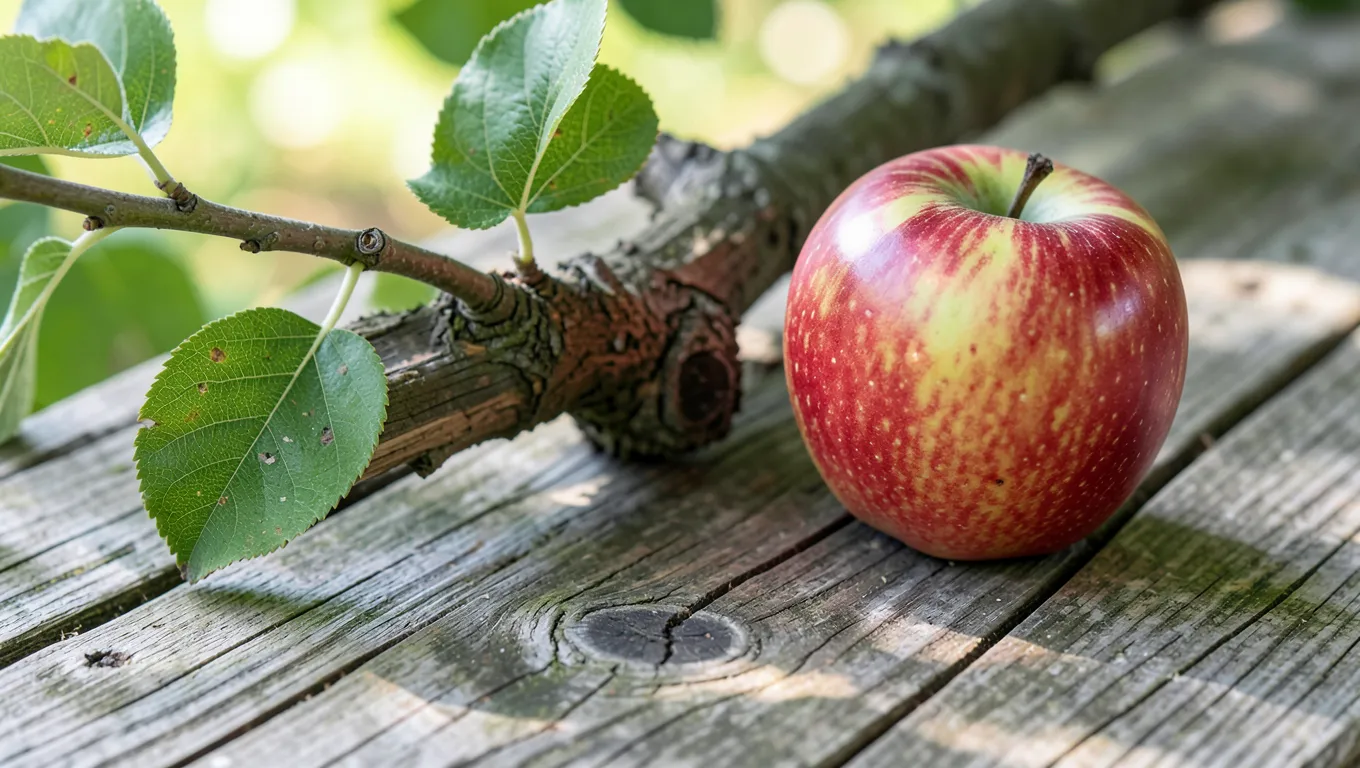
Yes – applewood is exactly what it sounds like: the wood cut from an apple tree (genus Malus), the same tree that produces the fruit. It’s a dense, fine-grained hardwood best known today for smoking meat, but it has a long history in furniture and small woodworking projects too, long before backyard smokers made it a household name.
Introduction To Applewood
Try Real Applewood Smoke
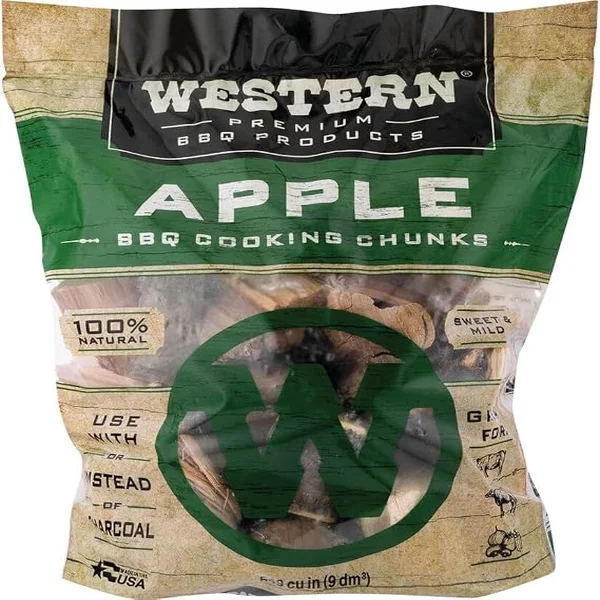 |
Western Premium BBQ Apple Cooking Chunks, 549 cu in – $22.87 If you’ve never smoked with real applewood, this is the easiest way to try the mild, slightly sweet smoke this article keeps referencing.
|
Applewood is dense and hard for a fruit-tree wood, with a fine, tight grain and a light, faintly sweet smell even before it’s burned. It burns slowly and evenly, producing a mild, fruity smoke that’s become the go-to choice for smoking pork and poultry without overpowering the meat’s own flavor. Outside the smoker, that same fine grain and moderate hardness make it a reasonable, if uncommon, choice for furniture, cutting boards, and small carved items – and it burns hot and long enough to be genuinely good firewood too.
Origins Of Applewood
Fruitwood smoking and woodworking both have a long history that predates any of today’s commercial packaging – people have used apple trees for both fruit and wood for as long as the trees have been cultivated, since pruning a productive orchard naturally produces a steady supply of branches and trimmed wood. Apple trees themselves grow across temperate regions worldwide, with major production in Europe, North America, and parts of Asia; local climate and the specific apple variety both affect grain density and color, which is why applewood from one region can look and smoke slightly differently than applewood from another.
Apple Trees And Applewood
Applewood comes directly from apple trees (Malus domestica and related species), and understanding the tree itself explains a lot about the wood it produces.
Characteristics Of Apple Trees
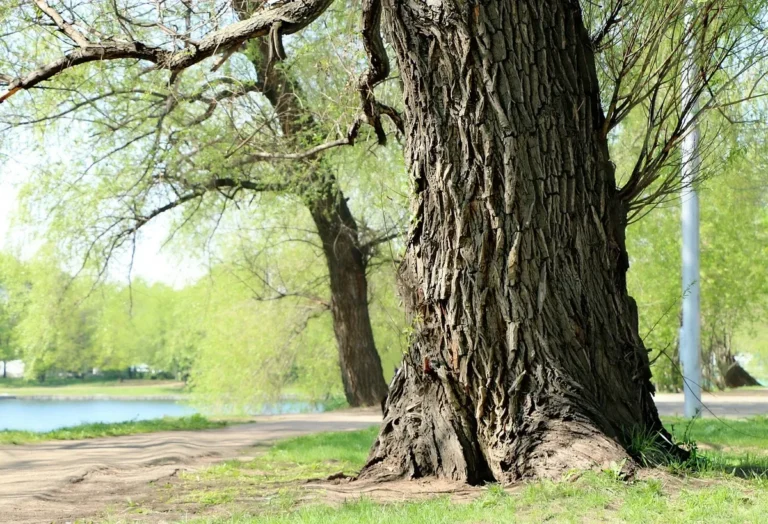
Apple trees are small to medium in size, typically 15-30 feet tall depending on rootstock and variety, with a rounded canopy of green, oval leaves. They flower white or pink in spring and set fruit by late summer or fall, in colors ranging from red to green to yellow depending on cultivar. The bark is rough and dark, and mature branches tend to grow twisted and gnarled rather than straight – a trait that shows up later as interesting, sometimes unpredictable grain patterns in milled applewood.
Wood Production From Apple Trees
Because apple trees are grown primarily for fruit, most applewood comes from pruning and orchard removal rather than dedicated timber harvesting – which also means usable pieces tend to be smaller and more irregular than lumber cut from a tree grown specifically for its wood. That irregularity is part of why applewood stays a specialty material for furniture and tools rather than a mainstream lumber-yard product, even though the wood itself is hard, dense, and genuinely good for both smoking and small-scale woodworking.
Physical Properties Of Applewood
Appearance And Texture
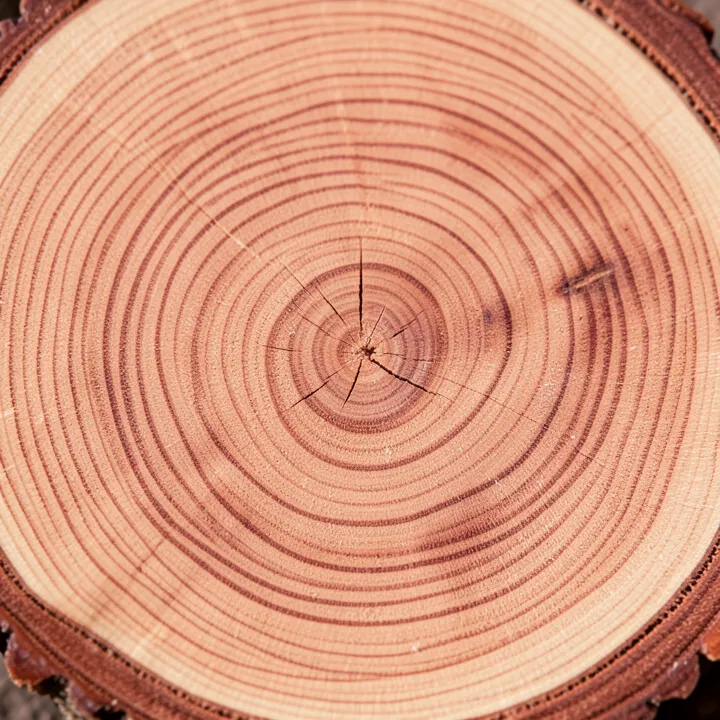
Fresh applewood runs a light reddish-brown, sometimes with yellow or pink undertones, and a straight, fine grain that reads as smooth even before finishing. It often shows a subtle wavy figure that adds visual interest without looking chaotic – part of why it’s prized for small decorative pieces where the grain itself is the main visual feature.
Durability And Strength
Applewood is hard and dense for a fruitwood – roughly comparable to birch on the Janka hardness scale – though it doesn’t match true heavyweight hardwoods like hickory or oak. Kept dry, it holds up well over years of use; like most hardwoods, sustained moisture exposure is what actually shortens its life, so indoor furniture and tool handles fare far better than anything left outdoors uncovered.
Uses Of Applewood
Applewood’s hardness and fine grain suit small, detailed furniture and craft pieces – chairs, small tables, carved items – where its natural reddish color and smooth polish are the main draw rather than sheer size or load capacity. It carves cleanly, which is exactly why woodturners and carvers who can source it tend to hold onto it.
Its bigger claim to fame today is on the smoker. Applewood gives a sweet, mild flavor that works especially well with pork and chicken without overwhelming the meat, and it burns slowly enough to sustain a long, low cook. That combination – mild flavor, steady burn – is why it shows up so often in beginner smoking guides as a safe, hard-to-overdo starting wood.
Comparing Applewood To Other Woods
Against oak, applewood burns cleaner and milder but doesn’t sustain heat as long – oak’s density makes it the better choice for long, hot cooks, while applewood suits shorter, more delicate smoking sessions where you don’t want the wood flavor to dominate. Both work well for smoking meat; the difference is really about intensity and burn time rather than one being objectively better.
Against cherrywood, its closest fruitwood cousin, applewood is the milder of the two and gives meat a lighter golden color, while cherrywood brings a richer, deeper flavor and a darker red hue to the finished surface. Neither is wrong – it comes down to whether you want the smoke flavor to stay in the background or come through more assertively.
Sustainability And Harvesting
Applewood has a genuinely low environmental footprint compared to most furniture or smoking woods, mainly because trees usually aren’t cut down purely for their wood. Orchard growers prune regularly to keep trees productive and prevent branch overcrowding, and that routine pruning – plus wood from trees replaced at the end of their fruit-bearing life – is where most commercial applewood actually comes from. Fallen leaves and prunings often get reused as mulch on the same orchard, and because apple trees are continuously replanted for fruit production regardless of the wood byproduct, using applewood doesn’t drive additional deforestation the way harvesting wild hardwood forests can.
Frequently Asked Questions
What Is Applewood Used For?
Applewood is best known for smoking meats, where it adds a sweet, mild, fruity flavor especially well suited to pork and poultry. It’s also used in small furniture pieces, carving, and turning, thanks to its fine grain and warm reddish color.
Is Applewood Good For BBQ?
Yes – applewood is one of the most beginner-friendly smoking woods because its mild, sweet flavor is genuinely hard to overdo, unlike stronger woods like mesquite that can turn bitter if oversmoked.
Can You Burn Applewood In A Fireplace?
Yes. Applewood burns cleanly and produces good heat with minimal smoke, and like other fruitwoods it has a pleasant smell as it burns – just make sure it’s been properly seasoned (dried) for at least 6-12 months first, since burning green wood produces more smoke and creosote buildup regardless of species.
Is Applewood Good For Smoking Chicken?
Yes – applewood’s mild sweetness complements chicken’s own flavor rather than masking it, which is exactly why it’s a common default recommendation for anyone smoking poultry for the first time.
Conclusion
Applewood comes straight from the apple tree – the same tree that produces the fruit – and earns its reputation on two genuinely different fronts: a mild, sweet smoke that’s forgiving for beginners, and a fine, hard grain that’s genuinely useful for small furniture and carved pieces once you can actually source a usable piece. Most of it reaches you as a byproduct of orchard pruning rather than dedicated logging, which also makes it one of the more sustainable specialty woods available.
Whether you’re reaching for it on the smoker or the workbench, knowing where it actually comes from – and what that origin means for size, grain, and availability – helps you use it well instead of just by reputation.
Sponsored / affiliate links. As an Amazon Associate I earn from qualifying purchases. I may earn additional commission from eligible campaigns.