Is KD19 HT Pressure Treated? No, Here’s What It Really Means
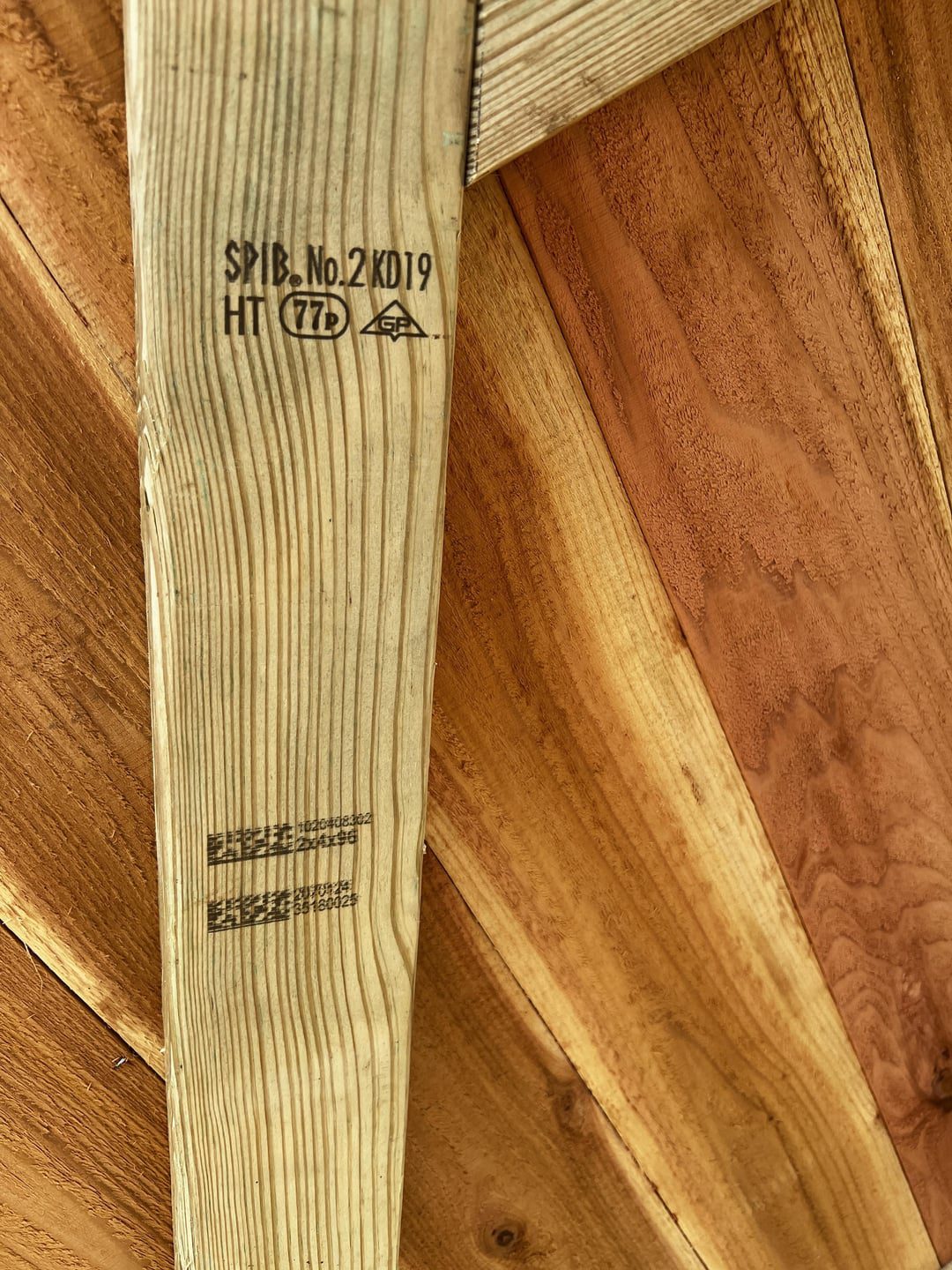
No — a “KD19 HT” stamp does not mean the lumber is pressure treated. KD19 means kiln-dried to a maximum 19% moisture content, and HT means heat-treated for pest control. Both are things mills do to ordinary, untreated lumber. Pressure treatment is a completely separate process that forces liquid chemical preservative into the wood, and it carries its own end tag — not a KD-HT mill stamp.
This mix-up is common because “heat treated” sounds like it should mean the same thing as “pressure treated,” and both are marketed as ways to make wood last longer or ship safely. They’re not the same process, and mixing them up matters: if you buy ordinary KD-HT framing lumber thinking it’s rated for ground contact like pressure-treated lumber, it will rot.
What KD19 HT Actually Means
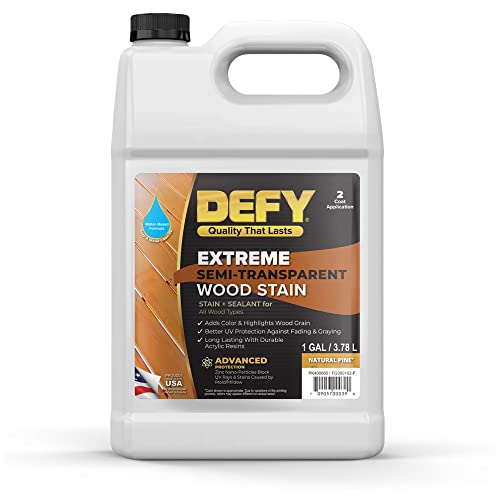
Best Stain If You’re Sealing Untreated Lumber Yourself
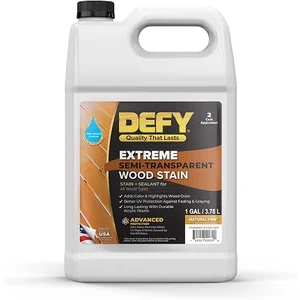 |
DEFY Extreme Wood Stain and Sealer (Natural Pine, 1 Gal) – $58.58 Since KD19-HT lumber has no built-in preservative, a stain-and-sealer like this is what actually slows decay if you use it outdoors.
|
KD19 is a moisture-content grade stamp. It tells you the board was kiln-dried until its moisture content dropped to 19% or lower — the standard threshold lumber grading rules (like those from the Western Wood Products Association or Southern Pine Inspection Bureau) use to call a board “dry” rather than “green.” A board stamped S-GRN (surfaced green) can be well over 19% moisture; a board stamped KD19 has been dried down below that line so it’s less likely to shrink, warp, or twist after you build with it.
HT stands for heat-treated. In most cases on ordinary dimensional lumber, this means the wood was heated to a minimum internal temperature (commonly 133°F/56°C, held for 30 minutes) as part of kiln drying or a dedicated heat-treatment cycle. This kills insects, larvae, and fungal spores living in the wood. It’s the same core process required under ISPM-15, the international standard for wood pallets and shipping crates that cross borders. HT is about killing what’s already living in the wood at the mill — it does nothing to protect the wood from future decay, rot, or insects once it’s sitting in your yard for the next ten years.
How This Is Different From Pressure-Treated Wood
Pressure-treated (PT) lumber goes through a completely different process at a treating plant, not a sawmill. The wood is loaded into a sealed cylinder, a vacuum pulls air out of the wood cells, and then a liquid preservative — usually copper-based, like ACQ (alkaline copper quaternary) or copper azole — is forced in under pressure so it penetrates deep into the fibers, not just the surface. That preservative is what actually stops rot and insect damage for years of outdoor ground contact.
Because it’s a regulated process, real PT lumber carries its own separate end tag from the American Wood Protection Association (AWPA), showing the treating chemical, the retention level, and a use category such as:
- UC3B — above ground, exposed to weather (fence rails, deck boards)
- UC4A — ground contact, general use (deck posts, landscape timbers)
- UC4B — ground contact, critical structural (permanent wood foundations)
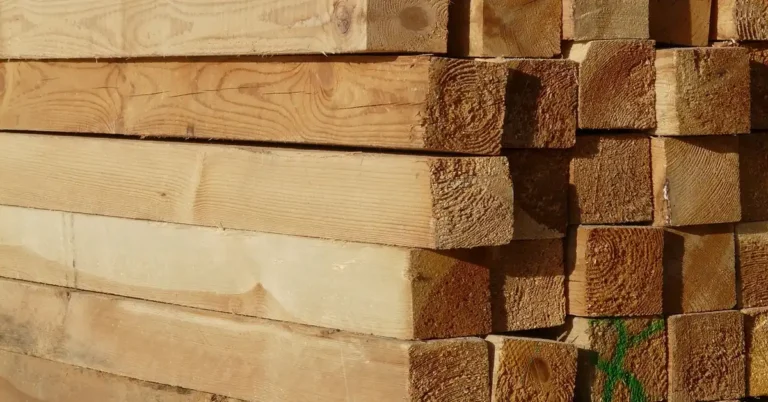
If a board’s only stamp is KD19-HT with no AWPA use-category tag and no treater’s mark, it has not been through that preservative process — it’s ordinary kiln-dried, heat-treated framing lumber, most likely SPF (spruce-pine-fir) or a similar softwood meant for framing, not for ground contact or direct weather exposure.
Where You’ll See a KD19 HT Stamp
You’ll most often find KD-HT stamps on standard interior framing lumber (studs, joists) at any home center, and on the same lumber when it’s exported or shipped across state/national lines, since many mills heat-treat as a matter of course to satisfy pallet and dunnage rules even on framing stock. It also shows up on some crating and pallet lumber specifically because of the ISPM-15 requirement. None of these uses call for rot resistance — they’re indoor framing or one-time shipping material, so decay resistance was never the point.
Can You Use KD19 HT Wood Outdoors?
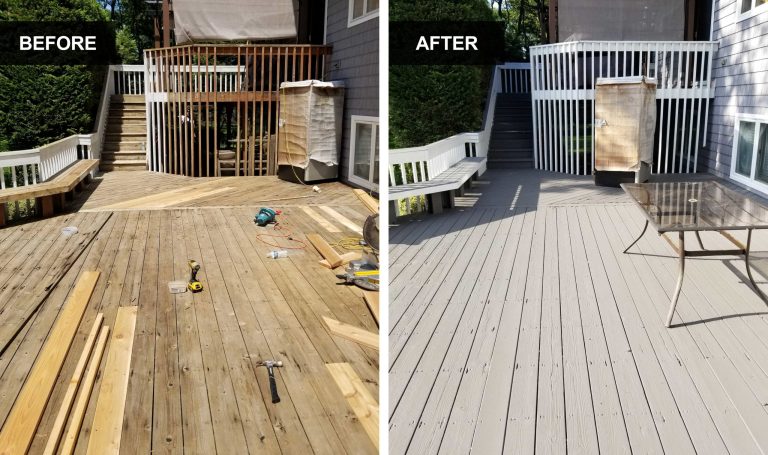
Not without help. Since KD-HT lumber has no preservative in it, treat it the same way you would treat any untreated softwood for an outdoor project: keep it off direct ground contact, and apply a quality exterior wood stain or sealer before and during use to slow moisture absorption. It will still decay faster than true pressure-treated lumber in ground contact or constant-moisture spots — for those applications, buy lumber that’s actually stamped with an AWPA use category, not just KD19-HT.
Common Misconceptions
The biggest misconception is the one this article opened with: assuming “heat treated” is a synonym for “pressure treated.” A second common mix-up is assuming any greenish or brownish tint on lumber means it’s chemically treated — that tint is usually just the natural color of the species (cedar, redwood) or a dye added purely for identification, not proof of preservative content. When in doubt, look for the actual AWPA end tag; a color alone isn’t evidence either way.
Frequently Asked Questions
Is KD19 HT Pressure Treated?
No. KD19 HT means kiln-dried to 19% moisture and heat-treated for pest control — both mill processes applied to ordinary lumber. Pressure treatment is a separate process using forced chemical preservative, and it’s marked with its own AWPA end tag, not a KD-HT stamp.
What Does the HT Stamp Actually Do?
HT (heat-treated) means the wood was heated to kill insects, larvae, and fungal spores already present in it, typically as part of ISPM-15 compliance for shipping or standard kiln drying. It does not add any lasting decay or insect resistance to the wood going forward.
Is KD19 HT Wood Safe to Use Outdoors?
It can be used outdoors if you seal it and keep it out of ground contact, but it will decay faster than genuine pressure-treated lumber since it has no preservative in it. For decking posts, fence posts, or anything touching soil, use lumber stamped with an AWPA use category like UC4A instead.
How Can I Tell If a Board Is Really Pressure Treated?
Look for a separate AWPA end tag naming the preservative (such as ACQ or copper azole), a retention level, and a use category (UC3B, UC4A, UC4B). A KD19-HT mill stamp by itself, with no AWPA tag, means the board has not been chemically treated.
Conclusion
KD19 HT tells you a board was dried to 19% moisture and heat-treated for pests — not that it’s protected against rot or insects long-term. If your project needs real decay resistance (a deck post, a fence footing, anything touching soil or exposed to constant moisture), buy lumber carrying its own AWPA preservative tag, and treat plain KD-HT lumber with a good exterior sealer if you’re using it outdoors anyway.
Sponsored / affiliate links. As an Amazon Associate I earn from qualifying purchases. I may earn additional commission from eligible campaigns.