How To Tell Teak Wood: Essential Proven Guide
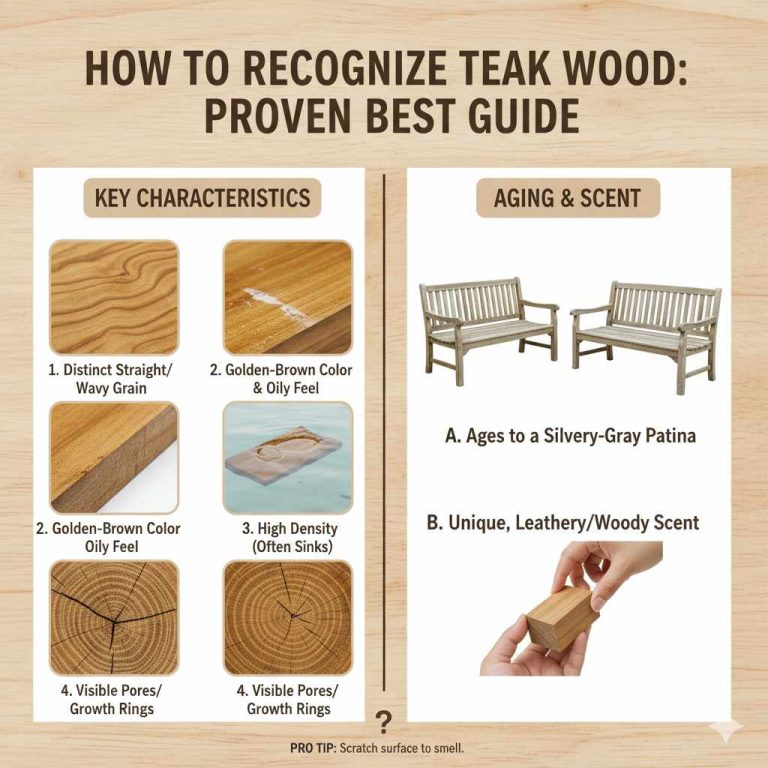
Quick Summary: To tell teak wood, look for its rich golden-brown color, oily feel, distinct leather-like scent, straight, coarse grain, and prominent, small pores. Genuine teak is durable, heavy, and often shows interlocking grain patterns—visual checks, smell, and feel are your best tools.
Have you ever bought a beautiful outdoor bench or perhaps a used dining set, only to wonder if you truly got the genuine article? Knowing if you have real teak wood can be frustrating. Many woods try to look like teak, but they just won’t hold up to weather or time.
I know how tough it is to separate the true gem from the look-alikes! But don’t worry. As a woodworker, I’ve learned that identifying real teak comes down to checking a few simple clues. We are going to walk through proven methods, covering sight, smell, and touch, so you can spot authentic teak every time. Let’s build your confidence and confirm that gorgeous wood in your home!
Why Identifying Real Teak Wood Matters So Much
Teak (Tectona grandis) isn’t just another hardwood; it’s legendary for a reason. People pay a premium for it because of its incredible natural defenses. When you pay for teak, you expect performance.
Genuine teak contains natural oils and silica. These properties make it highly resistant to water, rot, pests (like termites!), and the sun’s harsh rays. This is why teak is the gold standard for high-end outdoor furniture, boat decks, and laboratory workbenches. If you accidentally purchase a cheaper imitation that mimics the look, you might end up with furniture that cracks, warps, or needs heavy refinishing within a few seasons. Knowing how to tell teak wood ensures you are investing in durability and lasting beauty.
The Beginner’s Visual Checklist: What to Look For
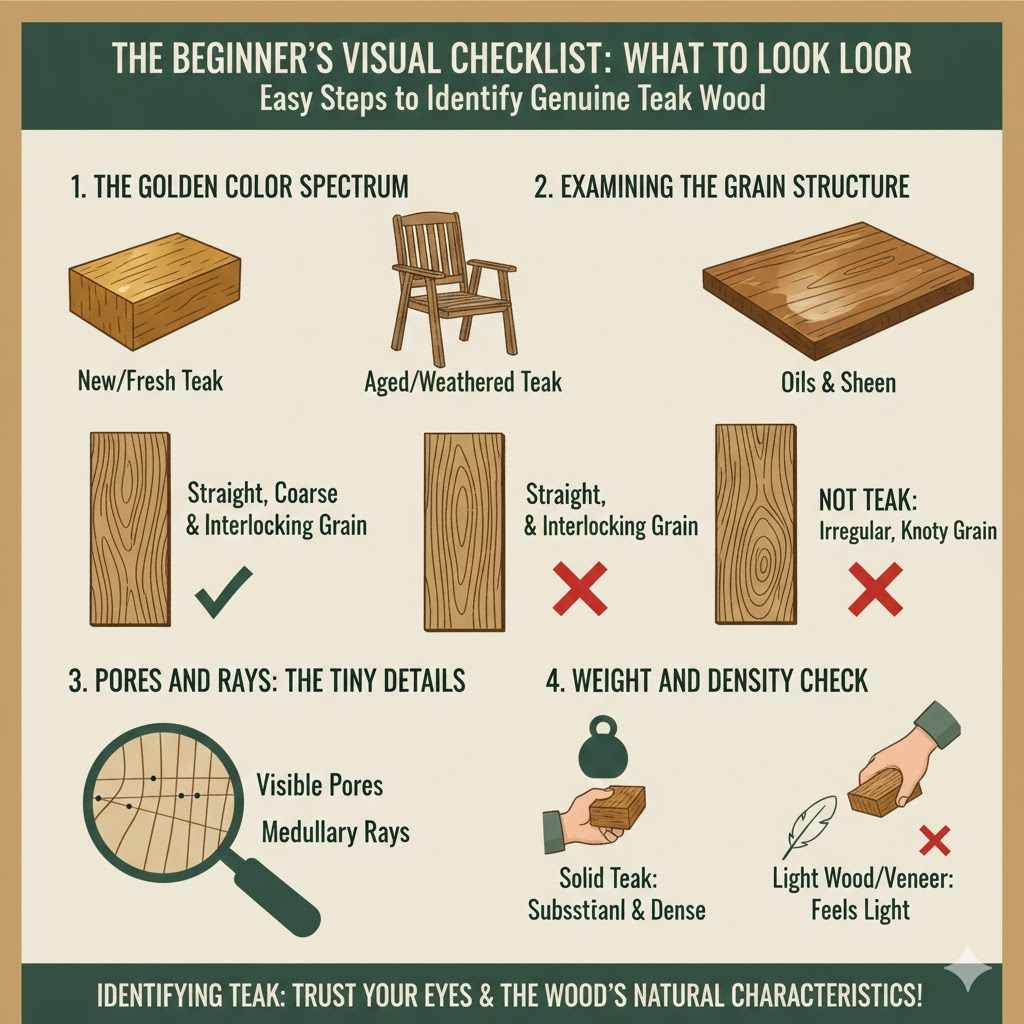
The easiest way to start identifying teak is to simply look closely at the wood sample or furniture piece. While pictures only go so far, a real teak piece will show several distinct visual markers.
1. The Golden Color Spectrum
Freshly cut teak wood is typically a golden-yellow to medium-brown color. It often has variations, sometimes displaying darker brown streaks.
- New/Fresh Teak: Often a lighter, golden honey color when first milled.
- Aged/Weathered Teak: When left untreated outdoors, teak develops a silvery-gray patina. This is completely normal and a sign of genuine, aged teak.
- Oils and Sheen: Good quality teak usually has a slight, natural waxy sheen due to its high oil content, unlike duller hardwoods.
2. Examining the Grain Structure
Teak has a distinct grain pattern that is surprisingly consistent, even across different boards.
Look for a straight, coarse, and somewhat open grain. It often runs relatively even along the length of the board. A telltale sign of true teak is the presence of interlocking or slightly wavy grain patterns. If the grain looks highly irregular, knotty, or looks like an exotic jungle pattern, it might be another wood stained to look like teak. Real teak is usually more orderly.
3. Pores and Rays: The Tiny Details
This is where even seasoned woodworkers look for confirmation. Teak has visible, tiny pores (the ends of the growth cells).
- Visible Pores: If you look closely at the end grain or even the surface grain, you can often see tiny, distinct holes or pores arranged somewhat randomly.
- Rays: The wood often exhibits small, light-colored medullary rays (the lines running perpendicular to the grain) which can add subtle visual texture.
4. Weight and Density Check
While this requires handling the piece, genuine teak is surprisingly dense and heavy for its size compared to many common softwoods or cheaper hardwoods. If the piece feels unnervingly light for its solid construction, it might be teak veneer over particle board or a very different, lighter species. True, solid teak offers substantial weight, indicating high density.
The Sensory Test: Smell and Feel (The Unmistakable Teak Signatures)
If the look is close but you aren’t 100% sure, engaging your sense of smell and touch is highly reliable. This is the test most professionals rely on for quick identification.
The Smell Test: Distinctive Aroma
This is often the easiest way to confirm real teak, especially if the wood is new or recently cut (as opposed to very old, gray, heavily weathered pieces).
Freshly cut or recently exposed teak has a very distinct, unique aroma. Most people describe it as slightly pungent, earthy, or like leather or strong tea. It is an oily, recognizable scent that lingers. If you rub the wood surface vigorously and smell nothing but the smell of varnish or pine cleaner, you are likely dealing with an imitation. No other common furniture wood smells quite like teak.
The Feel Test: The Oily Surface
Remember I mentioned the natural oils? This translates directly to how the wood feels.
- Find an inconspicuous, unfinished spot on the wood (like underneath a chair leg).
- Rub your clean fingertips firmly across the surface.
- Real teak will feel distinctly oily or waxy to the touch.
- If it feels dry, dusty, or surprisingly rough (like regular oak or maple), it is probably not high-grade teak.
This natural oil content is what prevents water from soaking into the wood, giving it fantastic water resistance. For more background on wood properties and material standards, you can often find useful comparisons on forestry resource sites, such as those supported by university agricultural extensions.
Advanced Identification: Checking for Common Fakes and Immitations
The market is flooded with woods stained and treated to resemble teak. As a beginner, it’s vital to know the common imposters so you can spot them before purchasing.
Teak vs. Shorea (Philippine Mahogany)
Shorea, sometimes sold misleadingly as “Tecta” or “Tropical Hardwood,” is a popular look-alike.
| Characteristic | Genuine Teak (Tectona grandis) | Shorea / Philippine Mahogany |
|---|---|---|
| Oily Feel | Very oily/waxy to the touch. | Drier, less distinct oil content. |
| Scent | Distinct, leathery, curry-like aroma. | Faint or no strong, distinct odor. |
| Durability | Extremely weather and pest resistant. | Moderately durable; requires more sealing. |
| Color Range | Golden to deep brown streaks. | Often exhibits more pinkish or reddish tones. |
Teak vs. White Oak (When Weathered)
Outdoor white oak, when allowed to weather naturally to a silvery-gray patina, can sometimes resemble old teak. However, the feel and smell are the dead giveaways here.
Oak is porous and will absorb water quickly if left untreated. If you drip a small bit of water on an outdoor white oak chair versus a teak chair, the water will bead up nicely on the teak, while the oak will soak it in rapidly. Always default to the oiliness and scent check if the color is similar.
Veneer vs. Solid Wood
For indoor furniture or solid pieces, one crucial step is confirming if you have solid wood or veneer over a substrate (like plywood or MDF).
- Look at Edges: Check where pieces join or under the feet. If you see the grain pattern abruptly changing direction or if there is a very thin layer stuck onto a core material, it is veneer.
- Grain Consistency: In solid wood, the grain pattern wraps around corners; in veneer, the top grain layer stops abruptly at the edge seam.
- Weight Check: While not foolproof, solid teak will be considerably heavier than a veneer-covered hollow structure.
Understanding Teak Grades: Not All Teak is Created Equal
As a beginner, understanding that “teak” comes in grades is important for setting realistic expectations about price and durability. You might have successfully identified teak, but knowing which type you have helps you care for it correctly.
Grade A (Virgin Heartwood Teak)
This is the highest grade and what most reputable furniture makers use for premium pieces.
- Source: Heartwood from older, mature trees (often 40+ years old).
- Characteristics: The densest section of the tree, highest concentration of natural oils and silica. The color is usually a rich, consistent golden brown.
- Best For: Permanent outdoor use, marine environments, or investment pieces.
Grade B (Mixed or Sapwood Teak)
This is typically a mix of heartwood and sapwood (the outer, lighter, less oily wood).
- Source: Younger plantation trees.
- Characteristics: Lighter color, sometimes showing more pronounced sapwood streaks (which are often yellowish or whitish). Less natural oil content means it requires slightly more diligent sealing to prevent weathering unevenly.
- Best For: Indoor furniture or covered outdoor areas where it is somewhat protected from the elements.
Grade C (Low Grade or Reclaimed/Scrap)
This grade often uses wood from smaller branches, knots, or has significant sapwood ratios.
If a piece seems too cheap for “teak,” it’s likely Grade C or, more commonly, a fake. It will weather much faster and may require refinishing every couple of years, even if it passes the initial smell test.
The Role of Certification: Looking for Sustainable Sourcing
When you are buying new teak furniture, supporting sustainable harvesting is an essential part of responsible woodworking and purchasing. Real teak is slow-growing, and illegal harvesting contributes to deforestation. Look for certifications to ensure your identification confirms ethical sourcing.
A great indicator of responsible wood is certification from organizations dedicated to forest management. For instance, the Forest Stewardship Council (FSC) works globally to promote sustainable forest practices. Checking the FSC website for verified suppliers ensures that your identified teak comes from managed forests where new trees are planted to replace those harvested. This practice helps keep teak available for future generations.
Essential Tools for Identification (And How to Use Them)
You don’t need a full professional shop, but a few simple tools can help you confirm your observations.
| Tool | Purpose in Identification | How to Use It Safely |
|---|---|---|
| Jeweler’s Loupe or Magnifying Glass | Magnifying the grain structure to confirm pore size and arrangement. | Hold steady against an unfinished section. Look for small, distinct, random pores. |
| Fine Grit Sandpaper (e.g., 180 or 220 grit) | Used to expose fresh wood beneath the surface layer or finish. | Lightly sand a tiny, inconspicuous spot until the original wood color is revealed. |
| Ruler or Calipers | Measuring grain consistency or piece thickness. | Verify if a thick plank is solid or just covered in thick stain. |
The Sanding Spot Check
If you suspect a piece is stained fake wood, the best way to confirm is a tiny, careful sanding check.
Using very fine-grit sandpaper (around 180 or 220), very lightly rub a hidden area (like the underside edge). If a rich, golden-brown color instantly appears beneath the surface stain, you likely have teak. If the exposed wood is a completely different color—like white, pale yellow, or reddish—and doesn’t smell oily, you’ve uncovered the imitation. This small act of sanding is low-risk but high-reward for definitive identification.
Common Beginner Mistakes When Telling Teak Wood
Even with the best guides, beginners sometimes fall into traps. Here are the top three mistakes to avoid when trying to tell teak wood.
- Relying Only on Color: Staining a cheap wood like Pine or Poplar dark brown will make it look vaguely like aged teak. Color is a clue, but never the final answer. Always combine color checks with the oil/smell test.
- Ignoring Weight: Genuine heartwood teak is dense. If you are comparing an “all-teak” dining set with a set that costs half the price and weighs significantly less, you are probably looking at inferior woods or thin veneer.
- Judging Weathered Wood Too Harshly: Do not assume teak has “gone bad” if it’s gray. That silvery patina is expected. If you scrape that gray surface, the rich gold color should still be underneath, perhaps requiring light sanding to restore the luster, but the structure remains sound.
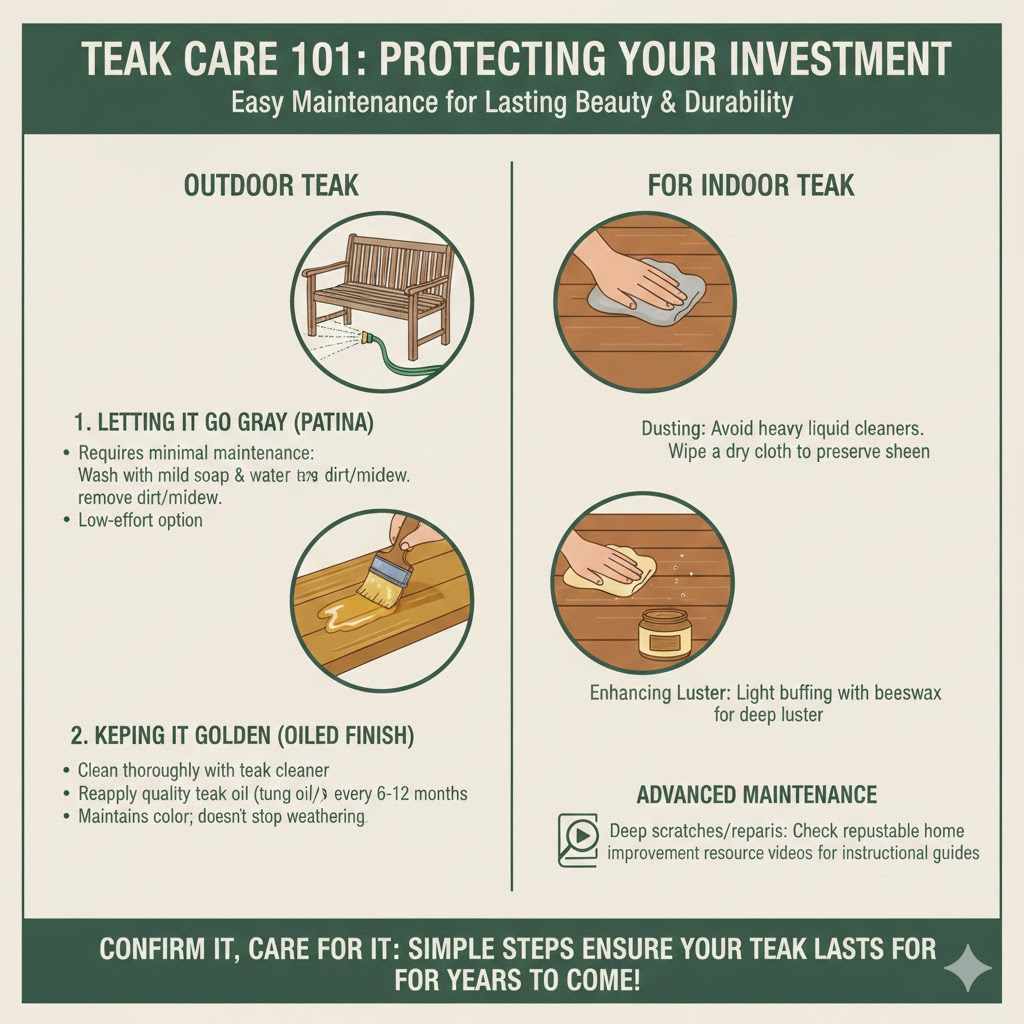
Teak Care 101: Protecting Your Investment After Identification
Once you have confirmed you have genuine teak, the next step is making sure it lasts. This reinforces why identifying it was important—it deserves good care!
For Outdoor Teak (Patina or Oiled Finish)
1. Letting it Go Gray (Patina): This requires no maintenance other than occasional washing with mild soap and water to remove mildew or surface dirt. This is the low-effort option.
2. Keeping it Golden (Oiled Finish): If you prefer the rich golden hue, you must clean the wood thoroughly (often with a teak cleaner product) and reapply a quality teak oil (like tung oil or specific teak sealant) every 6 to 12 months, depending on sun exposure. Remember, oiling does not stop weathering; it just maintains the color.
For Indoor Teak
Indoor teak generally just needs dusting. Avoid heavy liquid cleaners. Occasionally wiping down with a dry cloth preserves the natural sheen. If you wish to bring out a deep luster, a light buffing with beeswax can enhance its look without affecting its inherent durability.
For advanced maintenance techniques, especially regarding sanding down deep scratches, checking reputable home improvement resource centers often provides specific instructional videos, like those found on sites related to established home improvement associations.
Frequently Asked Questions (FAQ) About Identifying Teak
Q1: Is “Teak Substitute” wood a good option if I can’t afford real teak?
A: Sometimes. Substitutes like acacia or shorea look similar but lack teak’s natural oil content. They require diligent sealing and maintenance and generally won’t last as long outdoors as true teak. For indoor use, they are acceptable substitutes.
Q2: What color should the fasteners be in good quality teak furniture?
A: Genuine, high-quality teak furniture—especially for outdoor or marine use—should be fastened with brass, stainless steel, or silicon bronze screws. If you see standard, rusty iron screws holding the joints, that’s a major red flag, regardless of the wood’s appearance.
Q3: If I sand teak and it turns dark almost immediately, is it fake?
A: Not necessarily. If you sand it very deeply and expose wood that is extremely oily, it can sometimes darken rapidly when exposed to the air before the oil settles and cures. However, if it darkens to a dull, muddy brown instead of a golden honey, it might be mixed sapwood or stained wood.
Q4: Does Indonesian teak always look the same as Burmese teak?
A: Generally, yes, the core characteristics (grain, scent, oiliness) remain the same because it’s the same species (Tectona grandis). However, wood grown in regions with longer dry seasons (like older Burmese sources) often results in denser wood with slightly higher oil content than faster-growing plantation teak.
Q5: Can I use the “water bead test” on teak?
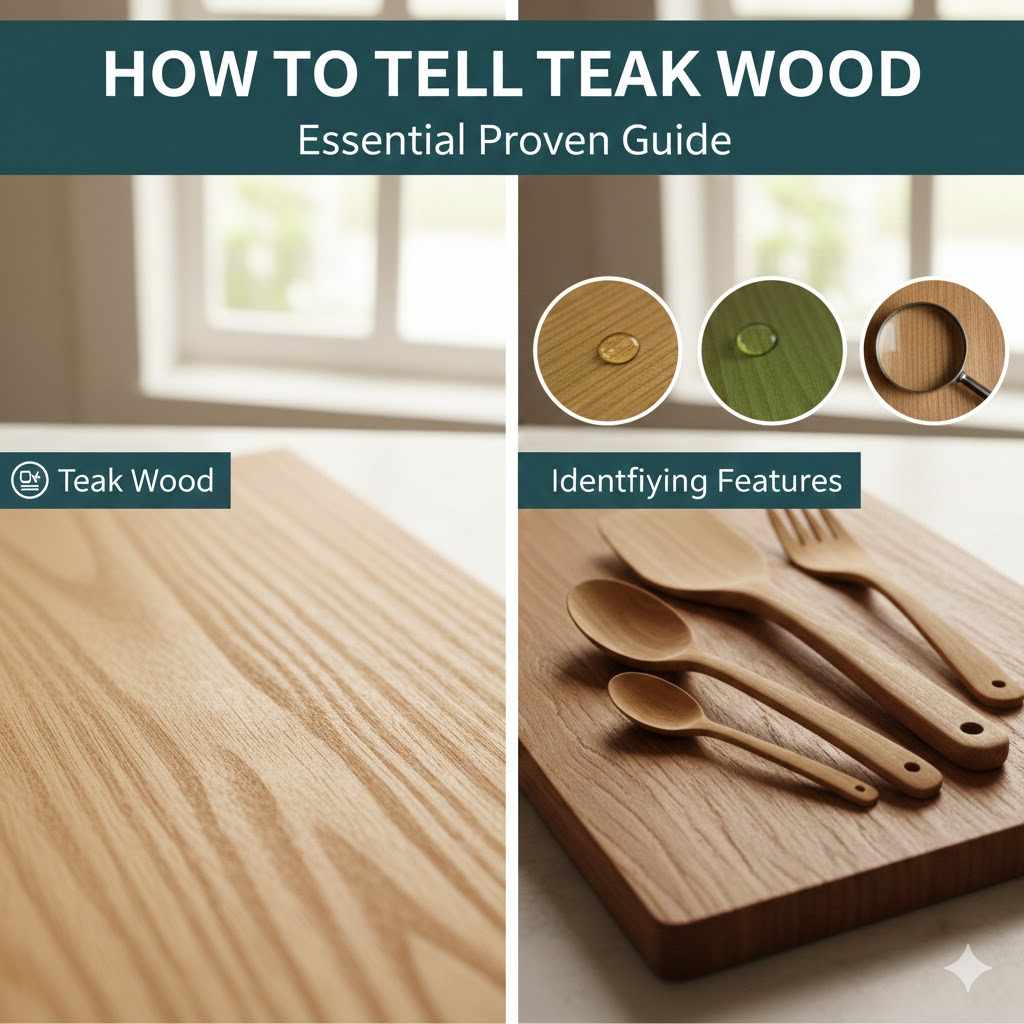
A: Yes, this is a great test! Drop a tiny bead of water on an unfinished part of the wood. Genuine, oily teak will repel the water, causing the bead to maintain a distinct, spherical shape that sits right on top of the surface. Inferior woods will absorb the water, and the spot will darken almost instantly.
Q6: How can I smell the wood if it has been painted or varnished?
A: You must gently remove a small patch of the finish. Use the fine-grit sandpaper (as mentioned above) on a very small, hidden area to reveal the bare wood underneath. Wait about five minutes for the immediate smell of the sandpaper dust to clear, then take a sniff. This is the most reliable confirmation method when finishes are present.
Conclusion: You Are Now Equipped to Spot Real Teak
Congratulations! Identifying real teak wood is less about guesswork and more about method. By combining the visual clues—that distinct golden color, coarse grain, and visible pores—with the irreplaceable sensory tests of that unique, leathery smell and oily feel, you now have a proven framework. Remember that weight and proper fastener choice also offer silent confirmation.
Whether you are scoring a great deal at a yard sale or investing in new patio furniture, taking these careful steps ensures that the piece you bring home truly possesses the durability and legendary beauty of Tectona grandis. Don’t let fancy stains fool you; trust your senses and your new knowledge. Happy crafting and happy hunting for that timeless golden wood!