How to Clean Fake Wood Furniture Without Damaging the Finish
Clean fake wood furniture (laminate, veneer, or thermofoil) with a barely-damp microfiber cloth and a pH-neutral, ammonia-free cleaner – the printed laminate layer sits on top of particleboard or MDF, so standing water and ammonia-based cleaners are what actually cause the swelling, dulling, and cloudy film people usually blame on “cheap furniture.”
“Fake wood” furniture covers three related but different materials: laminate (a melamine-resin layer printed with a wood pattern, glued over particleboard or MDF), wood veneer (a thin slice of real wood glued over a composite core), and thermofoil (a PVC film heat-wrapped around MDF, common on modern flat-pack dressers and cabinets). They look almost identical once finished, but they don’t all react to cleaning products the same way – which is why a lot of generic “fake wood” cleaning advice ends up being too cautious for some pieces and not cautious enough for others.
What You’ll Need to Clean Fake Wood Furniture Safely
You only need a handful of things, and most of them are already in your kitchen. The one product worth actually buying is a cleaner formulated for sealed wood and laminate specifically – general all-purpose sprays and most “wood polish” products are the two most common causes of the dull, hazy look people mistake for wear.
BEST FAKE WOOD FURNITURE CLEANER
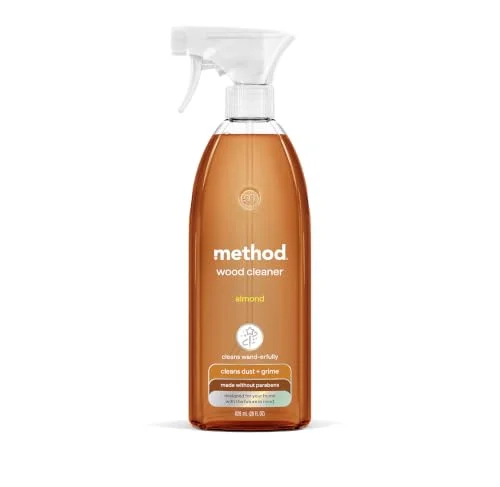 |
Method Daily Wood Cleaner (28 oz) – $6.59 A pH-neutral, ammonia-free spray made for sealed wood and laminate surfaces – no oily residue like wax-based polishes leave behind.
|
- Two microfiber cloths – one for washing, one dry for immediately after. Microfiber picks up grit without grinding it into the finish the way a cotton rag can.
- Mild, unscented dish soap – as a free backup if you don’t have a dedicated laminate cleaner on hand: a few drops in a cup of warm water is enough.
- Isopropyl alcohol (70%) – for ink, marker, and sticky residue. Keep it away from any unsealed or “distressed” fake-wood edges, since it can dull an unsealed finish.
- A soft-bristled brush or old toothbrush – for grooves, hardware, and decorative routing where dust collects.
Why Fake Wood Furniture Needs Different Care Than Solid Wood
Solid wood furniture can usually take an occasional oil soap or a light sanding if the finish gets dull. Laminate and thermofoil can’t – there’s no wood underneath to refinish, just a thin decorative layer bonded to particleboard or MDF. Once that top layer is scratched through, discolored, or lifted at a seam, it can’t be sanded out or restained; the only real fixes are a touch-up marker, a matching laminate patch, or replacement.
That’s also why moisture is the bigger threat on fake wood than on solid wood. Particleboard and MDF are made of compressed wood fibers held together with resin, and they’re far more absorbent than solid lumber – a puddle left sitting for even 20-30 minutes can wick into a seam or an unsealed edge and start swelling the core before the surface even looks wet. Solid wood swells too, but it dries back down over days; swollen particleboard usually stays swollen, because the compressed fibers don’t spring back once they’ve expanded.
Laminate, Veneer, or Thermofoil: Check Which One You Have First
A quick edge check tells you which material you’re dealing with, and it changes how much moisture is actually safe to use:
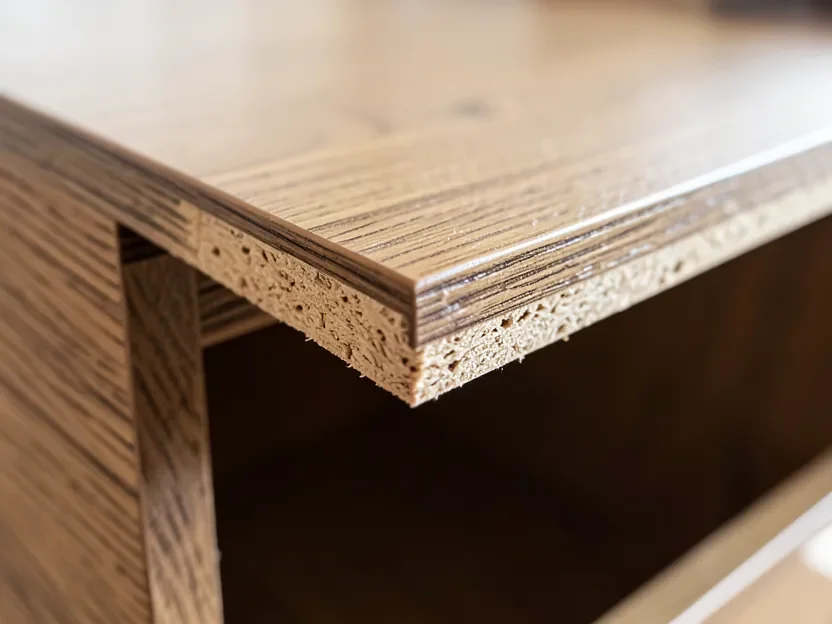
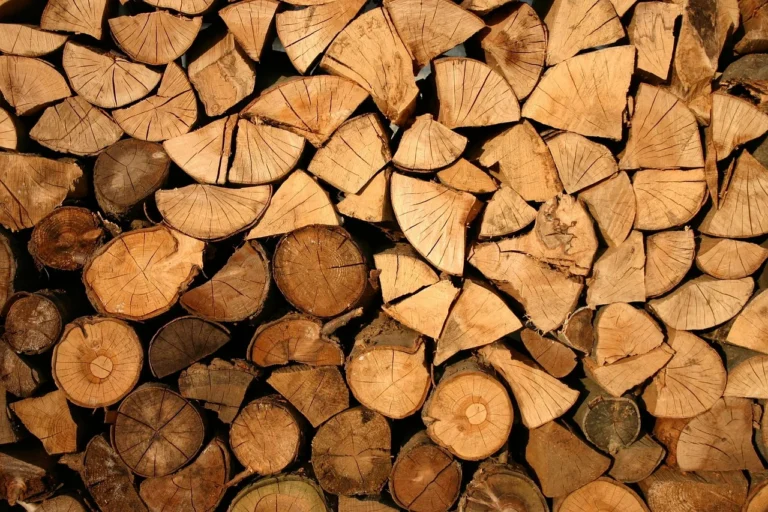
- Laminate: Look at an edge, drawer bottom, or the back panel. If you see a thin printed pattern glued over a pressed, speckled particleboard texture (like the close-up above), it’s laminate. Most water-sensitive of the three – wipe up any spill within a few minutes.
- Wood veneer: The grain pattern on veneer is never perfectly repeating – real wood grain has natural irregularities, while printed laminate patterns often repeat every foot or so if you look closely across a wide surface. Veneer can tolerate slightly more moisture than laminate since it’s real wood, but the wood glue bond beneath it can still fail if it’s soaked.
- Thermofoil: Common on modern flat-pack furniture and cabinet doors. It’s a PVC film wrapped and heat-sealed around MDF, so it’s more water-resistant than laminate on flat surfaces, but heat is its weak point – a hot pan or a spot near a heater vent can cause the foil to bubble or peel at the edges.
How to Clean Fake Wood Furniture: Step-by-Step
- Dust first, dry. Wipe the whole piece with a dry microfiber cloth before introducing any liquid. Skipping this is the most common cause of fine scratches – a damp cloth just grinds loose dust and grit across the surface instead of lifting it.
- Mix or spray your cleaner. Spray your laminate-safe cleaner directly onto the cloth, not the furniture, so you’re not pooling any liquid in seams or along the back edge. If you’re using dish soap and water instead, dip the cloth and wring it out until it’s just damp – it should leave no visible wet streak when you drag a finger across the surface.
- Wipe with the grain. Follow the direction of the printed or real wood grain. Work in small sections (about arm’s length) rather than the whole surface at once, so the liquid never sits for more than a few seconds.
- Dry immediately. This is the step people skip, and it’s the one that actually prevents damage – go over every damp section with a second, dry microfiber cloth right behind your cleaning pass. Pay extra attention to seams, corners, and where the top meets the drawer fronts, since that’s where moisture collects and lingers longest.
- Buff lightly. A light, dry buff after drying restores shine without adding any product – most of the “streaky” look people try to fix with more polish is actually just uneven drying, not a dirty surface.
Removing Stains, Marks, and Sticky Residue
Sticky residue (price tag glue, food, tape)
Scrape off what you can with a plastic scraper or fingernail first – never metal, it can score the finish. Dampen a cloth with isopropyl alcohol, dab (don’t rub) directly onto the residue, and let it sit for about 30 seconds before wiping. Alcohol evaporates fast, which limits how long moisture is in contact with the surface, and it dissolves most adhesives without needing to scrub.
Ink, marker, and crayon
Dab isopropyl alcohol on a cotton ball or cloth corner and work from the outside edge of the mark inward, so you’re not spreading pigment across clean surface. Wipe with a clean damp cloth afterward to lift any dissolved residue, then dry.
Grease and oil
Blot (don’t wipe) as much as possible with a dry paper towel first – wiping just spreads the oil into a wider, thinner stain. Mix baking soda and water into a thick paste, apply it to the spot, and leave it for 10-15 minutes to let the baking soda absorb the oil before wiping clean and drying.
Water rings and heat marks
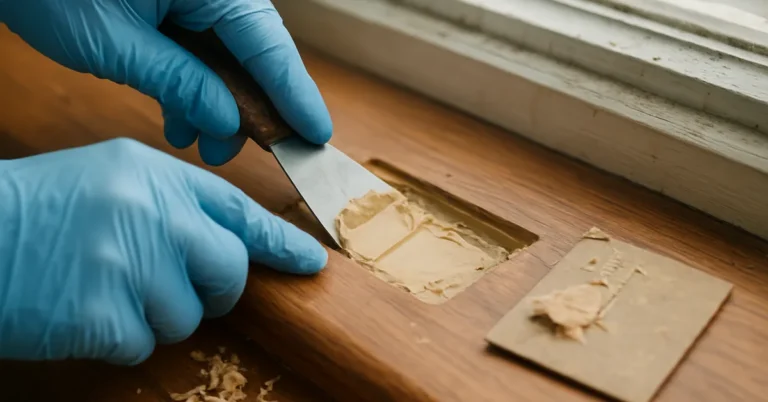
On laminate and thermofoil, these are usually permanent damage to the top layer itself, not a surface film you can buff away – unlike solid wood, there’s no finish coat sitting on top to polish out. A dry buff can sometimes soften mild marks slightly, but for anything visible from a normal viewing distance, a color-matched touch-up marker or laminate repair pen is the more realistic fix.
The Vinegar and Furniture-Polish Myths
Two pieces of “natural cleaning” advice keep circulating for fake wood, and both do more harm than the dirt they’re meant to remove.
Vinegar is acidic (roughly pH 2.5), and repeated exposure gradually etches the melamine resin layer that gives laminate its shine and scratch resistance. The damage doesn’t show up after one cleaning – it builds slowly into a dull, slightly cloudy patch across whatever surface gets vinegar-cleaned most often, and by the time it’s visible, buffing or polishing won’t reverse it because the resin itself has been chemically worn down, not just dirtied.
Spray furniture polish (the aerosol or pump kind meant for real wood) is the other common mistake. Most contain silicone oils or waxes designed to sit on top of a wood finish and add shine. On laminate, that oil has nothing to soak into, so it just builds up in a thin film with every use – which is exactly the greasy, dust-attracting haze people usually blame on “the furniture getting old.” A plain damp-then-dry cloth restores more shine on laminate than any polish spray, because the shine was never missing – it was just buried under residue.
What to Avoid
- Ammonia-based cleaners (many glass and all-purpose sprays) – breaks down the resin finish and can cause discoloration or a cloudy look.
- Standing water or soaking – the core swells and doesn’t fully recover once it does.
- Steel wool, scouring pads, or stiff brushes – scratches through the thin decorative layer, which can’t be sanded out.
- Steam cleaners – heat and forced moisture cause bubbling and lifting at seams, especially on thermofoil.
- Direct, prolonged sunlight – fades the printed pattern unevenly, the same way it fades real wood stain.
Maintaining Fake Wood Furniture Long-Term
- Dry-dust every few days – most of what “deep cleaning” removes is dust that’s had time to bond with humidity in the air.
- Wipe spills within minutes, not hours – the swelling risk is about contact time, not just moisture volume.
- Use coasters and placemats – prevents both moisture rings and the fine scratches that dull a finish over months of sliding items across it.
- Keep hot items off the surface directly – thermofoil especially can bubble under sustained heat well below what would mark solid wood.
- A full soap-and-water clean every few months is plenty – more frequent “deep cleans” mostly just add more product exposure without more benefit.
When to Call a Pro or Consider Replacement
Cleaning fixes dirt and residue, not structural damage. If you’re seeing peeling at seams, bubbling on a thermofoil door, significant swelling from a past spill, or deep scratches through to the particleboard core, that’s beyond what any cleaning method will solve. Minor peeling can sometimes be re-glued with a strong adhesive rated for laminate and clamped flat while it cures; anything more extensive usually costs more in touch-up materials and time than it’s worth compared to replacing the piece or the affected panel.
Cleaning Fake Wood Floors Instead of Furniture?
Furniture and flooring made of laminate or vinyl share the same basic “keep it dry” logic, but the mopping technique, cleaner dilution, and streak-prevention steps for floors are different enough to cover separately – see our guide on how to wash fake wood floors for the floor-specific routine.
Frequently Asked Questions
Can I use furniture polish on fake wood?
It’s best to avoid spray furniture polish on laminate and thermofoil. Most contain oils or silicone that sit on top of the surface and build up into a dull, greasy film with repeated use since there’s no wood grain to absorb them. A damp-then-dry microfiber cloth restores more shine than polish does.
Is it safe to use baby wipes on fake wood furniture?
Most unscented baby wipes are fine for a quick spot wipe, as long as they’re not alcohol-heavy or overly wet. Follow up with a dry cloth to remove any lingering moisture, especially along seams.
My fake wood table has a sticky spot. What removes it?
Start with a damp cloth. If it doesn’t lift, dab isopropyl alcohol on a cloth, hold it on the spot for about 30 seconds, then wipe and dry thoroughly.
Can I use vinegar to clean fake wood furniture?
It’s better not to. Vinegar’s acidity gradually etches the melamine resin finish on laminate, and the dulling it causes isn’t reversible with polishing. A mild dish soap and water solution cleans just as well without that risk.
What should I do if the laminate starts to peel?
Minor peeling at a corner or seam can sometimes be re-glued with a strong adhesive made for laminate, then clamped or weighted flat while it cures. Larger or spreading peeling usually isn’t a clean repair and is better handled as a touch-up patch or replacement.
How often should I deep clean fake wood furniture?
Every few months is enough for most pieces. Dry-dusting a few times a week and wiping spills immediately does more for long-term appearance than frequent deep cleaning does.
My fake wood bookshelf has scuff marks. How do I remove them?
Try a dry microfiber cloth first. For marks that don’t budge, a small amount of non-gel white toothpaste on a cloth works as a mild abrasive – rub gently, then wipe with a clean damp cloth and dry.
Keeping fake wood furniture looking good comes down to two habits: dry-dust often, and dry it thoroughly every time it gets wiped down. Skip the vinegar and polish sprays, keep a laminate-safe cleaner on hand for the tougher spots, and most pieces will hold their finish for years without ever needing more than that.
Sponsored / affiliate links. As an Amazon Associate I earn from qualifying purchases. I may earn additional commission from eligible campaigns.