How to Thin Oil Based Paint: Simple and Effective Methods
To thin oil-based paint, mix it with a suitable solvent. This makes the paint easier to apply and helps it dry smoother.
Oil-based paint is popular for its durability and rich finish. But sometimes, it can be too thick to use right out of the can. Knowing how to thin this type of paint is essential for achieving the best results. Whether you are a beginner or have some experience, this guide will help you understand the steps and materials needed.
Thinning oil-based paint properly ensures your project looks professional and lasts longer. Follow along to learn the simple process that can make a big difference in your painting projects.
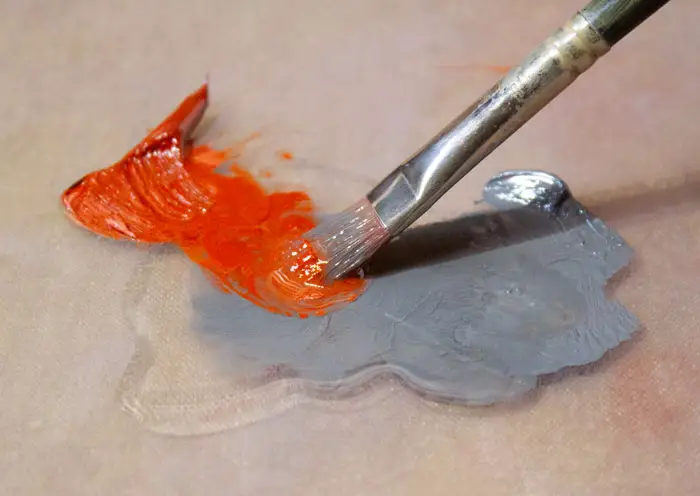
Credit: mysketchjournal.com
Choosing The Right Thinner
Selecting the proper thinner is crucial for achieving the desired consistency in oil-based paint. Mineral spirits and turpentine are common options. Ensure you follow the manufacturer’s recommendations for best results.
Types Of Thinners
Thinning oil based paint requires the right thinner. Mineral spirits work well for most projects. Turpentine is another option. Acetone can be used too. Each thinner has unique properties. Mineral spirits dry slow. Turpentine has a strong smell. Acetone dries very fast. Choose based on your needs.
Thinner Safety Tips
Safety is key when using thinners. Work in a well-ventilated area. Wear gloves to protect your hands. Eye protection is also important. Keep thinners away from open flames. Store them in closed containers. Dispose of them properly to avoid harm. Following these tips ensures safe use.

Credit: jtbmetaldesigns.wordpress.com
Preparing The Workspace
Organize your workspace before thinning oil-based paint. Ensure good ventilation and cover surfaces to prevent spills. Gather all necessary tools and materials to make the process smooth and efficient.
Ventilation Importance
Good ventilation is needed when working with oil-based paint. The fumes can be strong and harmful. Open windows and use fans to keep the air moving. This helps reduce the smell and keeps you safe. Avoid working in closed spaces. Fresh air is key.
Protecting Surfaces
Cover all surfaces before starting. Use drop cloths or old sheets. This prevents paint spills and stains. Tape edges with painter’s tape. Keep furniture away from the painting area. Clean surfaces help in easy cleanup. Protect the floor and any nearby items.
Measuring The Paint And Thinner
Thinning oil-based paint requires precise measurement of paint and thinner. Mix small amounts slowly until the desired consistency is achieved. Ensure proper ventilation during the process.
Proper Ratios
It’s important to get the right ratio of paint and thinner. Usually, a 3:1 ratio works well. This means three parts paint to one part thinner. You can also check the paint can for specific instructions.
Measuring Tools
Use a measuring cup or scoop. Make sure they are clean. Dirty tools can ruin the mix. Always measure accurately. This helps you achieve a smooth finish.

Credit: jtbmetaldesigns.wordpress.com
Mixing The Paint And Thinner
Use a clean stick or stirrer. Mix the paint slowly. Make sure the thinner blends well. Stir in one direction. This keeps the mix even. Do not rush. Take your time.
Stir gently. Fast stirring creates bubbles. Bubbles can ruin the finish. Use smooth and steady moves. Keep the stirrer near the surface. Do not lift it too high. This prevents air from entering.
Testing The Consistency
Begin by dipping a stick into the paint. Lift the stick and let the paint drip. Check if the paint flows smoothly. Thick paint will drop slowly in clumps. Thin paint will flow in a steady stream.
Add a small amount of thinner to the paint. Stir the mixture well. Test the consistency again. Add more thinner if needed. Repeat until you get the desired thickness. Always mix slowly to avoid air bubbles.
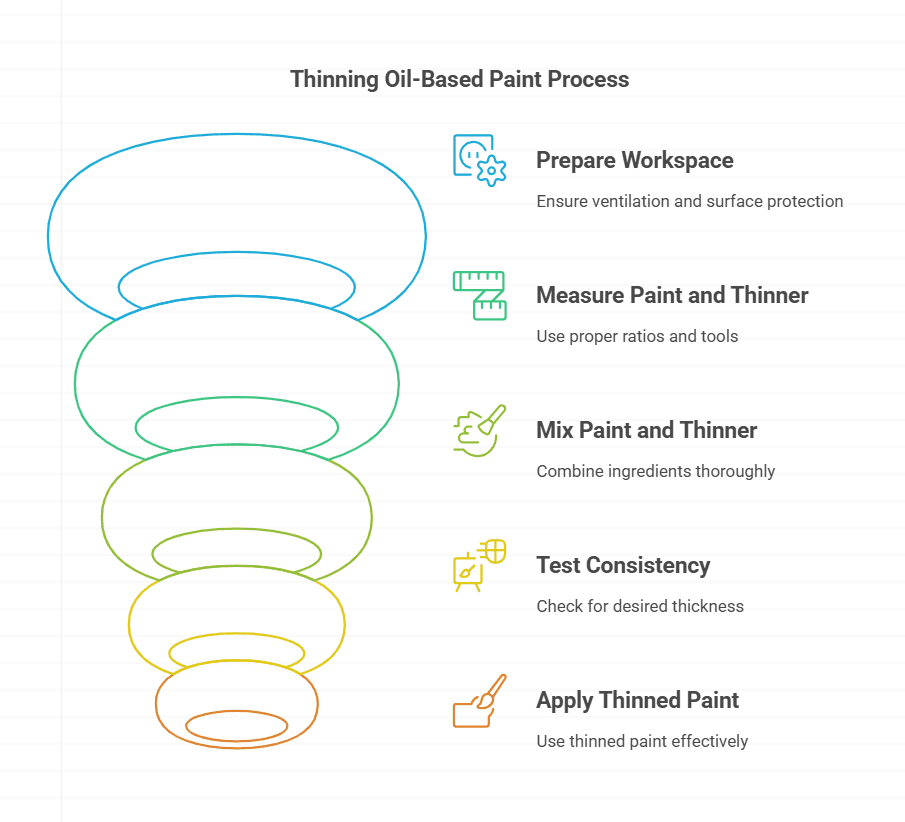
Applying Thinned Paint
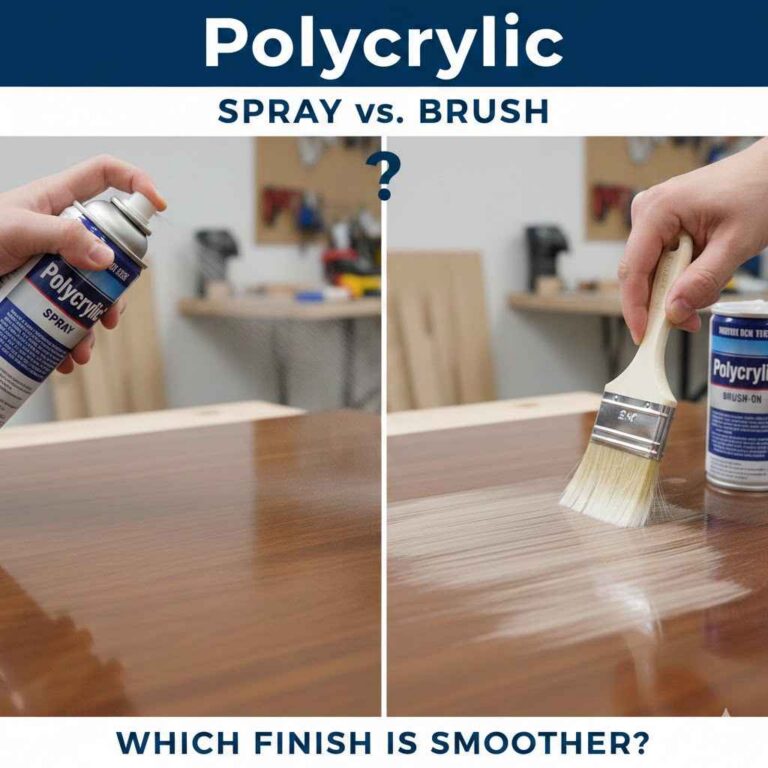
Use a high-quality brush for smooth strokes. Dip the brush in thinned paint. Don’t overload the brush. Apply light coats for better results. Avoid drips by using even strokes. Keep the brush at a 45-degree angle. For rollers, use a short nap roller. Thin paint spreads easily. Roll in a W pattern. This helps cover the surface evenly. Reload the roller often. Apply thin layers of paint.
Use a paint sprayer for smooth finishes. Keep the sprayer 12 inches from the surface. Move the sprayer back and forth. Maintain a steady speed. Thin paint flows easily through the sprayer. Avoid overlaps by keeping consistent distance. Clean the sprayer regularly. This prevents clogs. Practice on scrap wood first. This helps you get the feel.
Cleaning Up After Thinning
Dispose of thinner properly. Never pour it down the drain. Use a container for storage. Take it to a proper disposal site. Keep it away from kids and pets. Follow local rules for disposal.
Clean tools right after use. Use the same thinner to clean brushes. Wipe tools with a cloth. Wash hands with soap and water. Store tools in a safe place. Ensure they are dry before storage.
Safety Precautions
Wear protective gloves and goggles while thinning oil-based paint. Ensure proper ventilation to avoid inhaling fumes. Keep flammable materials away from your workspace.
Protective Gear
Always wear gloves to protect your hands from chemicals. Use goggles to keep paint from your eyes. Masks help you breathe clean air. Wear old clothes. Paint can ruin your good ones. Use ventilation. Open windows or use fans. This helps with fresh air.
Handling Spills
Use rags to clean small spills. For big spills, use sawdust or cat litter. These absorb the paint. Avoid using water for oil-based paint. Water and oil do not mix. Dispose of the waste properly. Put it in a sealed bag. Follow local rules for disposal. Keep kids and pets away from spills.
Frequently Asked Questions
What Is The Best Thing To Thin Oil-based Paint With?
Use mineral spirits or turpentine to thin oil-based paint. These solvents ensure smooth application and proper consistency.
What To Mix With Oil Paint To Make It Thinner?
Mix oil paint with turpentine or mineral spirits to make it thinner. Both options improve paint flow.
Can Oil-based Paint Be Thinned With Water?
No, oil-based paint cannot be thinned with water. Use mineral spirits or paint thinner for thinning oil-based paint.
What Liquid Is Used To Thin Oil Paint?
Turpentine or mineral spirits are commonly used to thin oil paint. These solvents help adjust paint consistency and drying time.
Conclusion
Thinning oil-based paint can seem tricky, but it’s manageable. Follow the steps carefully. Use the right thinner and mix well. Test your paint before starting. Properly thin paint leads to better results. Happy painting!