How to Remove Paint from Wood Trim (3 Methods That Work)
Strip paint from wood trim with a gel or paste stripper wrapped in plastic, then lift it with a plastic scraper and picks. That reaches profiles a heat gun and sandpaper cannot. In a pre-1978 house, treat the paint as lead until a test says otherwise. This guide covers the three methods, trim-specific tools, heat gun fire risk, scorch marks, and nail holes.
3 Methods to Remove Paint from Wood Trim
Best Trim Stripper Pick
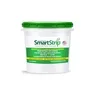 |
Dumond Smart Strip Advanced Paint Remover, 1 Quart ($29.98) A thick, water-based paste you brush on and cover with plastic wrap or laminated paper, exactly the wrapped-stripper method used on the profiled trim in the steps below.
|
As an Amazon Associate we earn from qualifying purchases.
Trim is harder than a flat panel because it has profiles, tight corners, and a hidden gap against the wall. Each method trades speed against risk, and for most painted trim the slow method is the safe one.
| Method | Best on | Watch out for | Lead paint note |
|---|---|---|---|
| Gel or paste stripper under wrap | Moldings, crown, carved or multi-layer trim | Long dwell (30 minutes to 24 hours), messy floors | Keeps paint wet, so no sanding dust; still contain and bag the scrapings |
| Heat gun | Flat baseboard and plain casing with thick paint | Fire behind the trim, scorched wood, cracked glass | Avoid on lead or unknown paint; EPA bans heat guns above 1,100 degrees F in regulated work |
| Dry scraping and sanding | Touch-ups and smoothing bare wood after stripping | Dust, gouges, rounded edges | Makes lead dust; do not dry-sand unknown pre-1978 paint |
Which one fits depends on the part of the trim you are standing in front of:
| Trim part | First choice | Why | Detail tool |
|---|---|---|---|
| Plain flat baseboard | Heat gun (no lead) or stripper | Flat faces scrape cleanly once softened | Plastic scraper, 2 to 3 inch |
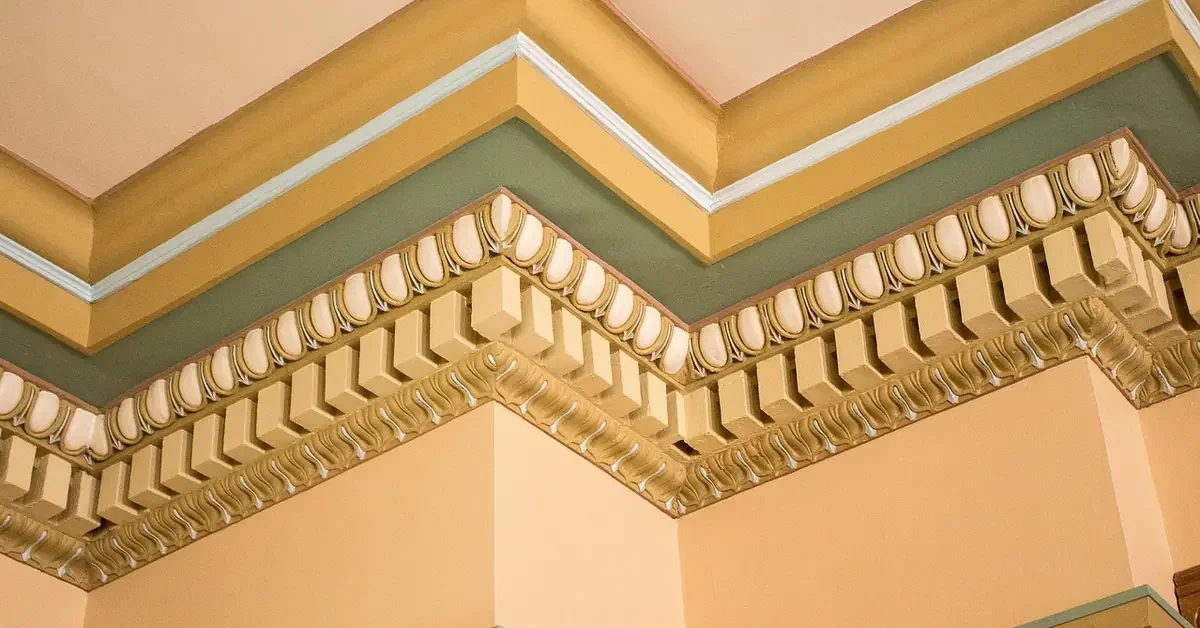
| Door and window casing with cove or ogee | Wrapped stripper | Heat misses the curve and scorches the high points | Contour scraper or wooden skewer |
| Crown and carved molding | Wrapped stripper, second coat if needed | Grooves hold paint a scraper cannot reach | Soft brass brush, nylon pad |
| Window stops and painted-shut joints | Score the seam, then stripper in the joint | Paint bridges the gap and tears wood if pried | Utility knife, thin plastic scraper |
| Trim next to glass | Stripper with the glass taped off | Heat can crack a pane next to the trim | Plastic scraper, painter’s tape |
If you need a method with no chemicals at all, our guide to removing paint from wood without chemicals covers those options. For a general look at how strippers behave on large flat boards, see stripping paint from a wood deck.
Lead Paint on Trim: What the EPA Rules Actually Say
A common myth is that DIY paint removal in an old house is illegal. The EPA says the Renovation, Repair and Painting rule applies to people paid to disturb painted surfaces in homes built before 1978, and that it generally does not apply to homeowners working on their own homes. The exemption disappears if you rent part of the house, run a childcare business in it, or flip it. EPA still recommends lead-safe practices for homeowners; details are on the EPA RRP program page.
EPA lead-safe work practices prohibit open-flame burning, using a heat gun above 1,100 degrees F, and power sanding without a HEPA-attached shroud. Source: EPA, Contractors: Lead Safety During Renovations
Those prohibitions are written for contractors, but they point at the real hazards: heat that vaporizes lead and dust that carries it. For your own trim, the practical rule is simple. If the paint is lead-based or untested, use the wet stripper method, keep children and pets out, and clean up with wet wipes rather than a dry broom.
One more safety fact: EPA banned methylene chloride in consumer paint removers, and after November 22, 2019 it can no longer be sold to consumers for paint removal, according to the EPA methylene chloride rule. If an old can of “fast-acting” stripper is sitting in your garage, do not use it, and take it to a hazardous waste drop-off. Current gel strippers such as the two named below are the replacement. For a deeper look at stripper chemistry on clear finishes, see our guide to removing varnish from wood.
Tools That Work on Trim Profiles
The scraper that works on a flat board is the wrong tool in a groove. Build a small kit before you start:
- Plastic scraper: for flat faces; it will not gouge softwood trim like pine or poplar.
- Contour or profile scraper: matches an ogee or bead so the stripped paint comes out of the curve in one pass.
- Wooden skewers or dowels: sharpened to a flat chisel tip for grooves, and softer than the wood.
- Soft brass brush and a stiff toothbrush: for carved detail and the edge of a bead.
- Nylon abrasive pads: for cleanup; plain steel wool can leave fibers that rust and stain wood.
- Utility knife: to score paint seams and caulk lines before you scrape.
For a gentler look at scraper technique on flat areas, our page on the best way to scrape paint off wood covers blade angles and edge care.

How to Remove Paint from Wood Trim: 8-Step Process
This is the wrapped-stripper method, built for profiled casing and molding. For leftover stripper and rags, see how to dispose of Citristrip.
- Test for lead: On trim in a house built before 1978, use a lead test kit on a scratched spot before anything else, and treat the paint as lead-based until a test says otherwise.
- Protect the room: Tape plastic sheeting over the floor and the wall next to the trim, then score the caulk line between trim and wall with a utility knife so you do not tear wall paint later.
- Apply the stripper: Brush a thick, even layer onto the trim, about 1/8 to 1/4 inch for Smart Strip Advanced. Do not brush it back and forth, which breaks the film.
- Wrap it: Cover the stripper with plastic wrap or laminated paper and smooth it down. This keeps it wet, and wet stripper keeps working.
- Wait for the paint to lift: Check a small spot after 30 minutes, then every few hours. Expect 1 to 24 hours depending on the number of layers, and do not leave it on past 24 hours.
- Scrape the flats: Unwrap one section at a time and push the softened paint off with a plastic scraper, with the grain. Drop scrapings into a lined bag.
- Clear the profiles: Use a wooden skewer, a soft brass brush, or a contour scraper in grooves and carved detail. Re-apply stripper to any stubborn paint instead of scraping it dry.
- Clean the surface: Follow the label: Citristrip calls for a stripper wash and then mineral spirits, while Smart Strip is pH neutral and needs no neutralizer. Let the wood dry before sanding or priming.
Citristrip is the other gel worth considering. Its label directs you to check a test spot after 30 minutes and allows up to 24 hours. Smart Strip Advanced is rated by Dumond for up to 15 layers, applied 1/8 to 1/4 inch thick and left 1 to 24 hours. Dumond says Smart Strip must stay wet to work, and covering any gel slows evaporation, which is why the wrap matters more than the brand.
Using a Heat Gun on Interior Trim Without Starting a Fire
A heat gun is fast on flat, thickly painted baseboard, but the danger is not the board you can see. Heat travels through the gap behind trim into dust, paper, and insulation inside the wall cavity, and the Power Tool Institute warns that hidden areas behind walls and panels can hold flammable material that ignites. Treat these as rules, not suggestions:
- Never point the nozzle into the gap between trim and wall, or into any crack.
- Keep the gun moving and hold it a few inches away; stop when the paint blisters, because dwelling after that only browns the wood.
- Scrape right behind the heat with a plastic or metal putty knife while the paint is soft.
- Keep a fire extinguisher within reach, and check behind and around the trim after you stop, and again later.
- Skip the heat gun entirely on lead or untested paint, near glass, or over any trim you cannot see behind.
An infrared paint stripper is another way to soften paint on flat areas, but the fire and lead cautions above still apply.
Stubborn Paint, Painted-Shut Seams, and Cracked Layers
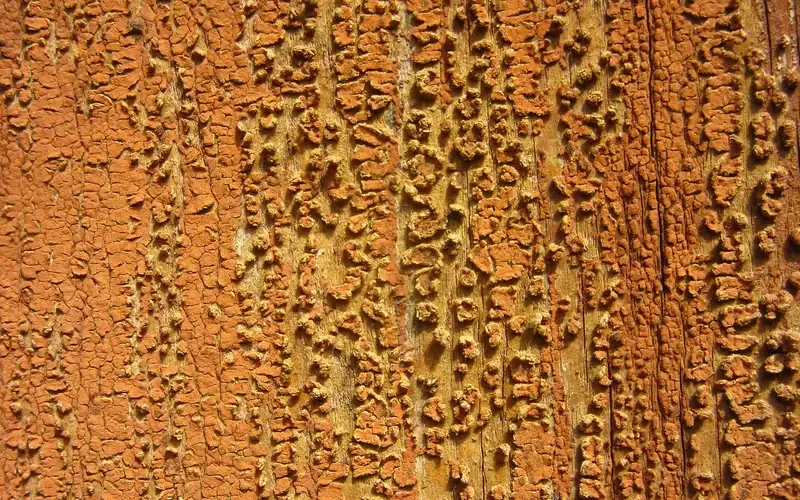
Old oil paint on trim often cracks into a pattern of tiny islands. That is usually many brittle layers, and one stripper pass will lift only the top few. Plan on a second full application, and re-wrap it. Never dry-scrape paint that has not softened, because the scraper digs into the wood before the paint moves.
For paint that has bridged the joint between a window stop and the frame, run a utility knife through the seam first. Then tuck stripper into the joint with a small brush and wrap it. Prying the stop off before the paint softens splits it.
Fixing Scorch Marks, Gouges, and Nail Holes After Stripping
Stripping reveals the damage that paint was hiding. Deal with it before you prime:
- Light scorch or browning: hand sand with 120 grit and then 180 grit, with the grain. Deep burns will not sand out, so plan to prime and paint those spots.
- Nail holes: old holes are often packed with hardened putty and paint. Pick them clean with a skewer before you fill, so the new filler bonds to wood.
- Gouges and splits: fill with wood filler or epoxy filler, let it cure, and sand flush. Use a stainable filler if the trim will get a clear or stained finish.
- Raised grain: wipe with a damp cloth, let it dry, then 180 grit once more before priming.
Once the wood is clean and repaired, our wood trim restoration guide covers whether to refinish or repaint. If your trim carries a clear finish rather than paint, see removing old varnish from wood.
Frequently Asked Questions
How Do You Get Dried Paint Off Trim?
Brush a gel or paste stripper onto the dried paint, cover it with plastic wrap, and wait. Citristrip’s label says to check a test spot after 30 minutes and allows up to 24 hours, while Smart Strip Advanced is rated for 1 to 24 hours. Lift the softened paint with a plastic scraper, working with the grain, and use a wooden pick in the profile. Oil-based paint that has fully cured almost always needs a chemical stripper.
How Do I Remove Paint from Baseboards?
Flat, plain baseboards are the one place a heat gun is practical: keep the gun moving, scrape as the paint softens, and stay away from the gap between the baseboard and the wall. Baseboards with a cove or ogee profile are easier with a wrapped stripper, because heat misses the curves and scorches the high points. Test for lead first if the house was built before 1978.
Will Rubbing Alcohol Remove Paint from Trim?
Only fresh latex paint. Rubbing alcohol can soften latex that dried within a day or two, so it works on spatters and drips from a recent paint job. It does little to cured latex and nothing useful on oil-based paint. For old trim paint, use a gel or paste stripper instead.
How Do You Remove Dried Paint from Wood Without Damaging the Finish?
Only remove what you must. Use a plastic scraper held at a low angle for drips, and test a small hidden spot with mineral spirits for oil-based paint or denatured alcohol for latex before using anything stronger. A stripper removes every coating, including the clear finish underneath, so it is the wrong tool if the finish has to survive.
What Is the Best Paint Stripper for Wood Trim?
For painted trim, a gel or paste stripper that clings to vertical and curved surfaces works best. Citristrip is a citrus gel with a short first check at 30 minutes, and Dumond Smart Strip Advanced is a water-based paste rated for up to 15 layers. Neither replaces a lead test on pre-1978 trim, and neither should be left on longer than 24 hours.
Strip slowly, wrap the stripper, and let the dwell time do the work. Test for lead first, keep a heat gun away from the wall gap, and the trim comes out ready to refinish.
Sponsored / affiliate links. As an Amazon Associate I earn from qualifying purchases. I may earn additional commission from eligible campaigns.