How to Use Step Drill Bit: Ultimate Guide for DIYers
To use a step drill bit, start by securing the workpiece and selecting the appropriate size hole. Then, apply steady pressure and gradually drill through the material, ensuring the bit remains perpendicular to the surface.
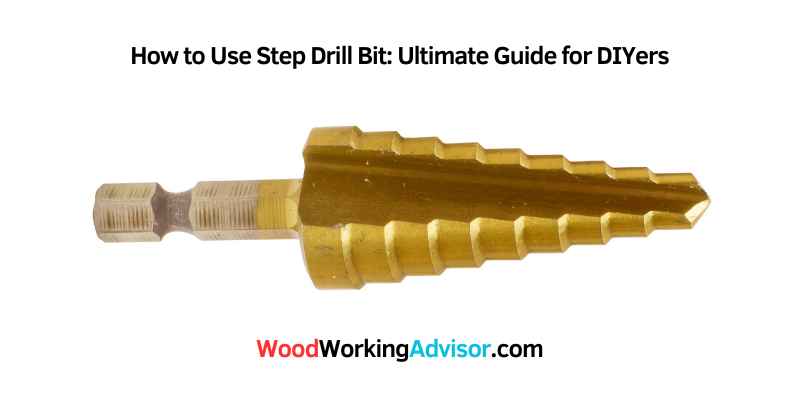
Step drill bits are versatile tools commonly used in woodworking, metalworking, and plumbing projects. They feature multiple cutting edges that gradually increase in size, allowing for the creation of different-sized holes with a single bit. These bits are ideal for drilling through thin materials, as they minimize the risk of cracking or splintering.
Additionally, step drill bits often have a cone-shaped design, which helps to remove material more efficiently and reduce the amount of heat generated during the drilling process. Overall, step drill bits provide a convenient and effective solution for achieving precise and clean holes in various materials.
Introduction To Step Drill Bits
Step drill bits are versatile tools that can be used to create multiple hole sizes in various materials such as metal, wood, and plastic. With their unique design, you can easily drill holes of different diameters using just one bit, making them a convenient and time-saving option for DIY enthusiasts and professionals alike.
If you are looking for a versatile and efficient tool for drilling holes in various materials, step drill bits can be a great choice. These drill bits are designed to create holes of different sizes by gradually widening the hole with each step. This means that you can use one tool to create multiple hole sizes, which can be a big advantage for DIY projects.
The Basics: What Is A Step Drill Bit?
Step drill bits are also known as conical drill bits or unibits. They are designed with a cone-shaped tip that gradually widens as you drill deeper. The tip is made of high-speed steel or cobalt, which makes it strong and durable. The body of the bit is made of a softer material, usually carbon steel, which makes it flexible and able to handle the torque of the drill.
Advantages For DIY Projects
Step drill bits are great for DIY projects because they offer several advantages:
- Versatility: With one tool, you can create multiple hole sizes, which can save you time and money.
- Accuracy: Step drill bits are designed to create precise holes with smooth edges, which can be important for certain projects.
- Efficiency: These bits can drill through a variety of materials, including metal, plastic, and wood, with ease.
- Convenience: Step drill bits are easy to use and don’t require you to change bits for each hole size, which can be a big time-saver.
Overall, step drill bits are a versatile and efficient tool that can be a great addition to your DIY toolkit. With their ability to create multiple hole sizes and their ease of use, they can help you tackle a variety of projects with ease.
Selecting The Right Step Drill Bit
When it comes to drilling holes in different materials, selecting the right step drill bit is crucial. Step drill bits are versatile tools that can drill holes in a wide range of materials, including metal, wood, plastic, and more. In this article, we will discuss the key factors to consider when selecting the right step drill bit for your project.
Different Types And Their Uses
Step drill bits come in various types and sizes, each designed for specific drilling tasks. Here are some of the common types and their uses:
| Type | Uses |
|---|---|
| Single-flute step drill bit | Ideal for drilling thin materials such as sheet metal and plastic |
| Double-flute step drill bit | Great for drilling thicker materials, including wood, aluminum, and steel |
| Step drill bit set | Comes with multiple sizes and is perfect for drilling holes of varying sizes in different materials |
Material Considerations
When selecting a step drill bit, the material you are drilling into is an essential factor to consider. Different materials require different drill bit types and sizes. Here are some material considerations to keep in mind:
- Metal: For drilling into metal, you’ll need a step drill bit made of cobalt or high-speed steel (HSS) to withstand the high temperatures generated during drilling.
- Wood: A step drill bit made of high-speed steel (HSS) is ideal for drilling into wood. For thicker wood, consider using a double-flute step drill bit.
- Plastic: A single-flute step drill bit is perfect for drilling into plastic as it prevents the material from melting or cracking.
By considering the material you are drilling into and the type of step drill bit you need, you’ll be able to select the right tool for the job. Remember always to use the appropriate safety gear when drilling, including eye protection and gloves.
Setting Up For Drilling
Before you start using a step drill bit, it’s important to properly set up your workspace to ensure a safe and efficient drilling process. Taking the time to follow these safety measures and secure your workpiece will help prevent accidents and achieve accurate results.
Safety Measures Before Starting
When working with power tools, safety should always be the top priority. Before you begin drilling with a step drill bit, make sure to take the following safety measures:
- Wear protective goggles or safety glasses to shield your eyes from any potential debris or flying particles.
- Use ear protection such as earplugs or earmuffs to minimize the noise generated by the drilling process.
- Wear appropriate clothing, including long sleeves and closed-toe shoes, to protect your skin and feet from any accidental contact with the drill or workpiece.
- Ensure that your work area is well-lit to improve visibility and reduce the chances of making mistakes.
- Keep your work area clean and free from any clutter or obstacles that could interfere with your drilling process.
Securing Your Workpiece
Before you start drilling, it’s essential to secure your workpiece to prevent it from moving or slipping during the drilling process. This will help maintain accuracy and avoid any potential accidents. Here are a few methods to securely hold your workpiece:
- Use clamps or a vise to firmly hold your workpiece in place. This will provide stability and ensure that it remains stationary throughout the drilling process.
- If clamps or a vise are not available, you can also use double-sided tape or adhesive to attach your workpiece to a stable surface, such as a workbench.
- For smaller workpieces, consider using a handheld clamp or a workpiece holder to keep it steady.
- Ensure that your workpiece is positioned in a way that allows easy access to the area you intend to drill.
By following these safety measures and properly securing your workpiece, you can proceed to use a step drill bit with confidence and achieve accurate and clean drilling results.
Using A Step Drill Bit Effectively
Step drill bits are versatile tools that can be used to create clean and precise holes in various materials. Whether you’re a DIY enthusiast or a professional, knowing how to use a step drill bit effectively can make your drilling tasks easier and more efficient. In this guide, we’ll explore the essential techniques for using a step drill bit to achieve the best results.
Starting Your Drill Hole
1. Secure your workpiece: Before starting, ensure that the material you are drilling is securely clamped or held in place to prevent any movement during the drilling process.
2. Mark the drilling point: Use a marker or a center punch to clearly mark the spot where you want to drill the hole. This will help you to start the drilling process accurately.
Managing Drill Speed And Pressure
1. Gradually increase the speed: Begin drilling at a low speed and gradually increase it as the bit penetrates the material. This helps to maintain control and prevents the bit from slipping or causing damage to the workpiece.
2. Apply consistent pressure: Use a steady and even pressure while drilling to ensure a smooth and uniform hole. Avoid exerting excessive force, as it can lead to overheating of the bit and the material.
Drilling Through Various Materials
Drilling through various materials requires different techniques and considerations. Whether you are working with metal, plastic, or wood, using a step drill bit can make the process more efficient and precise. Below, we’ll explore the best practices for drilling through each of these materials to help you achieve the desired results.
Techniques For Metal Surfaces
When drilling through metal surfaces, it’s essential to use the appropriate technique to avoid damaging the material and ensure clean, accurate holes.
- Secure the metal piece firmly in place using clamps or a vise to prevent movement during drilling.
- Start with a small pilot hole before gradually increasing the size with the step drill bit to prevent overheating and maintain control.
- Apply cutting fluid or lubricant to the drilling area to reduce friction and prevent the bit from dulling prematurely.
Tips For Plastic And Wood
Drilling through plastic and wood requires a different approach compared to metal surfaces, as these materials are softer and more prone to splintering.
- Use a slower drill speed to avoid melting the plastic or causing excessive heat in wood.
- Support the material from underneath with a scrap piece to minimize splintering and ensure a clean exit hole.
- For plastic, consider using a backing board to prevent cracking and distortion during the drilling process.
Caring For Your Step Drill Bits
Proper care and maintenance of your step drill bits are essential for their longevity and optimal performance. By following a few simple steps, you can ensure that your step drill bits remain in great condition and ready for use whenever you need them.
Cleaning After Use
After using your step drill bits, it is crucial to clean them thoroughly to remove any debris or residue that may have accumulated. Cleaning your step drill bits not only helps to maintain their sharpness but also prevents any buildup that could hinder their performance.
To clean your step drill bits, follow these steps:
- Wipe away any visible debris or dust using a clean, dry cloth.
- Use a small brush, such as a toothbrush or a brass wire brush, to gently scrub the flutes of the step drill bits. This will help remove any stubborn dirt or grime.
- Rinse the step drill bits with warm water to remove any remaining residue.
- Dry the step drill bits thoroughly using a clean cloth or towel.
Storage Solutions
Proper storage of your step drill bits is crucial to prevent damage and ensure their longevity. By storing them correctly, you can avoid unnecessary wear and tear, as well as keep them organized and easily accessible.
Consider the following storage solutions for your step drill bits:
- Use a dedicated tool case or toolbox with compartments or foam inserts to keep your step drill bits separate and protected.
- Hang your step drill bits on a pegboard or tool rack, ensuring they are securely fastened to prevent them from falling and getting damaged.
- Store your step drill bits in a drawer or cabinet with dividers or small containers to keep them organized and prevent them from rolling around.
Remember to always store your step drill bits in a dry and clean environment to avoid rust or corrosion.
Troubleshooting Common Issues
To troubleshoot common issues when using a step drill bit, start by ensuring the workpiece is securely clamped. Use a moderate speed and consistent pressure to prevent overheating and dulling. Clear away chips regularly to maintain smooth drilling.
Overcoming Bit Slippage
Bit slippage can occur due to improper alignment.
Try securing the bit firmly in the chuck.
Ensure the bit is centered and straight before drilling.
Dealing With Dull Bits
Dull bits lead to inefficient drilling.
Replace dull bits promptly for better results.
Use sharpening tools to maintain bit sharpness.
Troubleshooting Common Issues
Drilling with a step drill bit can sometimes lead to frustrating issues. Here are simple solutions to common problems that may arise:
Overcoming Bit Slippage
– Secure the bit firmly in the chuck.
– Check alignment before drilling.
– Ensure the bit is centered and straight.
Dealing With Dull Bits
– Replace dull bits promptly.
– Use sharpening tools for maintenance.
– Ensure bits are sharp for efficient drilling.
Advanced Tips And Tricks
Discover advanced tips and tricks for using a step drill bit effectively. Learn how to maximize its potential for creating clean and precise holes in various materials, including metal and wood. Master the art of controlling speed and pressure to achieve professional results with this versatile tool.
Creating Larger Holes
When drilling large holes, start with a small pilot hole.
Ensure the bit is securely fastened in the chuck.
Apply consistent pressure while drilling.
Use slow and steady speed to prevent overheating.
Refining Holes To Precision
Mark the desired depth on the bit.
Drill in steps to avoid jamming.
Clear debris often for smoother drilling.
Use lubricant to reduce friction and heat.
Projects Ideal For Step Drill Bits
Step drill bits are ideal for various projects, offering versatility and convenience. With their ability to create multiple hole sizes in a single bit, they are perfect for tasks like metalwork, woodworking, electrical installations, and more. Upgrade your toolbox with a step drill bit and experience the ease of use and efficiency it brings to your projects.
Home Improvement Applications
Step drill bits are perfect for various home improvement projects.
– Drilling holes in metal pipes
– Creating holes for cable routing
– Installing door locks and hinges
Creative DIY Ideas
Unleash your creativity with step drill bits for DIY projects.
– Making custom keychains
– Crafting plant holders from metal
– Designing unique wind chimes
Conclusion: Mastering The Step Drill Bit
Mastering the step drill bit is essential for any DIY enthusiast or professional. By following the correct techniques, you can easily create clean and precise holes in various materials, including metal, wood, and plastic. With a little practice, you’ll be able to create holes of different sizes effortlessly.
Recap Of Key Takeaways
Using a step drill bit involves following key steps:
- Secure workpiece
- Start with smaller steps
- Use proper speed and pressure
- Keep the bit cool
Encouraging Continued Learning And Practice
To master the step drill bit, practice is essential. Experiment with different materials and thicknesses. Seek online tutorials and guides. Remember, practice makes perfect!
Frequently Asked Questions
What Are The Benefits Of Using A Step Drill Bit?
Using a step drill bit allows for clean, smooth, and precise drilling in various materials. It eliminates the need for multiple drill bits, reduces chipping, and provides faster drilling speed.
How To Choose The Right Size Of A Step Drill Bit?
To select the correct size, identify the desired hole diameter and material. Match the bit’s size range to the hole size needed. Consider the material’s hardness for optimal drilling performance.
Can A Step Drill Bit Be Used On Metal Surfaces?
Yes, step drill bits are ideal for metal surfaces. They offer efficient drilling on metals like steel, aluminum, and copper. The gradual step design prevents snagging and provides accurate hole creation.
Conclusion
Step drill bits are versatile tools for creating various hole sizes in different materials. By following the proper techniques and safety precautions, you can achieve precise and clean results. Remember to choose the right bit for your project and maintain it properly for long-lasting performance.
With practice and patience, you can master the art of using step drill bits for all your drilling needs.