How To Use Wormwood For Parasites The Ultimate Safe Guide
To use wormwood for parasites, work with a healthcare provider to choose a high-quality supplement (capsule or tincture) and follow a short-term, cyclical plan—typically 1-2 weeks on, followed by a break. Always start with a low dose to check for side effects and never exceed the recommended amount due to the potent compound thujone.
Have you ever heard of a parasite cleanse? It’s a topic that brings up a lot of questions. One of the most talked-about herbs in this conversation is wormwood. For centuries, this powerful plant has been used in traditional medicine to fight off unwanted internal guests. But using it correctly is key to staying safe.
Many people feel intimidated or confused about how to use wormwood. Is it a tea? A pill? How much is too much? It’s easy to feel lost with all the information out there. Don’t worry, you are not alone in feeling this way.
This guide will clear up the confusion. We will walk you through exactly what wormwood is, how it works, and most importantly, how to use it safely and effectively. We will cover the different forms, proper dosing, and the crucial safety steps you must take. Let’s begin.
What Exactly Is Wormwood?
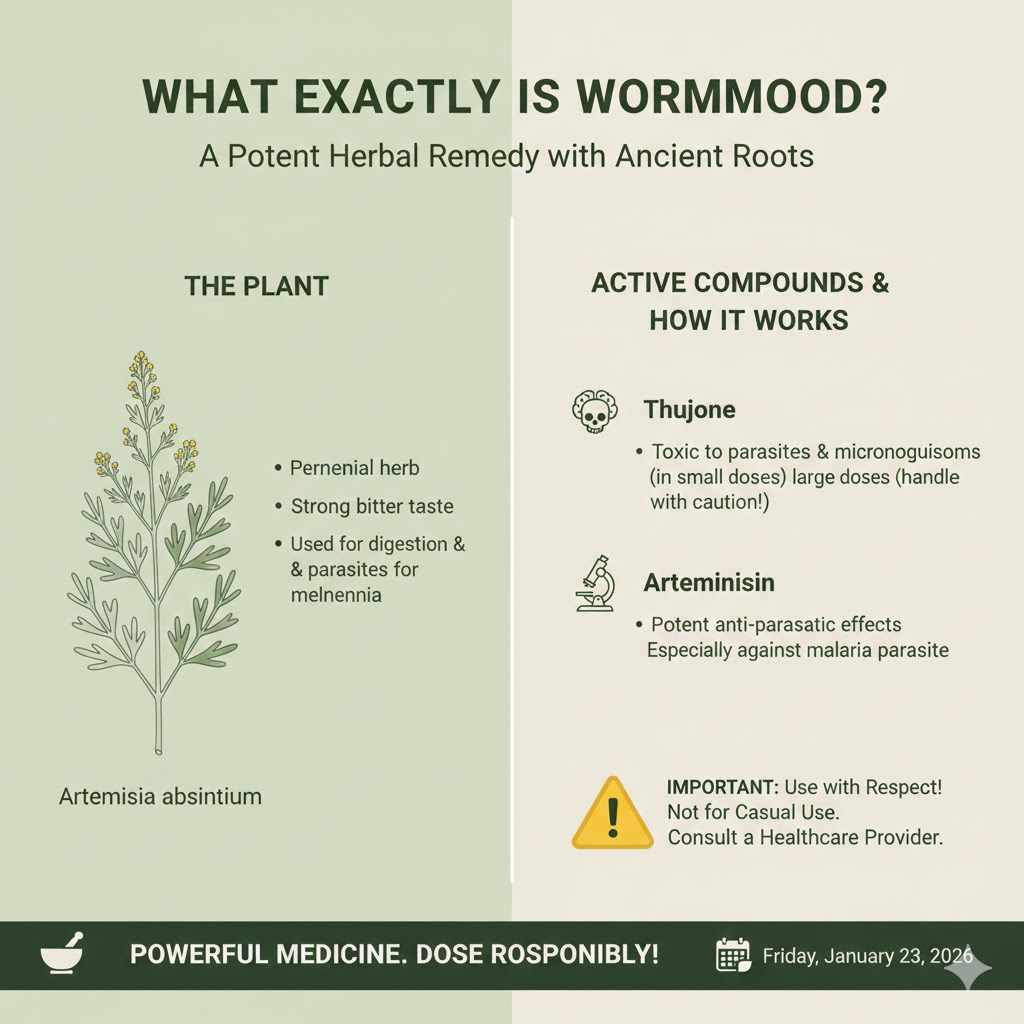
Wormwood, known scientifically as Artemisia absinthium, is a perennial herb with silvery-green leaves and a strong, bitter taste. It belongs to the same plant family as daisies, sunflowers, and ragweed. For thousands of years, cultures across the globe have used wormwood for various medicinal purposes, most famously for digestive issues and eliminating parasites.
The plant’s power comes from its active compounds. The two most important ones to know are:
- Thujone: This is the most well-known compound in wormwood. In small, controlled amounts, it’s believed to have properties that are toxic to parasites and other microorganisms. However, in large doses, thujone can be a neurotoxin, which is why safety and proper dosing are so important.
- Artemisinin: This compound and its derivatives have gained significant attention for their potent anti-parasitic effects, especially against the malaria parasite. Research on its broad effectiveness continues to grow.
Because of these powerful components, wormwood should always be treated with respect. It’s not an herb to be used casually like chamomile or peppermint.
How Does Wormwood Help with Parasites?
The idea behind using wormwood is that its active compounds disrupt the normal functions of parasites, leading to their paralysis and death. Think of it as creating an inhospitable environment for these unwelcome organisms.
The primary mechanism is believed to be the neurotoxic effect of thujone on parasites like pinworms, roundworms, and tapeworms. It essentially damages their central nervous system, making it impossible for them to survive and reproduce. According to research published by institutions like the National Center for Biotechnology Information, compounds in the Artemisia family have demonstrated significant anti-parasitic activity.
Additionally, wormwood is known as a “bitter.” Bitter herbs stimulate the production of stomach acid and digestive enzymes. This improved digestive function helps strengthen your gut, making it a less welcoming place for parasites to thrive in the first place.
Before You Start: Critical Safety Precautions
This is the most important section of this guide. Using wormwood without following safety rules can be dangerous. Your health is the top priority, so please read and follow these rules carefully.
The Golden Rules of Using Wormwood
- Consult a Healthcare Professional First: This is not optional. Before you take any wormwood, talk to a doctor, naturopath, or clinical herbalist. They can help confirm if you have a parasitic infection, determine if wormwood is right for you, and guide you on a safe dosage. Self-diagnosing can be risky.
- Never Use If Pregnant or Breastfeeding: Wormwood can stimulate uterine contractions and may be harmful to a developing fetus. The compounds can also pass into breast milk. It is strictly not recommended for pregnant or nursing mothers.
- Avoid with Certain Medical Conditions: If you have a history of seizures, epilepsy, kidney disease, or liver problems, you should not use wormwood. Its compounds, particularly thujone, can worsen these conditions.
- Understand the Risk of Thujone: High doses or long-term use of wormwood can lead to thujone poisoning. Symptoms can range from nausea and dizziness to seizures and kidney failure. This is why following short-term cycles is essential.
- Short-Term Use Only: Wormwood is not a long-term supplement. A typical cycle is no more than two to four weeks, followed by a break of at least the same length. This prevents thujone from building up in your system to toxic levels.
- Choose High-Quality Products: Source your wormwood from reputable brands that test their products for purity and potency. Look for supplements that specify the amount of Artemisia absinthium and, if possible, are low in thujone.
Choosing the Right Form of Wormwood
Wormwood is available in several different forms. The one you choose will depend on your comfort level, the guidance of your healthcare provider, and your preference for dosing.
1. Capsules or Tablets
This is often the easiest and most recommended method for beginners. Capsules contain a pre-measured dose of dried, powdered wormwood. This takes the guesswork out of measuring and helps you avoid the intensely bitter taste.
- Pros: Precise dosing, convenient, no bitter taste.
- Cons: You cannot adjust the dose as easily as a liquid.
2. Tincture or Liquid Extract
A tincture is a concentrated liquid extract made by soaking the herb in alcohol or glycerin. It’s taken using a dropper, usually mixed with a small amount of water. Tinctures are absorbed quickly by the body.
- Pros: Fast absorption, easy to adjust the dose drop by drop.
- Cons: Extremely bitter taste, requires careful measurement.
3. Dried Herb (For Tea)
You can also buy dried wormwood leaves to make tea. While this is a traditional method, it is the most difficult one for controlling the dose of thujone. The strength of the tea can vary greatly depending on how much herb you use and how long you steep it.
- Pros: Natural form, inexpensive.
- Cons: Difficult to dose accurately, high risk of inconsistent thujone levels, very bitter.
For a beginner-focused, safety-first approach, capsules or a high-quality tincture are generally the best choices.
Wormwood Forms Compared
| Form | Ease of Dosing | Potency Control | Taste | Best For |
|---|---|---|---|---|
| Capsules | Very Easy | Excellent (Pre-measured) | None | Beginners and those wanting precise, convenient doses. |
| Tincture | Easy to Moderate | Good (Adjustable drops) | Extremely Bitter | Users who need to adjust their dose and want fast absorption. |
| Dried Herb (Tea) | Difficult | Poor (Inconsistent) | Very Bitter | Experienced users under professional guidance ONLY. Not recommended for beginners. |
How to Use Wormwood for Parasites: A Step-by-Step Guide
Now that you understand the basics and safety rules, here is a step-by-step process for a typical wormwood parasite cleanse. Remember, this is a general guide. Your healthcare provider’s instructions are the ones you must follow.
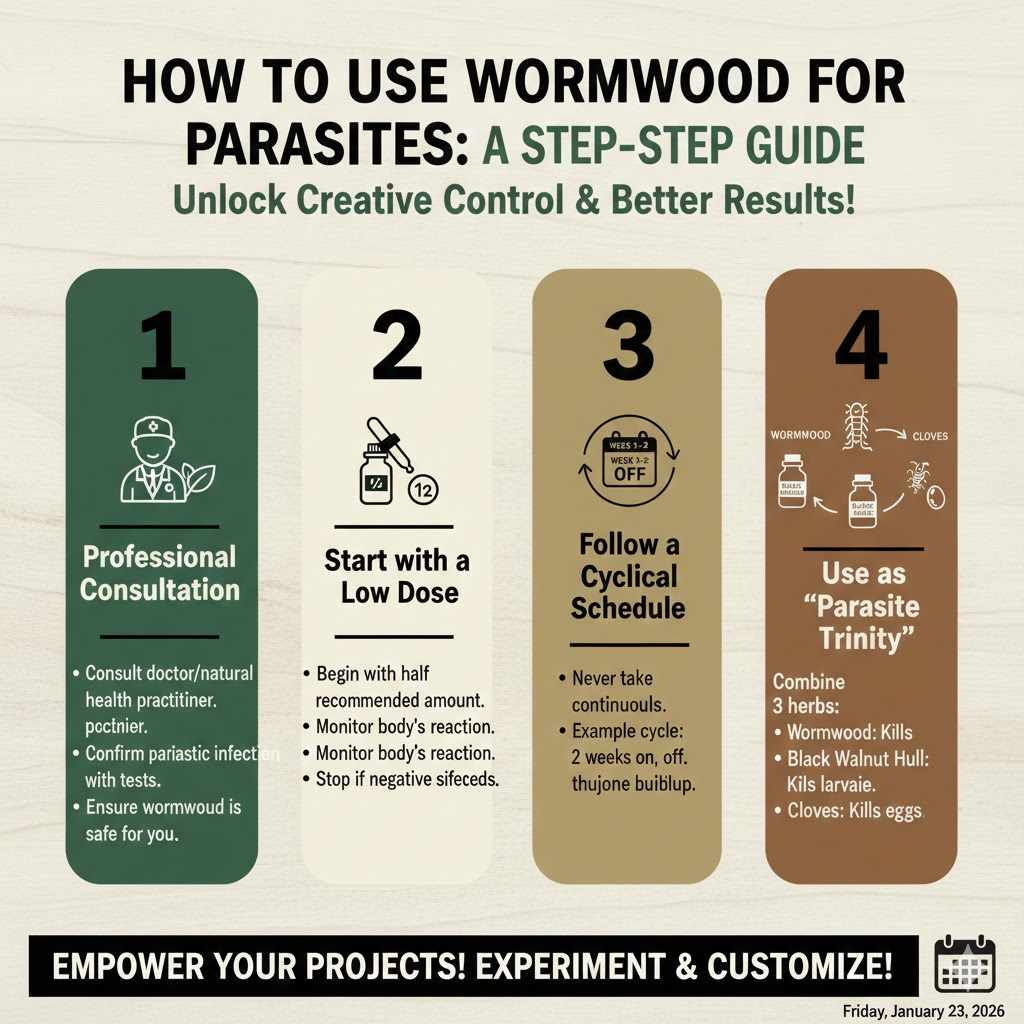
Step 1: Get a Professional Consultation
Before you buy anything, schedule an appointment with your doctor or a qualified natural health practitioner. Discuss your symptoms. They may recommend tests to confirm a parasitic infection. This step ensures you are treating the right problem and that wormwood is safe for you.
Step 2: Start with a Low Dose
When you begin, don’t jump to the maximum recommended dose on the bottle. Start with half the recommended amount for the first few days. This allows you to see how your body reacts. If you experience any negative side effects, stop and consult your provider.
Step 3: Follow a Cyclical Schedule
Wormwood should never be taken continuously. The standard approach is to “cycle” it. This means taking it for a set period and then taking a break. A common cycle is:
- Weeks 1-2: Take wormwood daily as recommended.
- Weeks 3-4: Stop taking wormwood completely.
This break allows your body to process the compounds and prevents thujone from reaching harmful levels. Your practitioner might recommend a different cycle based on your needs.
Step 4: Use it as Part of a “Parasite Trinity”
Wormwood is most effective when used with two other herbs: black walnut hull and fresh cloves. This combination is famously known as a parasite cleanse “trinity” or “trio.” Each herb has a specific role:
- Wormwood (Artemisia absinthium): Kills adult parasites.
- Black Walnut Hull (Juglans nigra): Kills the larval stages of parasites.
- Cloves (Syzygium aromaticum): Kills the parasite eggs.
Using all three together addresses the entire life cycle of the parasites, which can lead to a more effective cleanse. You can often find these three herbs combined in a single supplement product.
Sample 14-Day Wormwood Cleanse Schedule (Illustrative Example ONLY)
This is an example and NOT medical advice. Follow the instructions on your product label and from your healthcare provider.
| Day | Action | Notes |
|---|---|---|
| Day 1-3 | Take a half dose once per day. | Check for any initial side effects like headache or nausea. Drink plenty of water. |
| Day 4-14 | Take the full recommended dose. | This is often split into 2-3 smaller doses throughout the day, taken before meals. |
| Day 15+ | STOP taking the supplement. | Begin your “off” cycle of at least two weeks before considering another round if advised by your doctor. |
Step 5: Support Your Body During the Cleanse
A parasite cleanse can be taxing on your body. As parasites die, they release toxins. This can sometimes lead to what is known as a “die-off” or Herxheimer reaction, with symptoms like fatigue, headaches, or bloating.
To support your body and minimize these effects:
- Stay Hydrated: Drink plenty of water throughout the day to help your kidneys and liver flush out toxins.
- Eat a Clean Diet: Focus on whole foods, especially those high in fiber like vegetables, fruits, and whole grains. Fiber helps bind to toxins and move them out of your digestive tract.
- Avoid Sugar and Processed Foods: Parasites are thought to thrive on sugar. Cutting back can help weaken them and prevent them from multiplying.
- Get Plenty of Rest: Your body is working hard. Make sure you get enough sleep to support your immune system and detoxification organs.
Frequently Asked Questions (FAQ)
1. How long does it take for wormwood to work?
Many people report noticing changes within the first one to two weeks of a cleanse. However, the exact timing can vary greatly depending on the individual, the type of parasite, and the dosage. A full cleanse protocol, including the “off” cycles, may take several weeks to be effective.
2. Can I drink wormwood tea every day?
No, you should not drink wormwood tea every day for an extended period. Due to the variable and potentially high levels of thujone, daily long-term consumption is unsafe. Wormwood should only be used for short, specific periods under professional guidance.
3. What are the signs a parasite cleanse is working?
Some people may experience improved digestion, increased energy, and reduced bloating as positive signs. Initially, you might also experience die-off symptoms like mild headaches, fatigue, or gas. In some cases, you may even see parasites in your stool, though this is not always the case.
4. Is wormwood safe for children?
Generally, wormwood is not recommended for children due to the risk of thujone toxicity. Their smaller bodies are more susceptible to its potent effects. Never give a child wormwood without the explicit direction and supervision of a qualified pediatrician or pediatric herbalist.
5. What is the difference between wormwood and sweet wormwood?
This is a great question. They are different plants. Common wormwood is Artemisia absinthium. Sweet wormwood, or Artemisia annua, is a related but distinct species. Sweet wormwood is the source of artemisinin and contains very little to no thujone, making it a different type of herbal remedy often used for other purposes, like fighting malaria. Always check the scientific name on your supplement.
6. What should I eat during a wormwood cleanse?
Focus on a diet rich in fiber, antioxidants, and anti-inflammatory foods. Good choices include leafy greens, cruciferous vegetables (like broccoli and cabbage), berries, garlic, ginger, and pumpkin seeds. Avoid sugar, refined carbohydrates, alcohol, and processed foods, which can feed parasites and hinder the cleanse.
7. Can I buy wormwood supplements over the counter?
Yes, wormwood supplements are widely available at health food stores and online. However, availability does not mean it should be used without caution. It’s crucial to choose a product from a trusted brand and to consult a healthcare provider before starting to use it.
Conclusion: A Powerful Tool to Be Used Wisely
Wormwood is undeniably a potent and historically significant herb in the fight against parasites. Its powerful compounds can create an environment where these unwanted organisms cannot survive. When used correctly, it can be an effective part of a broader health protocol.
However, its power demands respect and caution. The key to using wormwood is to prioritize safety above all else. This means always starting with a professional consultation, choosing a high-quality product, following a short-term, cyclical schedule, and listening to your body every step of the way.
By following this guide, you can navigate the world of herbal parasite cleansing with confidence and care. You are now equipped with the knowledge to make informed, safe decisions on your journey toward better gut health.