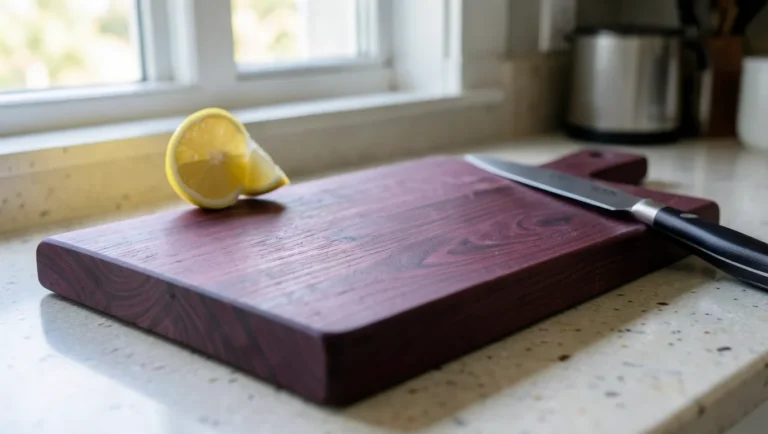
Black vs. Ebony: What’s the Real Color and Wood Difference?
Ebony is not true black — the color ebony is a dark shade with brown-olive undertones (hex #555D50), while true black (#000000) is the complete absence of light. Confusing the two matters most in woodworking and design, where mismatched undertones show up under warm lighting. This guide covers the real color difference, why only a small share of ebony wood is genuinely jet-black, and how to choose between them.
What Color Is Ebony?
Best Ebony-Look Wood Stain Pick
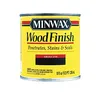
Minwax Wood Finish Semi-Transparent Ebony Oil-Based Wood Stain
The classic ebony-toned stain for oak, walnut, or maple projects — gets you the ebony look without the cost of true ebony lumber.
- Best for: furniture, trim, and cabinet projects wanting an ebony-black finish
- Why we picked it: oil-based penetrating formula shows off grain instead of hiding it, matching the ebony color reference above
- Main drawback: oil-based means longer dry time and mineral-spirits cleanup
Compare more ebony-stain options
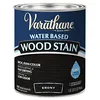 Option 1 Varathane Water Based Wood Stain, Ebony
|
 Option 2 Varathane Less Mess Wood Stain + Applicator, Ebony
|
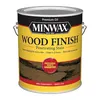 Option 3 Minwax Ebony Wood Finish, 2-Pack Gallon
|
As an Amazon Associate we earn from qualifying purchases.
Ebony is a very dark shade with a hex code of #555D50 — a near-black tone with olive-green and brown undertones, not a pure black. True black is #000000, the complete absence of color in the RGB model. Side by side, ebony reads slightly warmer and softer than jet black, which is why it’s favored in interior design for a less stark look.
| Color | Hex Code | RGB | Best For |
|---|---|---|---|
| Ebony | #555D50 | 85, 93, 80 | Warm interiors, wood finishes |
| True Black | #000000 | 0, 0, 0 | High contrast, digital design |
| Jet Black (paint) | #0a0a0a | 10, 10, 10 | Automotive, near-pure black finishes |
📊 Ebony and black have a 1.1:1 contrast ratio — too close for readability if paired together as text and background. Ebony and white, by contrast, hit a 19.4:1 ratio, easily meeting AAA accessibility standards. Source: WebAIM contrast data via Figma color reference.
What Is Ebony? (The Wood Behind the Color)
Ebony is the common name for wood from the Diospyros genus — nearly 800 tree species, mostly native to tropical Africa and Asia, but only a small fraction produce true black heartwood. Gabon ebony (Diospyros crassiflora) is the species most prized for solid, jet-black lumber; Ceylon ebony from Sri Lanka and India is coal-black with gray or brown streaks. Most ebony that reaches the market is actually striped or clouded with brown and gray, not solid black — fully black boards are the rare exception, which is part of why genuine ebony lumber commands a premium price.
This scarcity is exactly why ebony wood has historically gone to small, high-value items rather than furniture frames: piano keys, musical instrument fingerboards, knife handles, and inlay work, where a little bit of dense, dark wood goes a long way. If you’re comparing ebony to other options, our complete wood species guide covers how it stacks up against other hardwoods.

Introduction To Black And Ebony
Black is a color without light. It is deep and dark. Many people use black in fashion. It is classy and timeless. Some think black means sadness. Others think it shows power.
Ebony is a type of wood from the Diospyros genus. It is very dark and dense — among the heaviest woods in the world, dense enough to sink in water. People use ebony for furniture accents, inlays, and musical instruments. It has a rich and smooth look and is prized for its durability.
Historical Significance
Black and Ebony have played important roles in culture. Black often symbolizes power and mystery. It is used in many traditions. Ebony represents luxury and prestige. It is used in art and furniture. Both colors have deep meanings in different cultures.
Black has been used in clothing for centuries. It is seen in mourning attire. Ebony is a rare wood. It has been used in making musical instruments and royal furniture for over 2,000 years — Egyptian tombs, including Tutankhamun’s, contained ebony furniture and figurines. Its rich color and scarcity made it as valuable as ivory in ancient trade.
Color Variations
Black and ebony are often confused due to their dark tones. Black is a pure, deep shade. Ebony, meanwhile, has a slightly warmer, brownish-olive tint. Both colors add elegance but differ subtly in hue.
Shades Of Black
Black has many shades. Jet black is the deepest. Charcoal black is softer. Matte black has no shine. Satin black has a little shine. Glossy black is very shiny. Each shade gives a different feel. Black can be warm or cool.
Shades Of Ebony
Ebony is very dark. It is close to black. Pure ebony is deep and rich. It looks almost black. Ebony wood has dark lines. Sometimes it has a bit of brown. Ebony can also be polished. It can shine like black.
Material Differences
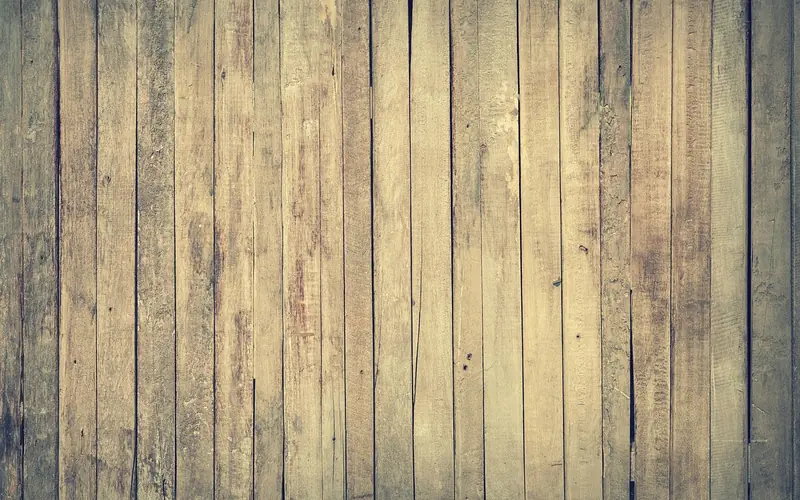
Black materials are common. They include plastic, fabric, and paint. Black plastic is used in many products. Black fabric is popular for clothing. Paint in black color is used for walls and cars. These materials are easy to find and often affordable. They provide a sleek, modern look.
Ebony is a type of wood. It is very dark and dense — real ebony lumber can run several times the cost of common hardwoods like oak or walnut because so little of it grows truly black. Often used in furniture accents and musical instruments. This wood is known for its durability and fine, tight grain. Many people admire its rich, dark color. It adds elegance to any item.
Applications In Design
Black is a classic choice in fashion. It looks elegant and timeless. Many designers use black to create a slimming effect. Ebony has a deep, rich tone. It adds a touch of luxury. Ebony can make a bold statement.
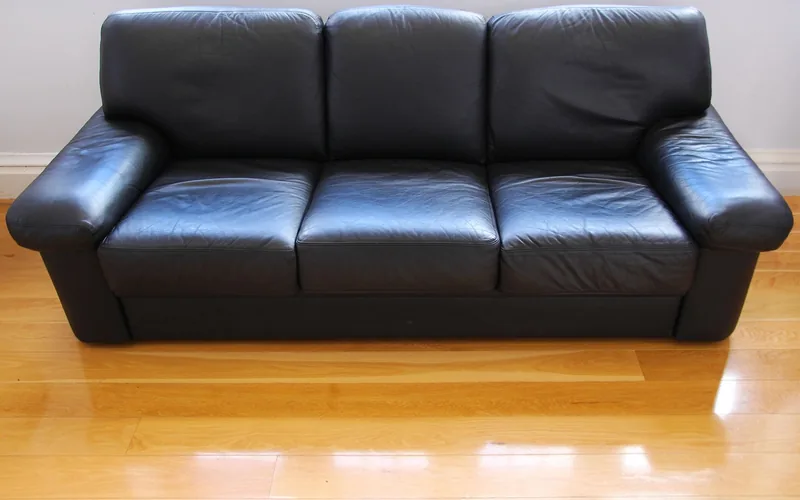
Black is versatile in interiors. It pairs well with many colors. Black furniture can look modern and chic. Ebony offers a warmer feel. If you want the ebony look on furniture or trim without paying for scarce solid-black lumber, an ebony-toned wood stain applied to oak, walnut, or maple gets you close for a fraction of the cost.
Symbolism And Meanings
Black often represents mystery and power. People wear black to show strength. Black can also mean elegance. Many formal clothes are black. Black can make spaces look modern and sleek. Some think black is a color of sadness or bad luck. In stories, black often shows the unknown. It can be scary or exciting.
Ebony is a rich, dark color. It stands for luxury and beauty. Ebony wood is rare and valuable. People use it for fancy furniture accents. This color can be very deep and shiny. It shows excellence. Ebony is strong and lasts long. It can be polished to look even better. Many love ebony for its unique charm.
Care And Maintenance
Black items often attract dust. Regular cleaning keeps them looking fresh. Use a soft cloth to wipe them down. Avoid harsh chemicals. Mild soap and water are good. Dry them completely after cleaning. Store them in a cool place. This prevents damage.
Ebony needs special care. It is a delicate wood. Use a dry cloth for cleaning. Wax can protect ebony. Apply wax gently. Buff it to a shine. Keep ebony away from direct sunlight. This keeps it from fading. Store in a dry area.
Modern Trends
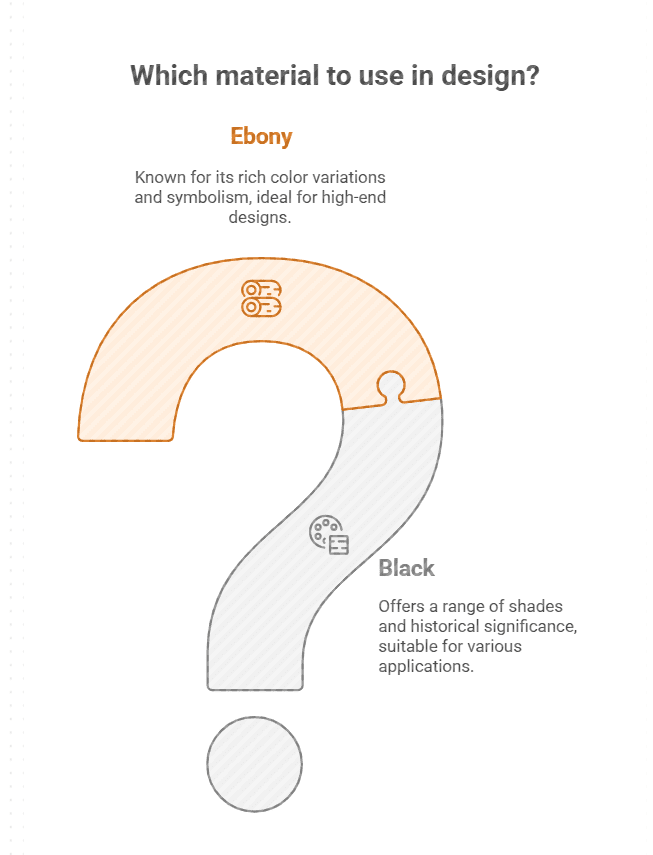
Artists often use black in paintings and drawings. It gives depth and contrast. Many also choose ebony for its rich, dark hue. Ebony can add elegance and mystery. Both colors are popular in sculpture and digital art. They help create shadows and highlights. Some artists mix black and ebony for unique effects. These shades can evoke different emotions.
Furniture makers love ebony for its beauty. Ebony wood is often used as an accent in high-end tables and chairs, since solid ebony furniture would be prohibitively expensive. Black leather is popular in couches and car seats. Black is also common in fashion. Think of classic black dresses and suits. Ebony remains a favorite for musical instruments, from piano keys to guitar fretboards. If you’re choosing a fretboard wood specifically, see our ebony vs rosewood comparison for tone, feel, and cost differences. See more black-and-wood interior design ideas for pairing both in a room. Both colors are stylish and timeless.
Frequently Asked Questions
Is Ebony Color The Same As Black?
Ebony is not the same as black. Ebony is a dark, rich, and slightly brownish-black color (hex #555D50), resembling the wood it’s named after, while true black (#000000) is the complete absence of light.
What Is The Difference Between Black And Ebony Wood?
Black wood refers to any dark-colored timber, including stained boards. Ebony wood is a specific type of wood from the Diospyros genus, known for its dense, fine texture and, in the rarest boards, genuinely deep black color — most ebony is actually brown-streaked rather than solid black.
What Is The Difference Between Ebony And Ebony Black?
Ebony refers to a dense, dark hardwood from the Diospyros genus. Ebony black describes the color — a very deep, rich near-black shade often used to describe stains, fabrics, or paints inspired by that wood.
Is Black Ebony Black?
Yes, in its highest grade — Gabon ebony (Diospyros crassiflora) — the wood is genuinely black. Most ebony lumber on the market, however, is streaked with gray or brown rather than solid black.
What Is Ebony Wood Used For?
Ebony wood is used for piano keys, guitar fretboards, knife handles, decorative inlays, and small high-end furniture accents. Its rarity and weight (dense enough to sink in water) make it impractical for full furniture frames, so it’s typically reserved for small, detail-focused pieces.
Can You Get The Ebony Look Without Real Ebony Wood?
Yes. An ebony-toned wood stain applied to oak, walnut, or maple gives a close visual match to genuine ebony at a fraction of the cost, since true ebony lumber is scarce and priced accordingly.
Conclusion
Choosing between black and ebony depends on personal preference and context. Both colors offer elegance and depth. Black is classic and versatile. Ebony brings a touch of warmth and richness, along with a real story rooted in a genuinely rare hardwood. Consider your style, budget, and whether you need the real wood or just the look.
For more on choosing the right finish for your next project, see our guide to picking the best wood stain.
Sponsored / affiliate links. As an Amazon Associate I earn from qualifying purchases. I may earn additional commission from eligible campaigns.