Discover the Beauty of Painted Plywood Floors: A Budget-Friendly Home Upgrade
Hey there! Let’s talk about something that’s been catching my eye lately—painted plywood floors. When I first stumbled across images of painted plywood floors online, I was blown away. Who knew a simple sheet of plywood could transform a room into something so stylish and unique? As a woodworking enthusiast, I’ve spent hours exploring this trend, and I’m excited to share everything I’ve learned with you. Whether you’re a DIY newbie or a seasoned home renovator, painted plywood floors are a game-changer. They’re affordable, customizable, and surprisingly durable. So, grab a cup of coffee, and let’s dive into this creative flooring solution that’s perfect for any home in the USA.
Why Choose Painted Plywood Floors?
I’ll be honest—when I first considered plywood for flooring, I was skeptical. Plywood? The stuff used for subfloors? But then I saw the magic of paint. Painted plywood floors are a fantastic option for anyone looking to refresh their space without breaking the bank. They’re way cheaper than hardwood or tile, and the possibilities for design are endless. You can go bold with bright colors, create intricate patterns, or keep it classic with a soft white or gray finish.
What I love most is how forgiving plywood is. It’s not perfect, and that’s okay. The grain and texture add character, especially when painted. Plus, it’s a sustainable choice since plywood is often made from fast-growing trees. If you’re like me and want a floor that’s both eco-friendly and wallet-friendly, this is a great pick. I’ve seen these floors in cozy cottages, modern lofts, and even family homes with kids and pets. They hold up well with the right prep and finish.
How to Prepare Plywood for Painting
Now, let’s get into the nitty-gritty. I’ve learned that prep work is everything when it comes to painted plywood floors. Trust me, you don’t want to skip these steps. First, you need to choose the right plywood. I recommend birch or maple plywood with a smooth surface. Avoid construction-grade plywood with knots and rough patches—it’s harder to paint.
Once you’ve got your plywood, make sure it’s clean and dry. I usually sweep and vacuum the surface to remove dust. Then, I sand it lightly with 120-grit sandpaper to smooth out any imperfections. This step is crucial for a polished look. After sanding, I wipe the floor with a damp cloth to remove debris.
Next, you’ll need to fill any gaps or seams. I use wood filler for small cracks and caulk for larger joints. Let it dry completely before sanding again. Finally, apply a primer. I’ve found that a high-quality, stain-blocking primer makes the paint adhere better and prevents the wood grain from bleeding through. Two coats of primer usually do the trick. It’s a bit of work, but it’s worth it when you see the final result.
Choosing the Perfect Paint for Your Plywood Floor
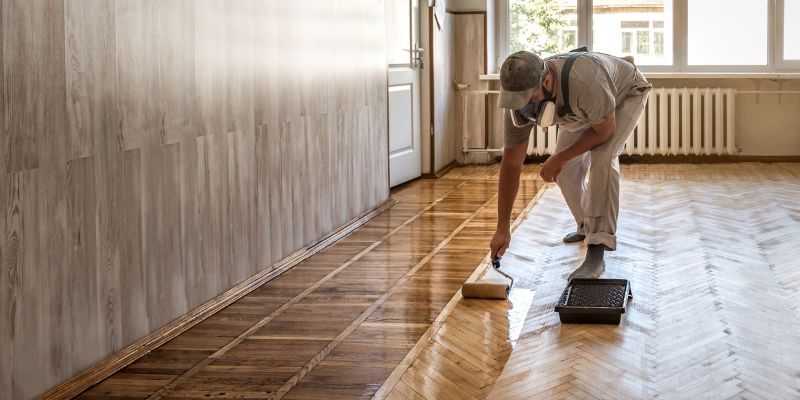
Picking the right paint can feel overwhelming. I’ve been there, staring at endless cans in the hardware store. For plywood floors, you want a paint that’s tough enough to handle foot traffic. I always go for porch and floor enamel paint. It’s designed for high-traffic areas and holds up well over time. Latex-based paints are my favorite because they’re easy to clean up and dry quickly.
Color is where the fun begins. I’ve seen stunning images of painted plywood floors in every shade imaginable. Soft grays and whites give a clean, modern vibe. Bold blues or greens add a pop of personality. If you’re feeling adventurous, try a pattern like chevron or diamonds. I once saw a floor painted with a black-and-white checkerboard design, and it was jaw-dropping.
Before you commit, test your paint on a small piece of plywood. I made the mistake of skipping this once, and the color looked totally different under my room’s lighting. Also, don’t skimp on quality. Cheap paint chips easily, and you’ll regret it. Brands like Benjamin Moore and Sherwin-Williams have great options for floor paint.
Creative Design Ideas for Painted Plywood Floors
This is my favorite part—getting creative! Images of painted plywood floors are full of inspiration. You can keep it simple with a solid color or go all out with a custom design. Here are a few ideas I’ve come across:
- Solid Color: A single color like creamy white or charcoal gray creates a timeless look. It’s perfect for small spaces because it makes the room feel larger.
- Stenciled Patterns: Stencils are a game-changer. I’ve seen floors with Moroccan tile patterns or geometric shapes. They look high-end but are surprisingly easy to do.
- Stripes or Chevrons: Bold stripes or chevron patterns add energy to a room. I love how they draw the eye and make a space feel dynamic.
- Faux Wood Grain: If you love the look of hardwood but not the price, you can paint a wood grain effect. It takes patience, but the results are stunning.
- Checkerboard: This classic pattern never goes out of style. Black and white is traditional, but I’ve seen soft pastels used for a modern twist.
I recently tried a stenciled pattern in my guest room, and it was so much fun. I used a large tile stencil and layered two colors—navy and white. It took a weekend, but the compliments I get make it worth it. If you’re nervous about patterns, start small. Maybe try a border design or a single accent area.
Step-by-Step Guide to Painting Your Plywood Floor
Let me walk you through the process I use. It’s straightforward, but it takes time and care. Here’s how I paint a plywood floor:
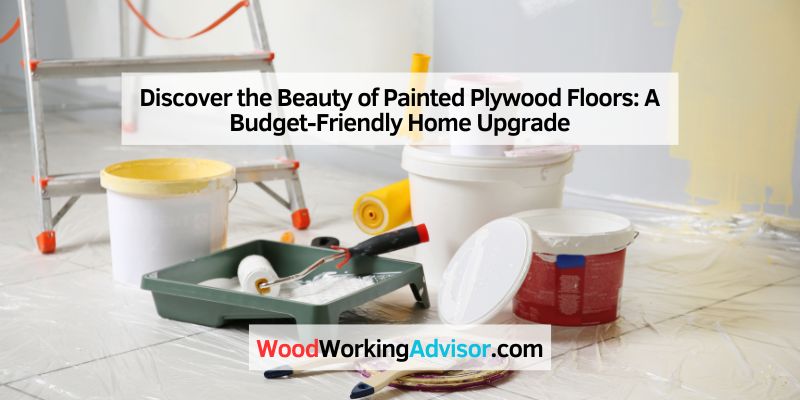
- Gather Supplies: You’ll need primer, paint, a roller, brushes, painter’s tape, sandpaper, and a clear topcoat. I also keep a drop cloth handy to protect nearby surfaces.
- Prep the Floor: Clean, sand, and prime the plywood as I mentioned earlier. Let the primer dry for at least 24 hours.
- Apply Base Color: Roll on your base paint color with a low-nap roller for a smooth finish. I usually do two coats, letting each dry completely.
- Add Patterns (Optional): If you’re using stencils or tape for patterns, apply them carefully. I use a small foam roller for stenciling to avoid bleeding.
- Seal the Floor: Once the paint is dry, apply a clear polyurethane topcoat. I prefer water-based polyurethane because it doesn’t yellow over time. Two to three coats give great protection.
- Let It Cure: This is the hardest part—waiting! I avoid heavy traffic on the floor for at least a week to let the paint and topcoat fully cure.
I’ve painted a few floors now, and my biggest tip is to take your time. Rushing leads to mistakes, like uneven coats or smudges. Put on some music, enjoy the process, and you’ll end up with a floor you love.
Pros and Cons of Painted Plywood Floors
Like any flooring option, painted plywood floors have their ups and downs. I’ve put together a table to break it down for you:
| Pros | Cons |
|---|---|
| Affordable compared to hardwood or tile | Not as durable as traditional flooring |
| Endless design possibilities | Requires regular maintenance to avoid chips |
| Easy to install and paint | May not add as much resale value to your home |
| Eco-friendly and sustainable | Can show scratches in high-traffic areas |
| Great for DIY projects | Needs careful prep to avoid peeling |
In my experience, the pros far outweigh the cons, especially if you’re on a budget. I’ve had a painted plywood floor in my home office for two years, and it still looks great with minimal touch-ups. Just be ready to give it some TLC now and then.
Maintaining Your Painted Plywood Floor
I’ve learned that maintenance is key to keeping painted plywood floors looking fresh. Regular cleaning is simple—sweep or vacuum to remove dirt, then mop with a damp cloth and mild cleaner. Avoid harsh chemicals; they can strip the paint. I use a mix of water and a little dish soap, and it works like a charm.
For scratches or chips, I keep leftover paint for quick touch-ups. Sand the damaged area lightly, apply a thin layer of paint, and seal it with polyurethane. It’s not a big deal if you catch it early. Every year or so, I add a fresh coat of polyurethane to high-traffic areas like hallways. It keeps the floor shiny and protected.
One thing I’ve noticed is that rugs help a lot. I place them in areas where chairs or furniture might scrape the floor. Not only do they protect the paint, but they also add style. If you have pets, trim their nails regularly to avoid scratches. My dog loves to zoom around, and I’ve had to do a few touch-ups because of her!
Where to Find Inspiration for Painted Plywood Floors
If you’re like me, you probably want to see tons of examples before starting. Images of painted plywood floors are all over the internet, and they’re a goldmine of ideas. I spend hours browsing Pinterest and Instagram for inspiration. Search hashtags like #PaintedPlywoodFloors or #DIYFlooring, and you’ll find endless photos. Home design blogs and magazines like HGTV also feature real-life examples.
I’ve also visited a few local homes with painted plywood floors. Seeing them in person helped me understand how light and furniture affect the look. If you know someone who’s done this, ask to take a peek. It’s amazing how different a floor can look in real life compared to a photo.
Cost Breakdown for Painted Plywood Floors
Let’s talk money. One reason I love painted plywood floors is the cost. Here’s a rough breakdown based on my projects:
- Plywood: $20–$50 per 4×8 sheet, depending on quality. A 200-square-foot room might need 10 sheets, so $200–$500.
- Primer: $30–$50 per gallon. One gallon usually covers 400 square feet.
- Paint: $40–$80 per gallon for high-quality floor paint. You’ll likely need 1–2 gallons.
- Polyurethane: $50–$100 per gallon. One gallon is enough for most rooms.
- Supplies: $50–$100 for rollers, brushes, sandpaper, and tape.
Total cost for a 200-square-foot room? Around $400–$900. Compare that to $2,000–$5,000 for hardwood or tile, and it’s a steal. I did my dining room for about $500, and it looks like a million bucks.
Conclusion
As I sit here writing, I’m glancing at my painted plywood floor, and it still makes me smile. This project has been one of my favorite home upgrades. It’s affordable, fun, and lets you put your personal stamp on your space. Whether you go for a sleek solid color or a bold pattern, painted plywood floors are a fantastic way to refresh your home without spending a fortune.
I hope my journey with painted plywood floors inspires you to give it a try. It’s not just about saving money—it’s about creating a space that feels uniquely yours. So, roll up your sleeves, pick up a paintbrush, and get ready to fall in love with your floors. You’ve got this!
Can I Paint Plywood Floors in a Rental Home?
Great question! I’ve rented before, so I know how tricky this can be. You can paint plywood floors in a rental, but you need your landlord’s permission first. Explain your plan and show them images of painted plywood floors to ease their concerns. Offer to restore the floor to its original state when you move out, though this might mean sanding off the paint. To make it easier, consider using removable adhesive vinyl tiles over the plywood instead—they mimic paint but peel off cleanly.
How Long Do Painted Plywood Floors Last?
In my experience, painted plywood floors can last 5–10 years with proper care. High-traffic areas might need touch-ups sooner, but regular maintenance like sweeping and resealing with polyurethane every couple of years keeps them looking great. I’ve had mine for two years, and they still look fresh with minimal effort. The key is using high-quality paint and a durable topcoat from the start.
Are Painted Plywood Floors Safe for Kids and Pets?
Absolutely, they can be! I have a dog, and my floor holds up well. Use low-VOC or zero-VOC paints and sealers to keep the air safe for kids and pets. These products have fewer harmful chemicals and less odor. Also, choose a non-slip polyurethane to prevent slips. I add rugs in play areas to protect the paint and keep things cozy. Just watch for scratches from pet nails or toys and touch them up as needed.
Can I Change the Color of My Painted Plywood Floor Later?
Yes, you can! I’ve repainted a floor once, and it’s doable. Lightly sand the existing paint to rough it up, clean it well, and apply a new primer if the color is drastically different. Then, paint your new color and reseal. It’s a bit of work, but it’s a great way to refresh your space without replacing the floor. I went from white to gray in my office, and it was like getting a brand-new room.
What If My Plywood Floor Isn’t Perfectly Smooth?
No floor is perfect, and that’s part of the charm! I’ve worked with slightly uneven plywood, and it’s fine. Sanding helps smooth out minor bumps, and wood filler can fix small dents or knots. If the floor is very uneven, consider adding a thin underlayment before laying the plywood. Paint hides a lot, so don’t stress too much. My kitchen floor had some imperfections, but the bold pattern I chose makes them barely noticeable.