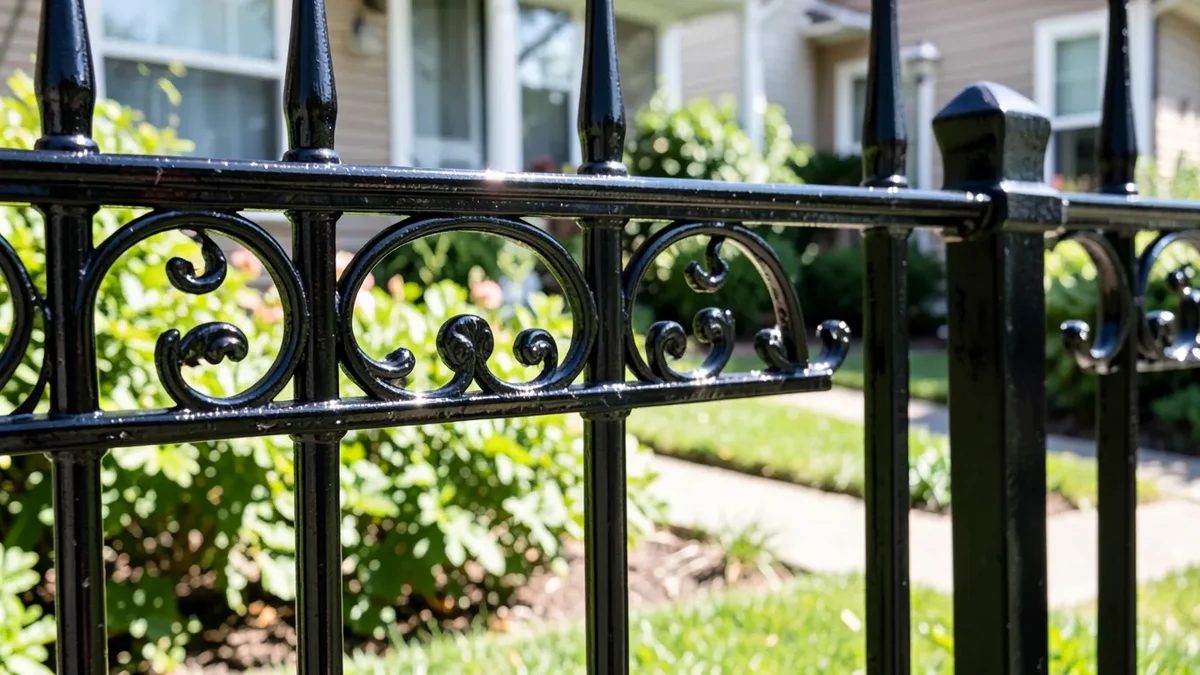
Best Way to Paint a Wrought Iron Fence (Without It Rusting Again)
The single biggest reason a wrought iron fence repaint fails within a year isn’t the topcoat color – it’s skipping a metal-specific primer and painting straight over old rust. A quality direct-to-metal paint over a rust-inhibiting primer will outlast a “just add color” approach by years, and if your fence or its old paint predates 1978, there’s a lead-paint check you should do before you sand anything.
Wrought iron fences fail from the inside out: moisture gets under a paint film through a pinhole or scratch, starts rust underneath, and pushes the paint off from below long before the topcoat itself looks worn. Below is the prep, priming, and painting sequence that actually stops that cycle, plus what to check before you start if the fence is decades old.
A Quick Lead-Paint Check Before You Start
BEST PRIMER FOR A WROUGHT IRON REPAINT
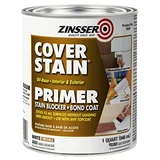 |
Zinsser Cover-Stain Oil-Base Primer – $18.98 An oil-based stain-blocking primer rated for interior and exterior wood, drywall, and metal – a solid base coat before topcoat paint on cleaned, de-rusted wrought iron.
|
If your fence’s existing paint was applied before 1978, there’s a real chance it contains lead, and dry-sanding or wire-brushing it creates lead dust that’s hazardous to breathe. A $10 lead test swab from a hardware store gives you an answer in minutes. If it tests positive, skip power sanding and wire wheels entirely – wet-scrape instead, keep the area contained, and consider an EPA RRP-certified contractor for extensive removal rather than DIYing it. This step doesn’t apply to newer fences with paint you know the history of, but it’s worth the ten minutes on anything with an unknown paint history.
Choosing The Right Paint
Not every metal paint is built the same way, and the difference shows up in how long the job lasts rather than how it looks on day one.
Types Of Paint For Wrought Iron
A direct-to-metal (DTM) oil-based or alkyd enamel is the standard choice for exterior wrought iron because it forms a hard, flexible film that moves with temperature swings without cracking. Water-based acrylic DTM paints have closed the durability gap significantly in recent years and are easier to clean up and lower in VOCs, if you’d rather avoid solvent-based products. Whichever you choose, confirm the can specifically says “for metal” or “DTM” – a paint formulated for wood or masonry doesn’t flex or adhere the same way on iron and will crack out early.
Benefits Of Rust-resistant Paint
A rust-inhibiting formula works by including a corrosion inhibitor (commonly a zinc or phosphate compound) directly in the paint film, so even a small scratch that reaches bare metal resists rusting longer than it would under a plain topcoat. That buys you time between touch-ups, which matters because touch-ups done early are a five-minute job and touch-ups done after rust has spread mean stripping and re-priming a much larger area.
Color Selection Tips
Satin and semi-gloss black remains the most common choice for a reason – it hides both dirt and the faint rust bleed that develops at scratches over time, and it reads as “classic” against almost any house exterior. Dark bronze and graphite are close seconds for the same reason. Light colors show every rust spot and scuff within a season, so if you want a lighter fence, budget for more frequent touch-ups rather than assuming the paint itself is at fault later.
Preparing The Surface
Every paint failure on wrought iron traces back to this stage, not the paint itself – a coat of the best rust-resistant enamel on a poorly prepped surface still fails within a season or two.
Cleaning And Removing Rust
Wash the fence with a mild detergent to remove grease, pollen, and grime that would otherwise sit under the new paint and cause peeling. Once dry, work a wire brush or wire wheel attachment over rusted areas until you reach either bare, sound metal or the point where old paint is firmly adhered – every flake of loose rust left behind becomes a failure point under the new coat.
Sanding Techniques
Scuff-sand the remaining sound paint with 120- to 150-grit sandpaper – you’re not trying to strip it, just breaking the glossy surface so the new primer has something to grip. Feather the edges where old paint meets bare metal so the transition doesn’t telegraph through the topcoat as a visible ridge. Wipe the dust off with a tack cloth or a cloth dampened with mineral spirits right before priming.
Using A Primer
Apply a rust-inhibiting metal primer within the recoat window on the can – wait too long and you’ll need to scuff-sand again for the topcoat to bond. A single, even coat is usually enough; primer’s job is adhesion and rust inhibition, not filling gaps, so don’t lay it on thick expecting it to smooth out imperfections. Let it cure fully per the label before topcoating, especially in cooler weather when cure times stretch out.
Painting Techniques
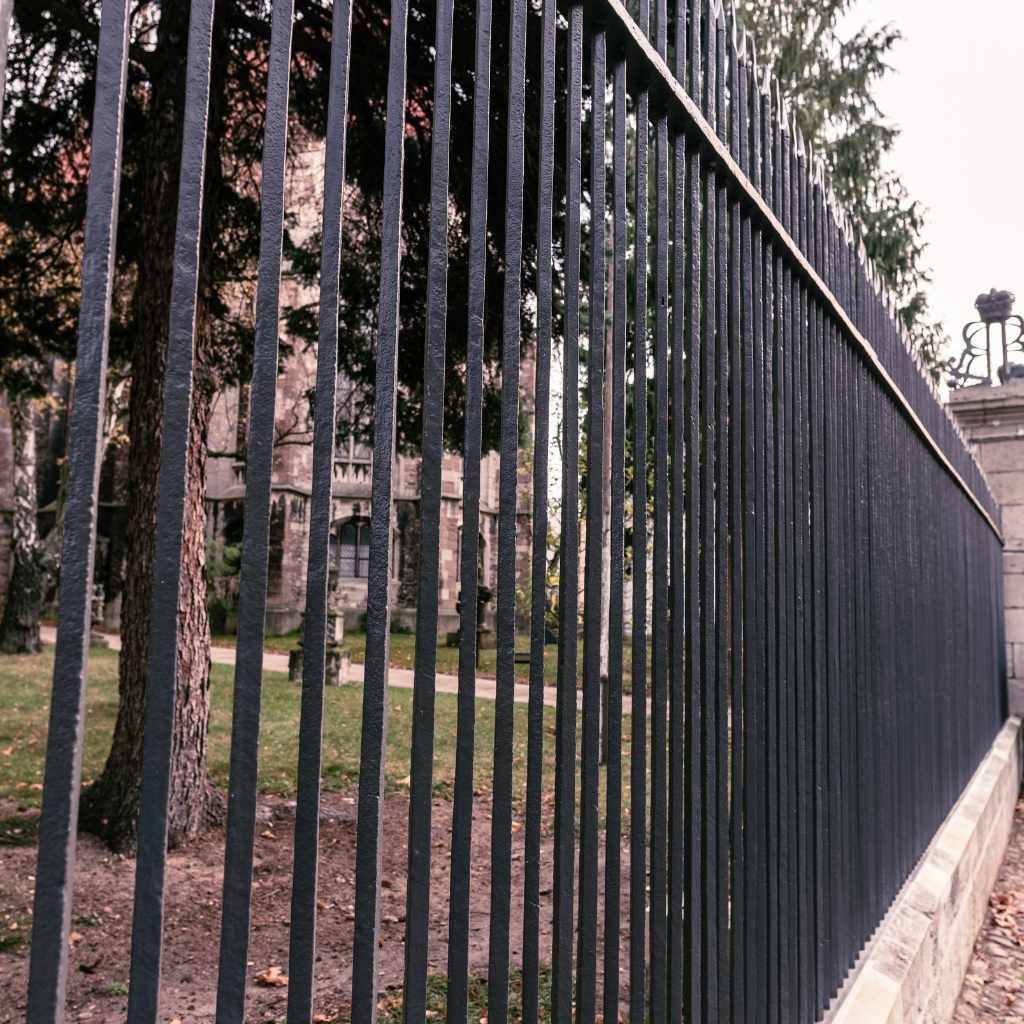
Wrought iron’s decorative scrollwork and narrow balusters make it one of the trickier surfaces to paint evenly – the technique matters more here than on a flat wall or door.
Brush Vs. Spray Application
A brush gives you control into tight scrollwork and corners where a sprayer would waste half its output as overspray, but it’s slower and can leave brush marks if the paint isn’t thinned slightly for flow. Spraying (airless or HVLP) covers open sections of fence fast and lays down a smoother film, but it needs wind-free conditions and masking of anything nearby – overspray from even a light breeze travels further than most people expect. Many painters brush the detailed scrollwork and spray the long straight runs to get the benefits of both.
Applying Even Coats
Two thin coats beat one thick one every time on wrought iron – a heavy coat sags on vertical balusters and pools in the scrollwork’s tight corners, then wrinkles or takes far longer to cure through. Keep a wet edge as you work down each baluster so you’re not painting over paint that’s already started to skin over, which causes visible lap marks.
Drying Times Between Coats
Recoat windows on most exterior enamels run one to a few hours in ideal conditions, but cool or humid weather can stretch that significantly – check the can rather than assuming yesterday’s dry time applies today. Painting a second coat before the first has properly flashed off traps solvent underneath, which shows up weeks later as soft spots or wrinkling in the finish.
Maintenance For Longevity
A well-prepped, well-painted wrought iron fence can go a decade or more between full repaints if you catch small problems before they spread.
Regular Cleaning Tips
A twice-yearly wash with mild soap and a soft brush removes the grit and pollen buildup that otherwise traps moisture against the paint film. Skip pressure washers on painted iron – the concentrated stream can chip paint at edges and force water into any hairline crack, which is exactly the scenario that starts hidden rust.
Touch-up Strategies
Walk the fence line once or twice a year looking specifically for small chips and rust freckles – these are a five-minute fix with a small brush and matching paint if caught early. Spot-prime any bare metal before touching up color; skipping the primer on a touch-up is the most common reason the same spot rusts through again within a year.
Protective Coatings
A clear acrylic topcoat over the finished paint adds a sacrificial layer that takes UV and moisture exposure instead of the colored coat underneath, which can extend the repaint cycle noticeably in harsh climates. It’s an optional step, but worth it on fences facing direct coastal salt spray or heavy winter road-salt exposure, both of which accelerate corrosion well beyond normal weathering.
Frequently Asked Questions
What Is The Best Paint For Wrought Iron Fences?
A rust-inhibiting, direct-to-metal oil-based or alkyd enamel is the standard for exterior wrought iron, since it forms a hard, flexible film that resists chipping and moves with temperature changes. Quality water-based acrylic DTM paints are a solid, lower-VOC alternative that have closed most of the durability gap.
How Do I Prepare A Wrought Iron Fence For Painting?
Wash off dirt and grease, wire-brush every trace of loose rust down to sound metal, then scuff-sand the remaining paint so the primer has something to grip. Apply a rust-inhibiting metal primer and let it fully cure before painting – if the existing paint predates 1978, test for lead before sanding.
How Many Coats Of Paint Should I Apply On Wrought Iron?
Two thin coats over a single primer coat is standard. Thin coats resist sagging on vertical balusters and in tight scrollwork far better than one thick coat, which tends to pool, sag, and cure unevenly.
Can I Paint A Rusty Wrought Iron Fence?
Yes, but remove all loose and flaking rust first with a wire brush, wire wheel, or sandpaper down to sound metal or firmly adhered paint. Priming with a rust-inhibiting primer (or a rust converter on spots you can’t fully mechanically clean) before topcoating is what actually stops the rust from bleeding back through.
Conclusion
A wrought iron repaint that lasts comes down to three things: check for lead paint if the fence is old, remove every trace of loose rust before priming, and use a rust-inhibiting metal primer under a direct-to-metal topcoat rather than skipping straight to color. Two thin coats, a twice-yearly wash, and prompt touch-ups on any new chip keep a fence looking sharp for a decade or more instead of needing a full strip-and-repaint every few years.
\n\n\n\n\nSponsored / affiliate links. As an Amazon Associate I earn from qualifying purchases. I may earn additional commission from eligible campaigns.