Is Birch a Hardwood Clear Answer Explained
Many people wonder, “Is Birch a Hardwood? Clear Answer Explained” because it can seem a bit confusing at first. It’s a common question for anyone looking at wood for their home projects or furniture.
Don’t worry if you’re unsure; this is perfectly normal. We’ll break it down step-by-step so it’s super clear and easy to grasp. Get ready to know your woods!
Understanding Wood Types Birch And Hardwood
This section will clear up a common point of confusion. We will look at what makes a wood “hard” or “soft” in the world of trees. Understanding these basic differences is key to knowing where birch fits in.
We will explore the scientific reasons behind these categories and what they mean for wood’s properties.
Botanical Definitions Of Hardwood And Softwood
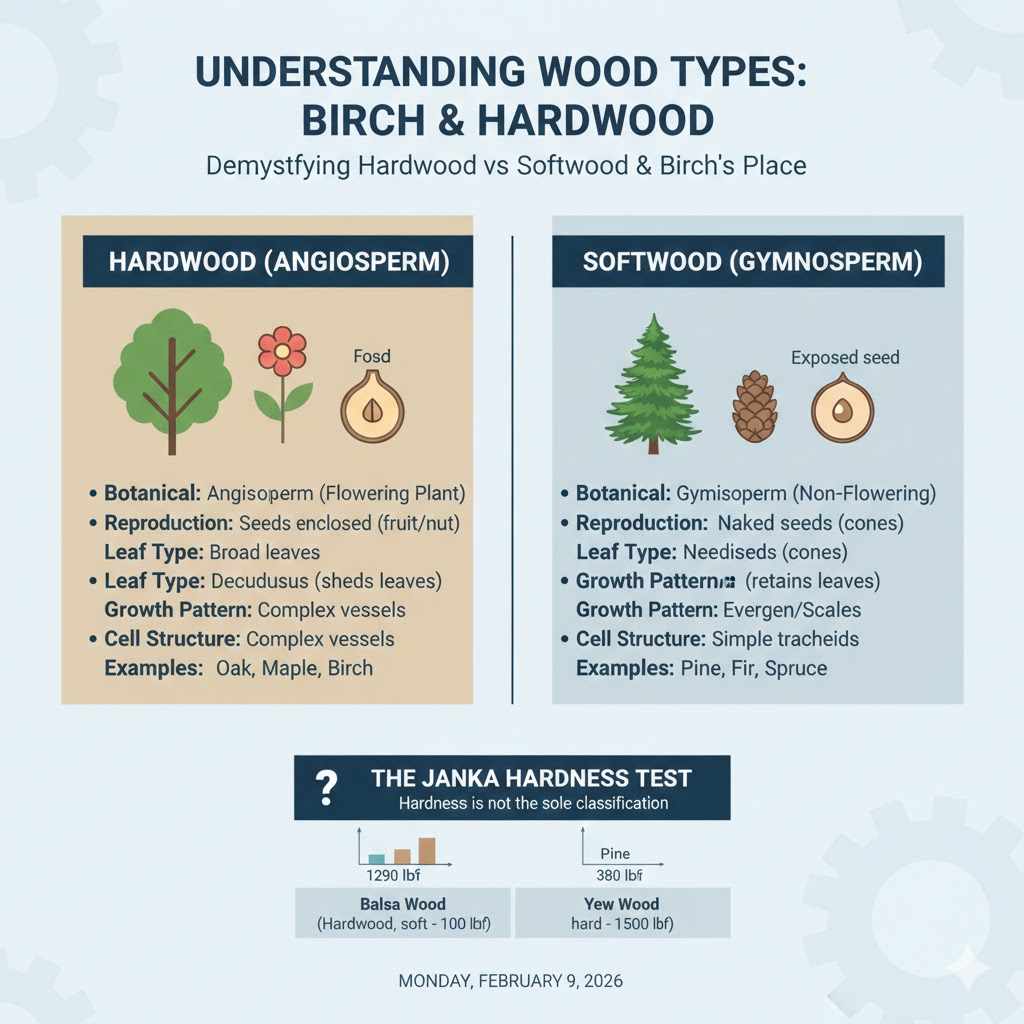
The terms hardwood and softwood come from how trees grow. Hardwood trees are typically deciduous, meaning they lose their leaves each year. Think of maple, oak, and birch.
These trees grow slower, which often makes their wood denser.
Softwood trees are usually evergreen, keeping their needles all year long. Pines and firs are classic examples of softwood trees. They tend to grow faster, which can make their wood less dense than hardwood.
This difference in growth affects the wood’s cell structure.
The botanical difference is in the tree’s reproductive parts. Hardwoods come from angiosperms, which have flowers and produce seeds within a fruit. Softwoods come from gymnosperms, which have cones and their seeds are exposed.
This botanical distinction is the primary way scientists classify trees. It directly influences the characteristics of the wood they produce. Knowing this helps explain why some woods are better for certain uses than others.
Angiosperm vs. Gymnosperm Classification
Angiosperms are flowering plants. Their seeds develop inside a protective ovary, which ripens into a fruit. This group includes most of the trees we commonly call hardwoods.
The wood from angiosperms typically has vessels, which are tubes that transport water. These vessels are a key feature seen under a microscope.
Gymnosperms are seed-bearing plants that do not produce flowers or fruits. Their seeds are typically borne on the surface of scales, often in cones. This group includes conifers like pines, spruces, and firs, which are the source of most softwoods.
Gymnosperm wood mostly contains tracheids, which are elongated cells that serve for water transport and structural support. They lack the larger vessels found in hardwoods.
This fundamental biological difference in how trees reproduce and grow leads to distinct wood structures. These structural differences are what we observe as differences in wood hardness, density, and grain pattern.
The presence or absence of vessels is a major distinguishing factor. Hardwoods generally have a more complex cell structure due to these vessels. This complexity contributes to their typically higher density and strength compared to softwoods.
Properties That Define Hardwood
Hardwoods are known for their strength and durability. They are generally denser and harder than softwoods. This makes them excellent choices for flooring, furniture, and cabinetry where resistance to wear and tear is important.
Their denser structure means hardwoods can often withstand more impact and abrasion. This is why oak floors can last for generations. They also tend to have a more attractive grain pattern, which is highly valued in furniture making.
Hardwoods can be more challenging to work with due to their density. They might require sharper tools and more effort to cut, sand, or drill. However, this also means they hold screws and nails better.
The natural beauty and longevity of hardwoods make them a popular choice, even with the added cost and effort involved in working with them. Their resistance to decay also makes them suitable for outdoor applications.
Density and Janka Hardness Scale
The Janka hardness test is a standard way to measure the hardness of wood. It measures the force required to embed a steel ball halfway into a sample of wood. A higher Janka rating means a harder wood.
For example, red oak has a Janka rating of 1290 pounds-force (lbf), while white oak is around 1360 lbf. These are considered moderately hard woods. Birch wood often falls into a similar range, which tells us something important about its classification.
Many common hardwoods like maple (1450 lbf) and hickory (1820 lbf) score higher on the Janka scale than birch. However, the Janka scale is not the sole determinant of whether a wood is a hardwood or softwood. It’s more about the botanical classification.
The Janka hardness scale provides a practical way to compare the relative hardness of different wood species. It helps consumers choose wood that will stand up to specific uses, whether it’s for a high-traffic floor or a decorative tabletop.
Grain Structure and Appearance
Hardwoods often exhibit a more intricate and varied grain pattern compared to softwoods. This comes from the presence of pores or vessels in their structure. These pores can create interesting figures like swirls, burls, or cathedral patterns.
The appearance of the grain can greatly influence the aesthetic appeal of wood products. Furniture makers often select hardwoods specifically for their unique grain characteristics. This can add significant visual interest and value to a piece.
The color of hardwoods can also vary widely, from light creams and yellows to deep browns and reds. This variety allows for a broad range of design possibilities in interior decoration and furniture design.
Birch wood, in particular, often has a fine, even texture and a subtle grain pattern. This makes it a versatile material that can be stained to mimic other woods or finished to showcase its natural beauty.
Is Birch A Hardwood Clear Answer Explained
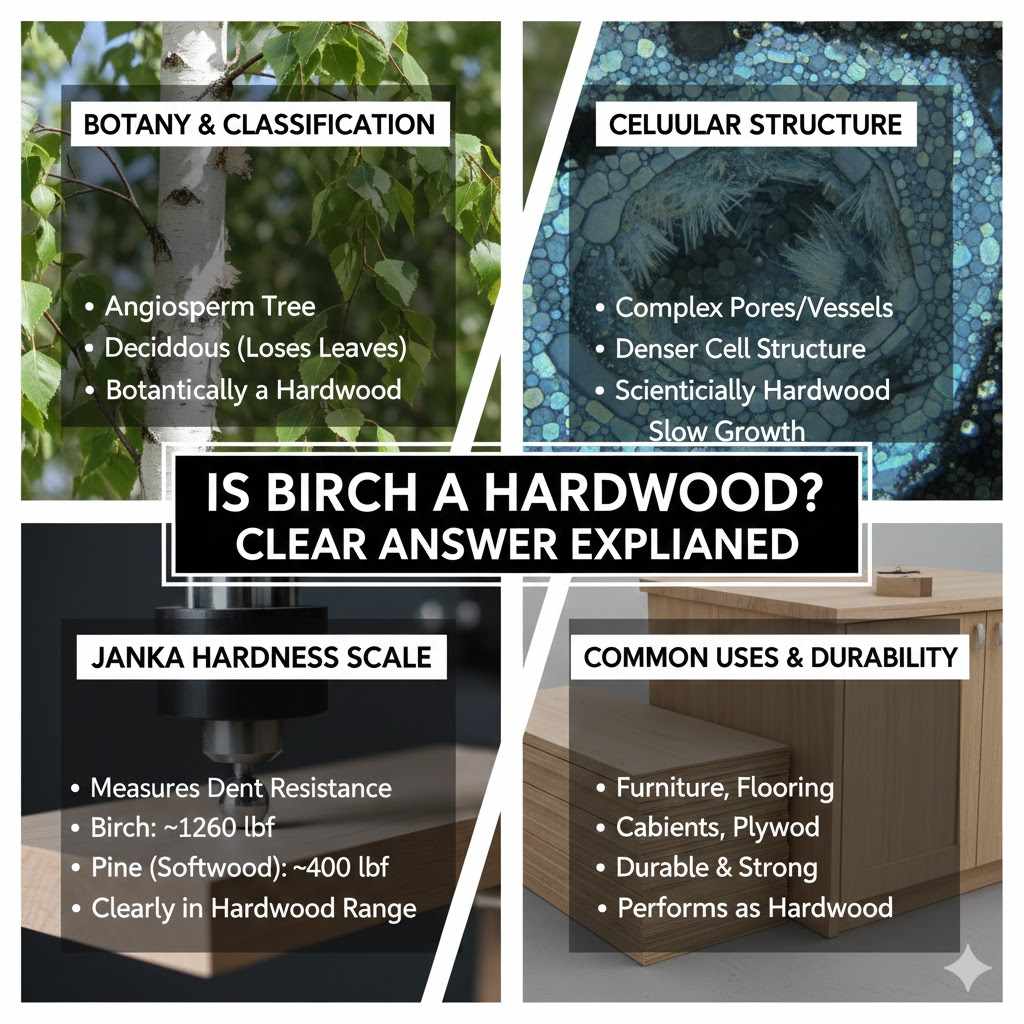
Now, let’s directly address the question: Is Birch a Hardwood? The clear and simple answer is yes, birch is a hardwood. This might surprise some people because birch is not always the hardest wood available, and its appearance can sometimes be mistaken for softer woods.
The classification of birch as a hardwood is based on its botanical origin, not solely on its Janka hardness rating. Birch trees are deciduous angiosperms, which is the defining characteristic of hardwood trees. They lose their leaves annually and have flowers.
Understanding this botanical definition is key to resolving the confusion. Even though some softwoods might be harder than some hardwoods, the categorization remains based on the tree type. We will now explore the specific characteristics of birch wood that align it with the hardwood category.
Botanical Classification Of Birch Trees
Birch trees belong to the genus Betula. They are part of the family Betulaceae. This family is firmly placed within the angiosperm group of plants.
Angiosperms are characterized by producing flowers and having their seeds enclosed within a fruit. Birch trees fit this description perfectly; they produce catkins, which are a type of flower cluster, and their seeds are small winged nuts enclosed in cone-like structures.
This evolutionary classification means that birch wood shares fundamental structural characteristics with other well-known hardwoods like oak, maple, and cherry. These characteristics relate to the cell structure within the wood.
The growth patterns of birch trees, like other deciduous hardwoods, contribute to the density and properties of their wood. This botanical link is the most important factor when determining if birch is a hardwood.
Deciduous Nature Of Birch Trees
Birch trees are deciduous, meaning they shed their leaves seasonally, typically in the autumn. This is a hallmark of hardwood species. Evergreen trees, which retain their needles year-round, are classified as softwoods.
The shedding of leaves is part of the tree’s life cycle and plays a role in its growth pattern. This cycle influences the density and formation of the wood.
This characteristic helps distinguish birch from evergreen trees like pines or firs, which produce softwood. The annual cycle of leaf drop and regrowth is a key indicator of hardwood classification.
So, when you see a birch tree losing its leaves in the fall, you are looking at a hardwood tree. This visual cue reinforces its botanical classification.
Properties Of Birch Wood
Birch wood is valued for its consistent color, fine texture, and workability. It’s a popular choice for a wide range of applications due to its good balance of properties.
While not the hardest wood, birch is still considered durable enough for many demanding uses. Its even grain makes it easy to stain and finish, allowing for a variety of looks.
Let’s explore some of its key features in more detail to understand why it’s a great hardwood.
Texture And Grain Of Birch Wood
Birch wood typically has a fine and even texture. This means the wood grain is uniform and smooth. There are no large open pores, which contributes to its sleek feel and appearance.
The grain pattern is usually straight but can sometimes be wavy or curly, creating attractive figure. This subtle grain makes it a versatile wood that can be used where a strong, dramatic grain is not desired.
This fine texture makes birch wood easy to sand and provides a smooth surface for painting or staining. It doesn’t splinter easily, which is a benefit during woodworking projects.
Unlike some hardwoods with very prominent grain, birch offers a more understated beauty. This allows other design elements in a room or piece of furniture to stand out.
Color Range And Staining Capabilities
The natural color of birch wood ranges from creamy white to light brown, with occasional reddish hues. This light color makes it highly receptive to staining.
Birch takes stains very well, allowing it to be colored to resemble more expensive woods like cherry, walnut, or mahogany. This makes it a cost-effective option for achieving a certain look.
However, it’s important to note that birch can sometimes stain unevenly due to its dense, fine grain. Using a pre-stain conditioner can help ensure a more uniform finish when staining.
Its ability to accept various finishes, from clear coats to dark stains, makes birch a flexible material for designers and DIYers alike. You can achieve a wide spectrum of looks with birch wood.
Strength And Durability Of Birch
Birch wood is considered strong and moderately hard. Its density provides good resistance to dents and scratches, though it is not as hard as woods like hickory or oak.
For example, Yellow Birch has a Janka hardness rating of about 1260 lbf, while Sugar Maple is around 1450 lbf. While slightly less hard than maple, birch is still significantly harder than most softwoods.
This durability makes birch suitable for furniture, cabinetry, and even some types of flooring, especially in areas that don’t experience extremely heavy foot traffic. It holds fasteners well and is stable when properly seasoned.
Its strength-to-weight ratio is also favorable, meaning it’s strong without being excessively heavy. This is a useful characteristic for furniture construction.
Comparing Birch To Other Wood Types
To fully appreciate why birch is classified as a hardwood and how it performs, let’s compare it to other common woods. This comparison will highlight its place in the spectrum of wood options.
We will look at both other hardwoods and some common softwoods to draw clear distinctions. This will give you a better picture of birch’s unique characteristics and uses.
Birch vs. Oak
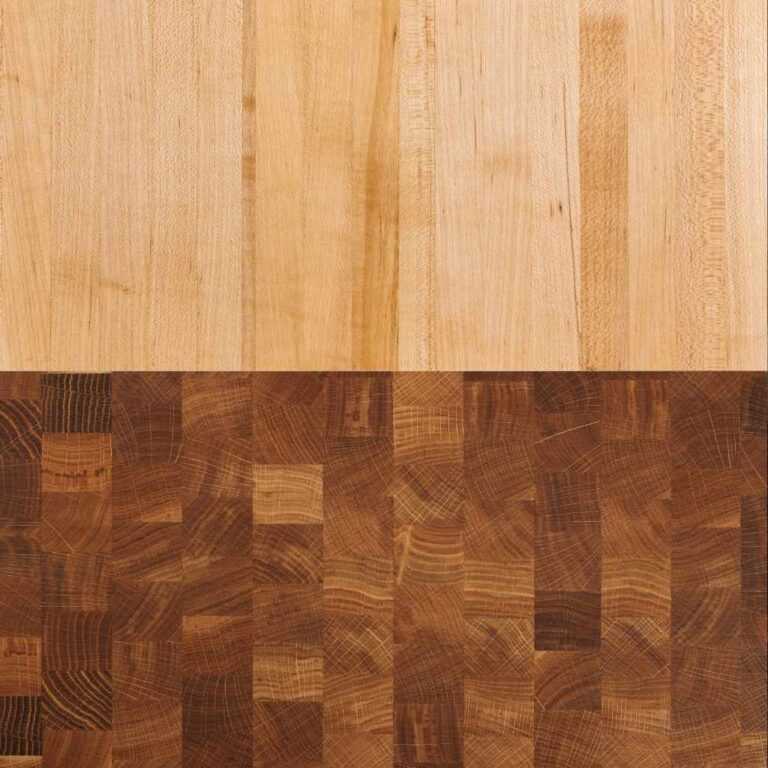
Oak is a classic hardwood known for its strength, durability, and distinctive grain. It’s often considered a benchmark for hardwood quality.
Oak has a Janka hardness rating typically ranging from 1290 lbf (red oak) to 1360 lbf (white oak). Birch, particularly Yellow Birch, sits around 1260 lbf. So, oak is generally a bit harder and more durable than birch.
The grain of oak is more open and pronounced, often featuring a more dramatic “fleck” pattern. Birch has a finer, more uniform grain.
Both woods stain well, but oak’s open grain can create a more rustic look when stained. Birch’s fine grain allows for smoother, more even finishes, making it ideal for painted furniture or when a subtle grain is desired.
Oak is widely used for flooring, cabinetry, and heavy furniture due to its exceptional hardness and resistance to wear. Birch is also used for these applications but might be preferred for lighter furniture or where a smoother finish is desired.
| Feature | Birch | Oak |
|---|---|---|
| Classification | Hardwood | Hardwood |
| Janka Hardness (Approx.) | 1260 lbf (Yellow Birch) | 1290-1360 lbf |
| Grain Texture | Fine, even | Open, pronounced fleck |
| Color | Creamy white to light brown | Light to medium brown, often with reddish or grayish tones |
| Primary Uses | Furniture, cabinetry, plywood, some flooring | Flooring, furniture, cabinetry, millwork, barrels |
Birch vs. Pine
Pine is a common softwood, known for its lighter weight and easier workability. It’s a stark contrast to hardwood like birch.
Pine species vary greatly, but most have Janka hardness ratings well below birch, often ranging from 400 lbf to 800 lbf. This significant difference highlights birch’s greater durability.
The grain of pine is often more prominent and knotty, giving it a rustic appearance. Birch has a much finer and more consistent grain.
Pine is significantly softer, making it more prone to dents, scratches, and wear. It’s often used for less demanding applications like shelving, interior trim, or rustic furniture where its softer nature is acceptable.
Birch’s hardness and finer grain make it a better choice for applications that require more resilience and a smoother finish.
| Feature | Birch | Pine |
|---|---|---|
| Classification | Hardwood | Softwood |
| Janka Hardness (Approx.) | 1260 lbf (Yellow Birch) | 400-800 lbf (Varies by species) |
| Grain Texture | Fine, even | More prominent, often knotty |
| Color | Creamy white to light brown | Pale yellow to reddish brown |
| Primary Uses | Furniture, cabinetry, plywood | Construction, furniture, paneling, crafts |
Birch vs. Maple
Maple is another popular hardwood, and it shares many similarities with birch. Both are deciduous angiosperms.
Maple is generally harder and denser than birch. Sugar Maple, a common variety, has a Janka rating of about 1450 lbf, making it one of the harder hardwoods. Yellow Birch, as mentioned, is around 1260 lbf.
Both woods have fine, even textures and light colors. Maple often has a subtle, wavy grain pattern called “figure” that is highly prized in furniture. Birch also exhibits figured grain, but it might be less common or pronounced.
Maple is a top choice for flooring, butcher blocks, and high-wear furniture because of its superior hardness. Birch is also used for these, but maple often takes precedence when extreme durability is the main concern.
The price can also be a factor, with maple sometimes being more expensive than birch due to its greater hardness and highly sought-after figured grain.
| Feature | Birch | Maple |
|---|---|---|
| Classification | Hardwood | Hardwood |
| Janka Hardness (Approx.) | 1260 lbf (Yellow Birch) | 1450 lbf (Sugar Maple) |
| Grain Texture | Fine, even | Fine, even, can have wavy figure |
| Color | Creamy white to light brown | Creamy white to light brown, sometimes with reddish tint |
| Primary Uses | Furniture, cabinetry, plywood | Flooring, furniture, musical instruments, butcher blocks |
Applications And Uses Of Birch Wood
Given that birch is a hardwood, its applications reflect its strength and aesthetic qualities. It’s a versatile wood that finds its way into many home and furniture projects.
Understanding where birch is commonly used can help you appreciate its value and performance. Its balance of properties makes it suitable for a wide array of items.
Furniture And Cabinetry
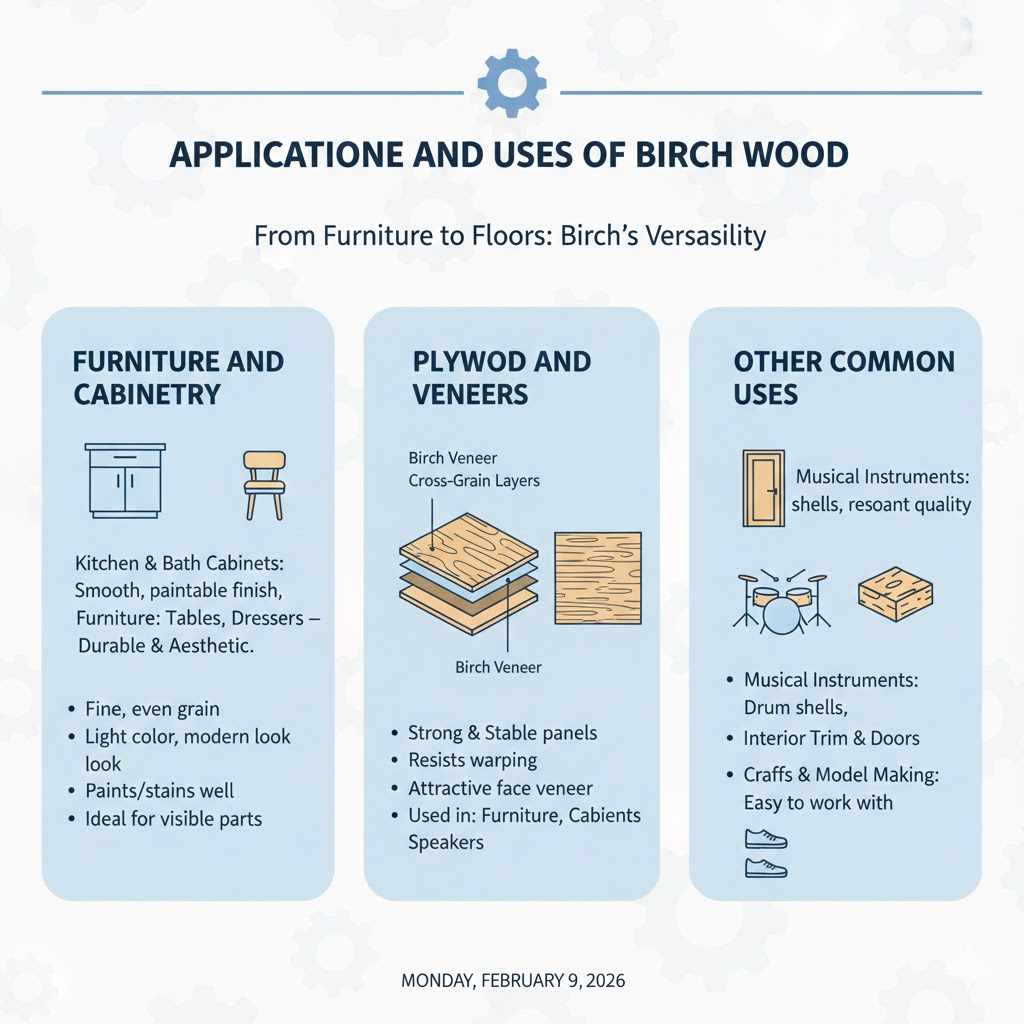
Birch is a very popular choice for furniture and cabinetry. Its fine, even grain and light color provide a clean, modern look.
Cabinet doors made from birch can be painted or stained to achieve almost any desired finish. This makes it a go-to wood for kitchen and bathroom cabinets. It offers a smooth surface that accepts paint exceptionally well.
For furniture, birch is used for everything from chairs and tables to dressers and bed frames. Its durability is sufficient for most household furniture needs.
Plywood made from birch veneers is also widely used in furniture construction. Birch plywood is known for its strength, stability, and attractive face veneer, which can be left visible or covered.
Plywood And Veneers
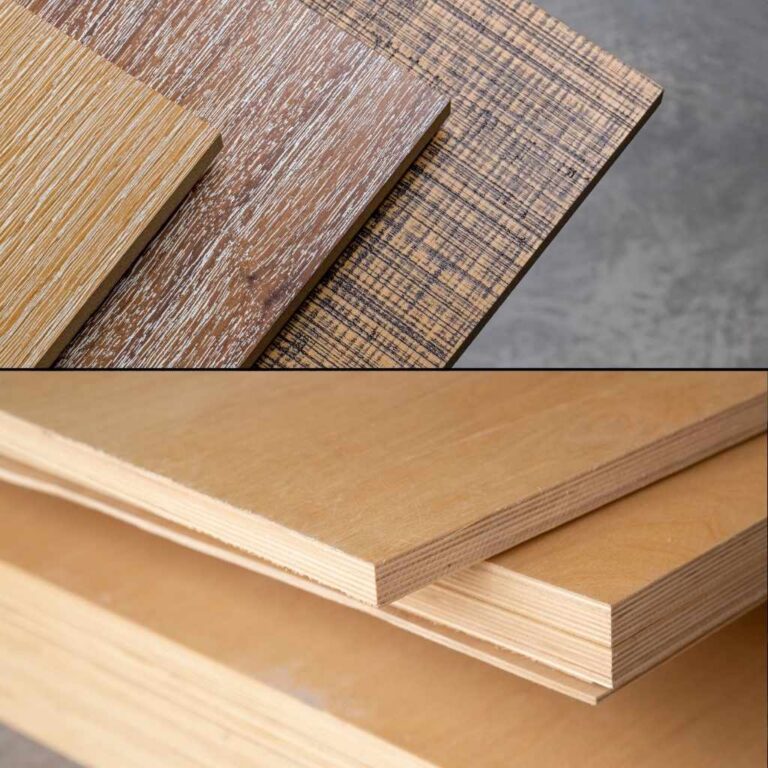
Birch is a prime candidate for making plywood. The thin layers, or veneers, of birch are glued together with alternating grain directions. This process creates a strong, stable panel.
Birch plywood is highly valued for its strength, rigidity, and attractive appearance. The top layer, or face veneer, is often made from high-quality birch, making it suitable for visible applications.
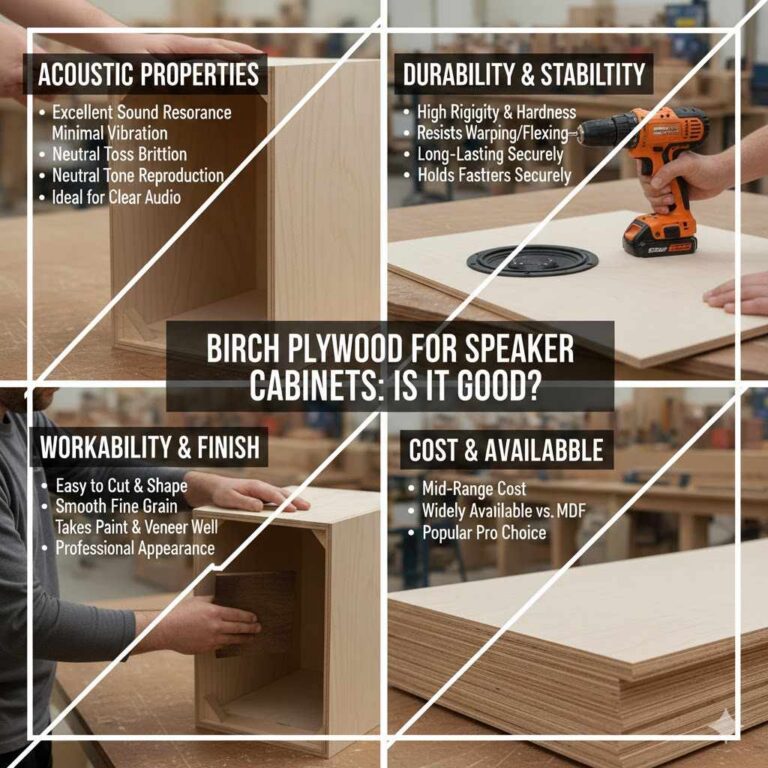
This type of plywood is used extensively in furniture manufacturing, cabinetry, and even in applications like speaker boxes and decorative panels. Its dimensional stability is a key advantage.
The consistent color and fine grain of birch also make its veneers ideal for creating decorative surfaces on less expensive core materials, providing the look of solid birch at a lower cost.
Other Common Uses
Beyond furniture and cabinets, birch finds its way into many other items. Its workability and appearance make it suitable for various purposes.
Some types of birch are used for making musical instruments, such as drum shells, due to their resonant qualities. The consistent density contributes to predictable sound.
It’s also used for interior trim, doors, and even some less demanding flooring applications. In crafts and model making, birch is a common material due to its ease of cutting and shaping.
Historically, birch was also used for making wooden shoes (clogs) and tool handles, underscoring its historical use as a sturdy and reliable wood.
Frequently Asked Questions
Question: Is birch a hardwood or softwood for flooring
Answer: Birch is classified as a hardwood, and it is used for flooring. While not as hard as some other hardwoods like oak or maple, it is still durable enough for many residential flooring applications, especially when finished properly.
Question: Why is birch considered a hardwood if it’s not the hardest wood
Answer: The classification of hardwood or softwood is based on the tree’s botanical characteristics, not just its hardness. Birch trees are deciduous angiosperms, which defines them as hardwoods, regardless of their Janka hardness rating compared to other woods.
Question: Can birch wood be stained to look like other hardwoods
Answer: Yes, birch wood takes stains very well due to its fine, even grain and light color. It can be stained to mimic the appearance of more expensive hardwoods like cherry, walnut, or mahogany, making it a versatile choice for achieving different aesthetics.
Question: Is birch wood good for furniture
Answer: Absolutely. Birch wood is an excellent choice for furniture. Its strength, durability, fine texture, and ability to accept finishes make it suitable for a wide range of furniture pieces, from tables and chairs to cabinets and dressers.
Question: What is the difference between yellow birch and paper birch
Answer: Yellow birch (Betula alleghaniensis) is known for its harder, denser wood and is more commonly used for furniture and flooring. Paper birch (Betula papyrifera) has lighter, softer wood and is often used for plywood, crafts, and pulp.
Summary
Birch is indeed a hardwood. Its classification comes from its botanical nature as a deciduous angiosperm tree, not just its hardness. Birch offers a fine texture, light color, and good durability, making it a versatile choice for furniture, cabinetry, and plywood.