Is Butcher Block a Good Countertop Choice
Thinking about new kitchen countertops can feel a little tricky, especially when you’re not sure where to start. Many people wonder, Is Butcher Block a Good Countertop Choice? It’s a question that pops up a lot because it looks so nice but also seems like it might need a lot of work.
Don’t worry, it’s not as complicated as it might seem! We’ll walk through everything you need to know, step by step, to help you decide if butcher block is the right fit for your home.
Is Butcher Block a Good Countertop Choice For Your Kitchen
When you’re remodeling your kitchen, picking out countertops is a big decision. You want something that looks great, works well for how you cook, and lasts a long time. Is Butcher Block a Good Countertop Choice?
This question comes up often because butcher block offers a unique warmth and natural beauty that many people love. It feels a bit like bringing the outdoors in, giving your kitchen a cozy and inviting feel. However, some folks worry about how it holds up to daily use, like spills or hot pans.
This section will explore the main reasons why butcher block is so popular and what makes it a standout option for many homeowners.
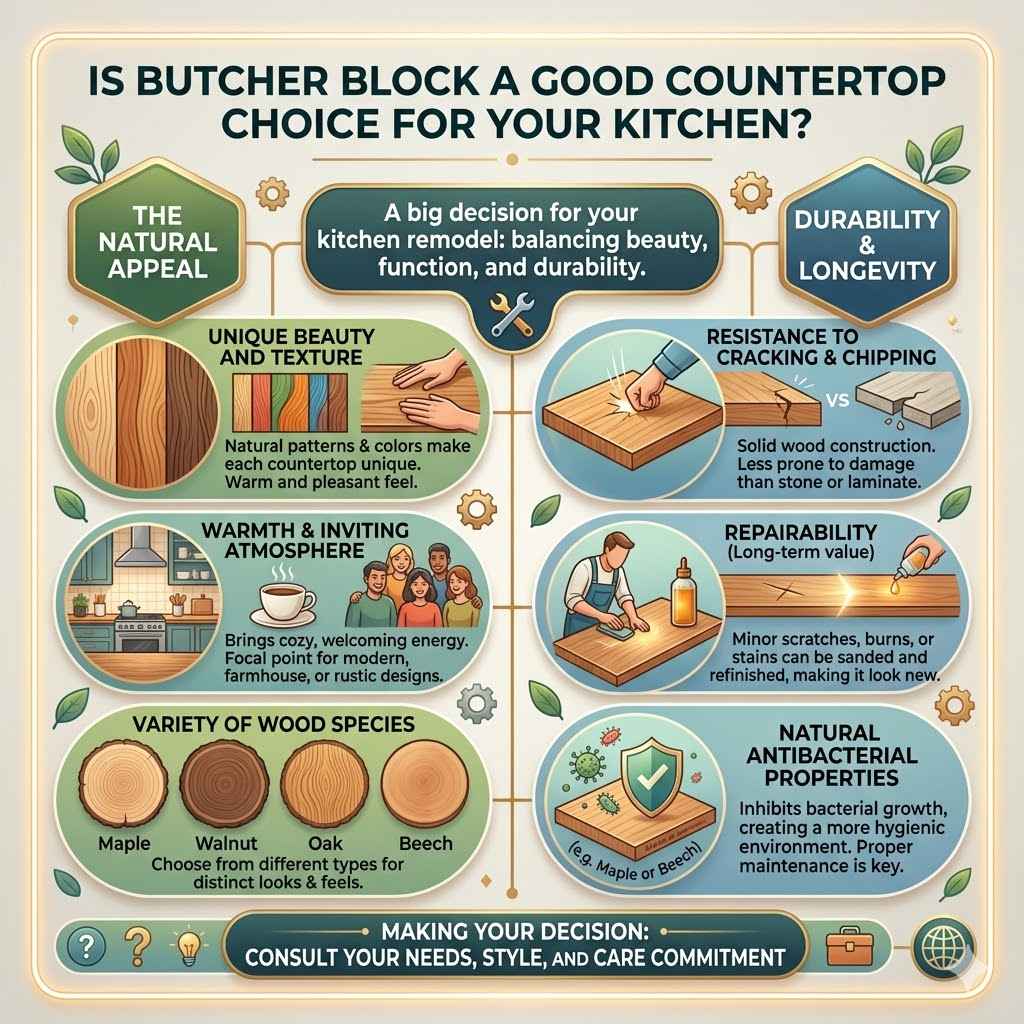
The Natural Appeal of Butcher Block
Butcher block countertops are made from solid pieces of wood glued together. This creates a strong, durable surface that has a distinct, charming look. Unlike stone or laminate, wood offers a natural warmth and character that can’t be matched.
Each piece of wood has its own grain patterns and color variations, meaning your butcher block countertop will be completely unique to your kitchen. This natural variation adds a lot of personality and can make a kitchen feel much more inviting and comfortable.
Unique Beauty and Texture
The natural patterns and colors in wood mean no two butcher block countertops are ever the same. This individuality adds a special touch to your kitchen design. The feel of wood under your hands is also pleasant, offering a contrast to colder materials like granite or quartz.
Many people find this tactile quality very appealing, adding to the overall sensory experience of their kitchen.
Warmth and Inviting Atmosphere
Wood inherently brings a sense of warmth to a space. This can make your kitchen feel more welcoming and comfortable for family and guests. A butcher block countertop can be the focal point that ties together a rustic, modern, or even a farmhouse-style kitchen.
It creates a cozy environment that encourages gathering and spending time together.
Variety of Wood Species
You can choose from many different types of wood for your butcher block. Popular choices include maple, oak, walnut, and beech. Each wood type offers a different look and feel.
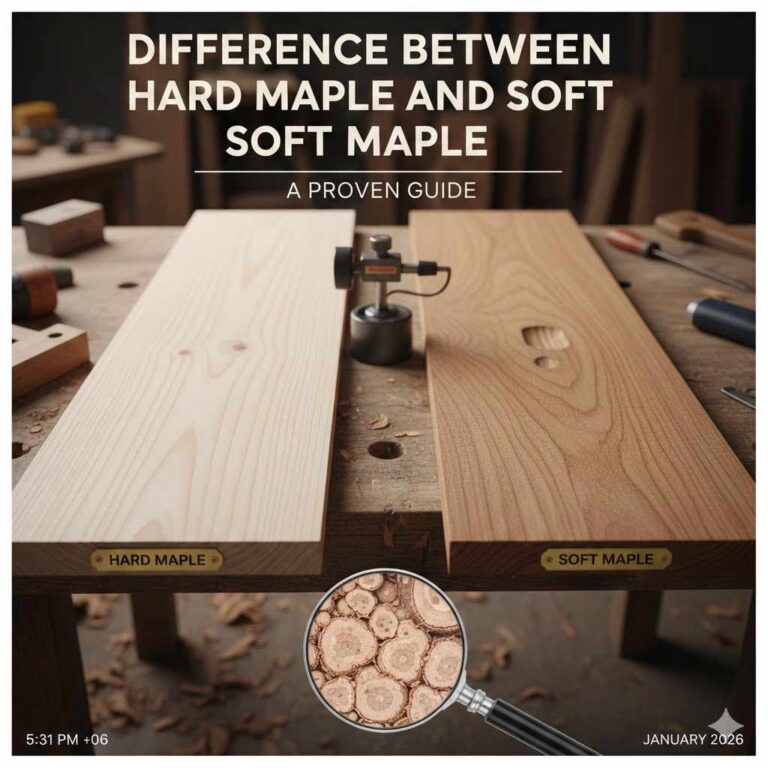
Maple is known for its light color and tight grain, while walnut has a rich, dark color and beautiful patterns. Oak is a classic choice with a prominent grain, and beech offers a smooth, even texture. This variety lets you customize the look to perfectly match your kitchen’s design.
Durability and Longevity
When cared for properly, butcher block countertops can last for many years, often outliving other countertop materials. Their solid wood construction means they are tough and can withstand a good amount of wear and tear. While they might show signs of use over time, like minor scratches or dents, these can often be repaired or refinished, bringing the countertop back to its original beauty.
This ability to be renewed is a significant advantage over many other countertop options.
Resistance to Cracking and Chipping
Solid wood is less prone to cracking or chipping than some other materials, especially when it’s made from high-quality wood and properly installed. Unlike laminate countertops that can chip at the edges, butcher block has a solid core. This means even if it gets a small ding, it’s just part of the wood’s character rather than a sign of material failure.
It holds up well to the everyday bumps and knocks that happen in a busy kitchen.
Repairability
One of the biggest benefits of butcher block is its repairability. Minor scratches, burns, or stains can be sanded out, and the surface can be re-oiled or re-varnished. This means your countertops can look new again even after years of use.
For example, if you accidentally cut into the surface, you can simply sand down the area and reseal it. This makes butcher block a cost-effective choice over the long run, as you avoid costly replacements.
Natural Antibacterial Properties
Certain types of wood, like maple and beech, possess natural antibacterial properties. This means they can help inhibit the growth of bacteria on the surface, contributing to a more hygienic kitchen environment. While it’s still important to clean and sanitize regularly, the wood itself offers an extra layer of defense.
Studies have shown that wood surfaces can be as hygienic as other materials when properly maintained.
Pros and Cons of Butcher Block Countertops
Deciding on kitchen materials involves weighing the good against the not-so-good. When considering butcher block, understanding its full picture is key. Is Butcher Block a Good Countertop Choice?
It offers many benefits, but it also requires specific care. This section breaks down the advantages and disadvantages to give you a clear view of what to expect, helping you make an informed choice for your kitchen.
Advantages of Butcher Block
The advantages of butcher block are numerous, contributing to its appeal for homeowners. Its natural beauty, warmth, and unique character make it a desirable material. The ability to repair and refinish the surface also adds to its long-term value.
Furthermore, its solid construction provides a sturdy and reliable workspace for all your culinary activities.
Aesthetic Appeal
Butcher block countertops add a touch of natural elegance and warmth to any kitchen. The varied grain patterns and rich wood tones create a visually appealing surface that can enhance the overall design of your space. It complements a wide range of cabinet styles and colors, from traditional to modern.
Cost-Effectiveness
Compared to high-end granite, quartz, or marble, butcher block is often more affordable. While the initial cost can vary depending on the wood species and complexity of installation, it generally offers a good balance between price and quality. The ability to repair and refinish also means you save money on replacements over time.
Ease of Installation
For many DIY enthusiasts, butcher block countertops can be relatively easy to install compared to heavy stone slabs. They can often be cut to size on-site with standard woodworking tools. This can lead to savings on professional installation costs, making it an attractive option for those looking to manage their budget effectively.
Eco-Friendliness
Wood is a renewable resource, making butcher block a more environmentally friendly choice than some synthetic or quarried materials. When sourced from sustainable forests, it can be an excellent option for those who prioritize eco-conscious home improvement. Many manufacturers are committed to responsible forestry practices.
Disadvantages of Butcher Block
Despite its many benefits, butcher block countertops do come with some drawbacks that potential buyers should be aware of. These are mostly related to its maintenance requirements and susceptibility to certain types of damage if not cared for properly. Understanding these limitations is crucial for ensuring satisfaction with your choice.
Maintenance Requirements
Butcher block needs regular sealing and oiling to protect it from moisture, stains, and bacteria. This maintenance is essential to keep the wood looking its best and to prevent damage. Neglecting this can lead to warping, cracking, or discoloration.
For example, you might need to reapply mineral oil or a food-safe sealant every few months, depending on usage.
Susceptibility to Water Damage
Wood is porous and can absorb liquids. While sealing helps, prolonged exposure to water can cause staining, swelling, or warping. It’s important to wipe up spills immediately and avoid letting standing water sit on the surface.
Areas around the sink require extra attention and robust sealing to prevent moisture issues.
Heat Sensitivity
Placing hot pots or pans directly on butcher block can scorce or damage the wood. Using trivets or hot pads is a must to protect the surface. Unlike stone countertops that can handle high heat, wood is more vulnerable.
Sudden temperature changes can also cause expansion and contraction, potentially leading to cracks over time.
Susceptibility to Scratches and Dents
While butcher block is durable, it can be scratched or dented by sharp objects or heavy impact. These marks are part of the wood’s character for some, but others may find them undesirable. Regular use of cutting boards is recommended to keep the surface pristine.
The type of wood also plays a role; harder woods are more resistant to damage.
| Feature | Butcher Block | Granite | Quartz |
|---|---|---|---|
| Appearance | Natural, warm, unique grain | Varied patterns, can be elegant or busy | Consistent patterns, wide range of colors |
| Durability | Good, repairable | Excellent, very hard | Excellent, very hard |
| Maintenance | Requires regular sealing and oiling | Requires occasional sealing | Low maintenance, non-porous |
| Heat Resistance | Moderate, needs trivets | Excellent | Excellent |
| Cost | Mid-range | High to Very High | High to Very High |
| Repairability | Good, can be sanded and refinished | Difficult, chips can be hard to fix | Very difficult, chips and cracks are hard to repair |
Caring For Your Butcher Block Countertops
To keep your butcher block countertops looking beautiful and lasting for years, proper care is essential. Is Butcher Block a Good Countertop Choice? Absolutely, if you’re willing to put in a little effort.
This section will guide you through the best practices for cleaning, sealing, and maintaining your wooden surfaces, ensuring they remain a stunning feature in your kitchen.
Daily Cleaning and Maintenance
Regular cleaning is the first line of defense against wear and tear. Wiping down your butcher block after each use helps prevent stains and keeps the surface hygienic. Use mild soap and water for everyday cleaning, and be sure to dry the surface thoroughly afterward.
Wipe Up Spills Immediately
Liquids can seep into the wood if left to sit, leading to stains or damage. Always wipe up spills, especially those from wine, juice, or oils, right away. A quick wipe with a soft cloth is usually all it takes.
This habit is one of the most important for maintaining the integrity of your wood countertop.
Use Mild Soap and Water
For general cleaning, a damp cloth with a little mild dish soap is sufficient. Avoid harsh chemicals, abrasive cleaners, or scouring pads, as these can damage the wood’s finish. After cleaning, always dry the countertop completely with a clean, soft towel to prevent water spots and moisture absorption.
Avoid Excessive Moisture
Do not let water pool on the surface, especially around the sink area. Ensure that any water splashes are quickly dried. If you have a dishwasher, check that the seal is tight to prevent steam from escaping and damaging the underside of the countertop.
Sealing and Oiling Butcher Block
Sealing and oiling are crucial steps in protecting your butcher block. These treatments create a barrier against moisture and stains, keeping the wood healthy and attractive. The frequency of sealing depends on the type of sealant used and how heavily the countertops are used.
Understanding Sealant Options
There are two main types of finishes for butcher block: a penetrating oil finish (like mineral oil or a specialized butcher block oil) and a surface film finish (like polyurethane or varnish). Oil finishes soak into the wood, offering a natural look and feel, and they are easy to reapply. Film finishes create a protective layer on the surface, offering more water resistance but are harder to repair if damaged.
Applying Penetrating Oil
If you choose an oil finish, apply a generous amount of food-grade mineral oil or a butcher block conditioner to the entire surface. Let it soak in for at least 15-20 minutes, then wipe away any excess. This should be done monthly for new countertops or whenever the wood starts to look dry.
Some woodworkers recommend oiling every week for the first month to fully saturate the wood.
Reapplying Surface Finishes
If your butcher block has a polyurethane or varnish finish, you’ll need to reapply it periodically, usually every few years. Lightly sand the surface before applying new coats to ensure good adhesion. Always follow the manufacturer’s instructions for application and drying times.
Dealing with Stains and Scratches
Even with the best care, accidents happen. Stains and scratches are inevitable with a natural material like wood, but they are often manageable.
Removing Stains
For stubborn stains, you can try a paste of baking soda and water. Apply it to the stain, let it sit for a while, then gently scrub and rinse. For deeper stains, a light sanding of the affected area might be necessary, followed by re-oiling or resealing.
Sanding Out Scratches
Minor scratches can often be sanded away. Start with a fine-grit sandpaper and sand the scratched area, feathering out the edges. For deeper scratches, you may need to use a coarser grit first, then progressively finer grits.
After sanding, always clean the area and apply a new coat of oil or sealant.
Refinishing the Entire Surface
If your butcher block is heavily worn, scratched, or stained, you can completely refinish it. This involves sanding the entire surface down to bare wood and then applying a new finish. This process can make old countertops look brand new again, extending their lifespan significantly.
It’s a rewarding DIY project that can revitalize your kitchen.
Is Butcher Block a Good Countertop Choice For Different Kitchen Styles
The versatility of butcher block is one of its strongest selling points. It can adapt to various kitchen aesthetics, proving that Is Butcher Block a Good Countertop Choice? for almost any design.
This section explores how butcher block integrates seamlessly into different kitchen styles, from rustic charm to modern elegance, showcasing its adaptability.
Rustic and Farmhouse Kitchens
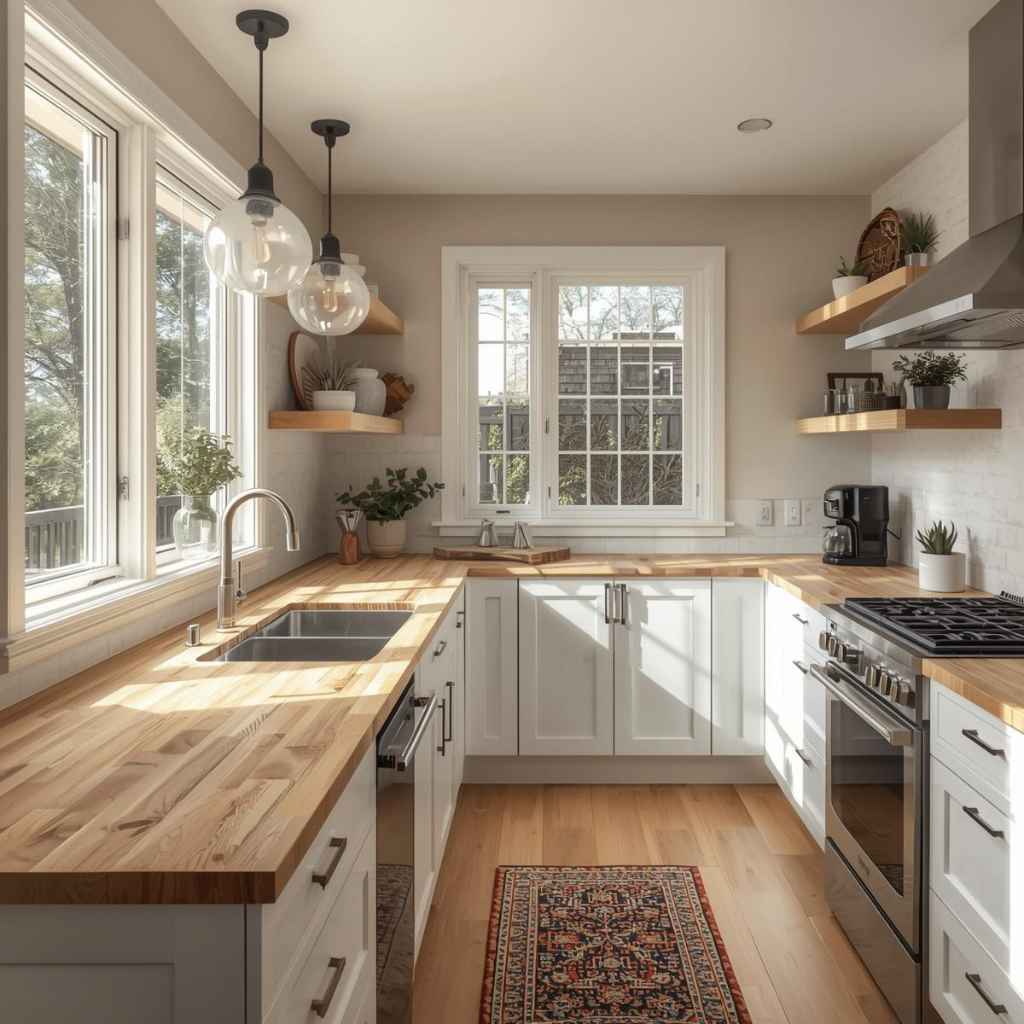
Butcher block is a natural fit for rustic and farmhouse-style kitchens. Its natural wood grain and warm tones complement the cozy, traditional feel of these designs. It pairs beautifully with natural wood cabinets, subway tile backsplashes, and vintage-inspired hardware.
The slightly worn look that can develop over time can even enhance the rustic charm, making the kitchen feel lived-in and inviting.
Natural Wood Integration
In a farmhouse kitchen, butcher block countertops can echo the look of old-world workbenches. They blend perfectly with exposed beams, wooden furniture, and other natural materials. The unpretentious beauty of wood aligns well with the practicality and comfort associated with farmhouse decor.
Contrast with Painted Cabinets
While it looks great with natural wood, butcher block also offers a beautiful contrast against painted cabinets, especially in classic white, cream, or muted blues and greens. This combination adds visual interest and prevents the kitchen from looking too monochromatic. The warmth of the wood can soften the coolness of painted finishes.
Creating a ‘Workstation’ Feel
Historically, butcher block was used in butcher shops as a sturdy, reliable surface for preparing meat. This heritage lends itself perfectly to a farmhouse aesthetic, evoking a sense of tradition and practicality. It can make a kitchen feel like a true place for cooking and gathering.
Modern and Contemporary Kitchens
Surprisingly, butcher block can also bring a unique warmth and organic feel to modern and contemporary kitchens. When paired with sleek cabinetry, minimalist hardware, and clean lines, it offers a striking contrast that adds personality and depth to a modern space. The natural material softens the often-hard surfaces found in contemporary design.
Balancing Sleekness with Warmth
In a modern kitchen, butcher block can act as an organic element that breaks up the uniformity of materials like high-gloss laminate or stainless steel. A light-colored wood like maple or birch can complement minimalist designs without overpowering them. It introduces a tactile element that feels inviting.
Statement Island Feature
A butcher block countertop on a kitchen island can serve as a focal point in a contemporary design. It can be combined with other materials on the perimeter countertops, such as quartz or solid surface, to create visual interest. This approach allows you to enjoy the beauty of butcher block without committing to it for the entire kitchen.
Focus on Grain and Color
For modern kitchens, choosing a butcher block with a subtle, consistent grain pattern, such as a straight-grain maple or beech, can maintain a clean aesthetic. Darker woods like walnut can also work, providing a sophisticated contrast to lighter cabinetry and surfaces. The key is to select a wood and finish that complements the overall modern palette.
Transitional Kitchens
Transitional kitchens blend elements of both traditional and modern design, making butcher block an ideal choice. It offers a bridge between classic and contemporary styles, adding a touch of timeless appeal. The natural material brings warmth and character that can soften modern elements while retaining a sense of sophistication.
Bridging Styles
Butcher block’s inherent warmth and natural beauty work well in transitional spaces. It can soften the hard edges of modern cabinets or add a touch of elegance to more traditional elements. Its versatility allows it to adapt to a variety of color schemes and material combinations, making it a flexible choice.
Versatile Wood Options
You can choose different wood species to suit the specific transitional style you’re aiming for. Oak with its defined grain can lean more traditional, while a smoother beech or maple can feel more contemporary. Walnut offers a rich, luxurious feel that bridges both worlds effectively.
Pairing with Mixed Materials
In a transitional kitchen, butcher block can be paired with other materials like granite, quartz, or even concrete. This mix-and-match approach is characteristic of transitional design, and butcher block adds a natural, grounding element to the composition. For example, using butcher block on an island and granite on the perimeter countertops creates a dynamic yet cohesive look.
Is Butcher Block a Good Countertop Choice For Specific Kitchen Activities
Considering how you use your kitchen is vital when choosing countertops. Is Butcher Block a Good Countertop Choice? for specific tasks like baking, chopping, or serving?
This section examines how butcher block performs in different kitchen scenarios, helping you understand its practical application for your daily cooking needs.
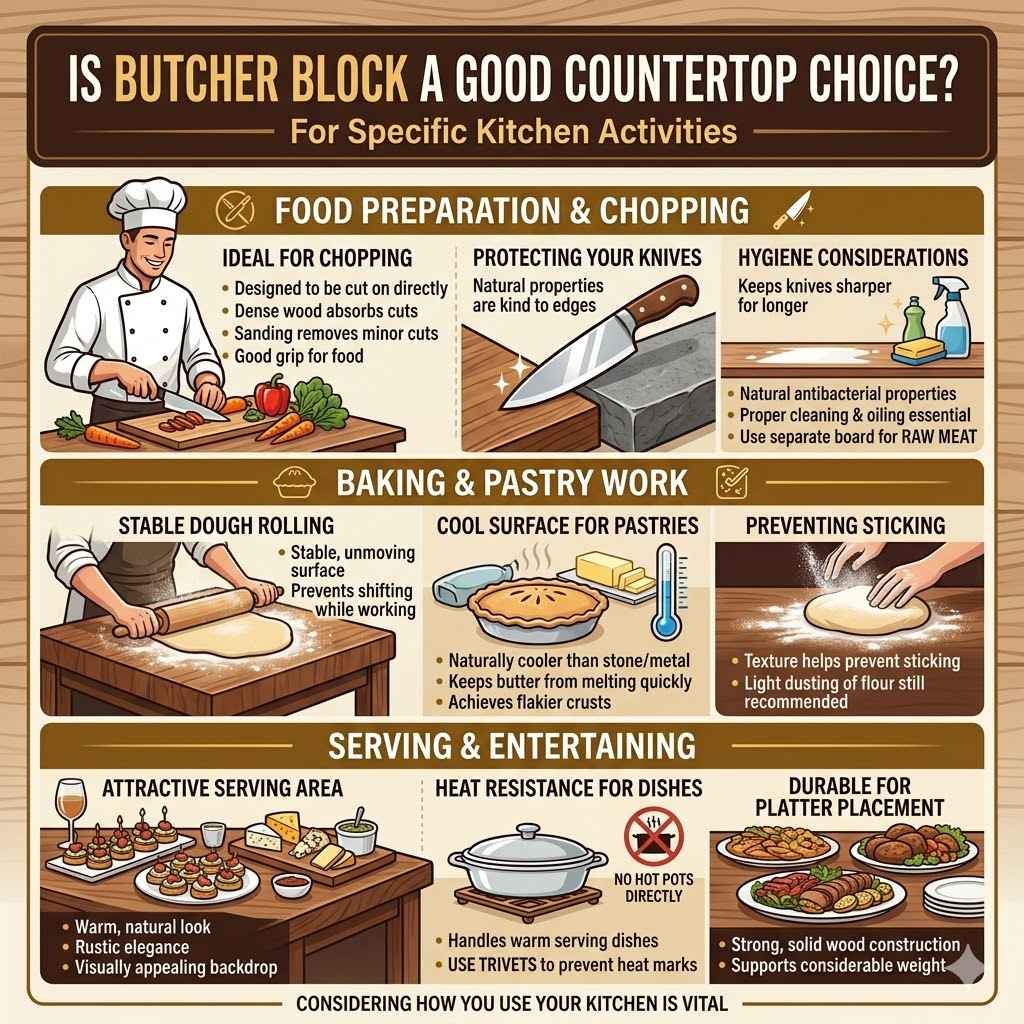
Food Preparation and Chopping
Butcher block’s original purpose was as a cutting surface, and it excels in this regard. Its dense wood is forgiving on knife edges, making it a favorite among chefs and home cooks alike. However, it’s important to distinguish between using the countertop itself as a cutting surface and using it as a sturdy workspace.
Ideal for Chopping
Many butcher block countertops are designed to be cut on directly. The wood can absorb cuts without significant damage, and minor cuts can be sanded out. This makes prep work faster and more efficient, as you don’t always need to grab a separate cutting board.
The surface provides good grip for food items.
Protecting Your Knives
The natural properties of wood are kinder to your knives than harder surfaces like stone or glass. This helps keep your knife edges sharper for longer, which is a significant benefit for anyone who enjoys cooking with sharp tools. A dull knife can be more dangerous than a sharp one.
Hygiene Considerations
While wood has natural antibacterial properties, proper cleaning is still essential, especially if used for direct cutting. Regular oiling and sanitizing will help maintain a hygienic surface. For raw meat preparation, it is always advisable to use a separate cutting board and thoroughly clean the butcher block afterward.
Baking and Pastry Work
The smooth, cool surface of butcher block makes it an excellent area for rolling out dough and working with pastries. Its density provides a stable surface, and the wood’s slight give can be beneficial for delicate doughs.
Stable Dough Rolling
The solid nature of butcher block provides a stable, unmoving surface for rolling out pie crusts, cookies, and other doughs. This stability is crucial for achieving even thickness and preventing dough from sticking or tearing. You won’t have the issue of the surface shifting as you work.
Cool Surface for Pastries
Wood is naturally cooler than stone or metal, which is advantageous when working with butter-based pastries. A cooler surface helps keep the butter from melting too quickly, resulting in flakier pie crusts and more delicate pastries. This natural cooling property is a subtle but valuable benefit for bakers.
Preventing Sticking
While flouring the surface is standard practice, the wood’s texture can sometimes help prevent dough from sticking compared to very smooth, slick surfaces. However, it’s still recommended to use a light dusting of flour or cornstarch to ensure easy release.
Serving and Entertaining
Butcher block countertops can also serve as attractive and functional surfaces for serving food and entertaining guests. Their natural beauty adds warmth to any gathering, and they can handle the demands of holding dishes and platters.
Attractive Serving Area
The warm, natural look of butcher block makes it an inviting surface for displaying appetizers, desserts, or buffet-style meals. It can add a touch of rustic elegance to your entertaining setup, complementing a variety of decor styles. It provides a visually appealing backdrop for food presentation.
Heat Resistance for Dishes
While you shouldn’t place hot pots directly on butcher block, it can generally handle warm serving dishes. Using trivets or placemats is still a good idea to prevent any potential heat marks or scorching. This offers a bit more flexibility than some delicate materials that can be easily damaged by heat.
Durable for Platter Placement
Placing heavy platters and bowls on butcher block is generally not an issue. The solid wood construction is strong and can support considerable weight. This makes it a reliable surface for setting out food for parties or family meals without worry of damage from the weight of the dishes.
Frequently Asked Questions
Question: Is butcher block difficult to maintain
Answer: Butcher block requires regular oiling or sealing to protect it from moisture and stains, typically every few months. While this is more maintenance than some other materials like quartz, it’s manageable and helps keep the wood looking its best.
Question: Can I cut directly on my butcher block countertop
Answer: Many butcher block countertops are designed to be cut on directly. The wood can absorb cuts, and minor marks can be sanded out. However, for heavily used areas or if you prefer to keep your countertop pristine, using a separate cutting board is recommended.
Question: How do I clean butcher block
Answer: Clean butcher block with mild soap and water, wiping up spills immediately and drying the surface thoroughly. Avoid harsh chemicals or abrasive cleaners. Regular oiling or sealing is also part of the cleaning process to maintain its protective layer.
Question: Is butcher block prone to water damage
Answer: Yes, wood is porous and can be damaged by prolonged exposure to water, leading to stains or warping. Promptly wiping up spills and ensuring adequate sealing are crucial to prevent water damage, especially around sinks.
Question: Does butcher block scratch easily
Answer: Butcher block can scratch and dent, like most wood surfaces. However, these marks can often be sanded out and refinished, which is a significant advantage. Using cutting boards and trivets helps minimize wear and tear.
Final Thoughts
Is Butcher Block a Good Countertop Choice? Yes, it offers natural beauty, warmth, and unique character. While it requires regular maintenance like sealing and careful handling of heat and moisture, its repairability and aesthetic appeal make it a rewarding choice.
If you appreciate natural materials and are willing to care for them, butcher block can be a stunning and functional addition to your kitchen.