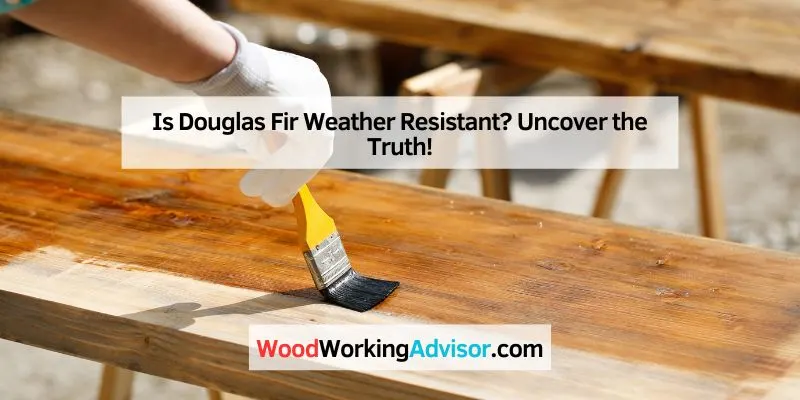
Is Douglas Fir Weather Resistant? Uncover the Truth!
Douglas Fir has moderate weather resistance. It can withstand some moisture but requires proper treatment for longevity.
Douglas Fir is a popular choice for construction and outdoor projects due to its appealing aesthetic and strength. This wood species is known for its durability, making it suitable for various applications, including decking and siding. Its natural resistance to decay is beneficial in exposed environments.
However, without proper treatment, Douglas Fir may be prone to moisture damage and insect infestations. Homeowners and builders often opt for sealants or stains to enhance its weather resistance. Understanding the properties of Douglas Fir helps in making informed decisions for outdoor use, ensuring that your project remains beautiful and functional over time.
Introduction To Douglas Fir
Douglas Fir is a popular tree found in the western United States and Canada. It thrives in moist, coastal regions. This tree has a straight trunk and tall stature, making it ideal for many uses.
The wood from Douglas Fir is strong and durable. It is often used in construction for beams, framing, and flooring. Builders appreciate its resistance to warping and splitting. This quality makes it a great choice for both indoor and outdoor projects.
| Common Uses | Benefits |
|---|---|
| Framing | Strong and stable |
| Decking | Weather resistant |
| Furniture | Attractive grain |
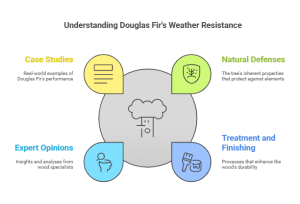
Weather Resistance Of Wood Species
Douglas Fir is known for its strength and durability. It can resist weather effects well. Many factors influence its durability. These include moisture, temperature, and exposure to elements.
Softwoods, like Douglas Fir, tend to be lightweight and flexible. They can be more affordable than hardwoods. Hardwoods, such as oak, are usually denser and stronger. They resist wear better than softwoods.
| Type of Wood | Durability | Cost |
|---|---|---|
| Douglas Fir (Softwood) | Good | Low |
| Oak (Hardwood) | Excellent | High |
The Science Behind Wood Decay
The moisture content in wood plays a vital role in its durability. High moisture levels can lead to decay. Douglas Fir can resist decay if kept dry. Proper storage is key to maintaining its condition.
Sunlight and temperature also affect wood. Direct sunlight can dry out the wood too quickly. This causes cracks and splits. On the other hand, extreme heat can also lead to damage. Keeping Douglas Fir in a stable environment is important for its longevity.
| Factor | Effect on Douglas Fir |
|---|---|
| Moisture | High levels cause decay |
| Sunlight | Can dry and crack the wood |
| Temperature | Extreme heat can cause damage |
Douglas Fir’s Natural Defenses
Douglas Fir has strong natural defenses against weather. Its resin content acts as a protective barrier. This resin helps to repel moisture and resist decay. The wood stays strong even in damp conditions.
Inherent rot resistance makes Douglas Fir a popular choice. This wood can withstand various weather elements. It is less likely to warp or crack over time. Many builders trust it for outdoor projects.
Overall, Douglas Fir is a reliable material. It combines beauty with strength. Choosing it ensures durability in changing climates.
Impact Of Treatment And Finishing
Douglas Fir is known for its strength and beauty. Proper treatment enhances its weather resistance. Using preservatives helps protect against rot and insects. Sealants provide a barrier against moisture and UV rays.
Regular maintenance is key for longevity. Clean the wood surface to remove dirt. Apply a fresh coat of sealant every few years. Inspect for signs of damage or wear. Quick repairs can extend the life of Douglas Fir.
| Type | Benefit |
|---|---|
| Preservatives | Prevents rot and insect damage |
| Sealants | Protects against moisture and UV rays |
Case Studies: Douglas Fir In Action
Douglas Fir is a popular choice for outdoor structures. This wood resists decay well. It can last for many years in various conditions. Builders often use it for decks, pergolas, and fences.
In marine environments, Douglas Fir shows great durability. It withstands moisture and salt effectively. Many boat builders trust Douglas Fir for its strength. Proper treatment enhances its weather resistance even more.
Expert Opinions On Douglas Fir
Douglas Fir is known for its strength and durability. Many woodworkers appreciate its workability. It can be easily shaped and finished. This wood resists warping, making it a popular choice.
Architects often choose Douglas Fir for its stability. It performs well in various weather conditions. Builders value its ability to hold up against moisture. This wood can be used for both indoor and outdoor projects.
Experts suggest treating Douglas Fir with a good sealant. This helps enhance its weather resistance. Regular maintenance keeps it looking great for years. Overall, Douglas Fir is a reliable choice in construction.
Final Thoughts On Douglas Fir’s Weather Resistance
Douglas Fir offers good weather resistance. It resists decay and insects well. This makes it a popular choice for outdoor projects.
Pros include its strength and natural beauty. It can withstand moisture better than some woods. This wood is also easy to work with.
Cons involve its susceptibility to warping. Extreme weather can still affect it. Regular maintenance is necessary to keep it in top shape.
| Pros | Cons |
|---|---|
| Strong and durable | Can warp in extreme weather |
| Natural resistance to decay | Requires regular maintenance |
| Easy to work with | Susceptible to insects |
Frequently Asked Questions
Is Douglas Fir Suitable For Outdoor Use?
Douglas Fir is indeed suitable for outdoor use. Its natural resistance to decay makes it a great choice for decks, fences, and siding. However, to enhance its durability, it’s advisable to apply a protective finish. Proper maintenance will also prolong its lifespan against the elements.
How Does Douglas Fir Compare To Other Woods?
Douglas Fir is often preferred for its strength and stability. Compared to softwoods like Pine, it offers greater durability. Its resistance to warping also makes it a reliable choice for construction. Overall, it’s an excellent option for various outdoor applications when properly treated.
Does Douglas Fir Need Treatment For Weather Resistance?
Yes, Douglas Fir benefits significantly from treatment for weather resistance. While it has some natural decay resistance, applying a water-repellent sealant enhances its longevity. Regular maintenance, including reapplication of treatments, is crucial. This ensures the wood remains protected against moisture and UV damage over time.
What Are The Advantages Of Using Douglas Fir?
Douglas Fir boasts several advantages, including its strength and aesthetic appeal. It is lightweight yet robust, making it easy to work with. Its beautiful grain patterns add charm to any project. Additionally, its resistance to warping makes it an ideal choice for outdoor applications.
Conclusion
Douglas fir is known for its durability and resistance to weather conditions. Its natural properties make it an excellent choice for outdoor projects. Proper treatment enhances its longevity against moisture and pests. Overall, Douglas fir stands out as a reliable option for those seeking weather-resistant wood.
Choose wisely for your next build!