Is LVP Flooring Toxic? Uncover the Health Truth
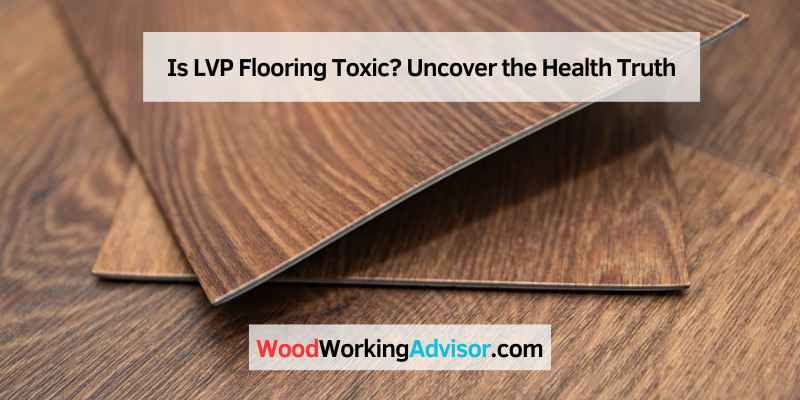
Luxury vinyl plank (LVP) flooring can potentially be toxic as some forms of vinyl and laminate flooring contain toxic chemicals such as cadmium, phthalates, and lead, which can off-gas and impact air quality. However, not all LVP flooring is toxic, and there are non-toxic options available, such as solid wood, natural linoleum, cork, bamboo, tile, and stone.
It’s important to do research and choose flooring materials that are safe for you and your family. When selecting flooring for your home, safety should always be a top priority. This is especially true when it comes to LVP flooring, which has gained popularity in recent years due to its durability, affordability, and easy installation.
However, it’s important to understand the potential risks associated with LVP flooring and choose non-toxic options that will keep your family safe and healthy. We’ll explore the dangers of LVP flooring, the toxic chemicals it can contain, and how to choose flooring materials that are safe and non-toxic.
Introduction To LVP Flooring
When it comes to flooring options, Luxury Vinyl Plank (LVP) has been gaining significant popularity due to its versatility and affordability. LVP flooring is known for its durability and ease of installation, making it a preferred choice for many homeowners.
Popularity And Cost-effectiveness
LVP flooring has surged in popularity in recent years due to its ability to mimic the look of natural materials like hardwood or stone at a fraction of the cost. Its cost-effectiveness makes it an attractive option for budget-conscious consumers looking to achieve a high-end aesthetic without breaking the bank.
Material Composition
LVP flooring is typically composed of multiple layers, including a wear layer, a decorative layer, a core layer, and a backing layer. These layers work together to provide durability, water resistance, and a realistic appearance. The materials used in LVP flooring are engineered to be low in volatile organic compounds (VOCs), making them a safer choice for indoor air quality.
Toxic Chemicals In Flooring
Vinyl plank flooring can be toxic due to reprocessed plastic and harmful chemicals like cadmium and lead. Off-gassing from these materials can affect indoor air quality, emitting toxic fumes that may pose health risks. Opt for safer flooring options like solid wood, cork, or tile to minimize exposure to toxins in your home.
Role Of Phthalates
Phthalates are a group of chemicals commonly used in the production of vinyl flooring, including LVP (Luxury Vinyl Plank) flooring. These chemicals are primarily used as plasticizers to make the flooring more flexible and durable. However, phthalates have raised concerns due to their potential health risks.
Studies have shown that exposure to phthalates can lead to various adverse effects on human health, including respiratory issues, developmental problems, and hormonal disruptions. Children, pregnant women, and individuals with respiratory conditions are particularly vulnerable to the harmful effects of phthalates.
It is important to note that not all LVP flooring contains phthalates. Many manufacturers have started producing phthalate-free alternatives to address the health concerns associated with these chemicals. Therefore, if you are considering LVP flooring, it is crucial to choose products that are specifically labeled as phthalate-free.
Presence Of Cadmium And Lead
In addition to phthalates, certain types of vinyl flooring, including LVP, may also contain cadmium and lead. These toxic heavy metals are typically used as stabilizers or pigments in the production process.
Exposure to cadmium and lead can have severe health consequences, particularly for children and pregnant women. Both of these metals are known to be neurotoxic and can impair brain development in children. Long-term exposure to these substances has also been linked to kidney damage and cardiovascular problems.
To ensure the safety of your household, it is essential to choose LVP flooring that is certified to be free from cadmium and lead. Look for products that meet the relevant safety standards and have undergone independent testing for the absence of these toxic metals.
By being aware of the potential presence of phthalates, cadmium, and lead in LVP flooring, you can make an informed decision that prioritizes the health and well-being of your family. Opting for phthalate-free and non-toxic alternatives will help create a safer indoor environment and minimize the risk of harmful exposure to these chemicals.
The Off-gassing Phenomenon
LVP flooring, like other vinyl and laminate flooring, can release toxic fumes into the indoor air through a process known as off-gassing. This phenomenon occurs when the flooring materials emit volatile organic compounds (VOCs) and other toxic chemicals, which can have a significant impact on indoor air quality.
Duration And Intensity
During the first two weeks after installation, off-gassing is typically at its peak, releasing the highest levels of toxic fumes. However, the off-gassing process can continue for several months, albeit at lower intensity, as the flooring continues to emit VOCs over time.
Impact On Indoor Air Quality
The off-gassing of toxic fumes from LVP flooring can significantly degrade indoor air quality, leading to potential health risks for occupants. Prolonged exposure to these toxic emissions can cause respiratory issues, allergic reactions, and other adverse health effects, particularly in enclosed spaces with poor ventilation.
Health Risks Associated With LVP
When considering LVP flooring, it’s crucial to be aware of the potential health risks associated with this popular choice. From respiratory issues to long-term health effects, understanding these risks is essential for making informed decisions about your indoor environment.
Respiratory Issues
One common health risk associated with LVP flooring is the potential for respiratory issues. The off-gassing of toxic chemicals from the flooring materials can lead to irritation of the respiratory system, causing symptoms such as coughing, wheezing, and shortness of breath.
Long-term Health Effects
In addition to immediate respiratory concerns, there are also potential long-term health effects associated with exposure to toxic substances found in LVP flooring. Prolonged exposure to these chemicals can contribute to chronic health conditions such as respiratory disorders, allergies, and even more serious health issues over time.
LVP And Environmental Concerns
As the popularity of Luxury Vinyl Plank (LVP) flooring continues to grow, so do concerns about its potential impact on the environment. From dioxin emissions to recyclability challenges, there are several environmental factors to consider when evaluating the sustainability of LVP flooring.
Dioxin Emissions
One of the environmental concerns associated with LVP flooring is the potential for dioxin emissions. During the manufacturing process, the production of LVP can result in the release of dioxins, which are highly toxic compounds known to have adverse effects on human health and the environment.
Recyclability Challenges
Another area of concern is the recyclability of LVP flooring. Due to its complex composition of PVC and other materials, LVP presents challenges when it comes to recycling. This can lead to significant waste management issues, as discarded LVP may end up in landfills, contributing to environmental pollution.
Installation Precautions
When installing LVP flooring, it’s important to consider its potential toxicity. Some types of vinyl flooring may contain harmful chemicals like phthalates and lead, which can off-gas and impact indoor air quality. To minimize exposure, choose non-toxic flooring options like natural linoleum, cork, or solid wood.
Regularly clean to reduce dust and dirt accumulation.
When it comes to installing Luxury Vinyl Plank (LVP) flooring, it is important to take certain precautions to ensure the safety of your home and family. While LVP flooring is generally considered safe, certain types can contain toxic chemicals like phthalates, cadmium, and lead, which can off-gas and impact air quality. Here are some installation precautions you should take to minimize the risks associated with LVP flooring.
Protective measures during installation
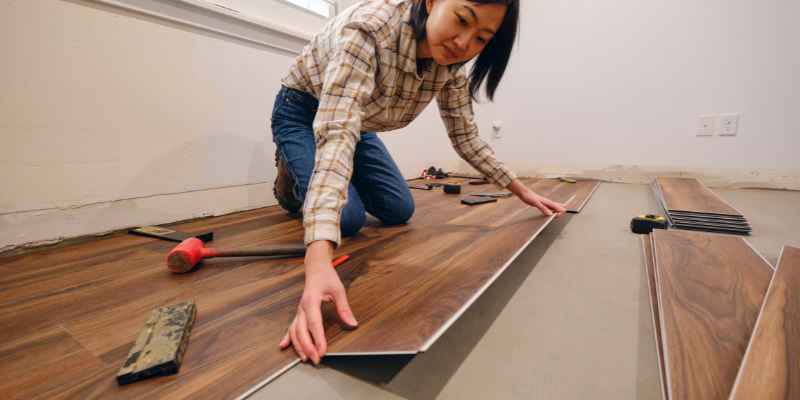
To protect yourself during installation, it is recommended that you wear protective gear like gloves, safety glasses, and a mask. This is especially important if you are using adhesive during installation, as the fumes can be harmful if inhaled. Additionally, make sure the room is well-ventilated by opening windows and doors, and using fans if necessary.
Dustless installation techniques
Dustless installation techniques can help minimize the amount of dust and debris generated during installation, which can be harmful if inhaled. This can be achieved by using special saws and vacuums that capture dust as it is produced. If you are hiring a professional installer, make sure they use dustless techniques to minimize the risks associated with LVP flooring.
Steps to a dustless install method
1. Use a saw with a dust collection system
2. Cover all vents and openings in the room to prevent dust from spreading
3. Use a vacuum to capture dust as it is produced
4. Dispose of dust and debris in a sealed container
By following these steps, you can help ensure a safer installation process for your LVP flooring.
In conclusion, while LVP flooring is generally considered safe, certain types can contain toxic chemicals that can impact air quality. To minimize the risks associated with LVP flooring, it is important to take certain installation precautions, such as wearing protective gear, using dustless installation techniques, and ensuring the room is well-ventilated. By taking these steps, you can help ensure a safer and healthier home for you and your family.
Non-toxic Alternatives To LVP
LVP flooring can be toxic due to the presence of reprocessed plastic and other harmful chemicals. However, there are non-toxic alternatives available such as solid wood, natural linoleum, cork, bamboo, tile, and stone, which are easily cleaned and do not emit toxic fumes.
Natural And Sustainable Options
When considering non-toxic alternatives to LVP flooring, there are several natural and sustainable options that can provide both a healthy indoor environment and a beautiful aesthetic for your space.
Materials such as solid wood, natural linoleum, cork, bamboo, tile, and stone are excellent choices for non-toxic flooring. These options are not only environmentally friendly but also offer durability and easy maintenance, making them ideal for a variety of spaces.
Comparing Cost And Durability
When comparing non-toxic alternatives to LVP flooring, it’s essential to consider the cost and durability of each option. While LVP may seem cost-effective initially, the long-term expenses associated with its potential health impacts and environmental concerns should be carefully weighed against the upfront cost.
Natural and sustainable flooring options may have a higher initial investment, but their durability and longevity often make them a cost-effective choice in the long run. Additionally, these materials are free from toxic off-gassing, providing a healthier indoor environment for you and your family.
Mitigating Toxicity In Homes With LVP
When considering the potential toxicity of Luxury Vinyl Plank (LVP) flooring, it’s crucial to implement strategies to minimize any adverse effects. By focusing on ventilation, regular maintenance, and cleaning, homeowners can create a healthier indoor environment while enjoying the benefits of LVP flooring.
Ventilation Strategies
Proper ventilation is key to reducing the concentration of indoor air pollutants, including those that may be emitted from LVP flooring. Implementing the following ventilation strategies can help mitigate potential toxicity:
- Regularly opening windows and doors to allow fresh air to circulate throughout the home
- Using exhaust fans in areas with high moisture, such as bathrooms and kitchens, to prevent the buildup of indoor air pollutants
- Utilizing air purifiers with HEPA filters to capture and remove airborne contaminants
Regular Maintenance And Cleaning
Adopting a proactive approach to maintenance and cleaning can contribute to a healthier indoor environment, especially when it comes to LVP flooring. Consider the following practices:
- Regularly sweeping or vacuuming the floors to remove dust, dirt, and other particles that may contribute to indoor air pollution
- Using a damp mop with a mild, non-toxic cleaner to effectively clean LVP flooring surfaces without the use of harsh chemicals
- Immediately addressing spills and stains to prevent them from seeping into the flooring and potentially emitting toxic fumes
Regulations And Safety Standards
Vinyl plank flooring can be toxic due to chemicals like cadmium and phthalates, emitting harmful fumes known as off-gassing. Opt for safer options like solid wood, bamboo, or tile to maintain a toxic-free environment and ensure better indoor air quality.
When it comes to choosing flooring for your home or business, it’s important to consider the safety standards and regulations in place. Luxury vinyl plank (LVP) flooring has become a popular option due to its durability, affordability, and aesthetic appeal. However, there have been concerns raised about the potential toxicity of LVP flooring and whether it adheres to safety standards. In this article, we will explore the industry certifications and consumer guidelines for safe flooring to help you make an informed decision.
Industry Certifications
There are several industry certifications that ensure the safety and quality of flooring materials. The FloorScore certification is one such certification that tests for the emissions of volatile organic compounds (VOCs) and ensures that the flooring meets indoor air quality standards. The GREENGUARD certification is another certification that tests for the same criteria and also includes testing for formaldehyde emissions. When choosing LVP flooring, it’s important to look for these certifications to ensure that the flooring meets safety standards.
Consumer Guidelines for Safe Flooring
Apart from industry certifications, there are also consumer guidelines that can help you choose safe flooring. The Consumer Product Safety Commission (CPSC) has guidelines for flooring materials that ensure they are safe for use in homes and businesses. These guidelines include testing for formaldehyde emissions, lead content, and phthalates. Phthalates are a group of chemicals that are used to soften plastics and have been linked to health concerns. It’s important to choose LVP flooring that is free from these chemicals to ensure the safety of your indoor environment.
In conclusion, regulations and safety standards play a crucial role in choosing safe and non-toxic flooring materials like LVP. By looking for industry certifications and following consumer guidelines, you can ensure that the flooring you choose meets safety standards and is free from harmful chemicals. So, make an informed decision and choose LVP flooring that is safe for you and your family.
Making Informed Choices
When it comes to choosing flooring for your home, making informed choices about potential toxicity is crucial. Luxury Vinyl Plank (LVP) flooring has gained popularity, but there are concerns about its potential toxicity. Understanding the implications of LVP flooring is essential for homeowners who prioritize the health and well-being of their families.
Questions To Ask Retailers
When considering LVP flooring, it’s important to ask the right questions to ensure that you are making an informed decision. Here are some key questions to ask retailers:
- What materials are used in the production of the LVP flooring?
- Does the flooring undergo off-gassing, and if so, what are the off-gassing periods?
- Are there independent certifications or testing reports available to verify the flooring’s non-toxicity?
- How does the LVP flooring compare to other non-toxic flooring options in terms of safety and environmental impact?
Resources For Homeowners
For homeowners seeking non-toxic flooring alternatives, there are valuable resources available to guide their decision-making process. These resources include:
- Consumer Reports: Provides insights into the potential health effects of vinyl plank flooring and offers guidance on safer flooring options.
- EnviroKlenz: Offers information on the toxicity of LVP flooring and its impact on indoor air quality, helping homeowners make informed choices.
- Healthy House on the Block: Provides a comprehensive guide to non-toxic flooring options, empowering homeowners to prioritize their family’s health.
- Toxic Free Future: Offers insights into the off-gassing period of LVP flooring and highlights safer flooring alternatives for a toxic-free home environment.
By asking the right questions and utilizing valuable resources, homeowners can make informed choices when it comes to selecting flooring that aligns with their health and safety priorities.
Frequently Asked Questions
Is Vinyl Plank Flooring Bad For Your Health?
Vinyl plank flooring can be bad for your health due to the presence of toxic chemicals like cadmium, phthalates, and lead. These materials can release harmful fumes into the air, affecting indoor air quality. It is important to choose non-toxic flooring options like solid wood, natural linoleum, cork, bamboo, tile, and stone, which are easier to clean and maintain.
The off-gassing of toxic fumes from vinyl flooring can occur for several weeks to months after installation. It is also worth noting that modern vinyl products do not contain asbestos.
What Is The Least Toxic Flooring?
Healthier flooring options like solid wood, natural linoleum, cork, bamboo, tile, and stone are considered the least toxic.
How Long Does It Take For LVP To Off Gas?
LVP flooring can off-gas for up to several months after installation, with the strongest off-gassing occurring during the first two weeks. Certain types of LVP can contain toxic chemicals like phthalates, cadmium, and lead, which can impact air quality and contribute to health concerns.
It’s important to choose safer flooring options like solid wood, natural linoleum, cork, bamboo, tile, and stone to keep your home toxic-free.
Does LVP Contain Asbestos?
No, LVP does not contain asbestos. However, certain types of vinyl and laminate flooring can contain other toxic chemicals, such as phthalates and lead, which can off-gas and impact air quality. Healthier flooring options include natural materials like solid wood, cork, and stone.
It’s important to research and choose flooring that is non-toxic and safe for your family.
Conclusion
It’s crucial to consider the potential toxicity of LVP flooring due to off-gassing. Opting for non-toxic flooring alternatives like solid wood, bamboo, or tile can ensure a healthier indoor environment for your family. Prioritize safety and well-being when selecting flooring materials for your home.