HDPC vs SPC Flooring: What HDPC Actually Means (and Which to Buy)
HDPC (high-density polymer core) and SPC (stone plastic composite) are both waterproof, click-lock rigid-core vinyl planks, but HDPC is a Crossville Studios trademark, not a standard core type like SPC. That means no fixed spec separates them, so compare wear layer, thickness and warranty instead. This guide covers what each term means, real spec ranges, installation basics, and how to choose.
HDPC vs SPC: What the Two Terms Actually Mean
Best Plank Install Kit Pick | |
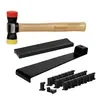 |
Goldblatt Laminate Flooring Tools, Professional Wood LVP Installation Kit A mallet, tapping block, pull bar and 30 spacers cover the tools a click-lock rigid-core floor needs, whether the planks are SPC, WPC or a branded polymer core.
|
As an Amazon Associate we earn from qualifying purchases.
SPC is a rigid-core vinyl plank whose core is mostly ground limestone bound with PVC and stabilizers, with no foaming agent. Sellers publish limestone shares of roughly 60 to 70 percent, and the mineral content is what makes the core dense, thin and stiff. SPC is one of two mainstream rigid-core types, the other being WPC, which uses wood flour or foaming agents and ends up thicker and softer.
HDPC is different in kind. Crossville Studios uses the registered mark HDPC for its rigid-core planks and describes the core as an ultra-dense polymer construction that is 100 percent waterproof, resists dents and moves less with the seasons. The pages we read do not say what the core is made of, so we cannot tell you whether it contains limestone. In short, SPC names a recipe, while HDPC names a brand of rigid core. For the wider SPC and WPC comparison, see our guide to rigid vinyl plank vs luxury vinyl plank.
Four Things Older HDPC vs SPC Articles Get Wrong
An earlier version of this page made several of these mistakes, and copies of them are still circulating. Here are the corrections.
- HDPC is not polyethylene or fiberboard. Some pages expand the letters as “high-density polyethylene core” or say it has a fiberboard core. Crossville, the company that uses the mark, calls it a high-density polymer core.
- HDPC is not a softer, cushioned alternative to SPC. Its selling points are dent resistance and low seasonal movement, the same virtues as a dense SPC core. Cushioned, quiet planks are the WPC pitch.
- Rigid core does not mean SPC. SPC and WPC are both rigid core, so the label alone tells you very little.
- An acronym cannot tell you how a floor will wear. Wear layer thickness, measured in mils, decides scratch life, and it varies within every core type.
HDPC vs SPC vs WPC: Spec Comparison
The ranges below come from published spec sheets. SPC and WPC figures are typical ranges from a rigid-core comparison by MSI, and the HDPC column lists the collections Crossville describes on its blog, so treat it as one brand rather than a category.
| Spec | SPC (typical) | WPC (typical) | HDPC (Crossville collections) |
|---|---|---|---|
| Core | Limestone plus PVC, no foaming agent | Wood flour or foaming agents plus PVC | “Ultra-dense polymer core,” formula not published |
| Total thickness | 4 to 6 mm | 5.5 to 8 mm | 5 mm and 6 mm collections |
| Wear layer | 12 to 20 mil | 12 to 20 mil | 12, 20 and 22 mil collections |
| Dent resistance | Highest of the three | Moderate | Marketed as dent-resistant |
| Sound and softness | Moderate, firmer underfoot | High, softer underfoot | Not stated on the pages read |
Two patterns stand out. First, wear layer ranges overlap completely between core types, so a 12 mil SPC floor and a 12 mil HDPC floor scratch in similar ways. Second, thickness alone does not separate HDPC from SPC, because the branded collections sit inside the normal SPC range.
Which Wear Layer Do You Need?
Crossville notes that a 12 mil wear layer works for residential use, while 20 to 22 mil can withstand commercial environments. That guidance applies to any rigid-core plank. A busy family home with pets is comfortable at 12 mil, and a 20 mil layer is worth the extra cost in an entryway, rental unit or shop floor. For a closer look at thin wear layers, read our comparison of 6 mil vs 12 mil vinyl plank flooring.
Comfort, Sound and Temperature
Density cuts both ways. Dense cores resist dents from furniture legs, but they feel firmer and cooler underfoot than a foamed WPC core. If you want warmth or quiet, look for an attached underlayment pad and check its rating on the spec sheet, since the core name will not tell you.
Temperature guidance is where the brands disagree. One SPC seller states that SPC is not suited to spaces outside roughly 65 to 80 F, while Crossville says its HDPC planks can go in three-season rooms. Both statements are marketing claims. Before you install in a sunroom, garage or cabin, get the exact product warranty in writing and check the allowed temperature range.
Installing Click-Lock Rigid-Core Planks
Both SPC and HDPC are floating floors that lock together, so the installation steps are the same. The core is dense and stiff, which makes it unforgiving in one way: a rigid plank bridges small dips instead of flexing over them, and the locking edge can crack if you hammer it directly.
- Prepare the subfloor: clean it and check it for flatness, because the manufacturer sets the allowed dip, and it is usually tight for rigid planks.
- Leave an expansion gap: use spacers at every wall and follow the width in your install sheet, since it varies by product.
- Tap through a block: close side and end joints with a tapping block and mallet, never a bare hammer on the tongue.
- Use a pull bar on the last row: it draws the final planks together where a mallet cannot swing.
- Keep your fingers clear: strike only the block, and wear gloves if you are pulling planks tight by hand.
Trimming planks is a separate job, and we cover it in how to cut rigid core vinyl plank flooring. If you are laying a wood-look plank over an existing floor, our walkthrough on installing LVP that looks like hardwood shows the full layout order.
How to Choose Between HDPC and SPC
Ignore the acronym and compare these five items on the spec sheet of each product you are considering:
- Wear layer: 12 mil for homes, 20 mil or more for heavy traffic.
- Total thickness: thicker rigid planks usually feel more solid, and thinner ones suit doorways where height is tight.
- Attached pad: a built-in underlayment adds comfort and cuts sound, and you should check whether the warranty allows a second pad on top.
- Warranty terms: read the residential and commercial coverage separately, plus any temperature limits.
- Plank size and locking system: wider, longer planks show fewer seams, but they need a flatter subfloor.
If you want the densest, most dent-resistant floor at a lower price, a standard SPC plank is the safest pick. If a specific HDPC collection matches your color and comes with a stronger warranty, it is a fair choice, as long as you compare it on the same five items. For the bigger picture across vinyl plank types, see our LVP flooring pros and cons breakdown.
Frequently Asked Questions
What does HDPC stand for in flooring?
HDPC stands for high-density polymer core. Crossville Studios sells rigid-core vinyl plank under the registered name HDPC and describes it as an ultra-dense polymer core that resists dents and moisture. Other sellers may use the acronym loosely, so read the spec sheet rather than trusting the label.
Is HDPC the same as SPC?
Not necessarily. SPC is a generic core type built mostly from limestone and PVC. HDPC is a brand name for a dense polymer core, and the pages we read do not publish its formula, so it may or may not contain mineral filler. Compare thickness, wear layer and warranty to judge any two products.
Is rigid core the same as SPC?
No. Rigid core is the whole category of vinyl plank with a stiff, waterproof core. SPC and WPC are the two most common kinds of rigid core, and branded cores such as HDPC sit in the same category. So every SPC floor is rigid core, but not every rigid core floor is SPC.
Which is better, SPC or WPC?
SPC is denser, thinner and more dent-resistant, and it stays stable when temperatures change. WPC is thicker and feels softer and quieter underfoot, and it tends to cost more. Choose SPC for heavy furniture and traffic, and WPC when comfort and sound matter more.
Is HDPC flooring waterproof?
Crossville describes its HDPC planks as 100 percent waterproof, which refers to the plank itself. Water can still get under the floor at the edges, so wipe up standing water promptly and keep the expansion gap at the walls free of blocked or sealed moisture.
Conclusion
HDPC is a brand name for a dense polymer-core plank, and SPC is a limestone-based core type, so the two are not opposites on a spec chart. Shop by wear layer, thickness, attached pad and warranty, and buy the installation tools before you open the first box.
Sponsored / affiliate links. As an Amazon Associate I earn from qualifying purchases. I may earn additional commission from eligible campaigns.