Is Polyurethane Toxic to Dogs? Vital Safety Tips
Polyurethane can be toxic to dogs, especially in its uncured state. Ingesting or inhaling the fumes can lead to serious health issues.
Polyurethane is commonly used in various household items, including furniture and flooring. While it offers durability and aesthetic appeal, pet owners should be cautious. Many dogs are naturally curious and may chew on or ingest materials containing polyurethane. Symptoms of toxicity can range from mild gastrointestinal upset to severe respiratory issues.
Understanding the risks associated with polyurethane can help pet owners make informed decisions about their living environments. Always ensure that any products used in your home are safe for pets. Taking preventive measures can protect your furry friends from potential harm.
Introduction To Polyurethane And Pets
Polyurethane is a popular material found in many homes. Understanding its effects on pets, especially dogs, is crucial. Many pet owners worry about potential toxicity. This section explains what polyurethane is and where it is commonly found.
What Is Polyurethane?
Polyurethane is a type of polymer. It is made from a reaction between diisocyanates and polyols. This material is flexible and durable. It is used in various applications, from foam cushions to coatings.
Polyurethane can be found in two main forms:
- Flexible Foam: Used in furniture and bedding.
- Rigid Foam: Used for insulation and construction.
Common Household Items Containing Polyurethane
Many household items may contain polyurethane. Here’s a list of common products:
| Item | Usage |
|---|---|
| Furniture | Sofas, chairs, and mattresses |
| Flooring | Wood finishes and laminate floors |
| Paints | Coatings and sealants |
| Insulation | Wall and roof insulation |
| Adhesives | Used in various bonding applications |
Pet owners should be aware of these items. Dogs may interact with them daily. Understanding the risks helps keep pets safe.
The Toxicity Of Polyurethane To Dogs
Polyurethane is common in many household items. It can be found in furniture, flooring, and even dog toys. Many pet owners wonder, “Is polyurethane toxic to dogs?” Understanding its toxicity is crucial for keeping pets safe.
Chemical Composition And Risk Factors
Polyurethane is made from various chemicals. These include:
- Polyols
- Diisocyanates
- Stabilizers
Some of these components can be harmful. Diisocyanates are particularly concerning. They can cause respiratory issues and skin irritation.
Risk factors include:
- Size of the dog
- Amount ingested
- Type of polyurethane product
Small dogs are more vulnerable. Ingesting even a small piece can lead to serious health issues.
Case Studies And Reported Incidents
Several cases highlight the dangers of polyurethane. Here are some documented incidents:
| Incident | Dog Breed | Outcome |
|---|---|---|
| Ingested foam from sofa | Labrador | Vomiting and diarrhea |
| Chewed on polyurethane toy | Beagle | Severe respiratory issues |
| Exposure to polyurethane fumes | Poodle | Skin irritation and coughing |
These cases show that polyurethane can be dangerous. Always monitor your dog around polyurethane products.
Recognizing Poisoning Symptoms In Dogs
Understanding the signs of poisoning in dogs is crucial. Quick recognition can save your dog’s life. Polyurethane can be toxic. Watch for symptoms if your dog is exposed.
Early Signs Of Toxic Exposure
Look for these early signs of polyurethane poisoning:
- Vomiting: Sudden and frequent vomiting.
- Diarrhea: Loose or watery stools.
- Lethargy: Unusual tiredness or lack of energy.
- Loss of Appetite: Refusal to eat food.
- Excessive Salivation: Increased drooling or foaming at the mouth.
- Difficulty Breathing: Labored or rapid breathing.
- Seizures: Uncontrolled shaking or convulsions.
Monitor your dog closely after exposure to polyurethane. Early intervention is key.
When To Seek Veterinary Care
Seek veterinary care immediately if you notice:
- Severe vomiting or diarrhea lasting more than a few hours.
- Signs of distress like whimpering or pacing.
- Any seizures or loss of consciousness.
- Symptoms worsening over time.
Always err on the side of caution. Quick action can be lifesaving.
First Aid Measures For Polyurethane Poisoning
Polyurethane poisoning can be serious for dogs. Quick action can save a life. Knowing what to do is vital. Follow these first aid measures carefully.
Immediate Steps To Take
Acting fast is crucial. Here are the immediate steps:
- Stay Calm: Your dog can sense your stress.
- Remove the Source: Get your dog away from the polyurethane.
- Check for Symptoms: Look for vomiting, diarrhea, or lethargy.
- Call Your Vet: Explain the situation and symptoms.
- Follow Instructions: Your vet may give specific advice.
What Not To Do
Knowing what to avoid is just as important. Here’s what not to do:
- Do Not Induce Vomiting: This can cause more harm.
- Avoid Home Remedies: These can be ineffective or dangerous.
- Don’t Wait: Delaying can worsen your dog’s condition.
- Do Not Panic: Staying calm helps your dog feel secure.
These measures can help your dog recover. Always seek professional help when needed.
Veterinary Treatments For Polyurethane Poisoning
Polyurethane poisoning in dogs can be serious. Quick veterinary intervention is crucial. Treatments focus on detoxifying the body and monitoring the dog’s recovery.
Detoxification Procedures
Veterinarians use several methods to detoxify dogs. These include:
- Induction of Vomiting: If ingestion was recent, vets may induce vomiting.
- Activated Charcoal: This absorbs toxins in the stomach.
- Intravenous Fluids: Helps flush out toxins and keeps the dog hydrated.
- Medications: Specific drugs may be given to alleviate symptoms.
Each procedure aims to reduce the effects of polyurethane. Early treatment improves the chances of recovery.
Recovery And Monitoring
After detoxification, careful monitoring is essential. Vets observe for any lingering symptoms. Recovery protocols may include:
- Regular Check-Ups: Follow-up visits ensure the dog is improving.
- Home Care: Owners should watch for signs of distress.
- Diet Adjustments: A special diet may be recommended to aid recovery.
- Hydration: Keeping the dog hydrated is vital.
Monitoring helps catch any complications early. Successful recovery depends on prompt action and care.
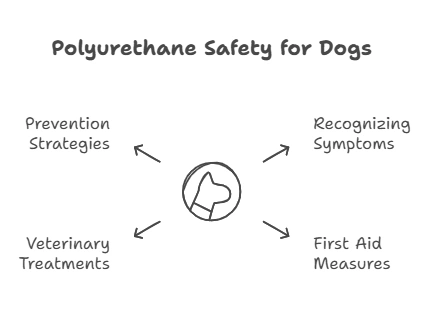
Preventing Polyurethane Poisoning In Dogs
Polyurethane is common in many household items. Protecting dogs from this material is essential. Knowing safe practices can help keep pets healthy and safe.
Safe Storage Practices
Storing polyurethane products properly can prevent accidental poisoning. Follow these tips:
- Keep products in sealed containers.
- Store items in high places, out of reach.
- Avoid leaving open cans or containers unattended.
- Label containers clearly to avoid confusion.
Regularly check storage areas for spills or leaks. Clean up any mess immediately. This practice minimizes risk.
Alternative Pet-safe Materials
Choosing safe materials can reduce risks for your dog. Consider these alternatives:
| Material | Benefits |
|---|---|
| Natural Wood | Durable and non-toxic. |
| Bamboo | Eco-friendly and strong. |
| Recycled Paper Products | Safe and sustainable option. |
| Non-Toxic Paints | Safe for pets and humans. |
Always check labels for safety certifications. Opt for products specifically marked as pet-safe. This choice helps ensure your dog’s wellbeing.
Legislation And Safety Regulations
Understanding legislation and safety regulations is vital for pet owners. Many materials, including polyurethane, are subject to strict guidelines. These regulations help protect both humans and pets from harmful chemicals.
Current Standards For Chemical Safety
Several organizations set safety standards for chemicals. These standards aim to limit exposure to toxic substances. Here are some key points:
- Environmental Protection Agency (EPA): Regulates chemicals in the environment.
- Consumer Product Safety Commission (CPSC): Ensures products are safe for consumers.
- Occupational Safety and Health Administration (OSHA): Protects workers from hazardous materials.
Current regulations focus on:
- Labeling requirements for hazardous materials.
- Testing for toxicity levels before market release.
- Regular monitoring of chemical exposure.
Advocacy For Stronger Protection Measures
Many organizations advocate for stronger chemical safety measures. They push for regulations that prioritize pet safety. Key advocacy points include:
- Stricter testing before product approval.
- Transparency in ingredient disclosure.
- Enhanced labeling to inform pet owners.
Some groups work to educate the public. They raise awareness about the risks of polyurethane. Pet owners need to know the potential dangers.
| Advocacy Group | Main Focus |
|---|---|
| Pet Advocacy Network | Safety regulations for pet products |
| Environmental Defense Fund | Reducing harmful chemicals |
| Consumer Reports | Testing and reviewing pet products |
Stronger regulations can lead to safer products. This ensures that pets remain healthy and happy.
Conclusion: Balancing Safety And Practicality
Understanding the safety of polyurethane for dogs is crucial. This material is common in many homes. It’s vital to balance safety and practicality. Let’s summarize key points and discuss how to keep pets safe.
Summary Of Key Points
- Polyurethane can be harmful if ingested.
- Many products contain safe levels of polyurethane.
- Symptoms of toxicity include vomiting and lethargy.
- Always check product labels for pet safety.
- Consider using pet-safe alternatives.
Final Thoughts On Keeping Pets Safe
Safety is a top priority for pet owners. Here are some tips:
- Choose products labeled as pet-friendly.
- Store polyurethane items out of your dog’s reach.
- Monitor your pet for unusual behavior.
- Consult a veterinarian if ingestion occurs.
Balancing safety and practicality is important. Make informed choices for a safe environment.

Frequently Asked Questions
Is Polyurethane Safe For Dogs?
Polyurethane can pose risks to dogs if ingested. It contains chemicals that may cause gastrointestinal upset or more severe reactions. Always supervise your pets around polyurethane products. Consult your veterinarian if you suspect your dog has ingested any polyurethane material.
What Are The Symptoms Of Polyurethane Poisoning In Dogs?
Symptoms of polyurethane poisoning in dogs include vomiting, diarrhea, and lethargy. Other signs may include loss of appetite and unusual behavior. If you notice these symptoms, seek veterinary care immediately. Early treatment can help prevent more serious health issues.
How Can I Prevent My Dog From Chewing Polyurethane?
To prevent your dog from chewing polyurethane items, store them out of reach. Use dog-proof containers for storage and consider using deterrent sprays on furniture. Training your dog to avoid certain areas is also effective. Regular exercise and mental stimulation can reduce destructive chewing behavior.
Can Polyurethane Fumes Harm Dogs?
Yes, polyurethane fumes can be harmful to dogs. Exposure to these fumes may cause respiratory irritation and other health issues. Ensure proper ventilation when using polyurethane products. If your dog exhibits signs of distress, remove them from the area and consult a veterinarian.
Conclusion
Polyurethane can pose risks to dogs. It’s crucial to monitor your pet’s exposure to this material. Symptoms of toxicity may include vomiting or lethargy. Always consult your veterinarian if you suspect any issues. Ensuring a safe environment for your furry friend is essential.
Prioritize their health and well-being above all else.