Polyacrylic vs Polyurethane: The Real Difference, Without the Fake War Stories
Polyacrylic and polyurethane are both clear wood-protection coatings, but they’re chemically different products with different real-world tradeoffs. Here’s the comparison without invented “I did this and it worked great” stories — just the actual differences that determine which one fits your project.
What Each One Actually Is
Best Non-Yellowing Finish Pick

Minwax Polycrylic Protective Finish, Satin, 1 Quart – $22.79
The clear, non-yellowing water-based finish this guide recommends for light woods and low-to-moderate wear pieces.
- Best for: Shelves, frames, and light-wood projects where yellowing would show
- Why we picked it: Fast dry time and easy soap-and-water cleanup for beginners
- Main drawback: Not tough enough for high-traffic surfaces like dining tables
Compare more polyacrylic/polyurethane options
 Option 1 Minwax Fast Drying Polyurethane (Oil-Based), Satin – $15.97
|
 Option 2 Minwax Water-Based Wipe-On Polyurethane, Satin – $19.98
|
 Option 3 Varathane Water-Based Ultimate Satin Polyurethane – $13.49
|
Polyacrylic is a water-based finish built on acrylic resin. It dries fast, has low odor, and cleans up with soap and water. Polyurethane comes in oil-based and water-based versions — both form a tougher, more abrasion-resistant film than polyacrylic, at the cost of longer dry times and (for the oil-based version) a much stronger odor during application.
Side-By-Side Comparison
| Feature | Polyacrylic | Polyurethane (Oil-Based) | Polyurethane (Water-Based) |
|---|---|---|---|
| Base | Water-based | Oil-based | Water-based |
| Drying Time (between coats) | 1-2 hours | 6-8 hours | 2-4 hours |
| Full Cure Time | About 1 week | Up to 30 days | About 2 weeks |
| Odor | Low | Strong | Low |
| Durability | Moderate | High | Moderate to High |
| Finish Appearance | Clear, non-yellowing | Warm amber tint | Clear, slight yellowing over time |
| Cleanup | Soap and water | Mineral spirits | Soap and water |
| VOC Level | Low | Higher — needs ventilation | Low |
Durability: Which Actually Holds Up Longer
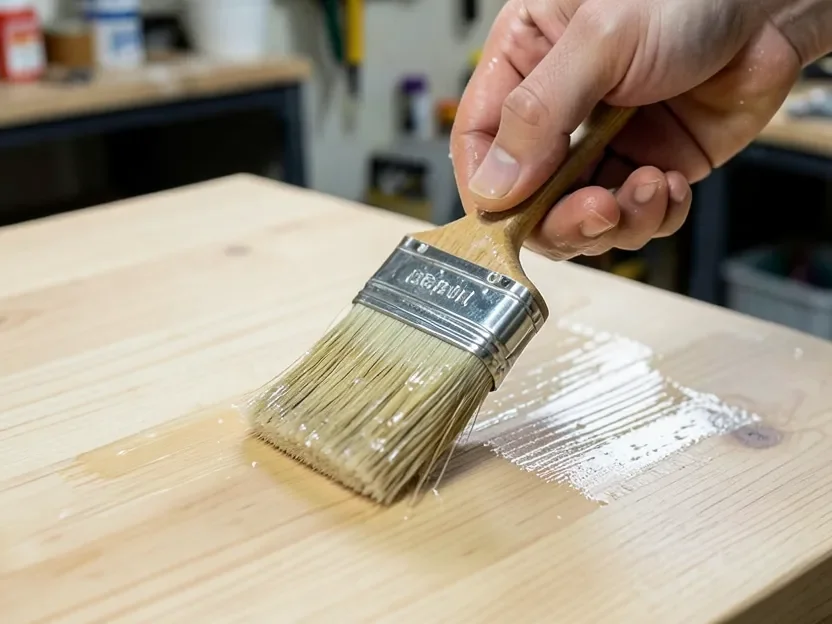
Oil-based polyurethane forms the thickest, most abrasion-resistant film of the three, which is why it’s the standard recommendation for high-traffic surfaces like dining tables and floors. Polyacrylic’s thinner acrylic film is durable enough for low-to-moderate wear — shelves, frames, decorative pieces — but isn’t the right choice for a surface that takes daily abuse. Water-based polyurethane sits between the two: tougher than polyacrylic, not quite as bulletproof as oil-based polyurethane, and a reasonable middle ground for furniture with moderate use like a dresser. If you’re specifically deciding between polyurethane and polyacrylic for a dining table, our polyurethane vs polycrylic for dining tables comparison goes deeper on heat resistance and cost.
Appearance: Yellowing Is The Real Deciding Factor
Polyacrylic stays clear and won’t yellow, which makes it the safer choice on light woods like maple, ash, or whitewashed/painted surfaces where an amber tint would be an obvious defect. Oil-based polyurethane ambers as it cures and continues to warm slightly with age — a desirable effect on darker woods like walnut or cherry, where it deepens the existing tone, but a liability on light woods or a birch cutting board, where it visibly shifts the color away from what was intended. Water-based polyurethane yellows less than the oil-based version but isn’t entirely colorstable either — always test on scrap first, since the effect varies by wood species and number of coats.
Application: What Actually Makes One Easier
Polyacrylic’s fast dry time is a genuine practical advantage for beginners: less time for dust or pet hair to settle into a wet coat, and mistakes are easy to sand out and redo the same day. Oil-based polyurethane’s long open time makes dust contamination more likely and requires real ventilation — the fumes are strong enough that working in an enclosed space without airflow is a legitimate health concern, not just an inconvenience. Water-based polyurethane splits the difference: faster and lower-odor than oil-based, but still needs a careful brushing technique to avoid visible brush marks. A synthetic brush or foam applicator works for polyacrylic and water-based polyurethane; oil-based polyurethane goes on more evenly with a natural-bristle brush, and needs mineral spirits for cleanup instead of soap and water.
Drying And Cure Time: The Difference Between “Dry” And “Cured”
“Dry to the touch” and “fully cured” are different things, and mixing them up is what causes finishes to feel tacky or pick up marks weeks after application. Polyacrylic is touch-dry in about an hour and can take a second coat within two, but still needs roughly a week to fully cure to its final hardness. Oil-based polyurethane needs 6-8 hours between coats and up to 30 days to cure fully — a piece can feel dry and still be soft enough to dent or stay tacky under light pressure well before that point. Water-based polyurethane lands in between: 2-4 hours between coats, about two weeks to fully cure.
Environmental And Health Considerations
Polyacrylic and water-based polyurethane are both low-VOC, making them the more reasonable choice for indoor projects in occupied spaces. Oil-based polyurethane has meaningfully higher VOC content and needs real ventilation during application and cure — a garage with a fan running or open windows, not a closed room. Regardless of which finish you use, a respirator mask and gloves are worth wearing during application.
Which One Actually Fits Your Project
- Polyacrylic: Light-to-moderate wear indoor pieces — shelves, frames, decorative items, and light or painted wood where yellowing would be an obvious defect.
- Oil-Based Polyurethane: High-traffic surfaces like dining tables, floors, and outdoor furniture (with UV-rated formulas) where maximum durability matters more than fast turnaround or odor.
- Water-Based Polyurethane: Furniture with moderate daily use — dressers, cabinets, bathroom vanities — where you want more durability than polyacrylic without oil-based polyurethane’s cure time and fumes.
Application Tips That Actually Matter
- Sand the wood smooth first — start around 120-grit, finish at 220-grit.
- Apply thin coats; thick coats are what cause drips, bubbles, and slow, uneven curing.
- Sand lightly between coats with 320-grit for a smooth final surface.
- Work in a dust-free area — this matters more with polyurethane’s longer open time than with fast-drying polyacrylic.
- Stir the can; don’t shake it, which introduces air bubbles into the finish.
FAQs
Is Polyacrylic The Same As Polyurethane?
No. Polyacrylic is a water-based acrylic finish. Polyurethane is a different resin chemistry that comes in oil- and water-based versions and generally forms a tougher film. Polyacrylic dries faster and stays clear; oil-based polyurethane in particular tends to yellow with age.
Can I Use Polyacrylic Over Polyurethane?
Yes, with proper prep: lightly sand the cured polyurethane to give the new coat something to grip, clean off the dust, then apply polyacrylic in thin coats. Make sure the polyurethane is fully cured first, not just dry to the touch.
Which Finish Is Better For Outdoor Furniture?
Oil-based polyurethane with UV protection is the standard choice for outdoor furniture, thanks to its superior moisture resistance and film toughness compared to polyacrylic or water-based polyurethane.
How Many Coats Of Polyacrylic Or Polyurethane Do I Need?
Most projects need 2-3 coats. Polyacrylic often benefits from three thin coats since each layer is relatively thin. Oil-based polyurethane typically needs two coats given its thicker film; water-based polyurethane usually needs three. High-traffic pieces benefit from an extra coat regardless of which finish you choose.
Can I Mix Polyacrylic And Polyurethane?
Don’t mix them in the same can — they’re chemically different formulas and won’t combine properly. You can layer one over a fully cured coat of the other with proper sanding between coats, but combining them directly in a container will ruin the finish.
Bottom Line
The choice comes down to three real tradeoffs: how much wear the piece will actually see, whether yellowing matters for the wood tone you want, and how much dry/cure time you can afford to wait. Match those three factors to the comparison table above and the right finish is usually obvious.
Sponsored / affiliate links. As an Amazon Associate I earn from qualifying purchases. I may earn additional commission from eligible campaigns.