How to Clean a Polycrylic Brush: Soap and Water, Plus Dried Fix
To clean a Polycrylic brush, work warm water and dish soap into the bristles until the rinse runs clear, ideally within minutes of your last coat. Minwax specifies soap and water, but that covers a wet brush, not one that has dried. This guide covers the wet-brush routine, a rescue for stiff bristles, and how to avoid cleaning between coats.
How Do You Clean a Polycrylic Brush?
Best Polycrylic Brush Pick | |
 |
Purdy Syntox Flat 2 in. Paint Brush An extra-soft nylon and polyester brush sold for stains and clears, which is the synthetic bristle type Minwax specifies for Polycrylic.
|
As an Amazon Associate we earn from qualifying purchases. | |
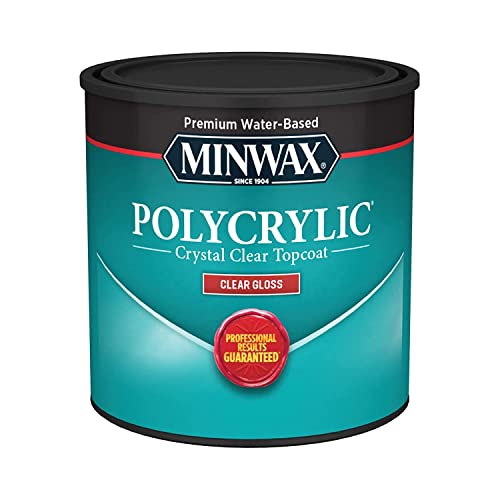
Polycrylic is Minwax’s water-based protective finish, and the product page and data sheet both give the same cleanup instruction: soap and water. That makes this one of the easier finishes to clean up after, as long as you start while it is still wet.
- Wipe off the excess: drag both sides of the brush across a paper towel. Do not wipe it back into the can, and remember the label warns against transferring the finish to other containers.
- Rinse under warm running water: hold the brush with the bristles pointing down so water flows away from the ferrule (the metal band) and handle. Warm is enough; hot water is not needed.
- Add dish soap: put a few drops in your palm and work the brush across it, then squeeze the bristles from the ferrule to the tips.
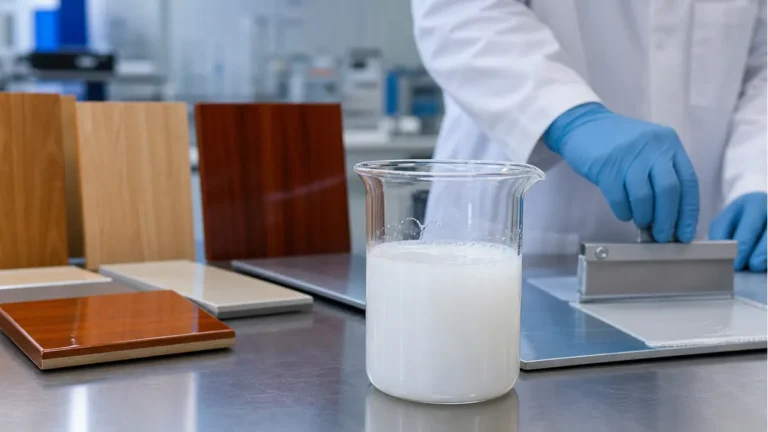
- Rinse and repeat until the water runs clear: Polycrylic looks milky in the can, so a white cloud in the rinse water means there is still finish in the brush. Keep going until it runs clear.
- Comb through the base: finish with your fingers or a brush comb near the ferrule, since finish hides where the bristles meet the metal.
- Shake out and reshape: flick the water off, shape the bristles with your fingers, and dry the brush lying flat or hanging with the bristles down.
Wear nitrile gloves if you are working with the finish for a while. The label lists glycol ethers and other solvents among the ingredients and says to wash your hands after use and avoid skin contact.
How Long Do You Have Before Polycrylic Dries in the Brush?
Minwax gives timings for the finish on wood, not for the brush, so nobody can give you an official clock for the bristles. In practice a water-based film starts to skin over wherever air reaches it, and the ferrule is where it stays wet and hides longest. Use this table to pick the right response for where your brush is right now.
| Brush condition | What to do | What to skip |
|---|---|---|
| Wet, just finished | Warm water and dish soap, steps above | Nothing extra needed |
| Sat a while, stiffening at the base | Soak in warm soapy water for 15 to 30 minutes, then wash and comb | Scrubbing dry bristles |
| Dried stiff, not fully solid | Soap soak, then rubbing alcohol soak, then soap wash | Mineral spirits and hot water |
| Fully cured into a solid block | Replace it (a synthetic brush runs roughly $6 to $20) | Hours of soaking |
How to Rescue a Polycrylic Brush That Dried Stiff
A brush that has hardened in the bristles is not always lost. Work through these steps in order and stop as soon as the bristles move freely.
- Soak the bristles in warm water with a generous squirt of dish soap for about 30 minutes, keeping them off the bottom of the container.
- Work a brush comb or old fork through the bristles from the ferrule toward the tips to break the finish loose.
- If they are still stiff, soak in isopropyl (rubbing) alcohol for an hour or two and comb again. Alcohol softens dried water-based acrylic films, and it is the usual next step in brush care, though Minwax does not list it for Polycrylic.
- Wash again with warm water and soap until the water runs clear, reshape the bristles and dry flat.
Old cleaning advice suggests soaking in vinegar or scrubbing with baking soda paste. Nothing on the Minwax product page or data sheets supports either, so skip them and use the soap-and-alcohol sequence. Mineral spirits are not part of the label cleanup either. The aerosol data sheet lists them only for a clogged spray nozzle, and residue in the bristles has to be washed out before the next water-based coat. If you wonder about stronger solvents, see our answer on cleaning paint brushes with acetone.
Skip the Cleaning Between Coats
The Polycrylic label calls for thin coats and recommends three coats. It says to let each coat dry at least 2 hours, sand lightly with 220-grit paper (no steel wool) and remove the dust before recoating. That puts a 2-hour gap between coats where the brush sits idle, which is exactly when it starts to stiffen.
| Step | Label timing | Clock (starting at coat 1) |
|---|---|---|
| Coat 1 | Thin coat, along the grain | 0:00 |
| Sand and coat 2 | Wait at least 2 hours, sand with 220 grit, remove dust | 2:00 or later |
| Sand and coat 3 | Wait at least 2 hours again | 4:00 or later |
| Light handling | 3 hours after the final coat | 7:00 or later |
| Normal use | 24 hours after the final coat | 28:00 or later |
Two easy ways to protect the brush in that gap. The first is to wash it and use it clean and damp next time. The second is to wrap the loaded brush tightly in plastic wrap or slide it into a zip bag with the air pressed out, which slows the finish drying in the bristles for a couple of hours. Do not stand it in water, because the bristles bend. Brush care is also covered in our general guide on the best way to clean a paint brush.
Choose a Brush That Cleans Easily
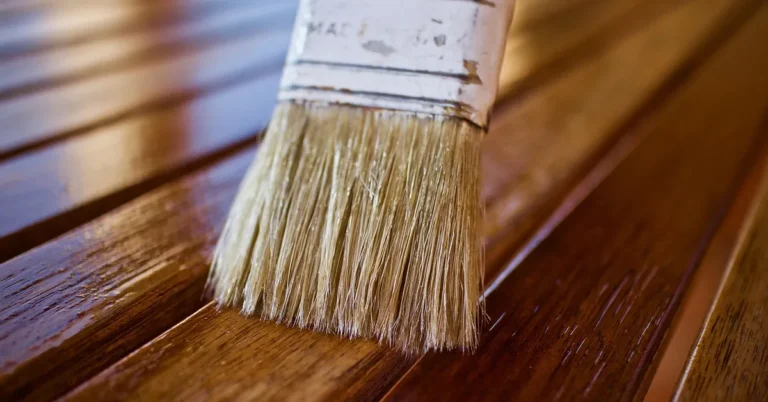
The Minwax label recommends a high-quality synthetic bristle brush, applied thinly along the grain with no overbrushing. Synthetic nylon or polyester bristles shed water-based finish easily and keep their shape when wet. Natural hog bristles absorb water and can go limp, which is why they are usually kept for oil-based finishes. A 2-inch flat or angled trim brush suits most Polycrylic jobs. For a one-coat small job, a disposable foam brush costs less than the time to wash a good one.
If you are still deciding on the finish itself, our comparison of Polycrylic vs polyurethane helps, and the wood finishing guide covers the wider set of choices.
Dispose of Rinse Water and Leftovers Safely
The safety data sheet says waste should not be disposed of untreated to the sewer unless it fully complies with the requirements of the local authority. For a household brush wash that means checking your local rules, never pouring it into a storm drain, and letting the finish settle out or dry in a container before disposing of the solids. Keep the can closed when not in use and out of reach of children, as the label says.
Common Mistakes When Cleaning a Polycrylic Brush
- Waiting until after the job. The brush has already started to stiffen at the ferrule by then.
- Shaking the can or overbrushing. The label says stir well, do not shake, and do not overbrush. Bubbles and heavy loading make the brush harder to rinse.
- Standing the brush bristles-up in water. Water runs into the ferrule and handle. Keep bristles pointing down while rinsing and hang them to dry.
- Resting the brush on its bristles. Bent bristles set as they dry.
- Reaching for mineral spirits by habit. It is an oil-based finish habit and not part of the Polycrylic label routine.
- Skipping the ferrule. Finish trapped at the base is what turns a soft brush into a stiff one.
Frequently Asked Questions
Can you clean a Polycrylic brush with just water?
Yes, while the finish is still wet. Polycrylic is water-based, and Minwax says it cleans up with soap and water. Plain water works on a brush you rinse right after use, but a few drops of dish soap lift the film from the base of the bristles far better.
Do you need mineral spirits to clean a Polycrylic brush?
No. Minwax lists soap and water for Polycrylic cleanup. The aerosol data sheet mentions mineral spirits only for cleaning a clogged spray nozzle. Mineral spirits belong with oil-based finishes, and they are not part of the label routine for this one.
How do you clean dried Polycrylic off a brush?
Soak the bristles in warm soapy water for 30 minutes, then comb them out. If they stay stiff, soak in rubbing alcohol for an hour or two, comb again and wash with soap and water. A fully cured brush may not recover, so treat this as a rescue, not a routine.
Can you leave a brush in water between Polycrylic coats?
It is better not to. Bristles resting on the bottom of a jar bend and stay bent. Wrap the loaded brush tightly in plastic wrap or a zip bag instead, or wash it. With a 2-hour recoat wait, washing is usually the safer choice.
Is cleaning a Polycrylic brush different from cleaning a water-based polyurethane brush?
The routine is nearly the same: warm water and soap, worked in from the ferrule. The difference is the finish. Polycrylic rinses out milky white, which shows you when the brush is clean. Our guide to cleaning a water-based polyurethane brush covers that finish.
Can you pour Polycrylic rinse water down the drain?
Check local rules first. The safety data sheet says waste should not go to the sewer untreated unless it meets local authority requirements. Never pour it into a storm drain, and let the finish settle or dry out of the rinse water before disposing of the solids.
Conclusion
Rinse the brush while the finish is wet, use warm water and dish soap, and keep going until the rinse water is clear of the milky color. Wrap or wash it between coats, use a soap and alcohol rescue on a stiff brush, and replace one that has cured solid.
Sponsored / affiliate links. As an Amazon Associate I earn from qualifying purchases. I may earn additional commission from eligible campaigns.