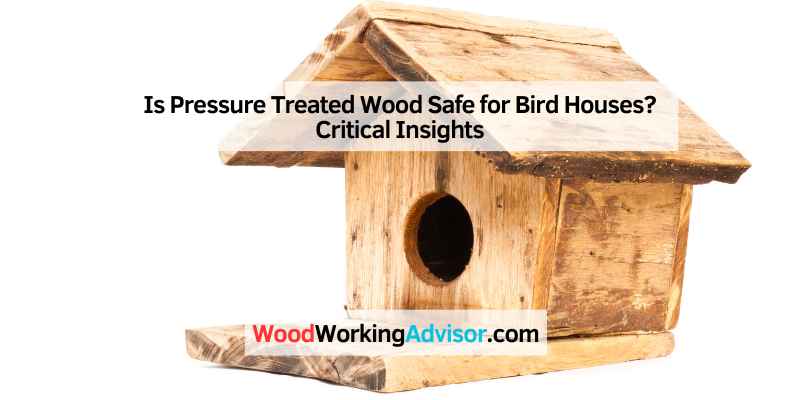
Is Pressure Treated Wood Safe for Bird Houses? Critical Insights
Pressure-treated wood is generally not safe for birdhouses. The chemicals used in the treatment can harm birds.
Building a birdhouse involves thoughtful material choices to ensure a safe habitat. Many people consider using pressure-treated wood due to its durability and resistance to decay. However, the chemicals in this wood can leach out and pose serious health risks to birds.
Non-toxic alternatives like cedar or untreated pine are safer options. These materials not only provide a suitable environment for birds but also blend seamlessly into the natural surroundings. Selecting the right wood is crucial for creating a safe and inviting space for our feathered friends. Prioritizing their health and well-being leads to a thriving birdhouse that attracts various species.
Introduction To Bird Houses And Material Concerns
Backyard birding is a fun and rewarding hobby. Many people enjoy watching birds visit their yards. Birdhouses provide safe spaces for these beautiful creatures. Choosing the right materials for birdhouses is essential for their safety.
Pressure treated wood is a common choice for building birdhouses. This type of wood resists rot and insects. However, it contains chemicals that may harm birds. Using untreated wood is a safer option for birdhouses.
Some popular untreated woods are cedar and pine. They are both durable and safe for birds. Always consider the environment when selecting materials. A safe birdhouse helps ensure happy and healthy birds in your backyard.
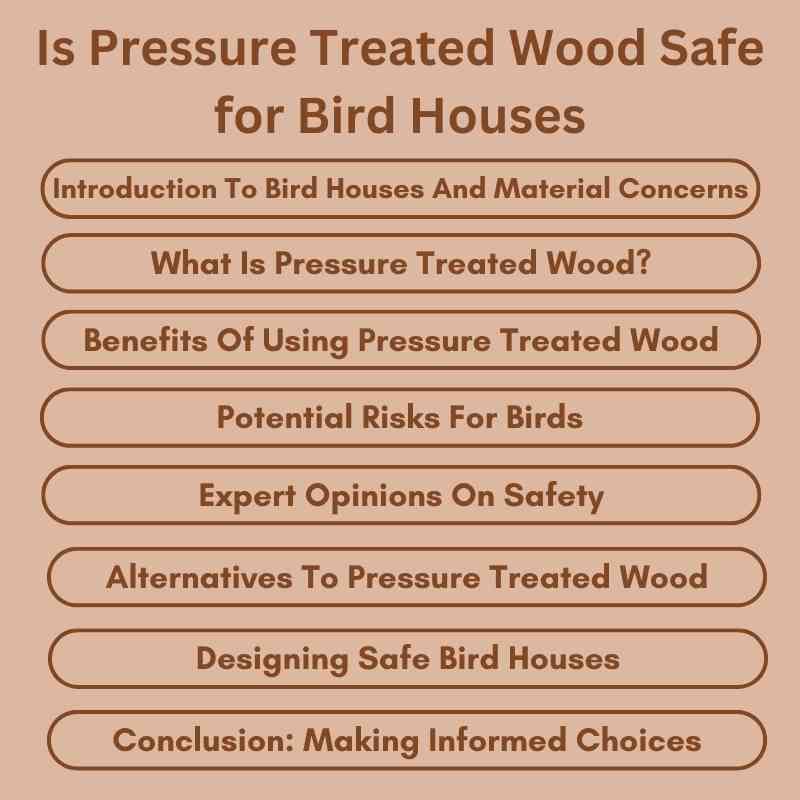
What Is Pressure Treated Wood?
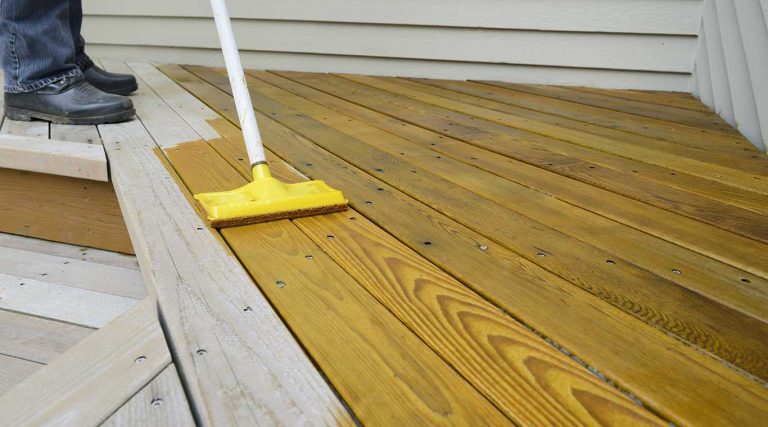
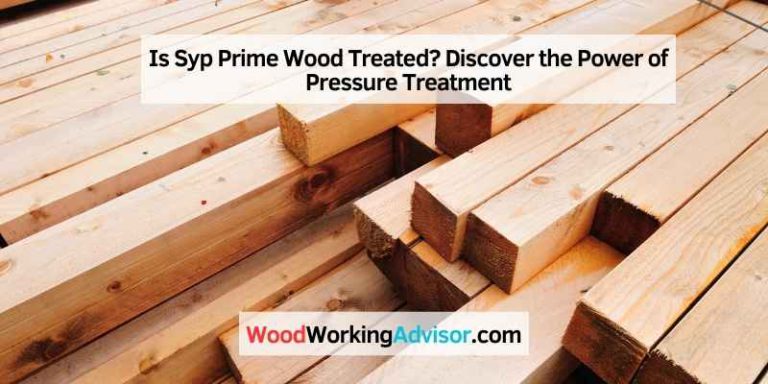
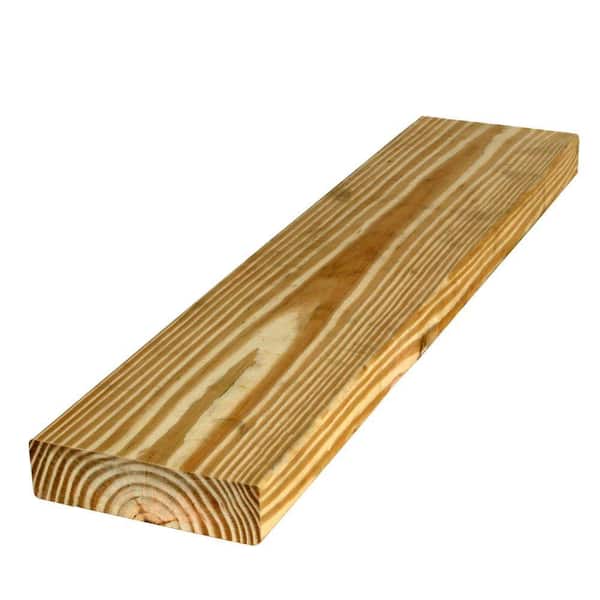
Pressure treated wood undergoes a specific process to resist decay and insects. This wood is infused with chemicals under high pressure. The treatment helps protect it from moisture and pests.
The treatment process typically involves using a vacuum and pressure chamber. Wood is placed inside the chamber and sealed. Then, chemicals are forced into the wood fibers.
| Common Chemicals Used |
|---|
| Copper Azole (CA) |
| Alkaline Copper Quaternary (ACQ) |
| Micronized Copper Azole (MCA) |
| Chromated Copper Arsenate (CCA) |
These chemicals help make the wood last longer. Some may be harmful to birds. Always consider the safety of your feathered friends.
Benefits Of Using Pressure Treated Wood
Pressure treated wood offers great durability against rain, snow, and sun. This wood type resists rot and insect damage. It lasts longer than regular wood, making it ideal for birdhouses.
Building a birdhouse with pressure treated wood can save money over time. While the initial cost may be higher, its long lifespan means fewer replacements. This makes it a cost-effective choice for bird lovers.
Potential Risks For Birds
Pressure treated wood often contains chemicals like chromated copper arsenate. These chemicals can be harmful to birds. When birds come in contact with treated wood, they may ingest toxic substances. This can lead to serious health issues.
Research shows that these chemicals can affect reproduction and growth in birds. Young birds are especially vulnerable to these risks. They may experience developmental problems or even death.
Choosing natural wood or untreated options can ensure a safer environment for birds. It is better to avoid any potential dangers from chemical exposure.
Expert Opinions On Safety
Experts agree that pressure treated wood can pose risks to wildlife. The chemicals used can harm birds and other animals. Many conservationists recommend using natural wood instead. This choice is safer for all wildlife.
Veterinarians warn that chemicals might affect birds’ health. Birds often ingest small particles while cleaning their homes. Choosing untreated wood is safer for birds. It helps keep their environment clean and healthy.
Using untreated wood promotes sustainable practices. It supports local ecosystems and protects wildlife. Selecting safe materials benefits both birds and nature.
Alternatives To Pressure Treated Wood
Many bird lovers seek natural wood options for birdhouses. Cedar and redwood are great choices. These woods resist rot and pests without harmful chemicals. They blend well in outdoor settings.
Eco-friendly materials offer another choice. Bamboo is strong and grows quickly. Recycled plastics can also be used. These materials are safe for birds and the environment. They last long and require less maintenance.
| Material | Benefits |
|---|---|
| Cedar | Natural rot resistance, attractive appearance |
| Redwood | Durable and pest-resistant |
| Bamboo | Strong, lightweight, and sustainable |
| Recycled Plastics | Long-lasting and easy to clean |
Designing Safe Bird Houses
Choosing the right materials for bird houses is crucial. Pressure treated wood is common, but safety matters. Chemicals in this wood can harm birds. Always select natural materials like cedar or pine. These options are safer and durable.
For construction, ensure proper ventilation and drainage. Use non-toxic paints or leave wood untreated. Avoid sharp edges or small gaps. These can trap or injure birds. Building bird houses with care encourages safe nesting.
Conclusion: Making Informed Choices
Choosing pressure treated wood for birdhouses needs careful thought. This wood lasts longer and resists decay, but it may contain chemicals. These chemicals can harm birds and their young. Always check if the treatment is safe for wildlife.
Using untreated wood offers a more natural option. It is safer for birds but may need replacement sooner. Cedar and redwood are good choices for birdhouses. They are naturally resistant to rot and insects.
Encouraging bird diversity is important. Building birdhouses from safe materials helps protect local species. Creating habitats promotes a healthy ecosystem. Choose wisely to support birds and enjoy their beauty.
Frequently Asked Questions
Is Pressure Treated Wood Safe For Birds?
Pressure treated wood is generally not safe for birds. It often contains harmful chemicals like arsenic, which can be toxic. Birds have sensitive respiratory systems, making them more susceptible to these toxins. It’s best to use untreated wood or bird-safe alternatives for constructing birdhouses.
What Are Alternatives To Pressure Treated Wood?
Alternatives include cedar, redwood, and plywood. These woods are naturally resistant to decay and pests without harmful chemicals. Additionally, consider using reclaimed wood or specially treated non-toxic options. Always ensure the materials are safe and suitable for birds before construction.
Can Pressure Treated Wood Harm Other Wildlife?
Yes, pressure treated wood can harm other wildlife. The chemicals used can leach into the environment, affecting soil and water quality. This can lead to harmful effects on insects, mammals, and plants. It’s crucial to choose safe materials to protect all forms of wildlife.
How Long Does Pressure Treated Wood Last?
Pressure treated wood can last 20 years or more. However, this longevity comes at the cost of potential toxicity. While it resists rot and insect damage, the chemicals used can pose risks to birds and other wildlife. Opt for safer materials to ensure a healthy habitat.
Conclusion
Choosing the right materials for birdhouses is crucial. Pressure-treated wood offers durability but raises concerns about chemicals. Weigh the benefits against potential risks. Consider using untreated wood or alternative materials for a safer option. Ultimately, ensuring the safety of our feathered friends should be the top priority in your birdhouse project.