Is Sanding Aluminum Dangerous? Essential Safety Tips Revealed
Are you planning to sand aluminum for your next project? Before you start, it’s important to know if sanding aluminum is dangerous and what risks you might face.
You might think it’s a simple task, but tiny dust particles and sharp edges can cause real problems. Understanding these dangers can keep you safe and make your work easier. Keep reading to find out what you need to watch out for and how to protect yourself while sanding aluminum.
Risks Of Sanding Aluminum
Sanding aluminum might seem simple but has hidden dangers. Understanding the risks helps keep you safe. Small particles and sparks can cause serious problems. Protecting yourself is important before starting any sanding work on aluminum.
Health Hazards From Dust
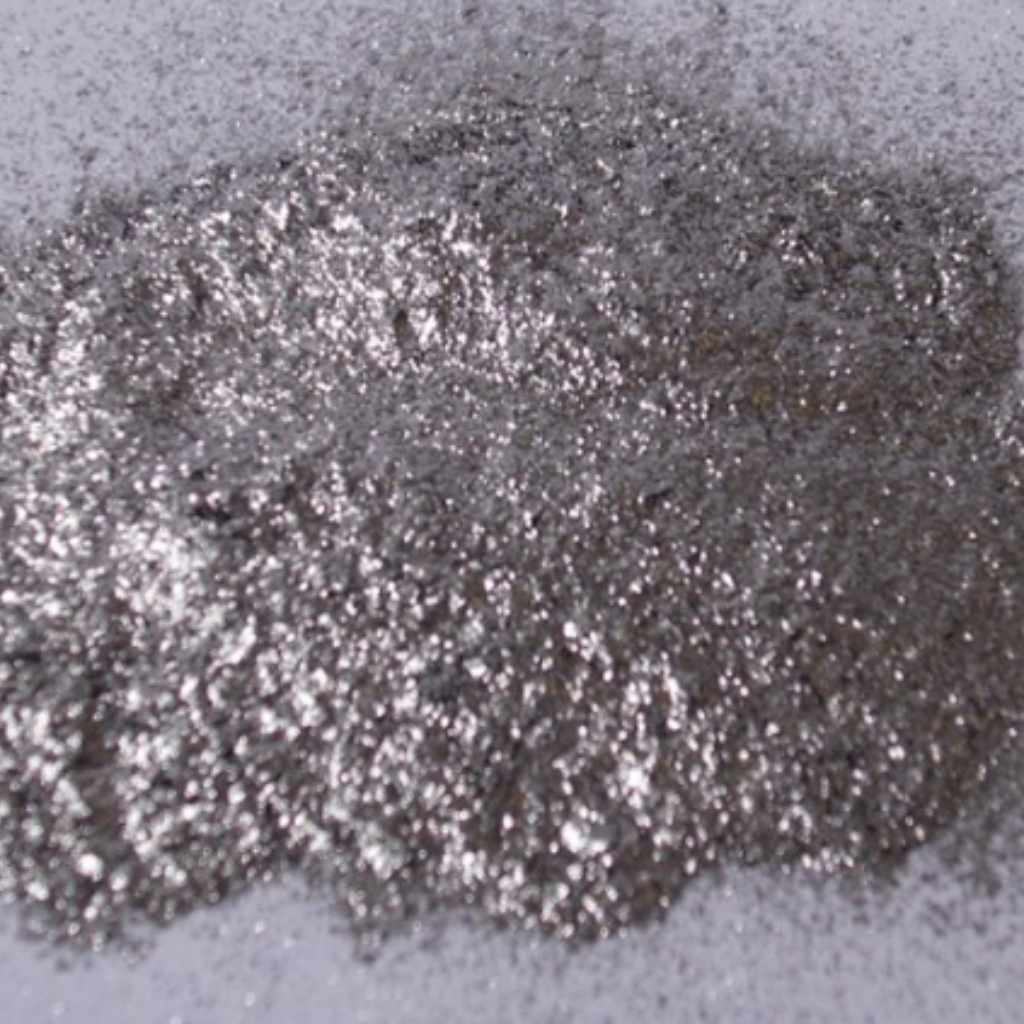
Aluminum dust is very fine and light. Breathing this dust can harm your lungs. It may cause coughing, shortness of breath, or irritation. Long exposure can lead to serious lung diseases. Using a mask or respirator helps reduce the risk.
Fire And Explosion Risks
Aluminum dust can catch fire easily. Sparks from sanding tools can ignite the dust in the air. This creates a risk of fire or explosion. Work in a clean, well-ventilated space. Keep flammable materials far from your work area.
Eye And Skin Irritation
Small aluminum particles can get into your eyes. This causes redness, itching, or even injury. Dust can also irritate your skin, causing redness or rash. Wearing safety goggles and gloves provides good protection.
Proper Protective Gear
Proper protective gear is essential when sanding aluminum. The dust and particles can be harmful if inhaled or if they touch your skin. Wearing the right equipment helps keep you safe and comfortable. It reduces the risk of health problems and injuries. Always prepare before starting your sanding project.
Choosing The Right Respirator
A respirator protects your lungs from fine aluminum dust. Use a mask rated N95 or higher for filtering small particles. Make sure it fits snugly on your face. Change filters regularly to keep it effective. Avoid using simple dust masks that do not seal well.
Protective Clothing Essentials
Wear long sleeves and pants to cover your skin. Aluminum dust can irritate your skin and cause rashes. Choose clothes made from thick material to block dust. Gloves protect your hands from sharp edges and dust. Wash clothes separately after sanding to remove dust.
Eye And Ear Protection
Safety glasses shield your eyes from flying particles. Use wrap-around glasses for full coverage. Aluminum dust can cause serious eye irritation. Ear protection is also important to reduce noise from sanding tools. Use earplugs or earmuffs to protect your hearing.
Safe Sanding Techniques
Sanding aluminum requires care and the right methods to stay safe. Proper techniques reduce risks and improve results. Follow these safe sanding techniques to protect yourself and your work.
Using The Correct Tools
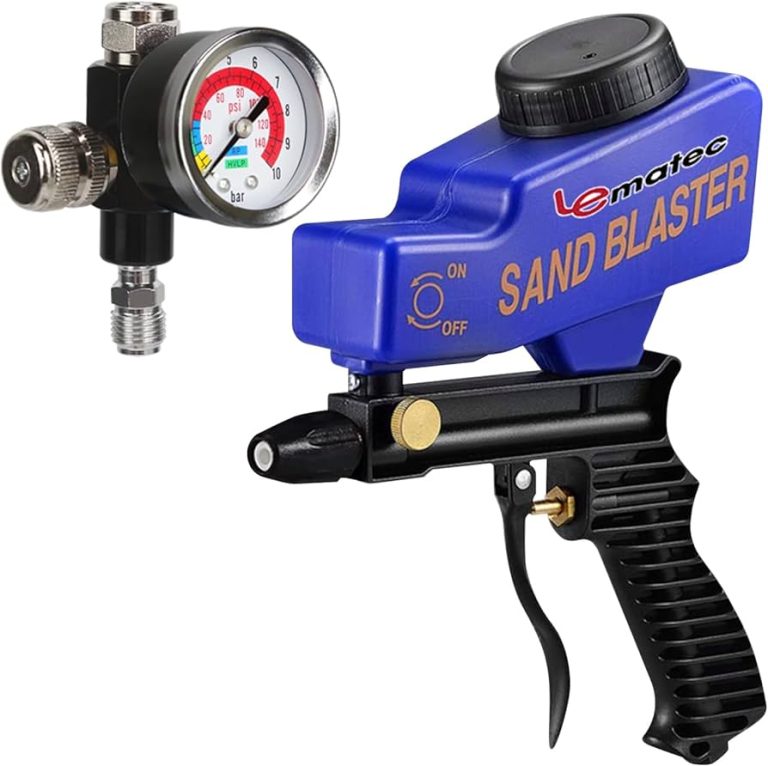
Select sandpaper designed for metal or aluminum. Use finer grits to avoid deep scratches. Power sanders with adjustable speeds work best. Hand sanding is safer for small areas. Always check tools for damage before starting.
Controlling Dust Spread
Aluminum dust can be harmful if inhaled. Work in a well-ventilated area or outside. Use a vacuum or dust collection system nearby. Wear a mask or respirator to protect your lungs. Clean the workspace often to reduce dust buildup.
Avoiding Overheating
Friction can heat aluminum quickly during sanding. Heat may cause burns or damage the metal. Sand in short bursts with breaks between. Use lower speeds on power tools. Keep the surface cool by spraying water if needed.
Work Area Preparation
Preparing your work area is crucial before sanding aluminum. It helps keep you safe and makes the task easier. A clean, well-organized space reduces risks and improves focus. Here are key steps to prepare your work area properly.
Ventilation Importance
Good airflow is vital when sanding aluminum. Dust and tiny particles can harm your lungs. Open windows or use fans to keep air moving. Consider wearing a mask for extra protection. Avoid closed spaces with poor ventilation to reduce health risks.
Cleaning And Maintenance
Start with a clean work surface. Remove dirt, grease, and old materials before sanding. Sweep or vacuum dust regularly during the work. Clean tools and equipment to prevent buildup. A tidy area helps you work faster and safer.
Fire Safety Measures
Aluminum dust can catch fire easily. Keep flammable materials far from your workspace. Have a fire extinguisher nearby, just in case. Avoid sparks by using tools carefully. Always stay alert to prevent accidents during sanding.
Disposal Of Aluminum Dust
Disposing of aluminum dust requires care and attention. This dust is a byproduct of sanding aluminum surfaces. It can pose safety risks if not handled correctly. Proper disposal helps protect people and the environment. Follow safe methods and rules to manage this waste effectively.
Safe Collection Methods
Collect aluminum dust using a vacuum with a HEPA filter. Avoid sweeping or brushing, which spreads dust into the air. Use sealed containers to store dust safely. Label containers clearly to prevent accidents. Wear protective gear during collection to avoid inhaling dust.
Disposal Regulations
Check local laws about disposing of metal dust. Some places treat aluminum dust as hazardous waste. Follow guidelines for transporting and handing over waste to authorized facilities. Never dump dust in regular trash or drains. Proper disposal keeps communities safe and legal.
Environmental Considerations
Aluminum dust can harm soil and water if released. It may affect plants and animals nearby. Dispose of dust to reduce pollution risks. Recycling aluminum dust is a good option. It saves resources and lowers environmental impact.
Frequently Asked Questions
Is Sanding Aluminum Harmful To Health?
Sanding aluminum can release fine dust particles that may irritate lungs and skin. Always wear a mask and gloves to reduce exposure and protect your health while sanding.
What Safety Gear Is Needed For Sanding Aluminum?
Use a dust mask or respirator, safety goggles, and gloves. Proper ventilation is also essential to avoid inhaling aluminum dust during sanding.
Can Aluminum Dust Cause Explosions?
Yes, aluminum dust is highly flammable and can cause explosions in confined spaces. Avoid sparks and ensure good ventilation when sanding aluminum.
How To Minimize Dust When Sanding Aluminum?
Use wet sanding or a vacuum attachment to reduce airborne dust. Working in a well-ventilated area also helps minimize dust buildup.
Conclusion
Sanding aluminum can create tiny dust particles in the air. Breathing this dust might harm your lungs over time. Wearing a mask and working in a ventilated area helps protect you. Always use safety gear like gloves and goggles for better protection.
Taking simple steps keeps sanding safe and easy. Stay careful, and your projects will turn out great without risk.