Is Teak Wood Waterproof? Essential Facts for Homeowners
Figuring out Is Teak Wood Waterproof? Truth You Should Know can be tricky for anyone who’s new to wood. It’s a common question, especially if you’re thinking about outdoor furniture or boat decks. The science behind how wood interacts with water and how teak fares in those conditions can be a little overwhelming at first. Don’t worry! We’ll break it down into easy steps so you get the facts straight. Let’s find out exactly how teak performs when it meets water, and how to protect it properly.
Teak Wood and Water: What You Need to Know
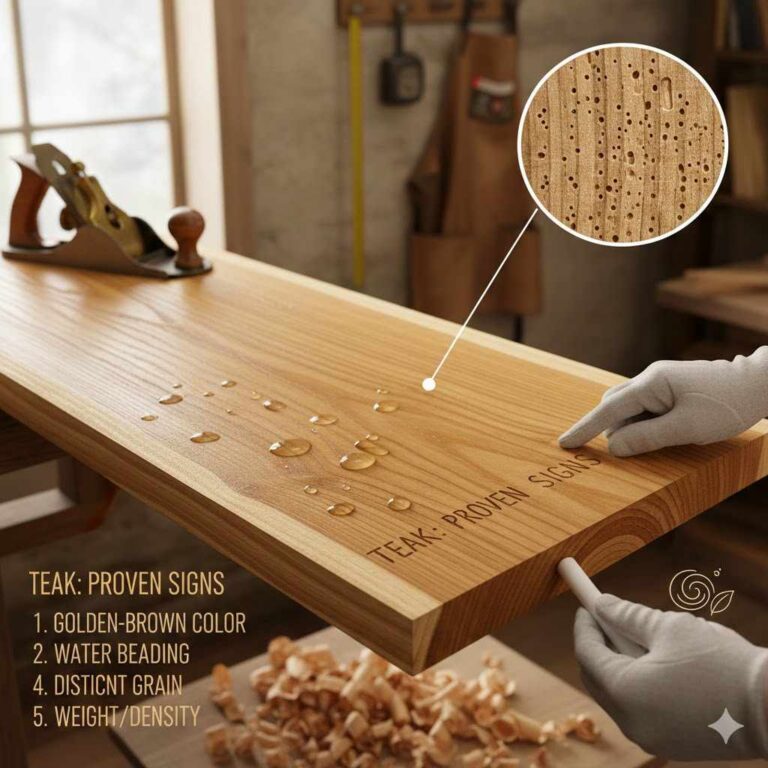
Teak wood has a great reputation. People often choose it for things that get wet. But is it truly waterproof? The simple answer is, no, it’s not. However, teak has something unique: a high natural oil content. This oil is a big part of why teak wood resists water so well. This natural oil helps the wood repel water. It also slows down how quickly the wood absorbs moisture. This is why teak wood is often used outdoors. This includes things like boat decks or outdoor furniture. The ability to resist water is key to why teak is popular. Exploring this trait helps us understand what makes teak a good choice for some uses. It also points out the maintenance needed to keep it at its best.
The Science Behind Teak’s Water Resistance
The secret of teak’s resistance to water lies in its makeup. Teak wood has a natural oil within its grain. This oil is a protective barrier that fights against water absorption. When water comes into contact with the surface of teak, this oil prevents it from being soaked up quickly. This is a big advantage compared to many other types of wood. Teak wood is more resistant to issues caused by water. These include swelling, cracking, and decay, which can ruin other woods. This protective layer also slows the growth of mold and mildew. This is another bonus that helps teak keep its good looks. This natural oil is what makes teak a great option for situations with water.
- The high silica content in teak wood, up to 1.4%, is also key. This substance helps keep the wood’s structure strong and stable. This makes teak resistant to water damage, even over many years.
- Teak’s tight grain structure prevents water from easily penetrating the wood. The close-knit fibers make it harder for water to seep in. This lowers the chance of problems such as rot and swelling.
- The natural rubber in teak wood is a natural water repellent. This rubber fills in the tiny spaces within the wood. This enhances its water resistance even further.
Teak Wood vs. Other Types of Wood
Comparing teak to other types of wood is key. It helps us see why it’s so sought after. Many common woods, like pine or cedar, are not naturally as resistant to water. These woods often need special treatments to stand up to moisture. This includes paints, varnishes, or sealers. Teak’s natural oils do the job without extra help. This gives it a big advantage for outdoor projects and marine uses. When you compare teak’s features to those of other woods, its usefulness becomes clear. It is a solid choice when weather is a factor.
| Wood Type | Water Resistance | Typical Uses | Maintenance Needs |
|---|---|---|---|
| Teak | High due to natural oils | Boat decks, outdoor furniture | Minimal; occasional cleaning and oiling |
| Pine | Low; easily absorbs water | Indoor furniture, construction | Requires sealing, staining, or painting |
| Cedar | Moderate; natural oils present | Outdoor decking, fencing | Periodic sealing and cleaning |
Practical Uses of Teak Wood
Teak’s amazing traits make it ideal for many uses. Its resistance to water is key for outdoor furniture. It can stand up to rain, sun, and other conditions without damage. You’ll often see teak used in boat building. It’s often used for boat decks. It resists saltwater, which makes it last longer in a marine environment. Teak is also good for bathrooms, where water and humidity are high. Its ability to last is a big plus in these wet areas. Looking at where teak is used highlights its versatility and reliability.
- Outdoor Furniture: Teak chairs, tables, and benches can stay outside year-round. They don’t need to be covered. They can handle various weather conditions.
- Boat Decks: Teak planks are used for boat decks because they are resistant to saltwater and sun damage. This will give boats a longer lifespan.
- Bathroom Flooring: Teak is great for bathroom floors. It can handle water, humidity, and wear without getting damaged.
- Shower Floors: Teak is often used in showers. It handles wet conditions without rot or mold.
- Sauna Construction: Teak resists heat and humidity well. This makes it perfect for saunas.

Maintaining Teak Wood to Maximize Water Resistance
Although teak is great at resisting water, some care is still needed. Regular maintenance keeps the wood in good condition. You can help it last longer. It’s important to understand the best ways to clean, protect, and restore teak. This helps keep its natural beauty and water resistance. Simple steps go a long way in keeping teak looking good for years. Let’s look at how to take care of teak wood so it stays in top shape.
Cleaning Teak Wood
Cleaning teak is a straightforward process. Regular cleaning helps remove dirt, grime, and other substances. These things can build up on the surface. Simple cleaning stops these from damaging the wood. Mild soap and water are often enough to clean teak wood. You can also get special teak cleaners. Avoid harsh chemicals or abrasive materials. They can strip away the wood’s natural oils. Use a soft brush or sponge to gently scrub the surface. Rinse with clean water. This routine cleaning keeps teak looking its best. It will also help keep its water resistance working at its best.
- Use mild soap or a teak-specific cleaner. These are safe and won’t harm the wood.
- Use a soft-bristled brush. This helps you clean the wood without damaging the surface.
- Rinse the teak thoroughly with fresh water. Make sure to remove all soap residue.
- Allow the teak to dry completely. This prevents mold and mildew.
Protecting Teak Wood
Protecting teak involves sealing it and applying oil. This process enhances the wood’s water resistance and protects it from the elements. There are different types of teak sealers. They create a protective layer on the surface. Teak oil replaces the wood’s natural oils. This process helps keep the wood from drying out. Applying a good quality sealer or teak oil can boost teak’s water resistance. It will also keep its color from fading in the sun. Regular protection will extend the life of your teak wood. It will also maintain its beauty.
- Apply a teak sealer to create a protective barrier.
- Use teak oil to replenish natural oils.
- Reapply oil or sealer every six months or as needed.
- Choose products with UV protection to prevent sun damage.
Restoring Teak Wood
Even with good care, teak can become weathered or damaged over time. Restoring teak involves bringing it back to its original state. This may include cleaning, sanding, and re-oiling the wood. If teak has greyed, sanding the surface will remove this layer. This will reveal the fresh wood underneath. This process will bring back its original color. After sanding, apply teak oil or a sealer. This protects the restored surface. Proper restoration will bring life back to your teak. It will also help preserve its water resistance. Restoring teak can make old items look new again.
- Clean the teak thoroughly. Remove any dirt or grime.
- Sand the surface to remove the gray layer. Use fine-grit sandpaper.
- Apply teak oil to nourish and protect the wood.
- Reapply oil as needed to maintain the finish.
Understanding the Limitations of Teak Wood
Knowing the limits of teak wood is as important as knowing its good points. Even though teak is water-resistant, it’s not completely waterproof. This means it can still be damaged if exposed to water in specific ways. Understanding these limits will help you make the best choices for your teak products. It will also help you take care of them properly. This will make them last longer.
The Impact of Prolonged Water Exposure
Even though teak is resistant to water, long exposure can still cause issues. Water can eventually seep into the wood. This can lead to swelling, cracking, and even decay. Constant contact with water, like in areas of standing water, is a challenge for teak. In these situations, regular maintenance and extra protection are needed. This includes using sealers and keeping the wood dry when not in use. Recognizing these risks is key. It helps you keep teak in good condition.
- Avoid leaving teak furniture in standing water.
- Regularly check for signs of water damage.
- Use protective covers during rainy seasons.
The Effects of Saltwater
Saltwater is tough on teak. The salt can dry out the wood. It can also cause it to lose its natural oils. This makes it more likely to crack or get damaged. If teak is used in a marine environment, it needs more care. You need to wash the teak often. You should also treat it with oils. This will help replace the oils that the salt washes away. Also, it will keep it from getting dry. Protecting teak from saltwater is a must. This will keep it looking good and help it last long.
- Rinse teak with fresh water after exposure to saltwater.
- Use teak-specific cleaners designed for marine environments.
- Apply teak oil more frequently to replenish oils.
Factors Affecting Teak’s Lifespan
Many things can affect how long teak lasts. These include where it is used, how it is maintained, and environmental factors. Proper care is key to teak’s lifespan. Teak furniture that is well-maintained and protected can last for many years. Exposure to harsh conditions can speed up wear. Understanding these factors will help you manage the lifespan of your teak. Regular cleaning, oiling, and protecting the teak are all key. Following these steps will help teak items last a long time.
- Regular maintenance will significantly extend teak’s lifespan.
- Protect teak from sun and extreme weather.
- Choose high-quality teak products for durability.
Frequently Asked Questions
Question: Is teak wood good for outdoor use?
Answer: Yes, teak is an excellent choice for outdoor use because of its natural water resistance and durability.
Question: How often should I oil my teak furniture?
Answer: It’s best to oil your teak furniture every six months, or as needed, based on weather conditions.
Question: Can I use regular wood cleaner on teak?
Answer: Avoid using regular wood cleaners. They may remove the teak’s natural oils. Use cleaners designed for teak.
Question: Does teak wood turn gray?
Answer: Yes, teak will naturally turn gray over time. This is a normal process, but you can restore the original color by sanding and oiling.
Question: Is teak eco-friendly?
Answer: Teak can be eco-friendly if harvested from sustainable sources. Look for certifications that guarantee responsible forestry practices.
Final Thoughts
You now know the answer to the question, Is Teak Wood Waterproof? Truth You Should Know. Teak has amazing water-resistant qualities. But it’s important to remember that it’s not totally waterproof. Teak’s high oil content makes it perfect for things like outdoor furniture and boat decks. However, regular cleaning, proper protection, and an understanding of its limits are needed to keep teak in good condition. By taking care of your teak, you will keep its natural beauty and ensure it lasts. So now you know how to choose, maintain, and enjoy the beauty of teak for years to come!