How to Recognize Teak Wood: Grain, Smell & Water Test
Real teak feels oily and slightly waxy, with a straight-to-wavy grain and a Janka hardness of 1,070 — plantation teak runs lighter and less oily than old-growth Burmese teak. A stained substitute like iroko or rubberwood loses teak’s natural rot and pest resistance, so outdoor furniture can warp or rot within a few seasons. This guide covers the grain, smell, and water-bead tests, plus how real teak compares to oak, mahogany, and wood sold as African teak.
Insert your Affiliate Disclosure reusable block here
How to Recognize Real Teak Wood
Five hands-on checks separate genuine teak wood from a stained lookalike: grain pattern, color, oily feel, smell, and weight. None is foolproof alone — use at least three together before you trust a seller’s claim.
Grain Pattern
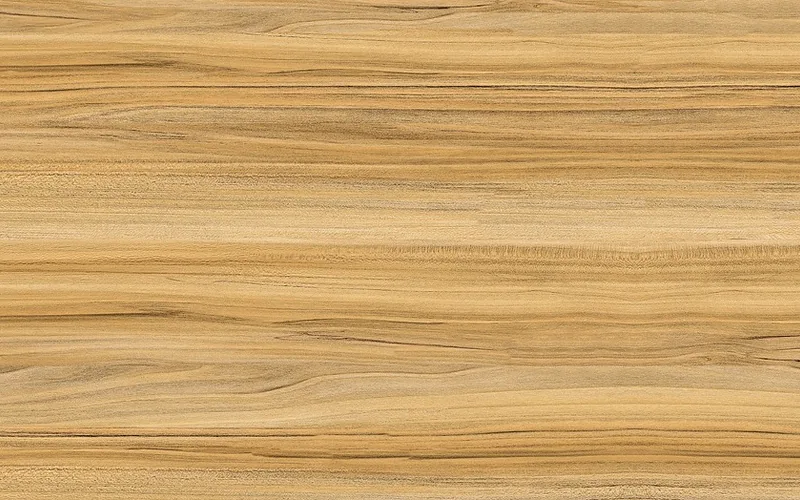
Higher-grade teak has a long, straight grain with occasional wavy or interlocking sections and few knots. Cheaper, lower-grade boards show more irregular, swirling grain with larger knots. A perfectly uniform, repeating pattern with no natural variation is a sign of a printed veneer, not solid wood.
Color — Fresh vs. Weathered
Freshly milled teak ranges from golden honey to medium chocolate brown. Left outdoors and unsealed, it weathers to a silver-grey patina over roughly 6 to 12 months — a color change that only happens on real teak’s natural oils, not on dyed substitutes, which tend to fade blotchy or stay unnaturally uniform.
Oily Feel & the Water-Bead Test
Run a bare finger across an unfinished area — genuine teak feels slightly waxy or oily and leaves almost no dust residue. For a sharper test, drip a few drops of water onto unfinished wood: on real teak, the beads sit on the surface for a minute or more before slowly soaking in. On stained substitutes, water absorbs within seconds and often darkens the surface unevenly.
Smell
Freshly cut or sanded teak gives off an earthy, leather-like scent from its natural oils; the smell fades as the wood dries but returns faintly when you re-sand a small spot. A sharp chemical, varnish, or “new furniture” smell instead of an earthy one usually means a different wood with a heavy stain or sealant.
Weight & Density
Teak is dense for its size — a full board or a piece of furniture should feel noticeably heavier than a similarly sized piece of pine or cedar. Combined with a coarse texture from teak’s naturally high silica content, unusual heft is a supporting clue, though weight alone can’t rule out a dense substitute like mahogany.
📊 Teak rates 1,070 lbf on the Janka hardness scale and can carry up to 1.4% silica content — the silica is what dulls saw blades and planer knives faster than most other hardwoods. Source: The Wood Database, Teak
Real Teak vs. Fake Teak: Side-by-Side
“Fake teak” usually means a cheaper wood — mahogany, rubberwood, or iroko — dyed and grained to pass as teak, or a teak veneer over particleboard. Here’s how the two compare on the same five checks:
| Test | Real Teak | Fake / Substitute |
|---|---|---|
| Grain | Straight-to-wavy, natural variation | Perfectly uniform or printed pattern |
| Feel | Slightly oily, waxy | Dry, or coated/tacky from finish |
| Water test | Beads for 1+ minute | Absorbs in seconds |
| Smell | Earthy, leather-like | Chemical, varnish-like, or none |
| Weight | Noticeably dense/heavy | Lighter, or inconsistent for its size |
Best Moisture Meter Pick
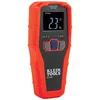
Klein Tools ET140 Pinless Moisture Meter – $49.97
A pinless reading backs up the water-bead test above with a number instead of a guess — useful when you’re checking a big lot of “teak” lumber or furniture before buying.
- Best for: Quick non-destructive checks on furniture or finished lumber
- Why we picked it: No pin holes to patch, reads up to 3/4-inch deep, calibrated for hardwood
- Main drawback: Relative (not absolute) reading — best used to compare boards side by side
Compare more moisture meter options
 Option 1 General Tools MMD4E Pin Meter – $37.70
|
 Option 2 Mecurate Digital Pin Meter – $26.58
|
 Option 3 TopTes TS-630 Meter – $29.99
|
As an Amazon Associate we earn from qualifying purchases.
Teak vs. Mahogany vs. Oak
Teak is prized for its durability and decay resistance, which is exactly why it’s imitated with mahogany, oak, and other lookalikes. The table and list below cover the differences that hold up under a real side-by-side comparison.
Teak vs. Mahogany
| Characteristic | Teak | Mahogany |
|---|---|---|
| Grain pattern | Straight, occasionally wavy | Interlocking |
| Color | Golden to medium brown | Reddish or pinkish brown |
| Feel | Slightly oily | Dry, smoother surface |
| Smell | Leather-like from natural oils | Little to no distinct smell |
| Outdoor use | Excellent without sealing | Needs sealing/treatment outdoors |
Teak vs. Oak
- Color: Teak shows stronger tonal contrast with darker striping; oak has a finer, more uniform stripe.
- Grain: Teak’s grain runs long and straight; oak’s grain pattern varies more, with visible ray flecks on quarter-sawn cuts.
- Weight: Teak is generally heavier and denser than red or white oak.
- Weather resistance: Teak’s natural oils resist rot and pests outdoors without sealing; oak needs regular sealing to match teak’s water resistance.
Once you’re comparing furniture, not just boards, these same signs still apply — see identifying wood by species for the same tests applied to raw logs and unfinished stock.
Recognizing Teak in Furniture
On finished teak furniture, the grain and color checks above still work, but you’ll usually need to look at an unfinished spot — underneath a cushion, inside a drawer, or on the frame’s underside — since finish or paint hides the smell and oily-feel tests.
Outdoor Furniture
Real teak patio furniture that’s been outside unsealed for a year or more should show an even silver-grey patina, not blotchy fading or peeling. Lift a piece: genuine teak is noticeably heavier than the same-size piece in cedar, eucalyptus, or acacia, and it should still smell faintly earthy if you sand a hidden spot.
Grain Quality in Furniture
Higher-grade teak furniture shows a long, straight grain with a smooth, uniform surface; lower grades show interlocking, wavy grain with more visible knots. Cracks that follow the grain (checking) are normal for outdoor teak and don’t indicate a fake — they’re a sign of natural drying, not a structural problem.
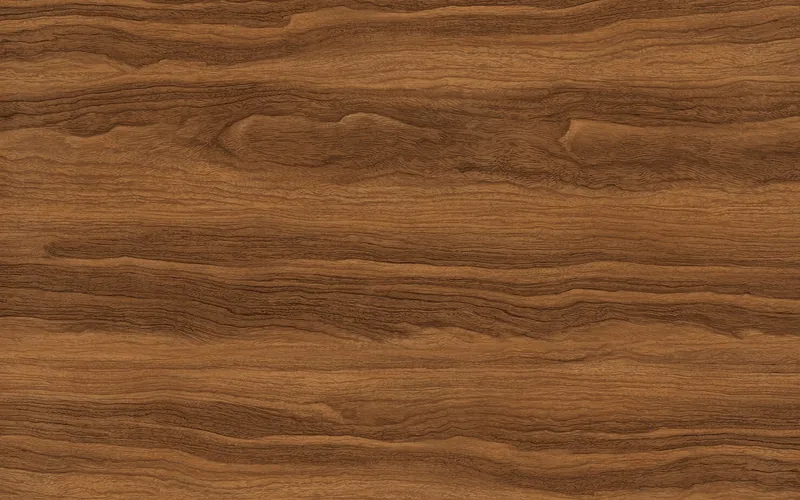
Teak Grades and Species — What “African Teak” Really Is
True teak (Tectona grandis) comes in a few recognizable grades, and one common “type” sold under the teak name isn’t teak at all:
- Grade A / Burmese teak: Old-growth, slow-grown Burma teak, harvested from Myanmar. Straight, tight grain, deep golden-brown color, and the highest natural oil content — the benchmark other grades are judged against.
- Grade B / Plantation teak (Indonesia, India, Central America): Faster-grown, more widely available, lighter in color and slightly less oily than Grade A, but still genuine teak with good weather resistance.
- Grade C: Sapwood or younger plantation stock — pale, more knots, less durable. Still real teak, just lower quality.
- “African teak”: Not true teak. This trade name almost always refers to iroko (Milicia excelsa) or afrormosia — unrelated African hardwoods marketed as budget teak alternatives because they share teak’s oily feel and rot resistance. Iroko is a legitimate, durable wood on its own, but it fails the grain and color checks above and shouldn’t be sold as genuine Tectona grandis.
“I find teak wonderful to work with, don’t let the oils intimidate you — the price is intimidating enough.”
Common Myths About Teak Wood
Myth: Teak is always expensive. Reality: price depends heavily on grade — Grade A Burmese teak commands a premium, but plantation-grown Grade B teak is far more affordable and still genuine, durable teak.
Myth: Any dense, oily-feeling wood is teak. Reality: iroko, afrormosia, and some mahogany species share teak’s oiliness and rot resistance. Weight and oiliness alone aren’t proof — confirm with the grain, color, and water-bead tests together.
Myth: Teak needs regular oiling to stay protected. Reality: teak’s natural oils already protect it outdoors. Oiling or staining teak is a cosmetic choice to keep the honey-brown color instead of letting it weather to silver-grey — it isn’t required for durability.
Frequently Asked Questions on How to Recognize Teak Wood
How do you identify teak wood?
Check for a straight-to-wavy grain with few knots, a golden-to-medium-brown color, a slightly oily feel, and an earthy, leather-like smell when sanded. Real teak also beads water for a minute or more before absorbing it, and it feels noticeably heavy for its size.
How do you test for teak?
Drip a few drops of water on an unfinished spot — real teak beads the water for a minute or longer before it slowly soaks in, thanks to its natural oils. Combine that with the smell and oily-feel checks, since no single test is conclusive on its own.
How can you tell teak from oak?
Teak has a long, straight grain and a golden-brown color with a leather-like smell; oak shows a finer, more uniform stripe with visible ray flecks on quarter-sawn cuts and little natural scent. Teak also feels oilier and, gram for gram, is usually the heavier of the two.
How do I know if my outdoor furniture is teak?
Look underneath the piece or under a cushion for an unfinished spot: real teak feels oily, smells faintly earthy when lightly sanded, and is noticeably heavy. If the piece has weathered outdoors unsealed for a year or more, genuine teak turns an even silver-grey rather than fading blotchy.
Is wood sold as “African teak” real teak?
No. “African teak” is a trade name almost always used for iroko or afrormosia, both unrelated African hardwoods, not true teak (Tectona grandis). They share some of teak’s oily, rot-resistant qualities, which is why the name sticks, but they fail teak’s grain and color checks.
Conclusion
Recognizing real teak comes down to combining checks, not relying on one: straight grain, golden-to-brown color that weathers to silver-grey, an oily feel, an earthy smell, and a water-bead test that holds for a minute or more. Trust the combination over any single sense, and you’ll rarely be fooled by a dyed substitute or an “African teak” imitation. For a documentation-and-sourcing-focused checklist, see our guide on how to identify real teak wood.