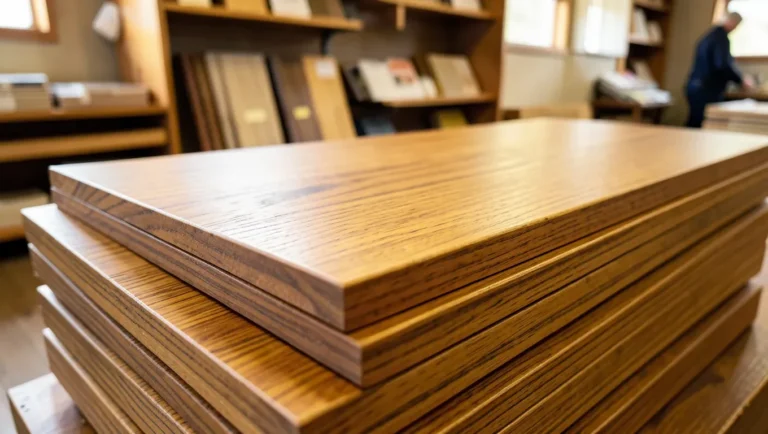
Elegant Natural Teak Wood Texture Ideas
Teak wood is known for its durability and beauty. Its natural texture adds elegance to any space.
In this blog post, we explore various teak wood texture ideas that can elevate your home decor. Teak wood’s rich grain and warm tones make it a favorite among designers and homeowners. Whether you’re updating furniture, flooring, or wall panels, teak wood offers endless possibilities.
Its timeless appeal blends well with both modern and classic styles. Discover how to incorporate this versatile material into your living spaces. From rustic charm to sleek sophistication, teak wood can transform your interiors. Join us as we delve into the world of teak wood textures and inspire your next home improvement project.

Credit: decormatters.com
Introduction To Teak Wood
Best Teak Finish Pick
 |
Rust-Oleum Watco Transparent Clear Teak Oil 1 qt.Rust-Oleum | Our pick | $95.13
Price as of 20 Oct 2026
|
View |
Teak (Tectona grandis) grows primarily in Southeast Asia – Myanmar, Indonesia, and increasingly plantation-grown stock from Central America – and takes 25 to 80 years to mature depending on whether it’s old-growth or plantation teak, which is part of why the wood carries a premium price. Fresh-cut teak has a warm golden-brown color with a straight, sometimes interlocked grain, and a naturally oily, slightly waxy surface texture you can feel just running a hand across a sanded board. That oil content is also what drives the slow color shift to silvery-grey when the wood is left outdoors and exposed to UV light for a year or two.
On the Janka hardness scale teak measures around 1,000 lbf – harder than walnut, close to hard maple – which is part of why it resists dents and scratches on flooring and tabletops far better than softwoods. The high natural oil content that gives teak its texture also does the structural work: it repels standing water at the surface, which is the main reason teak resists rot and fungal decay even in humid climates without any chemical treatment. That combination of hardness, oil, and dimensional stability is what lets a single piece of teak furniture pull double duty indoors and outdoors without changing finish or care routine.
Choosing The Right Teak Wood
Teak is graded A through C based on where the board is cut from the tree and how much heartwood oil content it retains. Grade A comes from the heartwood of a mature tree – uniform golden-brown color, tight straight grain, minimal knots, and the highest oil content, which is why it’s the standard for outdoor furniture meant to last decades. Grade B is cut closer to the outer heartwood, so it has slightly more color variation and a lower oil content, which is fine for indoor furniture or accent pieces but shows wear faster outdoors. Grade C comes largely from sapwood, with visible knots, inconsistent color, and noticeably less natural oil – it’s cheaper, but it doesn’t hold up outdoors and is really only suited to decorative indoor use.
Because old-growth teak forests in Myanmar have been heavily overharvested, look specifically for FSC (Forest Stewardship Council) certification on any teak purchase – it’s the clearest signal the wood came from a managed plantation rather than illegal logging. Plantation teak, grown mostly in Indonesia, Costa Rica, and increasingly parts of Africa, has a shorter growth cycle and slightly lower oil content than centuries-old forest teak, but certified plantation stock is now what most reputable outdoor furniture brands use, and the quality difference for a home project is negligible.
Incorporating Teak Wood In Interiors
Teak flooring holds up to a Janka rating that puts it ahead of red oak for foot-traffic resistance, which is why it shows up in high-end boat decks as well as homes. Its natural oil content also makes it one of the few solid hardwoods genuinely suited to bathroom and kitchen floors, where standing water and humidity would swell and cup most other species within a year or two. Because each plank’s grain pattern varies with how close it was cut to the heartwood, a teak floor reads as much more organic and less uniform than an engineered floor with a repeating pattern – something worth seeing in person before committing, since photos flatten that variation.
Teak wall cladding is usually installed as thin slats or panels – typically ½ to ¾ inch thick – over furring strips, which keeps material cost down compared to solid-board paneling while still showing the full grain texture. Wood’s cellular structure gives it a noticeably higher R-value than drywall or tile, so a teak-clad accent wall does add a small amount of thermal buffering, though the bigger draw for most homeowners is acoustic: slatted wood paneling breaks up sound reflections in a way flat drywall doesn’t, which is why it shows up so often in home offices and media rooms.
Teak Wood Furniture Ideas
Indoors, teak’s natural texture and hardness make it a strong choice anywhere furniture takes daily wear – dining tables, dresser tops, and cabinet fronts specifically, where softer woods like pine dent and scratch within a few years. A solid teak dining table doesn’t need a protective glass topper the way a softer-wood table often does, since the wood’s own density resists the scuffs from plates and glassware. Bookshelves and cabinetry benefit from the same durability, plus teak’s dimensional stability means shelves stay straight under sustained weight instead of sagging the way particleboard or even some softwood shelving does over a few years.
Outdoors is really where teak earns its reputation – garden benches, patio dining sets, and outdoor lounge chairs left in full sun and rain for years with nothing more than an occasional cleaning. The same tectoquinone compounds that give teak its oily texture make it naturally unpalatable to termites and other wood-boring insects, so outdoor teak furniture doesn’t need the borate or pesticide treatments that pressure-treated pine relies on. That’s the practical payoff of the low-maintenance reputation: teak furniture built correctly can go a decade or more outdoors before it needs anything beyond a wash and an optional oil refresh.
Teak Wood In Outdoor Spaces
Teak decking is standard on high-end boats for a reason: the wood’s oil content sheds standing water fast enough that it resists the rot and swelling that would sink a deck built from most other species within a few wet seasons. On a residential deck, that same water resistance translates to boards that stay flat instead of cupping, and a natural weathering process that turns the surface silver-grey over 12 to 24 months of sun exposure – a look many homeowners deliberately choose over refinishing to keep the original color. Maintenance really is close to just a seasonal wash with mild soap and water; unlike pressure-treated lumber decks, there’s no annual sealing requirement for the wood to survive.
Teak’s texture also makes it more comfortable to sit on directly than most outdoor woods – the tight, oily grain doesn’t splinter or feel rough the way weathered cedar or pine can after a season outside. Because the wood doesn’t absorb heat the way metal furniture does, a teak bench left in direct sun stays touchable rather than uncomfortably hot, which matters more than people expect for furniture that sits in full sun most of the day. A well-built teak garden set realistically lasts 25+ years outdoors with nothing more than an occasional wipe-down, making the higher upfront cost per piece cheaper over time than replacing a cheaper wood set every 5 to 8 years.
Maintaining Teak Wood
Weekly dusting with a soft microfiber cloth is enough for indoor teak pieces – skip anything abrasive, since even a moderately stiff brush can scuff the surface oil sheen and dull the finish over time. For a deeper clean, a mix of a few drops of mild dish soap in warm water, applied with a soft cloth and wiped along the grain, lifts grime without stripping the wood’s natural oils the way harsher cleaners can. Rinse with a barely-damp cloth to remove soap residue, then dry immediately with a towel – letting teak air-dry after cleaning is what leads to water spotting on indoor pieces.
Indoor teak furniture generally only needs an oil refresh once or twice a year, not every few months – over-oiling can actually build up a sticky residue that attracts dust. Apply a penetrating teak oil, like Rust-Oleum’s Watco Clear, with a natural-bristle brush or lint-free cloth working with the grain, let it sit for 10 to 15 minutes to absorb, then wipe off whatever hasn’t soaked in. Skip a hard varnish topcoat over teak specifically; a film finish traps the wood’s own moving oils underneath and tends to crack or peel within a year or two, while a penetrating oil finish can simply be reapplied as needed with no stripping required.
Combining Teak With Other Materials
Teak-and-metal pairings work well specifically because the two materials expand and contract at different rates without weakening the joint – powder-coated aluminum or stainless steel legs under a teak tabletop is a common outdoor-furniture combination for exactly this reason, since aluminum won’t rust the way raw steel does when it’s in constant contact with a wood surface that occasionally gets wet. Mid-century-style dining chairs with teak seats and black steel legs are a good example of the contrast working visually as well as structurally – the warm wood grain reads as the focal point while the thin metal frame keeps the piece from looking bulky.
Glass tabletops on a teak base are popular for outdoor patio sets specifically because tempered glass doesn’t absorb the surface moisture that can eventually mark an all-wood tabletop, while the teak legs still bring the warmth and grain that an all-glass piece lacks. Indoors, a teak-framed glass display cabinet lets light pass through while the wood frame anchors the piece visually – a practical pairing as much as an aesthetic one, since the glass surface needs nothing more than a standard glass cleaner while the teak frame gets its normal oil-and-dust routine.

DIY Teak Wood Projects
Floating teak shelf: Cut a piece of Grade A teak to your target length (18 to 24 inches works well for a single shelf), sand progressively through 120, 180, and 220 grit to bring out the grain, then wipe with a tack cloth before oiling. A single coat of penetrating teak oil is usually enough for an indoor shelf carrying books or plants – save the multi-coat buildup for anything going outdoors.
Teak picture frame: Miter-cut four lengths of 1-inch teak stock at 45-degree angles, glue and clamp the corners with a waterproof wood glue, then sand the joints flush once cured. Because teak’s grain is naturally busy, keep the frame profile simple (a flat or slightly rounded edge) so the wood texture stays the visual focus rather than competing with an ornate molding shape.
Teak coffee table: A trestle or hairpin-leg base under a single-slab teak top shows off the grain better than a table built from narrower glued-up boards. Sand the top through at least 220 grit before oiling – teak’s natural oil content means it doesn’t take stain evenly, so the finish should be a penetrating oil rather than a pigmented stain if you want the grain pattern to stay visible.
Garden bench: Use mortise-and-tenon or dowel joints rather than screws alone at the leg-to-seat connections – a bench that lives outdoors sees more racking stress than indoor furniture, and a mechanical joint holds up to that far longer than fasteners driven into end grain. Sand thoroughly, then apply two coats of an outdoor-rated teak oil with a day of cure time between coats; a bench finished this way and given an annual wash typically stays structurally sound for 20+ years outside.
Conclusion
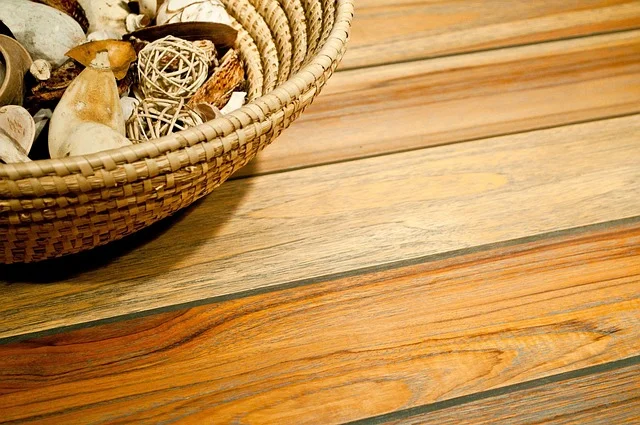
What makes teak’s texture worth the premium price is that it’s doing real structural work, not just looking good – the same oil content and tight grain that give it that warm, faintly waxy feel are what let it outlast almost every other furniture wood outdoors and resist dents indoors. Simple, uncluttered designs (a single-slab tabletop, a plain-profile picture frame) let that grain pattern actually read as the design feature instead of getting lost in ornamentation.
Grade A, FSC-certified teak costs more upfront than pine or even oak, but given a realistic 25-to-40-year lifespan with minimal upkeep, the cost per year of ownership is often lower than furniture that needs replacing every decade. Whether it’s a full deck, a single accent shelf, or a garden bench, teak’s texture is the rare case where the practical case and the visual case point in exactly the same direction.
Sponsored / affiliate links. As an Amazon Associate I earn from qualifying purchases. I may earn additional commission from eligible campaigns.