Modern Teak Wood Main Door Designs: Hinge & Insulation Facts
Modern teak wood main doors pair well with heavy-duty ball-bearing hinges rated up to 510 lbs — standard butt hinges under 200 lbs risk sagging on an oversized solid teak slab. Adding a glass panel for natural light cuts the door’s insulation value by 20-40% unless it uses Low-E double glazing. This guide covers hinge and hardware specs, glass-panel insulation tradeoffs, and 12+ modern design styles.
Insert your Affiliate Disclosure reusable block here
Introduction To Teak Wood Doors
Best Heavy-Duty Hinge Pick
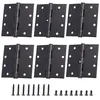
6-Pack 4.5" Black Commercial Ball-Bearing Door Hinges (Thickened) – $56.99
Rated to a 510-lb weight limit — the commercial-grade spec this guide’s hinge-weight table recommends for a solid teak main door instead of decorative hardware-store hinges.
- Best for: solid teak main doors and other heavy exterior slabs
- Why we picked it: highest verified weight rating of the options here, ANSI/BHMA rated
- Main drawback: 3mm-thick plates need slightly deeper mortises than thin hardware-store hinges
Compare more heavy-duty hinge options
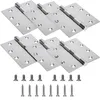 Option 1 6-Pack 4.5" Silver Commercial Hinge – $54.99
|
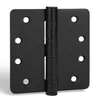 Option 2 3-Pack 4" Black Ball-Bearing Hinge – $24.99
|
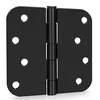 Option 3 Pack of 3 Matte Black Iron Hinge – $12.74
|
As an Amazon Associate we earn from qualifying purchases.
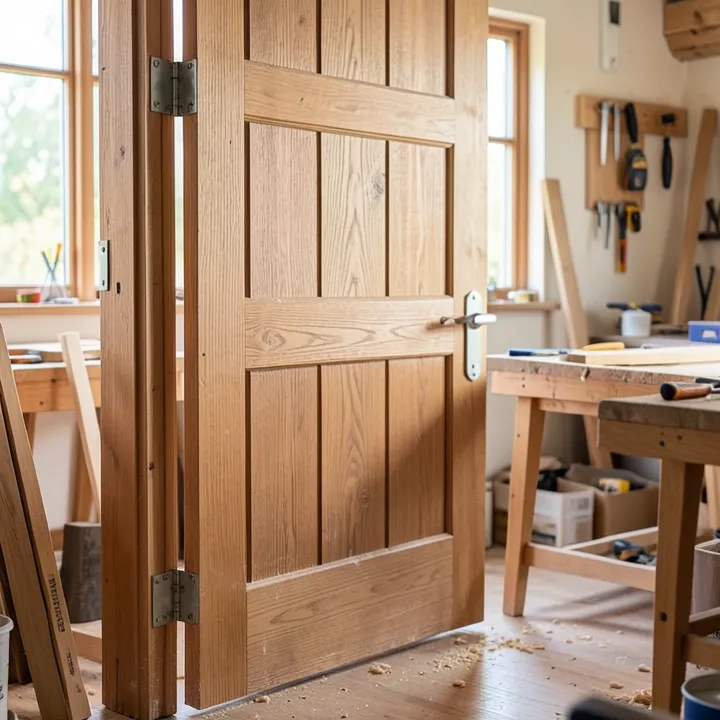
Teak (Tectona grandis) is a tropical hardwood that resists rot, insects, and warping because of its naturally high oil and silica content. This is why it has been used for door and boat building for centuries without chemical treatment. It carves cleanly, ages to a warm golden-brown, and holds up outdoors better than most domestic hardwoods — see our full collection of teak wood guides for other projects that use it.
A well-built teak door does not need paint or heavy sealant to survive weather — its natural water resistance is one of the main reasons it costs more than pine or oak for an exterior main door. The natural grain texture also means every door looks slightly different, which is part of the appeal for a custom entrance.
Contemporary Design Trends
Minimalist teak door designs use clean, flat panels with no applied trim, letting the natural grain do the work. This style fits low-maintenance modern homes and is the easiest profile to keep clean, since there are no carved recesses to trap dust.
Geometric-panel doors — squares, rectangles, and reveal lines routed into the face — are the second dominant modern style. They read as contemporary without needing any glass or metal insert, and the pattern can be as subtle as a single recessed line or as bold as a full grid.
Pivot Hinges vs. Standard Hinges for an Oversized Teak Door
A standard 3.5-inch residential butt hinge is rated for roughly 100-150 lbs per pair — fine for a hollow-core interior door, but undersized for a solid teak main door once it passes about 7 feet tall or 2 inches thick. Oversized modern teak slabs commonly weigh 150-300+ lbs, and an undersized hinge will let the door drop and drag on the frame within a year or two.
| Hinge Type | Typical Weight Rating | Best For |
|---|---|---|
| Standard residential butt hinge | 100–150 lbs | Hollow-core or thin solid interior doors |
| Heavy-duty ball-bearing commercial hinge | Up to ~510 lbs per set | Solid teak main doors, high-traffic entries |
| Floor-mounted pivot hinge system | 200–600 lbs per leaf | Oversized, frameless, or fully custom teak doors |
📊 A verified commercial-grade 4.5-inch ball-bearing door hinge is rated to a 510-lb weight limit — well above what a single solid teak main door slab needs, which is why commercial-grade hinges (not decorative hardware-store hinges) are the safer spec for anything over roughly 130 lbs. Source: live Amazon product specification, checked August 2026.
For doors wider than a standard 3-foot single leaf, or for frameless pivoting designs, a floor-mounted pivot hinge spreads the load between the floor and header instead of the door jamb alone, which is why pivot systems scale up to 500-600 lbs per leaf where side-mounted hinges cannot.
Do Glass Panels Reduce a Teak Door’s Insulation?
Yes — any glass panel lowers a teak door’s insulation value, because glass conducts heat faster than a solid wood core. A 1¾-inch solid teak door has an R-value of roughly R-3 (U-factor 0.35-0.70). Adding a single-glazed glass insert can push the composite U-factor as high as 4.0-5.0, more than twice as poor as the solid door, though a Low-E double-glazed insert closes most of that gap.
| Door Type | Typical U-Factor | Insulation vs. Solid Teak |
|---|---|---|
| Solid teak (1¾–2¼ in.) | 0.35–0.70 | Baseline |
| Glass insert, single-glazed | 4.0–5.0 | 20–40%+ worse |
| Glass insert, Low-E double-glazed | 1.6–1.8 | Close to solid wood |
If you want the light a glass sidelight or panel gives a modern entrance, specify Low-E double glazing with a thermally broken frame — a single-pane insert on an otherwise well-built teak door undoes most of the wood’s natural insulation advantage, especially in cold climates.
“On a job with a full-glass teak sidelight, the homeowner’s winter energy bill jump was the giveaway — swapping to a Low-E double-glazed unit the following year brought it back in line with the solid sections of the same door.”
Traditional Elegance
Modern teak main door designs can still borrow from traditional joinery and detailing, combining the durability of a solid slab with the visual warmth of carved or aged finishes.
Classic Carvings
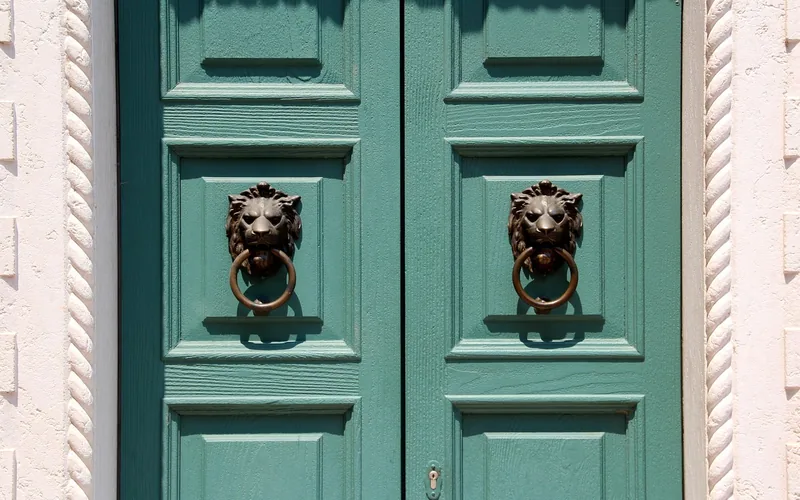
Classic carvings bring handcrafted, story-telling detail to a door face — floral motifs, geometric borders, or a central medallion are the most common. Hardware plays a role here too: a cast lion-head or ring pull knocker reads as a deliberate design choice on a carved door in a way a plain modern pull does not.
Vintage Finishes
A vintage finish gives teak a weathered, lived-in look through a lighter oil coat or a deliberately soft sheen instead of a high-gloss sealant. It pairs well with earth-tone walls and works best on homes with other traditional woodwork, where a brand-new-looking glossy door would clash.
Fusion Of Modern And Classic
Teak pairs naturally with glass and blackened-steel accents for a look that reads as both current and durable. The wood carries the warmth and structure; the glass or metal insert adds the contemporary edge — see the insulation section above before committing to a large glass area, though.
An eclectic approach — carving on one half of a double door, glass on the other, or a bold accent color on the interior face only — is easier to pull off with teak than most woods, since the natural grain keeps even a busy design from looking cluttered. More grand-entrance teak door design ideas cover this in more depth.
Customization Options
Personalized engravings — initials, a family crest, or a simple monogram — hold up well in teak because the wood’s density keeps fine detail from blurring or wearing out the way it can in softer woods.
Custom sizing matters more than it seems: an opening that’s even 1/4 inch out of square forces gaps that let drafts through no matter how good the door itself is. A door shop that templates the actual rough opening, rather than working from a stock size, avoids this.
Sustainability And Eco-Friendliness
Not all teak is grown the same way. Look for suppliers who can show FSC or equivalent forestry certification rather than taking “sustainable” as a marketing claim at face value — plantation-grown teak from a certified source is a meaningfully different product from illegally logged old-growth teak, even though both are sold as “teak.”
For finishing, a natural tung or linseed-based teak oil avoids the VOCs in many synthetic sealants and still gives solid weather protection outdoors.
Maintenance Tips
Clean a teak main door with a soft cloth and mild soap, then dry it fully — standing water is what eventually dulls the finish, not the wood itself.
Regular Cleaning
Dust the door with a soft cloth regularly, and use a mild soap-and-water solution for anything heavier. Skip ammonia-based or abrasive cleaners — they strip the oil finish faster than normal weathering does.
Protective Treatments
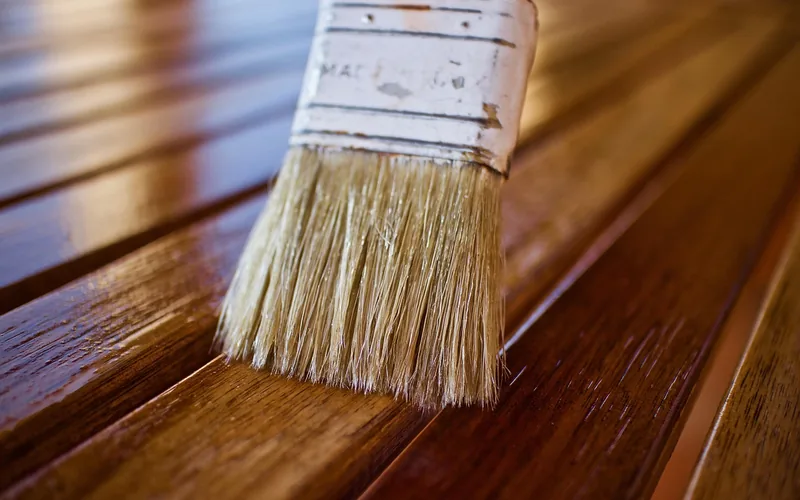
An exterior teak main door typically needs fresh oil or sealant every 3-6 months, depending on sun and rain exposure — a south- or west-facing door in full sun will need it closer to every 3 months. Reapplying before the surface looks dry and grey keeps the wood from needing a full sanding refinish later.
Choosing The Right Design
Teak’s natural grain complements both light and dark color schemes, so match the door to the home’s existing woodwork and trim rather than the other way around — a door picked in isolation often ends up fighting the rest of the entrance visually.
Security and hardware weight go together: a solid teak slab on undersized hinges is not just an insulation and sagging risk, it’s also a security risk, since a sagging door often no longer latches or deadbolts fully. Spec the hinge to the door’s real weight first, then choose the lock.
Frequently Asked Questions
How much weight can a pivot hinge hold on a solid teak door?
A frame-mounted pivot hinge typically holds 100-175 lbs per leaf, a standard commercial floor pivot holds 200-400 lbs, and a heavy-duty floor pivot holds 400-600 lbs. Most solid teak main doors fall in the 150-300 lb range, so a standard commercial floor pivot or a 510-lb-rated ball-bearing hinge set is usually enough.
Do glass panels reduce a teak door’s insulation performance?
Yes. A single-glazed glass insert can be 20-40% less insulating than a solid teak panel, pushing the U-factor as high as 4.0-5.0 versus roughly 0.35-0.70 for solid wood. Low-E double glazing narrows that gap to about 1.6-1.8, which is much closer to solid-wood performance.
How long does a modern teak wood main door last?
A well-built and maintained teak main door commonly lasts 50 years or more. Teak’s natural oils make it resistant to rot, insects, and warping without chemical treatment, which is the main reason it outlasts most other exterior door woods.
What is the standard size for a modern teak main door?
Most US main doors are built to a 36-inch by 80-inch single-leaf opening, with 1¾ inches the standard thickness. Modern oversized designs commonly go up to 42-48 inches wide or 8-10 feet tall, which is exactly the range where standard butt hinges stop being adequate and commercial or pivot hardware becomes necessary.
Should an oversized teak door use butt hinges or pivot hinges?
Use heavy-duty ball-bearing butt hinges up to roughly 130-150 lbs of door weight. Beyond that, or for a frameless/fully custom look, a floor-mounted pivot hinge system distributes the load between the floor and header instead of the jamb alone, which is why it scales to much heavier doors.
Can a modern teak wood door be painted, or should it stay natural?
Teak can be painted, but most designers leave it natural or use a clear or tinted oil finish, since painting hides the grain that’s the main reason to choose teak over a cheaper hardwood in the first place. A clear or amber teak oil protects the wood while keeping the grain visible.
Conclusion
Modern teak wood main doors combine durability with real design flexibility, but the details that keep them performing — hinge hardware rated for the door’s actual weight, and glass panels specified with the right glazing — matter as much as the style you pick. Get the hardware and glazing right, and a well-chosen design from this guide should give your entrance decades of use.
Sponsored / affiliate links. As an Amazon Associate I earn from qualifying purchases. I may earn additional commission from eligible campaigns.