Is Wood Ash Acidic? Essential Guide
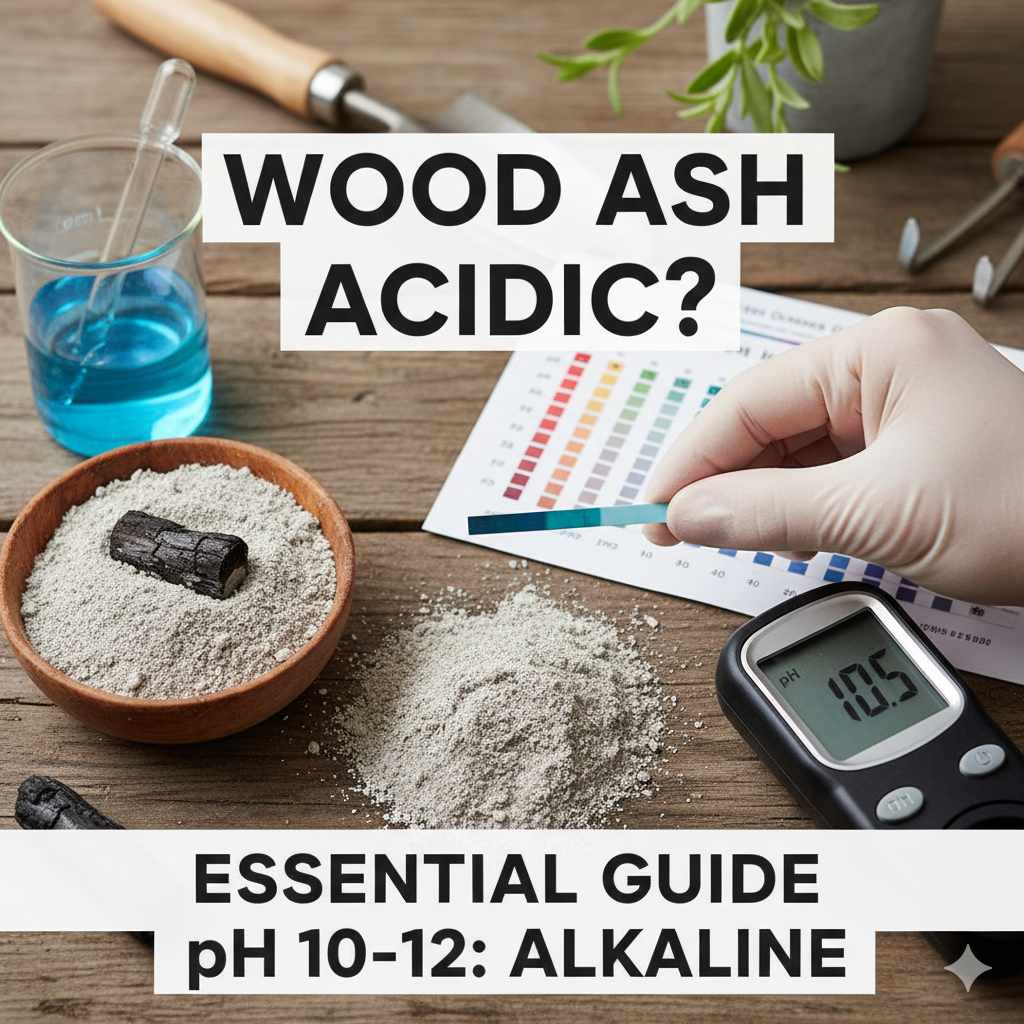
Wood ash is typically alkaline, not acidic. It has a pH level above 7, making it effective for raising the pH of acidic soil. Understanding its alkalinity is key for proper use in gardening and other applications to avoid unintended consequences.
Wood ash can be a bit of a puzzle, especially if you’re thinking about using it in your garden or around your home. You might have heard it can help your plants, or maybe you’re just curious about what’s left after a cozy fire. That common question, “Is wood ash acidic?”, pops up for many DIYers and home gardeners. Getting this right is super important because using it incorrectly could actually harm your soil or plants. Don’t worry, though! I’m here to break it all down in a way that makes sense, so you can confidently use or decide not to use wood ash. We’ll explore what wood ash is, its pH, and how it can benefit (or sometimes hinder) your projects.
What Exactly Is Wood Ash?
When wood burns completely, it leaves behind a fine, powdery residue. This residue is what we call wood ash. It’s essentially the mineral content of the original wood that wasn’t consumed by the fire. Think of it as the non-combustible leftovers. The composition of wood ash can vary quite a bit depending on a few factors, like the type of wood that was burned and how complete the burning process was. For example, hardwood ashes tend to have a different mineral makeup than softwood ashes.
This mineral-rich substance is what gives wood ash its unique properties. It’s not just gray dust; it’s packed with things like calcium, potassium, magnesium, and phosphorus – all essential nutrients for plant growth. However, it’s the presence and concentration of these minerals, particularly calcium compounds like calcium carbonate, that make wood ash alkaline. This alkalinity is the most crucial characteristic to understand when you’re deciding how and where to use it.
Understanding pH: Acidic vs. Alkaline
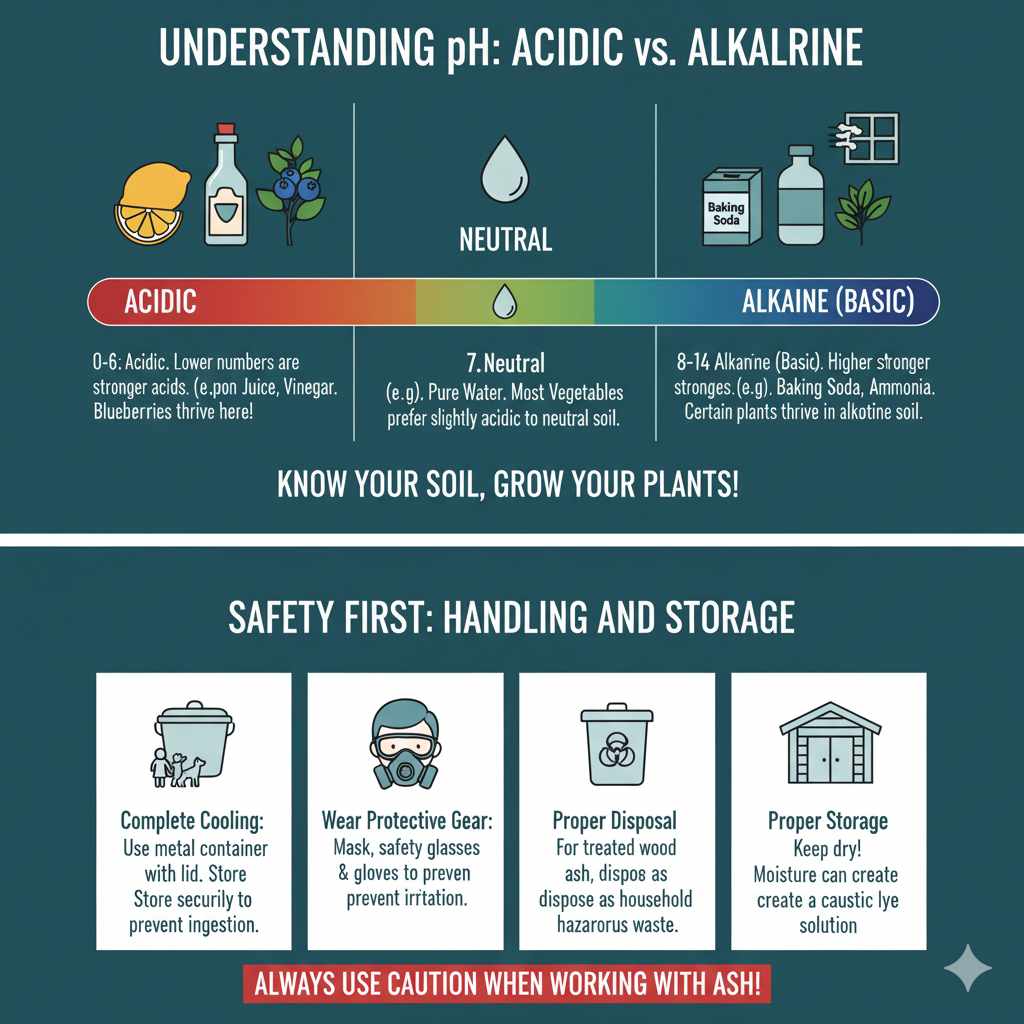
Before we dive deeper into wood ash, let’s quickly refresh our understanding of pH. pH is a scale that measures how acidic or alkaline (also called basic) a substance is. The scale runs from 0 to 14.
- A pH of 7 is considered neutral.
- A pH below 7 is acidic. The lower the number, the more acidic it is. Think of lemon juice or vinegar.
- A pH above 7 is alkaline (or basic). The higher the number, the more alkaline it is. Think of baking soda or household ammonia.
Most soils have a pH that falls somewhere on this scale. Different plants thrive in different pH ranges. For instance, blueberries prefer acidic soil, while most vegetables prefer slightly acidic to neutral soil. Knowing the pH of anything you might add to your soil helps you create the best environment for your plants to grow.
So, Is Wood Ash Acidic? The Definitive Answer
No, wood ash is not acidic; it is alkaline. The pH of wood ash typically ranges from 10 to 13, which is quite high on the alkaline side of the pH scale. This high alkalinity comes from the presence of calcium carbonate and other alkaline compounds in the ash, formed as the wood’s minerals are transformed during combustion.
This strong alkaline nature is why wood ash is often used to neutralize acidic soils. If your soil is too acidic, adding a small amount of wood ash can help raise its pH, making it more suitable for a wider variety of plants. However, it’s also important to be cautious. Adding too much wood ash to soil that is already neutral or alkaline can make it excessively alkaline, which can be detrimental to many plants. It’s always best to test your soil pH before applying wood ash.
Factors Affecting Wood Ash pH
The exact pH of wood ash isn’t always the same. Several factors can influence how alkaline your ash turns out to be. Understanding these elements can help you better predict and manage its properties:
- Type of Wood: Hardwoods, like oak, maple, and ash (the tree!), generally produce ash that is more alkaline than softwoods like pine, fir, and cedar. This is because hardwoods tend to accumulate more minerals like calcium and magnesium from the soil as they grow.
- Part of the Tree Burned: Bark and leaves can contribute to higher ash content and different mineral profiles compared to heartwood. For instance, bark often contains more mineral nutrients.
- Burning Temperature and Efficiency: The hotter and more complete the burn, the more likely you are to drive off volatile compounds, leaving behind a more concentrated mineral ash. Incomplete combustion might leave more carbon and fewer concentrated minerals.
- Contaminants: If the wood burned was treated with chemicals, painted, or contained any foreign materials (like plastics or treated lumber, which you should NEVER burn), the resulting ash is not suitable for gardening and its pH and safety can be compromised. Stick to ash from clean, untreated, natural wood.
Due to these variations, it’s a good practice to test your wood ash’s pH if you plan to use it extensively in sensitive applications like gardening. Simple pH testing kits available at garden centers can help you get a more precise reading.
The Benefits of Using Wood Ash
Despite its strong alkaline nature, wood ash can be a valuable resource when used correctly. Its benefits primarily stem from its mineral content and its ability to alter soil pH:
- Soil pH Adjustment: As we’ve discussed, its alkalinity makes it excellent for raising the pH of acidic soils, bringing them closer to neutral. This can improve nutrient availability for many plants that struggle in acidic conditions.
- Nutrient Supplement: Wood ash is a good source of essential plant nutrients, particularly potassium (K), calcium (Ca), and phosphorus (P), along with trace amounts of magnesium and other micronutrients. These are vital for healthy plant growth, flowering, and fruiting. It’s often referred to as a natural fertilizer.
- Pest Deterrent: A light dusting of wood ash around plants can sometimes deter certain garden pests like slugs and snails, as they dislike crawling over the gritty, alkaline particles. It might also discourage some crawling insects, though its effectiveness can vary.
- Compost Activator: Adding small amounts of wood ash to a compost pile can help to speed up decomposition and neutralize acidity in the compost, especially if you’re composting a lot of acidic materials like pine needles or citrus peels.
When to Avoid Using Wood Ash
While wood ash has benefits, there are definitely times when you should steer clear of using it. Misapplication can cause more harm than good:
- Acid-Loving Plants: If you have plants that specifically require acidic soil, such as blueberries, azaleas, rhododendrons, or hydrangeas (that you want to keep blue), adding wood ash will be detrimental. It will raise the soil pH, making it impossible for these plants to absorb essential nutrients.
- Acidic Soils: If your soil’s pH is already neutral (around 7.0) or alkaline, adding more wood ash will push it further into the alkaline range, which is unsuitable for most plants. Always test your soil pH first.
- Wood Burned from Treated or Painted Lumber: Burning treated wood, particleboard, or painted wood releases toxic chemicals into the ash. This ash is hazardous and should never be used in the garden, compost bin, or anywhere it might come into contact with soil or plants. It’s best to dispose of this type of ash safely as regular household waste.
- During Wet Weather: Wood ash is very soluble and can easily be washed away by rain. Applying it just before a heavy rainstorm means much of its beneficial mineral content can be leached into groundwater, making it ineffective and potentially causing runoff issues.
- Excessive Amounts: Even if your soil is acidic, adding too much wood ash can cause a sudden spike in pH, shocking your plants and disrupting nutrient availability. It’s a substance that requires moderation and careful application.
How to Properly Use Wood Ash in Your Garden
If your soil is acidic and you’ve confirmed it’s safe to use based on the wood burned, here’s how to apply it effectively and safely:
- Test Your Soil and Ash: This is the most crucial step. Use a soil testing kit to determine your soil’s pH. If it’s below 6.0, wood ash might be beneficial. You can also test your ash to get a sense of its pH.
- Gather Only Clean Ash: Ensure the ash comes from burning untreated, natural wood only. No treated lumber, painted wood, or trash!
- Let Ash Cool Completely: This seems obvious, but embers can stay hot for a long time. Make sure the ash is completely cold – no heat or smoke – before handling.
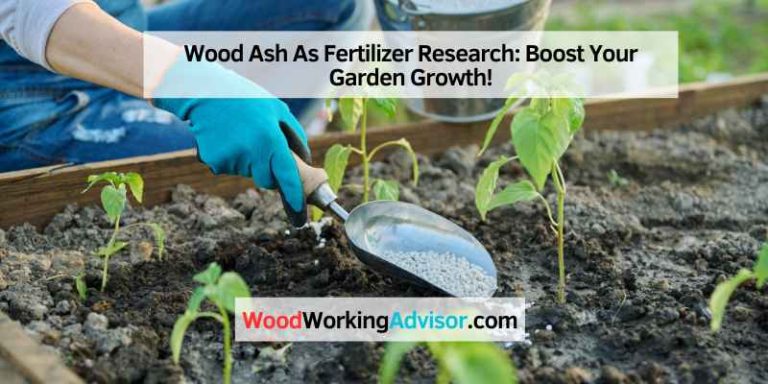
- Apply Sparingly and Evenly: The general recommendation is to apply about 1 to 2 pounds of wood ash per 100 square feet for slightly acidic soils (pH 5.5-6.0). For more acidic soils (pH 5.0-5.5), you might go up to 5 pounds per 100 square feet, but always start with less and observe. It’s better to apply a little and add more later if needed than to overdo it.
- Spread It Thinly: Avoid dumping large piles of ash in one spot. Spread a thin, even layer over the soil surface. This helps prevent drastic pH swings.
- Gently Incorporate (Optional but Recommended): For best results, lightly rake or till the ash into the top few inches of soil. This helps distribute it evenly and prevents it from blowing away easily.
- Avoid Direct Contact with Plant Roots or Seeds: Don’t apply ash directly around young seedlings or newly sown seeds, as its alkalinity can damage them. Keep it a few inches away.
- Watering: Lightly watering the area after application can help settle the ash and begin its integration into the soil.
A good rule of thumb is to apply wood ash only once every year or two, and always after you’ve tested your soil. For a detailed guide on gardening best practices and soil health, the Environmental Protection Agency (EPA) offers valuable resources on composting and managing yard waste, which often involves similar considerations about organic materials.
Wood Ash pH vs. Other Soil Amendments
It can be helpful to compare wood ash to other common soil amendments to fully appreciate its unique properties and applications. Here’s a quick look:
| Amendment | Primary Function | Typical pH Effect | Key Nutrients | Key Cautions |
|---|---|---|---|---|
| Wood Ash | Raises soil pH (liming), provides K, Ca, P | Alkaline (pH 10-13) | Potassium (K), Calcium (Ca), Phosphorus (P) | Can over-alkalize soil; dangerous if from treated wood. |
| Lime (Agricultural) | Raises soil pH (liming), provides Ca | Alkaline (pH 7-9) | Calcium (Ca) | Can over-lime soil; dust can be irritating. |
| Compost | Improves soil structure, water retention, provides nutrients | Slightly acidic to neutral (pH 6.5-7.5) | Broad spectrum of macro & micronutrients | Use well-rotted compost; large amounts can alter soil pH slightly. |
| Manure (Aged) | Provides nutrients, improves soil | Varies (slightly acidic to alkaline, depends on source) | Nitrogen (N), Phosphorus (P), Potassium (K) | Must be aged/composted to avoid burning plants; potential for weed seeds. |
| Sulfur | Lowers soil pH | Acidic | Sulfur (S) (a nutrient) | Can take time to work; over-application can make soil too acidic. |
As you can see, wood ash is a powerful liming agent. Unlike compost or aged manure, which have a more moderate effect on pH and offer a wider array of nutrients, wood ash’s primary impact is its strong alkalinity. This makes it unsuitable for many garden situations but highly effective when used as a targeted pH adjuster in very specific circumstances.
Wood Ash in Other DIY Projects
Beyond the garden, wood ash has a history of being used in various traditional DIY and household applications. While many of these uses are less common today due to modern alternatives, understanding them offers a glimpse into resourceful living:
- Soap Making: Historically, lye (a highly alkaline substance) was crucial for making soap. Potash, derived from wood ash, was a primary source of lye. This process is advanced and requires extreme caution due to the caustic nature of lye.
- Cleaning: The mild abrasive and alkaline properties of wood ash can be useful for scrubbing tough grime, particularly on cast iron cookware or grills. A paste made with ash and water can help lift baked-on residue. Always rinse thoroughly.
- Deodorizing: Due to its alkaline nature and ability to absorb moisture, wood ash can sometimes be used as a natural deodorizer in damp areas or containers, though baking soda or activated charcoal are now more popular and less messy alternatives.
- Ash Glaze for Pottery: In ceramics, wood ash can be used to create natural glazes. When fired at high temperatures, the minerals in the ash fuse to form a glassy coating on pottery. This is a specialized craft and requires knowledge of high-temperature firing.
It’s important to reiterate that for most of these applications, especially those involving direct contact with skin (like cleaning or soap making), safety precautions are paramount. Always wear gloves and eye protection. For household cleaning, ensure the ash is finely sifted and free from any coarse, sharp particles that could scratch surfaces.
Safety First: Handling and Storage
Working with wood ash requires a bit of care. Here are the essential safety guidelines:
- Complete Cooling: Never handle fresh ash. Ensure it is completely cold and free of any heat or smoldering embers. Store ash in a metal container with a tight-fitting lid, well away from flammable materials.
- Wear Protective Gear: When handling dry ash, it can become airborne and irritate your lungs and eyes. Wear a dust mask (like an N95 respirator) and safety glasses to protect yourself. Always wear gloves to keep your hands clean and prevent potential irritation.
- Avoid Inhaling Dust: Handle ash in a well-ventilated area to minimize dust inhalation.
- Keep Away from Children and Pets: Store cooled ash securely to prevent accidental ingestion or contact by children and pets.
- Proper Disposal: If the ash is from treated or contaminated wood, it should be disposed of as regular household hazardous waste. Follow your local waste management guidelines.
Proper storage is also important if you plan to use the ash later. Keep it dry in its sealed metal container. Moisture can cause it to clump and potentially lose some of its beneficial properties, and it could promote mold growth.
Frequently Asked Questions (FAQ)
Q1: Can I use wood ash on my lawn?
A: Yes, you can, but cautiously. Lawns often prefer a slightly acidic to neutral pH (6.0-7.0). If your soil test reveals your lawn area is acidic, a light, even application of wood ash can help raise the pH and provide some potassium and calcium. However, over-application can lead to excessive alkalinity, causing grass stress and nutrient deficiencies. It’s best to apply a very thin layer and retest your soil after a few months.
Q2: What kind of wood ash is best for the garden?
A: Ash from hardwoods (like oak, maple, fruit trees) is generally preferred. It tends to be harder and denser, meaning it contains a greater concentration of beneficial minerals like calcium, potassium, and phosphorus, and is typically more alkaline than softwood ash. Always ensure the wood is untreated and natural.
Q3: How much wood ash should I use?
A: This depends heavily on your soil’s current pH and what you’re trying to achieve. For raising the pH of acidic soil, a common recommendation is about 1-2 pounds per 100 square feet for slight adjustments. Never exceed 5 pounds per 100 square feet without detailed soil analysis. It’s always best to start with a minimal amount and increase gradually if needed, based on soil re-testing. For more comprehensive data, you can refer to university extension office guides, such as those provided by Oregon State University Extension, which offers extensive soil science and gardening advice.
Q4: Can ash help with slugs and snails?
A: Some gardeners find a ring of wood ash around vulnerable plants can deter slugs and snails. The gritty texture and alkaline nature are thought to be unpleasant for these pests. However, the effectiveness can be temporary, as ash loses its repellent qualities when it gets wet.