Laminated MDF: Unleashing the Potential in Design
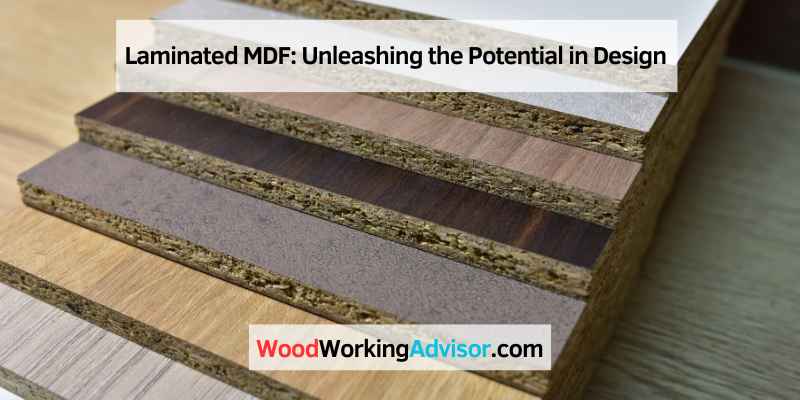
Laminated MDF is a type of engineered wood product made by binding together wood fibers with a synthetic resin, then covering the surface with a decorative layer. It is commonly used in furniture, cabinets, and interior design applications due to its durability and smooth finish.
Laminated MDF offers a cost-effective way to achieve the look of real wood while providing enhanced resistance to warping and moisture damage. This versatile material can be easily shaped and cut to fit specific design requirements, making it a popular choice for both residential and commercial projects.
With its wide range of available finishes and colors, laminated MDF provides a practical and stylish solution for various woodworking and construction needs.
Introduction To Laminated MDF
Laminated MDF, or Medium Density Fiberboard, is a versatile and cost-effective material widely used in the construction and furniture industries. It consists of wood fibers bonded together with resin under high temperature and pressure, resulting in a dense and durable board.
The Basics Of MDF
MDF is renowned for its uniform density and smooth surface, making it ideal for laminating with decorative finishes. Its composition allows for intricate shaping and machining, providing flexibility in design and application.
Why Lamination Matters
Lamination enhances the aesthetic appeal and durability of MDF, making it resistant to moisture, wear, and tear. This protective layer also allows for easy maintenance and cleaning, ensuring longevity and a polished finish.
Comparing Laminated MDF With Other Materials
When it comes to choosing the right material for your furniture, laminated MDF is a popular choice for its durability and affordability. However, it’s important to compare it with other materials to understand its strengths and weaknesses.
Strengths And Weaknesses
Laminated MDF is known for its strength and sturdiness, making it a popular choice for furniture that needs to withstand wear and tear. It’s also highly resistant to moisture, making it a good option for areas that are prone to humidity.
However, laminated MDF is not as strong as solid wood and can easily chip or crack if subjected to heavy impact. It’s also not as heat-resistant as other materials, and exposure to high temperatures can cause it to warp or bend.
Cost-effectiveness
One of the biggest advantages of laminated MDF is its cost-effectiveness. It’s much cheaper than solid wood and other materials like particleboard, making it an affordable option for those on a budget. Additionally, laminated MDF is easy to work with, allowing for a wide range of designs and finishes.
However, laminated MDF is not as eco-friendly as some other materials and may emit volatile organic compounds (VOCs) during the manufacturing process. It’s also not as durable as solid wood and may need to be replaced more frequently.
Overall, laminated MDF is a strong and cost-effective option for furniture. While it may not be as durable as solid wood or as eco-friendly as other materials, it’s a popular choice for those looking for a balance between affordability and functionality.
Popular Uses In Modern Design
Laminated MDF is widely used in modern design for various purposes. Its versatility allows it to be used for furniture, cabinetry, wall panels, and more. With its durable and visually appealing surface, laminated MDF is a popular choice in contemporary interior design.
Furniture Making
Laminated MDF is a versatile material for crafting sleek and modern furniture pieces.
Interior Decor
Used in stylish shelving units and contemporary wall panels for homes.
Architectural Elements
Commonly employed in innovative partitions and functional built-in cabinets.
The Aesthetics Of Laminated MDF
Laminated MDF offers a sleek and modern aesthetic, making it a popular choice for furniture and interior design. The lamination process adds durability and a variety of finishes to the MDF, allowing for endless design possibilities.
Texture And Color Varieties
Laminated MDF offers diverse textures and color options to suit any design.
Finishing Techniques
Different finishing techniques can enhance the look and durability of laminated MDF.
Choose from a variety of finishes like matte, glossy, or textured surfaces.
Laminate edges can be finished with PVC, aluminum, or solid wood for a polished look.
Enhance Aesthetics
Add dimension and visual interest with contrasting textures and colors.
Use innovative finishing techniques to create a unique design.
Sustainability And Environmental Impact
Laminated MDF offers a sustainable option for furniture, minimizing environmental impact through the use of recycled materials. The manufacturing process reduces waste and emissions, aligning with eco-friendly practices. Sustainable choices like laminated MDF contribute positively to the environment and promote a greener future.
Laminated Medium-density fibreboard (MDF) is an engineered wood product made from wood fibres and resin. It is widely used in construction, furniture, and interior decoration. However, with the growing concern for the environment, it is essential to understand the sustainability and environmental impact of laminated MDF.
Recycled Content
One of the significant advantages of laminated MDF is that it can be made from recycled wood fibres. This helps to reduce the amount of wood waste that goes into landfills and preserves natural resources. The recycled content of laminated MDF can vary depending on the manufacturer, but it usually ranges from 70% to 100%. By using laminated MDF with a high recycled content, you can contribute to a more sustainable and environmentally friendly product.
Lifecycle And Disposal
The lifecycle of laminated MDF involves the production, use, and disposal stages. During the production stage, laminated MDF emits volatile organic compounds (VOCs) that can be harmful to human health and the environment. However, most manufacturers have implemented measures to reduce VOC emissions during production.
In terms of use, laminated MDF is a durable and long-lasting product that can withstand wear and tear. It is also resistant to moisture and does not warp or crack easily. When it comes to disposal, laminated MDF can be recycled or disposed of in landfills. However, it is essential to note that laminated MDF cannot be burned because it releases toxic fumes.
In conclusion, laminated MDF is a sustainable and environmentally friendly product that can be made from recycled wood fibres. By using laminated MDF with a high recycled content and disposing of it properly, you can contribute to a more sustainable future.
Innovative Projects Featuring Laminated MDF
Discover cutting-edge projects showcasing the versatility of laminated MDF in modern design and architecture. Explore innovative applications and creative uses of laminated MDF in furniture, interior decor, and structural elements. Unleash your imagination with the endless possibilities of laminated MDF in contemporary design solutions.
Case Studies
Discover the endless possibilities of laminated MDF through these inspiring case studies. From residential to commercial projects, laminated MDF has become a popular choice among designers and architects due to its versatility and durability. Let’s delve into some remarkable projects that showcase the innovative use of laminated MDF.
Designer Insights
Gain valuable insights from designers who have successfully incorporated laminated MDF into their projects. These professionals have harnessed the unique properties of laminated MDF to create stunning and functional spaces. Get inspired by their creative vision and learn how you can implement laminated MDF in your own designs.
Working With Laminated MDF
Working with laminated MDF can be a rewarding experience for DIY enthusiasts and professionals alike. The versatility and durability of this material make it a popular choice for a wide range of projects, from furniture and cabinetry to wall paneling and shelving. Understanding the tools and techniques required, as well as some valuable tips, can help ensure successful outcomes when working with laminated MDF.
Tools And Techniques
When working with laminated MDF, it’s important to have the right tools and to employ the appropriate techniques to achieve the desired results.
Tips For DIY Enthusiasts
For DIY enthusiasts, here are some valuable tips to consider when working with laminated MDF:
- Use sharp cutting tools to ensure clean edges.
- Apply even pressure when routing or drilling to prevent chipping.
- Consider using a backing board to minimize tear-out when cutting.
- Test adhesives and finishes on scrap pieces before applying to your project.
- Take precautions to avoid inhaling dust particles by using proper ventilation and protective gear.
Future Trends In Laminated MDF Design
In the world of interior design and furniture manufacturing, the use of laminated MDF (Medium-Density Fiberboard) is gaining momentum. This engineered wood product offers versatility, durability, and aesthetic appeal, making it a popular choice for a wide range of applications. As we look to the future, several emerging technologies and sustainability practices are shaping the trends in laminated MDF design.
Emerging Technologies
Digital Printing: Advancements in digital printing technology are revolutionizing the design possibilities for laminated MDF. High-resolution printing techniques allow for intricate patterns, textures, and custom designs to be directly printed onto the surface of MDF, opening up endless creative opportunities for designers and manufacturers.
Sustainability Practices
Use of Recycled Materials: Manufacturers are increasingly focused on incorporating recycled materials into the production of laminated MDF, reducing environmental impact and promoting sustainability. By utilizing recycled wood fibers and eco-friendly adhesives, the industry is moving towards more sustainable practices without compromising on quality or performance.
Frequently Asked Questions
FAQ 1: What Is Laminated MDF And How Is It Different From Regular MDF?
Laminated MDF, also known as Medium Density Fiberboard, is a versatile engineered wood product. It is different from regular MDF because it has a thin layer of laminate bonded to its surface. This laminate provides added durability, moisture resistance, and an attractive finish to the MDF, making it ideal for various applications in furniture and interior design.
FAQ 2: Is Laminated MDF A Good Choice For Kitchen Cabinets?
Yes, laminated MDF is an excellent choice for kitchen cabinets. The laminate surface of the MDF provides exceptional resistance against moisture, stains, and scratches. It is also easy to clean and maintain, making it a practical option for kitchen cabinets that are exposed to constant use and potential spills.
FAQ 3: Can Laminated MDF Be Used For Flooring?
While laminated MDF can be used for flooring in some cases, it is not the most suitable option for high-traffic areas or areas prone to moisture, such as bathrooms or kitchens. Laminate flooring, which resembles laminated MDF but is specifically designed for flooring purposes, would be a more durable and appropriate choice for such areas.
FAQ 4: How Do You Clean Laminated MDF Furniture?
To clean laminated MDF furniture, simply wipe it down with a soft, damp cloth. Avoid using abrasive cleaners, as they can damage the laminate surface. For stubborn stains, a mild detergent mixed with water can be used. It’s important to dry the surface immediately to prevent any moisture from seeping into the MDF and causing damage.
Conclusion
Laminated MDF offers durability, versatility, and affordability for various interior design projects. Its sleek finish and easy maintenance make it a popular choice among homeowners and designers alike. Incorporating laminated MDF into your space can elevate its aesthetic appeal while ensuring long-lasting quality.