How to Make MDF Shelves That Won’t Sag: Step-by-Step
MDF makes excellent shelves – smooth, affordable, and easy to cut cleanly – but two details most guides skip are what actually determine whether they sag or split: unsupported span versus thickness, and how you join the ends. Get those two things right and an MDF shelf will outlast a lot of solid-wood alternatives for the same job.
Materials and Tools You’ll Need
FINISH THE RAW EDGES
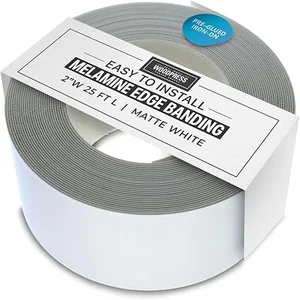 |
WoodPress Iron-On Edge Banding – $26.95 Cut MDF edges soak up paint like a sponge and show every fiber – edge banding gives a clean, factory-like edge in minutes with just a household iron.
|
You’ll need a tape measure, pencil, a fine-toothed saw (a circular saw with a plywood/MDF-specific blade or a table saw works best – a coarse framing blade tears the surface), a drill/driver, wood glue, screws or confirmat fasteners, clamps, sandpaper (150 and 220 grit), and a finish of your choice. Buy MDF from a supplier with decent turnover – boards that sit in a damp warehouse for months can already have absorbed moisture and will warp after installation.
A Real Safety Note on MDF Dust
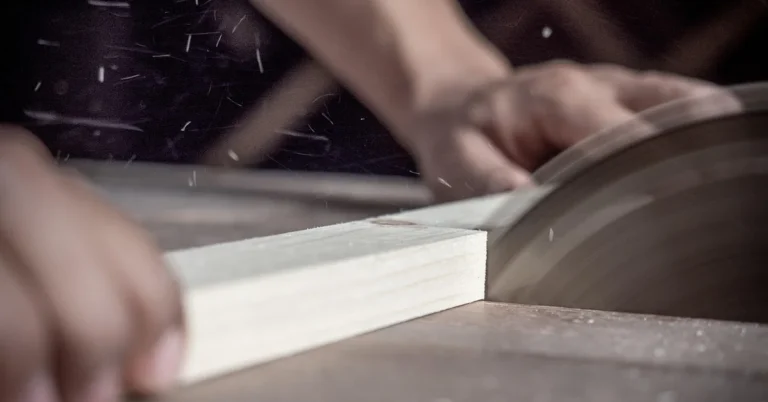
MDF is wood fiber bound with urea-formaldehyde resin, and cutting or sanding it releases fine dust that carries more than just wood particles – it’s a recognized respiratory irritant, and prolonged unprotected exposure is a real health concern, not just a nuisance. A basic paper dust mask is not enough for extended cutting or sanding sessions. Use a properly rated N95 (or better) respirator, cut outdoors or in a well-ventilated space, and hook a shop vac or dust collector to your saw whenever possible.
Choosing Thickness for the Span You Need
This is the detail that determines whether your shelf sags in six months. As a practical rule of thumb for a shelf loaded with moderate weight (books, average kitchen items):
- 3/4 inch MDF: keep unsupported spans to around 24-28 inches. Beyond that, it visibly bows over time even without a heavy load.
- 1 inch MDF: can reasonably span up to about 32-36 inches for moderate loads.
- Heavier loads (large books, small appliances): add a center support bracket regardless of thickness, or drop to a shorter span – don’t rely on thickness alone.
These are practical DIY guidelines, not engineered load ratings – if you’re shelving something genuinely heavy (a TV, dense reference books, tools), size down the span further or add mid-span support rather than assuming the numbers above are a hard limit.
For the full engineering-backed span chart (including the L/240 deflection standard actual composite-panel data is measured against) and how to reinforce a shelf that’s already sagging, see our complete MDF shelf thickness guide.
Cutting MDF Panels
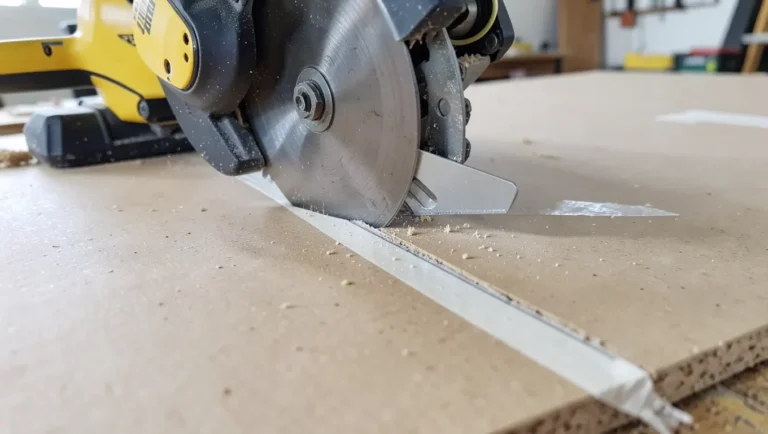
Support the full sheet so it doesn’t sag and bind the blade mid-cut. Use a fine-toothed blade (40+ teeth for a circular saw, higher for a table saw) and let the blade do the work – forcing it chips the surface and blows out the underside of the cut. Score the cut line with a utility knife first if you want a cleaner top edge, especially for a laminate-faced MDF. Clamp a straightedge as a saw guide for long, straight cuts – freehand cuts on a 4×8 sheet drift more than people expect.
Why Screws Alone Don’t Hold Well in MDF Edges
MDF has excellent screw-holding strength driven into its face, but driving a screw straight into the edge (end grain equivalent) is the weakest connection you can make in this material – the fibers there aren’t continuous the way solid wood grain is, and a screw can strip out or split the edge with surprisingly little force. For real strength at shelf-to-side-panel joints:
- Always pre-drill pilot holes before driving any screw into an edge – skipping this is the single most common cause of split MDF.
- Combine wood glue with mechanical fasteners rather than relying on either alone. Glue alone in an edge joint isn’t strong enough for a load-bearing shelf; screws alone can work loose over time.
- For a stronger joint than a straight screw into the edge, use pocket screws angled through the face into the mating piece, or confirmat/dowel-style fasteners designed for MDF and particleboard.
Sanding and Priming Before Finish
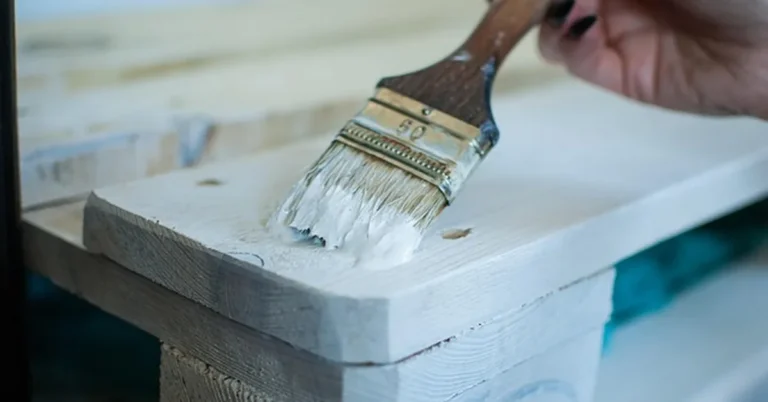
Sand faces with 150-grit, then 220-grit, moving in the same direction each pass. The cut edges need more attention than the factory faces – they’re more porous and will drink paint or primer unevenly, leaving a visibly darker, rougher band around every shelf unless you seal them first. A dedicated MDF sealer/primer (or two thinned coats of regular primer, sanded lightly between coats) closes up that porous edge before color goes on. This is exactly the problem edge banding tape solves if you’d rather cover the edge entirely than seal and paint it.
Installing the Shelf
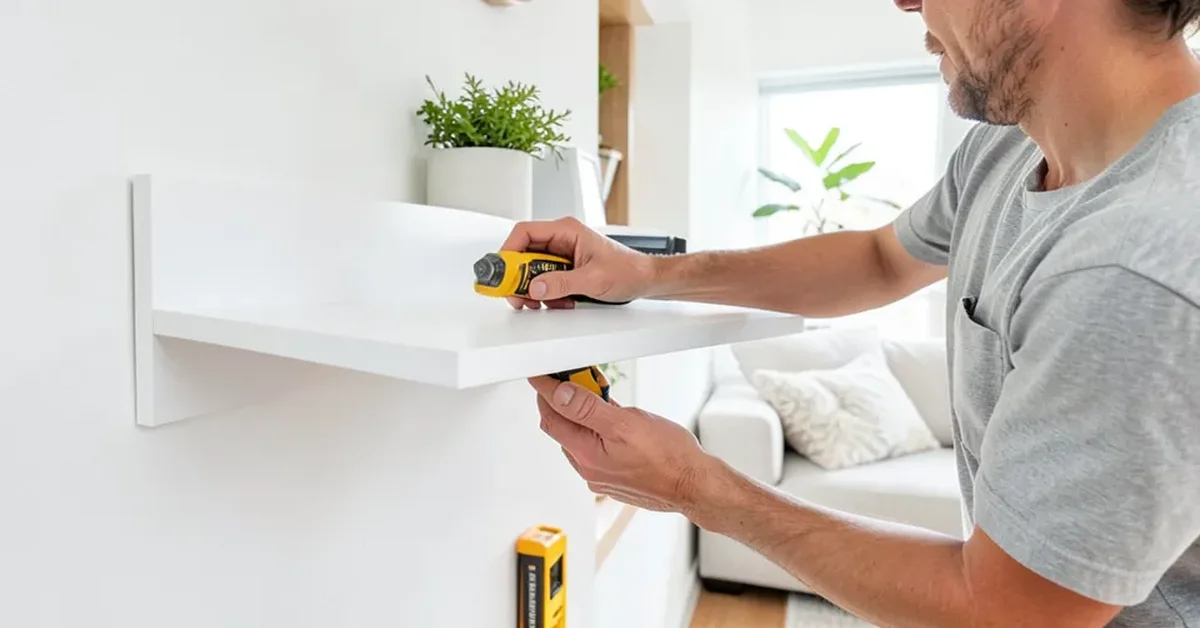
Locate wall studs with a stud finder and mark them – MDF shelf brackets anchored only into drywall will pull out under real weight. Use a level across the full length of the bracket line before drilling; a shelf that’s off by even a few degrees is visibly crooked over a few feet. Drive bracket screws into studs where possible, or use rated drywall anchors sized for your expected load if a stud doesn’t line up. After mounting, load the shelf gradually and check it again after a day – MDF settles slightly under initial load, and it’s easier to add a bracket now than after something slides off.
Moisture Is the One Thing MDF Doesn’t Forgive
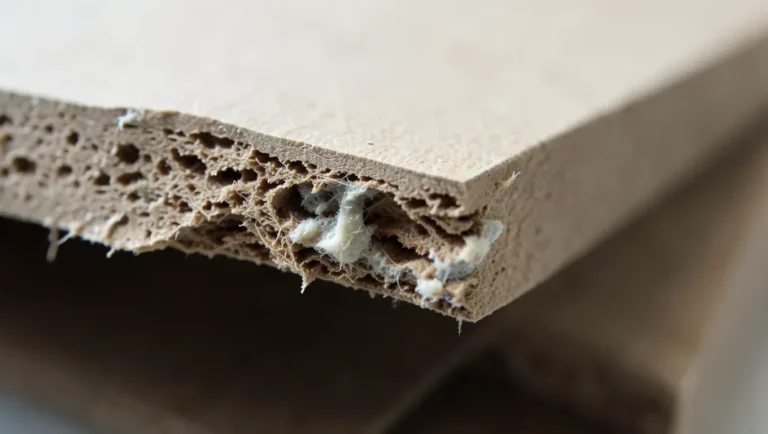
Solid wood can absorb some moisture and dry back out with minimal lasting damage. MDF is different – once the fibers swell from water absorption, that swelling is largely permanent, even after it dries. Don’t use unsealed MDF shelving in bathrooms, laundry rooms, or anywhere it might get splashed, and always seal cut edges (the most absorbent part of the board) with primer, paint, or edge banding before installing anywhere humidity is a factor.
Frequently Asked Questions
Can you build shelves with MDF?
Yes. MDF is affordable, cuts and sands cleanly, and takes paint better than plywood. Keep unsupported spans reasonable for the thickness (roughly 24-28 inches for 3/4 inch MDF under moderate load), pre-drill any screws going into an edge, and seal it against moisture.
How thick does MDF need to be for a shelf?
3/4 inch is the practical minimum for a shelf carrying moderate weight over a normal span. For spans longer than about 28-32 inches, or heavier loads, step up to 1 inch MDF or add a center support bracket rather than relying on thickness alone.
Is MDF okay for a shelf?
Yes, for light-to-moderate loads in dry indoor spaces. Avoid it for wet or humid areas unless every surface and edge is properly sealed, since MDF swells permanently when it absorbs water, unlike solid wood which can dry back out.
How do you strengthen MDF shelves?
Add a center support bracket to break up the span, combine wood glue with mechanical fasteners at joints rather than relying on screws alone, and always pre-drill before driving a screw into an MDF edge – that’s the weakest point in the material and the most common place shelves fail.
Sponsored / affiliate links. As an Amazon Associate I earn from qualifying purchases. I may earn additional commission from eligible campaigns.