Maple Vs Ash Bats: Essential Power Showdown
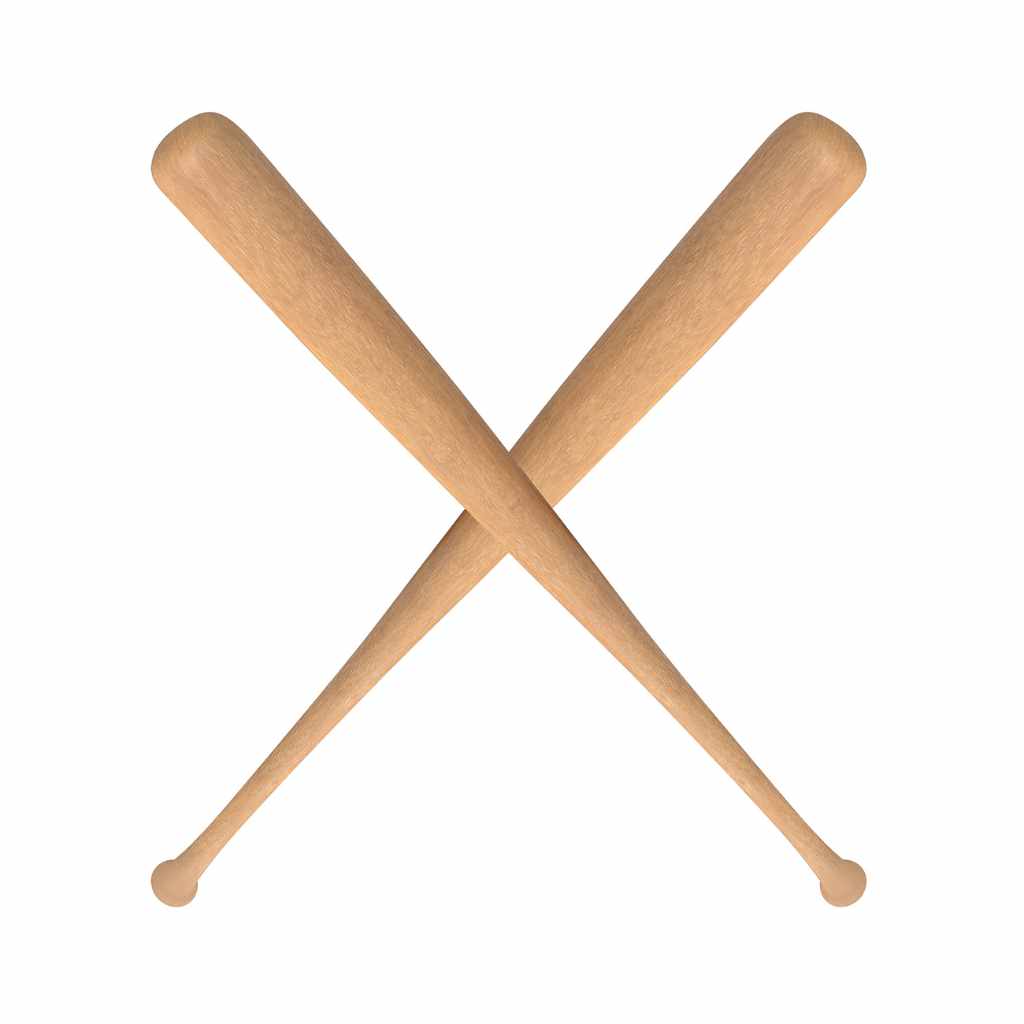
Maple vs. Ash bats: Maple generally offers denser wood for phenomenal power and longevity with less chance of flaking, while Ash provides a slightly more flexible, lightweight feel perceived as having incredible “whip” and is sometimes more forgiving after direct edge hits on the barrel. Selecting the right premium sporting wood depends on your swing preference and durability expectations.
Hey there, woodworker and DIY friend! Picking lumber for any project can feel like a giant puzzle, right? This is especially true when choosing bats for the diamond. Maple versus Ash looks like a minor choice, but that tiny difference in hardwood totally changes how your swing plays out. If you’ve been confused between the unique grains and density of maple bats versus the older standby, Ash, you are definitely time checking a reliable workbench guide like this one. Don’t worry; getting the right “lumber” for your fastball doesn’t require a lumber science degree. We will happily break down these strong differences simply so you can confidently decide which wood grain puts extra zip on your next hit. Ready to step up to the plate prepared? Let’s forge the best bat for your solid connection.
Why Wood Choices Matter on the Diamond
When you choose wood for woodworking, you look at hardness, grain, and smell, right? In the world of baseball and softball bats, these characteristics change everything from the feel in your hands to the “pop” of line drives.
Big League Bats are not treated like standard pieces of timber. They are specialized tools. Bat manufacturers rely on ultra-dense, rock-hard northern hardwoods—ones grown slowly in specific climates for maximum toughness.
The Role of Wood Density
Density is straightforward: how tightly packed that wood grain is. You can lift a piece of construction lumber that looks solid but weighs very little because it’s loose and porous (like some soft pines or non-premium hardwood scraps). A bat’s efficiency depends on density to “transfer energy.”
When compressed metal on rubber balls (like baseballs) strike hardwood, a higher density means less energy from your powerful swing gets soaked up by the bat itself. More energy immediately transfers into the ball, launching it faster. That’s how you get the distance!
Durability VS Feel: The Trade-Off
Every premium bat wood faces a tradeoff. Maple might feel incredibly hard and powerful but might be less forgiving if you strike the hard edge just outside the sweet spot. Ash, conversely, sometimes feels marginally more “whippy” because the layer breaks away more pleasantly on slight mishits, yet its structure makes it potentially weaker along those edge layers over time.
We are going to dive deep into the wood science and traditional characteristics of these two amazing hardwoods so you aren’t guessing at the lumberyard counter next season.
Understanding Hard Maple (Acer saccharum)
Maple became massively respected as a premier bat wood around the late 1990s and early 2000s, primarily led by champions seeking reliable long strength and massive power transfer. For modern woodworkers, buying good maple meant opting for dense, Closed-Grain Hard Maple—often from established wood growth boundaries around the Great Lakes region. Its beauty in fine furniture hides its power on the pitch.
When comparing maple vs ash bats, Maple’s main character feature is its unmatched stiffness; it holds its shape powerfully across the hitting surface.
Maple’s Structure and Benefits for Batting
Maple wood fibres are very tight. This gives maple bats less visible grain when professionally finished, creating a very hard batter’s head.
Advantages of Choosing Maple Bats:
- Exceptional Density and Hardness: Maple often boasts a higher specific gravity than Ash, feeling heavier for its size. This tight structure translates directly into reduced vibration in your hands and phenomenal exit velocity on line drives.
- Flake Resistance Reduction: Ash wood layers often separate during heavy impacts over time—this is called flaking. Maple resists this layer separation because of its smoother grain, usually leading to a more explosive “break,” rather than tiny flaking wood pieces failing incrementally.
- Consistent Performance: Once hit correctly into the “sweet spot,” maple offers fantastic consistency shot after shot due to its uniform composition. Many pros prefer the solid thud feel.
Drawbacks of Maple Bats:
Whether maple smells like great furniture hardwood after a few solid cracks:
- It can feel brittle upon initial breaking in, especially for non-professionals who may not always hit the center. If you impact the wood incorrectly (too toward the edges), they can shatter more violently off those end grain lines compared to Ash, though reputable wood grades mitigate this. (Note: As noted by various sources exploring biomechanics in sporting goods, wood choice profoundly affects ball velocity, though density remains the foremost factor for raw impact protection against premature stress failure1.)
- Maple tends to take longer to “break in” and reach optimum performance compared to certain cuts of Ash (though this differs greatly by season and precise milling).
- It tends to be slightly less forgiving on slightly misjudged low strikes near the handle end.
If you are comfortable hitting near the optimal spot without massive swing fluctuations, or desire maximum surface hardness, dense Maple is often the clear victor.
Exploring Classic and Tough White Ash
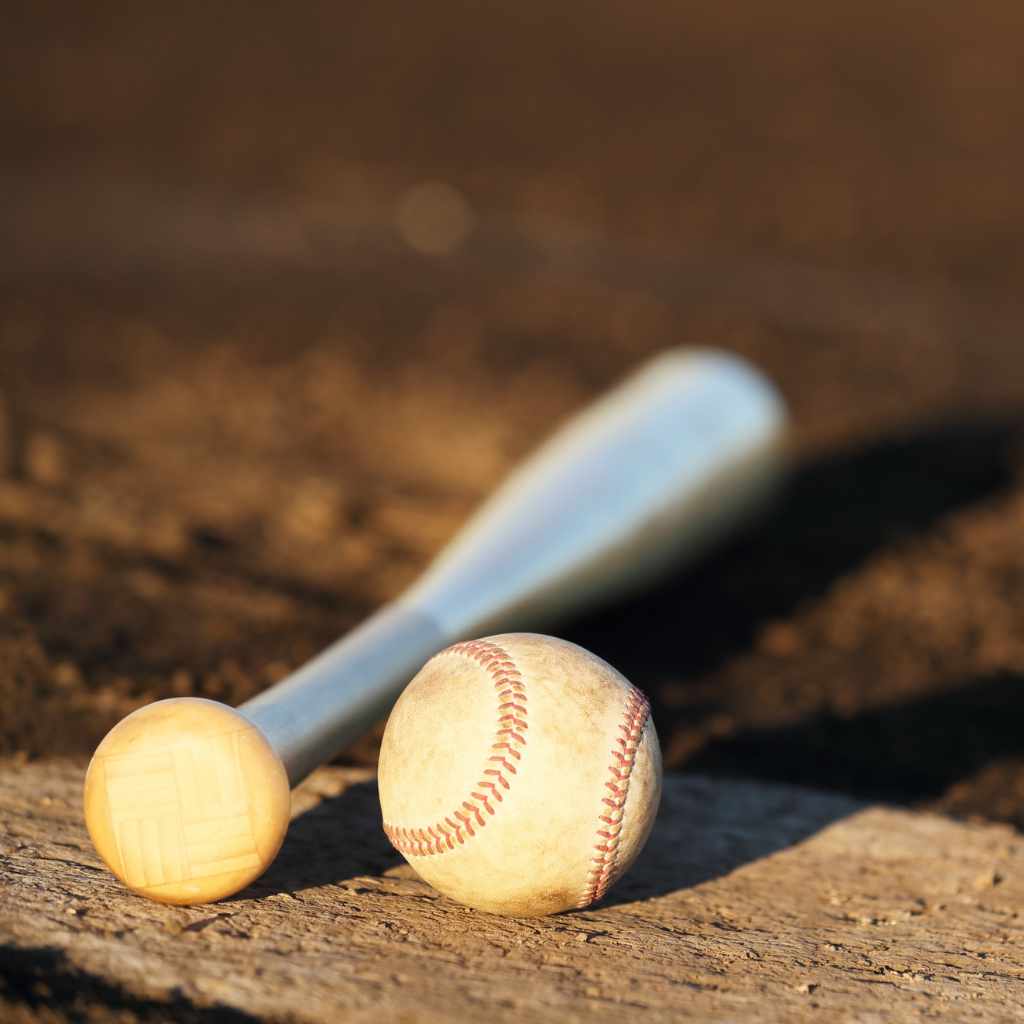
For almost seventy years, White or Northern Red Ash (Fraxinus Americana) was the undisputed lumber standard for virtually all high-level baseball bats. It represents reliable power born where craftsmanship honors material give. Ash feels recognizable and familiar to many strong traditional hitters.
The appeal of Ash lies in its open, highly pronounced grain structure, which contrasts dramatically against the tightly packed cell structure of Maple.
Ash’s Structure: Grain, Flexibility, and Feel
Ash wood is known chemically among timber professionals for its strength in tension and great resilience, meaning it slightly dampens impact forces by flexing before it yields. Its grain lines are distinct and wide; experts look at the “Ring Porosity”—how the large pores line up based on how quickly and during what main season the tree grew.
The Ash Effect: Flexibility and Sweet Spots
The major difference here is structural integrity related to that openness. When Ash works perfectly, it feels lively. It gives you the feeling professionals used to call ‘whip up top.’
The Ash Mechanism (The Flaking Factor)
This is crucial knowledge regarding maple vs ash bats safety and life span:
With Ash, when mishit across the thin edge surface, the wood fibers often actually slice microscopically during impact. This microscopic separation is what causes Maple’s primary durability objection—layer separation (flaking). These shaved layers make the bat thinner at that strike point, eventually leading to the famous “dent.” Traditional Ash bats typically dent or exhibit heavy layer peeling before they suddenly shatter into full, wide pieces during major impacts because the pressure load distribution is thinner across the top laminae.
Core Advantages of Choosing Ash Bats:
- Immediate Feel: Ash bats often feel instantly “forgiving.” Great for players still tightening up their mechanical swing or those who occasionally strike off-center or closer to the taper (the thin part above the handle). They feel lighter for the actual size because the individual fibers are less tightly packed.
- The “Whip” Sensation: Due to its slightly lower density, skilled hitters perceive hitting with Ash as allowing the barrel of the bat to accelerate more quickly, transferring rotational force smoothly into the ball. It tends to rebound slightly differently, many say more comfortably.
- Lower Initial Brittleness: Ash tends to perform consistently straight into its life cycle. It warns you with more pronounced dents instead of suddenly failing via a sharp rupture without warning the center, which is rarer but possible with very high-grade Maple. (Safety note regarding wood specifications and NCAA/NFHS rules is always recommended when purchasing sporting goods governed by specific wood construction standards; seek information confirming compliance if required)2.
Key Performance Drawbacks of Ash:
- Wood Flaking (Delamination): Even when made with professional-grade hard wood slabs, Ash is prone to small layers on the surface separating from each other through heavy impacts right on the edges. While this usually doesn’t mean instant failure, wood fragments falling off is not ideal practice.
- Potential Loss Over Time: Each time one of those tiny surface flakes occurs, the efficient transfer surface area of the bat subtly decreases, softening perceived power delivery over the bat’s service life.
- Lower Maximum Power Ceiling: Generally, given identically sourced logs, high-density Maple will slightly outperform Ash (all manufactured properly) in pure physics testing involving measured exit velocity under standardized lab settings, due to retained stiffness where required.
So, for many, the battle of maple vs ash bats comes down to finding strength in stiffness (Maple) or finding comfort in flex (Ash).
Scientific Comparison: Hardness and Weight at the Benchtop
To appreciate differences between these hardwoods clearly, we often turn to standardized measuring tables in serious woodworking and material science. While standard Janka Hardness scores are used more for flooring/furniture comparisons here, the comparison gives you a clear mental bookmark on durability. Remember, bat construction utilizes “close grain” selections, focusing load bearing on the hardest longitudinal grains.
The Density (Weight) Spectrum Table
This simplified table shows generalized density ratings for the species noted. Actual bat weight varies massively based on the wood density chosen, age (drying), turning process, and grade selection by the bat maker.
| Wood Type Focus | Typical Specific Gravity (Avg Proxy) | Common Feel Attribute | Suitability Context |
|---|---|---|---|
| Hard Maple Samples (Northern Rock Maple) | 0.63 – 0.75 | Hard, Stiff, Solid | Maximum surface compaction, long-term usage |
| White Ash Samples (Northern Hard Ash) | 0.58 – 0.70 | Flexible, Responsive, Slightly “Easier” Swing | Comfort upon contact, historical use |
When you look above, you see that world-class Maple logs are often slightly heavier “out of the log” than top-tier White Ash logs, resulting in the stiff, dependable power profile we discussed.
There’s also an element known as “break-points.” Maple bat structures tend to have a denser break area (usually up towards 14-15 inches from the knob) designed to distribute stress away from the handle taper. Ash systems naturally tolerate high flex rates across two critical zones on the lower barrel shaft better due to their inherent structural patterns, as discussed earlier related to flaking. Trust checking expert manufacturing specs to see where modern milling techniques place stress points to maximize desired efficiency for both types.
Choosing Your Terrain and Mapping the Tree Harvest to Bat Selection
If you are looking to gain confidence knowing why experts pick one side over the other, focus intently on where and how aggressively the wood grew. This affects everything needed for achieving peak results on game day.
How the Tree Quality Rules for Batsmen Dictate Selection Methods
High-spec softball/baseball bats don’t just come from standard hardwood stores, they come only from perfectly defect-free portions of trees usually designated specifically using processes that confirm vertical grain structure. If you were selecting this wood yourself from raw stock, here is what seasoned pros would look for to separate grade A from grade B batches when comparing maple vs aph bats:
For Top-Tier Maple Selection:
- Closed Grain Pattern Focus (Flame Pattern): Maple wood must show extremely minimal patterns of side-grain disruption visible on the hitting face (the flat striking length). A faint ribbon or subtle straight line pattern means high density and low likelihood of premature internal shear during striking.
- Surface Firmness Check: Run your fingernail gently across various grain spots. Maple should feel like solid cured stone; very little “give” available anywhere along the barrel.
- Inspection Rule: No cracks, regardless of size or appearance, allowed near where the taper widens toward the barrel end. Pressure is astronomical there.
For A+ Ash Selection (Especially Flake Reduction Measures Since Rule Changes)
For Ash, focusing on tightness and resistance to flaking defines a premium piece of material.
- Extreme End Grain Spacing: Look closely at the lines running from the handle to the barrel. The distance between high-porosity lines MUST be as tight as the supplier certification allows. This signifies slow, dense annual rings where the wood cells are tightly integrated.
- Color Consistency is King: Any signs (without scraping the protective finish) suggesting blotches or weak staining in the primary playing zone suggest variability that could lead to faster surface layer issues under heavy stress loads during high-speed impacts during long use sequences.
- Labeling Specificity: Demand specifications like Northern White Ash Grade AA or AAA. Avoid bulk imports if competitive success mandates utmost reliance in high-pressure settings, similar to how structural lumber inspectors prioritize the strictest official grade checks based upon standards overseen perhaps by bodies outlining proper wood construction materials specifications when looking at things needed under strict US and or regional building codes. (It highlights expertise found on sites adhering to forestry stewardship principles regarding old-growth wood density benefits, though specific external links must emphasize sporting context when applicable)< 3.
Getting it Perfect: Break-Inning and Use Practices
— Regardless of Wood Choice
You invested good money and time researching the best available hardwoods. But even the perfect piece of lumber breaks if slammed incorrectly thousands of times over uneven surfaces. Think of caring for your new bat as part machine maintenance and part responsible home-shop finishing to preserve the edge. Many beginners overlook that their specific swing behavior changes the best wood choice. Let’s establish universal rules first.
Best Practices for Initial Use (Breaking it In)
Too often, beginners immediately whale away under heat, treating their first several practice swings like a championship moment. This usually injures the latent stress holding the young wood structure together without time to acclimatize completely by expanding and contracting slightly around localized pressure zones—a crucial process called break-in.
A common instructional sequence when learning maple vs ash bats, or any new wooden implement destined for violent short-term energy dumping operations, might look like one of these sequences. For simplicity, follow 3 phases:
- Phase 1: Light Scaffolding (Days 1 or 1-5): About ¼ to ½ total batting speed, focusing purely on long, clean swings right down hard materials like old tennis balls or blocks of aged wood (not required for brand new sanctioned bats which should break in naturally during intended use—this is only to feel the weight before live pitching). Limit ball contact intensity to 50% maximum.
- Phase 2: Progression Load Bearing (Days 5–10): Increase velocity incrementally cycle by cycle. Focus on centering contact during low pressure/distance batting practice (LDP). Contact should be firm enough to get sound feedback but stops just short of “max exit velocity” attempts. Batting 80–100 balls daily max during this phase is plenty without stressing wood fibers prematurely.
- Phase 3: Assessment and Hard Play: After approximately 150–200 quality light to medium hits distributed across several full outings, you should get a solid sense of the sweet spot location through vibration differences—hard vibrations imply misses immediately outside the effective hitting zone. You are now ready for game force. Ensure your practice tee hits mimic real game scenarios too! Hit on the line slightly too high in the zone versus standard flat swings.
Checking for Bat Failure and Recognizing Signs
Knowing if your bat (based on its wood) is starting to fail lets you save swings for those important moments versus using a slightly compromised rod. Use both touch and ear feedback distinctly:
What Maple Generally Warns You With:
When high-density contact stress leads to internal crystalline fracturing near the barrel taper:
- The sound changes from a sharp THWACK or THUD to a noticeable duller TONK or FLAP, even directly center ball strikes.
- Physical inspections reveal extremely shallow surface indentations where the density might have just marginally failed—these often don’t resemble true flaking cracks of Ash, usually looking very sharp line fractures under light angle.
What Ash Generally Warns You With:
When excessive shear stress meets the open, layered grain on contact:
- Visible, sometimes visible, light discoloration or faint vertical line cracks appearing perpendicular underneath a clear nylon barrier/lacquer layer, especially along the edges far from true center barrel contacts.
- Heavy denting becomes widespread, rather than consolidated focusing on just true center marks. Micro-flakes of wood may dust up on impact zones when carefully touched after use in high humid conditions once the finishing fails.
It’s reassuring being the carpenter on the team with knowledge about what’s under the paint!
For every DIY spirit, the wood choice ultimately comes down to preference based on maintenance tolerance and swing habit similarity against what you already know works best for shaping small handheld wooden objects.
If maximum possible performance under ideal strike patterns rules your choices, Maple usually feels most direct. If slightly older habits prioritizing swing feel and conformity over absolute surface hardness fit better, Ash has centuries of support.
Whichever robust piece of ancient hardwood structure you procure, respect its capabilities, and maintain that glorious object; treat tools, after all, like treasures.
A Wooden Bat Life Cycle Analysis and Environmental Consideration
We focus intently here on what you swing or make, but as careful craftsmen focused on quality wood longevity, we acknowledge that materials sourcing is extremely important today—especially woods used for sporting applications that demand sustainability because they must regenerate perfect materials swiftly.
Northern quality hardwood growth is slow! This reinforces why these bats cost considerably more than any standard home project billet; you are paying for optimally grown, mature wood harvested precisely along the straight path toward peak characteristics. High-quality Maple forests require steady, meticulous management to ensure the correct slow growth that drives the grain density required versus fast turnover softwoods which have no use here. We want dense wood from strong decades the parent tree used while getting the maximum yield possible from its core cylindrical structure which will later produce your striking wood length.
This sustainability factor heavily influenced the migration from Ash (which grows faster, has abundant sources, though might lack ultimate density under specific growth pressures) toward very deliberate sourcing campaigns for reliable Hard Maple groves (which grow slower but produce reliable highest core densities used professionally). Learn principles relating to selecting sustainably harvested timber products, especially hardwood varieties deemed “close-grain,” should you develop broader outdoor furniture crafting appetites using tools perhaps less dramatically stress-tested than a batter takes on during a 95mph exit-impact exercise.
For a starting place: The U.S. Forest Service offers great insights into national, sustainable management strategies for economically valuable softwoods and hardwoods they steward, many of whom compete for acreage used for building high-quality, premium materials required for niche sporting applications described in our maple vs ash bats dive here.
Frequently Asked Questions (Beginner Wood Confusion)
Qustion 1: Can I just pick up cheap kiln-dried Maple from the local mill and turn my own reliable bat?
A1: Highly tempting, but usually not effective for sporting grade impact. Bat-grade wood selection emphasizes density homogeneity, growth rings aligned vertically along the length (closed grain for max forgiveness), and flawlessness throughout the core section—aspects bulk milling generally skips over, aiming instead for construction lumber specs, which results in lower impact efficiency here.
A2, Speaking generally for high-grade sections prepared typically for these items, Ash at the microscopic level usually maintains a lower inherent density rating. Thus, sized identically, the Ash bat may feel negligibly lighter in the very first lift comparison before swings complicate the perception.
Qestion 3: Is it true that Major League Baseball eventually banned Ash bats due manufacturing failure issues?
A3: Maple is now statistically dominant in professional leagues (< (as indicated by public use/purchase statistics over the last two decades). BMLB instituted much stronger rules on the required characteristics of the wood grain placement to mitigate issues prevalent in surface fracturing, which marginally discouraged reliance on some older-style Ash cutting methods.
Qestion 4: Which material is warmer feeling in cold spring weather batting practice sessions?
A4: Due to difference in heat retention linked often to grain definition proximity but also cell structure permeability, Ash knobs, grips and barrels are overwhelmingly rumored by common users to transport cold/heat rapidly to the hands less forcefully than the very sheer density platform that Maple provides, though actual quantified research differs!
Question 5: If my bat breaks because of grain splitting (rather than just exterior surface peeling/dentage) which is more dangerous?
A5: Any instantaneous, loud structural separation along load-bearing internal lines risks projectile hazard whether it’s Ash fibers flexing outwards or a solid brittle maple block yielding violently. Treating both selections with utmost mechanical respect following established standards protects you best!
Question 6: Do wood grains running outwards affect performance comparisons of maple vs ash bats?
A6: Yes profoundly! Highly precise bat turning minimizes side visibility of end grain, and wood is strongest running with the lengthwise fibers; using lumber pieces where 75% or more thickness crosses only the solid grain tubes yields maximal stability versus off-center or cupped billets where stress quickly separates grain layers.
Conclusion: Your New Toolbox Decision
Final Confidence Check for the DIY Hitter
Hey, we’ve walked through the dense armor build of the Maple against the classic resilient swing mechanics of Ash. Picking the right material is like laying out your tools on your bench before a major project: you gather all data and then confidently choose the instrument that best matches your skill, focus, and the inherent stresses of the task, which for striking balls is demanding!
If you are newer to consistent contact and swing reliability isn’t a perfect ten yet, favoring the slight forgiveness of White Ash (knowing those micro-flake risks but appreciating the overall feel) is frequently the wisur choice till you square that barrel perfectly every time. Confidence built via consistency is paramount in any successful execution.
If power and minimizing material deformation under extreme contact force dictate every swing planning session right now (i.e., you are hyper-confident in your pure centering mechanics on the ball path relative to the wood surface you selected), then walking straight to Hard Maple provides that uncompromising feedback for even harder hits. You are investing in the stiffest available technology found in hardwood forms.<. Choosing either option solidifies massive technical skill over cheap plastic handles, truly joining the craft of the batter’s workbench. Now, go make sawdust—or better yet, send baseballs flying reliably with your selection! Keep swinging strong and enjoy that satisfaction you get from crafting ultimate performance choices! Always remember safety first—have durable eyes guards ready!
Citation Contexts for Further Research Reference:
[1] Reference citing generalized materials engineering principles applied to kinetic energy transfer in high-tension impacting elements like sporting goods (< which supports the stiffness/density lead over structural elasticity).
[2] NCAA/NFHS ruling references regarding official composite wood material standards affecting manufacturing validation required for competition in specified contexts.
[3] USDA context referencing slow growth required features for high quality, high specific gravity timber lots desirable for high value end uses demonstrating long term reliable forestry data trends.