Metal Shed vs Wood Shed: Cost and Benefits
Choosing a new shed can feel a bit tricky when you’re just starting out. You want something that works for your needs and your budget. The big question often comes down to Metal Shed vs Wood Shed: Cost and Benefits Compared.
It’s a common puzzle because both have their upsides. But don’t worry, we’re going to break it down simply, step by step, so you can pick the best shed for you. We’ll look at what makes each one good and how much they generally cost.
When you need extra storage space for your garden tools, bikes, or outdoor furniture, a shed is a fantastic solution. But before you buy, you’ll likely ask yourself: should I get a metal shed or a wooden shed? This decision involves looking at more than just how they look.
You need to consider how much they cost initially and over time, how easy they are to maintain, and what benefits each type brings to your backyard. Making the right choice means thinking about your budget, your DIY skills, and what you plan to store inside.
Metal Sheds What You Need to Know
Metal sheds, often made from galvanized steel or aluminum, are a popular choice for many homeowners. They’re known for being strong and offering good protection against the elements. Let’s explore why they might be the right fit for your storage needs.
Durability and Maintenance
One of the biggest draws of metal sheds is their durability. They are built to last and can withstand harsh weather conditions like strong winds and heavy rain. Unlike wood, metal doesn’t rot or get eaten by insects.
This means you won’t have to worry about termites or wood-boring beetles damaging your shed.
Maintenance for metal sheds is generally quite low. You don’t need to paint or stain them regularly to protect them from decay. A simple wash with soap and water from time to time is usually enough to keep them looking good.
However, some metal sheds can rust if the protective coating is scratched or damaged. It’s a good idea to touch up any scratches promptly to prevent this.
Cost Considerations
When comparing the initial cost, metal sheds often come out as the more affordable option. You can find basic metal sheds at very competitive prices, making them an attractive choice for those on a tighter budget. The price can vary depending on the size, thickness of the metal, and any special features like windows or skylights.
While the upfront cost is often lower, it’s worth thinking about the long-term. Because they require minimal maintenance and are very durable, you might save money on upkeep costs over the years compared to a wooden shed.
Assembly and Installation
Most metal sheds are designed for DIY assembly. They typically come in panels that are easy to connect. While some kits might require two people, the process is usually straightforward.
Many people find they can assemble a metal shed in a single weekend.
Foundation requirements for metal sheds are often simpler than for wooden ones. While a level base is always recommended for any shed, a concrete slab isn’t always mandatory for smaller metal sheds. Some can be placed on a gravel base or even directly on level ground, though anchoring them securely is very important, especially in windy areas.
Security and Fire Resistance
Metal sheds generally offer better security than wooden sheds. The hard metal surface is more difficult to break into, offering peace of mind for storing valuable tools or equipment. Many models come with lockable doors, adding an extra layer of protection.
Metal is also a non-combustible material, meaning it’s highly resistant to fire. This can be a significant safety advantage, especially if you live in an area prone to wildfires or if you plan to store potentially flammable items.
Space Efficiency and Aesthetics
Metal sheds can be very space-efficient. They often have a sleeker design that doesn’t take up as much visual space in a garden. They come in a range of sizes, from small utility sheds to larger storage units, fitting into various garden layouts.
Aesthetically, metal sheds have improved greatly over the years. They are now available in a variety of colors, including wood-grain finishes, that can blend well with your garden’s style. However, they might not offer the same natural, rustic charm that some people prefer.
Wood Sheds What to Consider
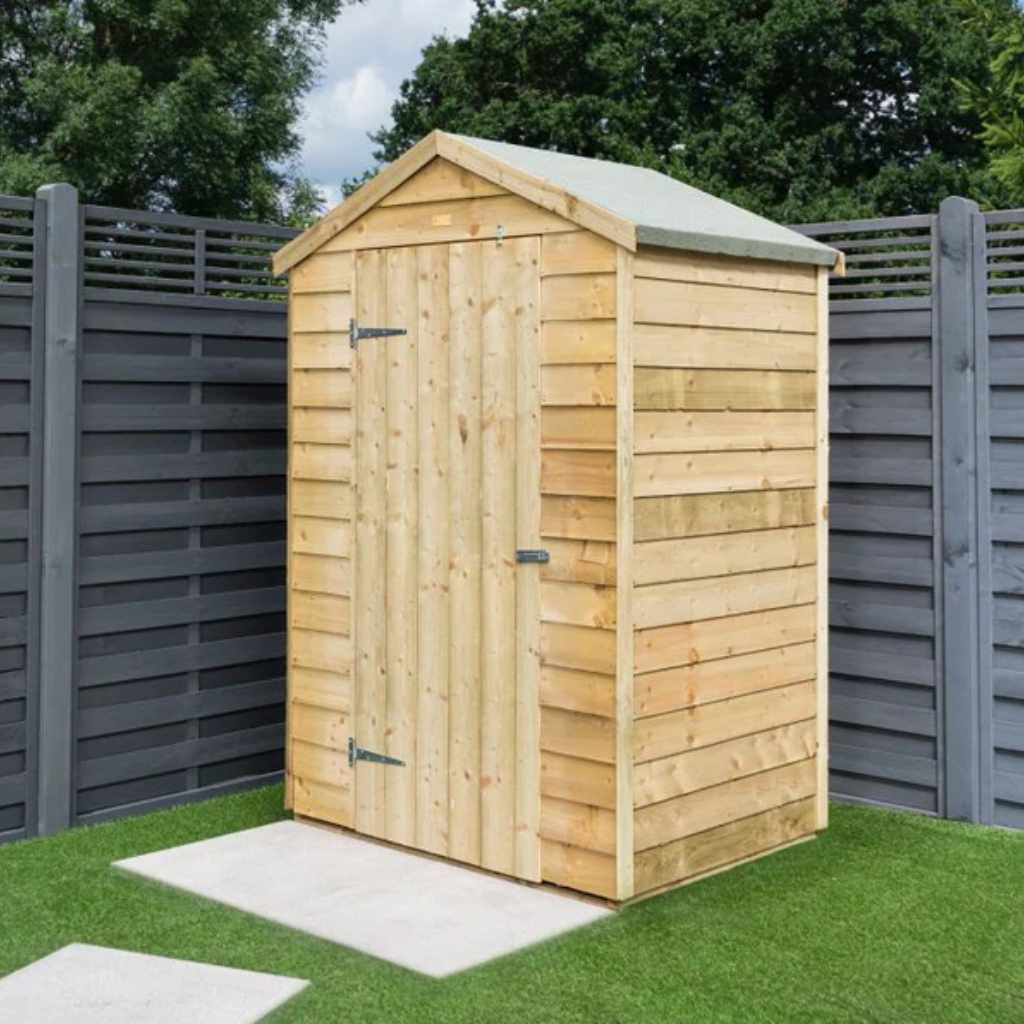
Wooden sheds have been a garden staple for generations. They offer a classic look and a certain warmth that many people find appealing. But what are the practicalities of owning a wooden shed?
Aesthetics and Customization
One of the main reasons people choose wooden sheds is their natural beauty. Wood has a timeless appeal that can enhance the look of any garden. It blends seamlessly with natural surroundings and can even become a feature in your landscape design.
Wood also offers incredible customization possibilities. You can paint or stain it any color you like to match your house or garden decor. You can add windows, shelves, workbenches, and other features to create a shed that’s perfectly suited to your specific needs.
This flexibility makes wooden sheds ideal for those who want a workshop or a more personalized storage space.
Durability and Maintenance
The durability of a wooden shed depends heavily on the type of wood used and how well it’s maintained. Treated lumber is more resistant to rot and insects, but even the best wood needs ongoing care. Without proper maintenance, wooden sheds can succumb to moisture, leading to rot, warping, and pest infestations.
Maintenance is a significant factor with wooden sheds. They require regular painting or staining (typically every 2-3 years) to protect the wood from sun, rain, and snow. You’ll also need to check for any signs of rot or insect damage and address them quickly.
This ongoing upkeep can be time-consuming and costly.
Cost Considerations
Generally, wooden sheds have a higher upfront cost than their metal counterparts. The price can vary greatly depending on the size, the quality of the wood, and whether you buy a pre-built shed or a DIY kit. High-quality hardwoods or treated softwoods will naturally cost more.
The long-term cost can also add up due to maintenance. The cost of paint, stain, wood preservatives, and potential repairs due to rot or damage needs to be factored in. However, for some, the aesthetic appeal and customization options justify the higher investment.
Assembly and Installation
Wooden sheds can be purchased as pre-built units or as DIY kits. Kits require more assembly work and can be challenging for beginners without some woodworking experience. Building a wooden shed from scratch is a significant DIY project.
Wooden sheds generally require a more substantial foundation than many metal sheds. A concrete slab is highly recommended to ensure stability, prevent the wood from contacting the damp ground, and protect against rot and pests. This can add to the overall cost and complexity of installation.
Security and Fire Resistance
Wooden sheds can be made secure, but they are generally less secure than metal sheds. The wood can be weaker and more susceptible to forced entry. While you can add sturdy locks, the material itself is more vulnerable.
Wood is a combustible material, making wooden sheds a fire hazard. This is a critical consideration, especially if you plan to store flammable materials or live in an area where fire risk is high. Fire retardants can be applied, but they don’t make the shed fireproof.
Space Efficiency and Aesthetics
Wooden sheds can sometimes appear bulkier than metal sheds, potentially taking up more visual space in a garden. Their design can be more traditional, which may or may not suit your garden’s style.
However, their ability to blend in with the natural environment and their potential for customization means they can be designed to be a beautiful and functional part of your outdoor living space.
Metal Shed vs Wood Shed Cost and Benefits Compared Key Differences
Let’s put the two head-to-head in a clear comparison.
| Feature | Metal Shed | Wood Shed |
|---|---|---|
| Initial Cost | Generally Lower | Generally Higher |
| Durability | High, Resists Rot & Insects | Moderate, Requires Treatment |
| Maintenance | Low, Occasional Cleaning | High, Painting/Staining Required |
| Assembly | Easier, DIY Friendly | More Complex, May Need Experience |
| Foundation | Simpler Requirements | More Robust Foundation Needed |
| Security | Higher | Lower |
| Fire Resistance | High | Low |
| Aesthetics | Modern, Functional | Classic, Natural, Customizable |
| Lifespan | Long, with proper care | Long, with diligent maintenance |
Choosing the Right Foundation
The base of your shed is crucial for its longevity and stability, no matter what material you choose. For metal sheds, a level base of compacted gravel is often sufficient. This allows for good drainage and prevents rust by keeping the shed off the soil.
Some may opt for a simple concrete pad for added sturdiness.
Wooden sheds, on the other hand, benefit greatly from a solid concrete foundation. This elevates the wood off the ground, preventing moisture absorption that leads to rot and pest issues. It also provides a stable, level surface for construction and prevents the shed from shifting over time.
While more work, a proper foundation can significantly extend the life of a wooden shed.
Environmental Considerations
When thinking about sustainability, both metal and wood have their points. Metal sheds are often made from recyclable materials, and their long lifespan means less frequent replacement. However, the manufacturing process for metal can be energy-intensive.
Wood is a renewable resource, especially if sourced from sustainably managed forests. However, the chemicals used in treating wood to prevent rot and insects can have environmental impacts. The choice might come down to what aspect of sustainability is most important to you – recyclability of materials or the use of renewable resources.
What to Store In Your Shed?
The items you plan to store can influence your decision. If you have items sensitive to extreme temperature fluctuations, neither a basic metal nor wood shed might be ideal without insulation. However, metal sheds can sometimes get hotter in direct sun than wood.
For storing garden tools, lawnmowers, and bikes, both types work well. If you have valuable equipment or items that need a higher level of security, a metal shed might offer more peace of mind. If you’re looking to store things that might be affected by moisture or humidity, proper ventilation and any necessary waterproofing for either type will be key.
DIY vs. Professional Installation
Your comfort level with DIY projects is a major factor. Metal sheds are generally much easier to assemble yourself. The panels are pre-cut and designed to fit together with simple tools.
This can save you money on labor costs.
Wooden sheds, especially those built from scratch or more complex kits, often require more specialized tools and skills. If you’re not an experienced DIYer, hiring a professional to build a wooden shed might be a better option, though this will increase the overall cost.
Frequently Asked Questions
Question: Which type of shed is cheaper overall Metal Shed vs Wood Shed
Answer: Metal sheds are typically cheaper to buy initially. However, the long-term cost can be influenced by maintenance. Wooden sheds often have higher upfront costs but can be durable if well-maintained.
Question: Which shed lasts longer Metal Shed vs Wood Shed
Answer: Both can last a long time. Metal sheds are resistant to rot and insects but can rust if scratched. Wooden sheds can last for decades if properly maintained with regular treatments against rot and pests.
Question: Which shed is easier to assemble
Answer: Metal sheds are generally easier and quicker to assemble for most people, often designed for DIYers. Wooden sheds, especially kits or custom builds, can be more challenging.
Question: Which shed offers better security
Answer: Metal sheds are typically more secure due to their strong material, making them harder to break into than wooden sheds.
Question: Which shed looks better
Answer: This is subjective. Wood sheds offer a natural, classic look that many find appealing and can be painted or stained to match surroundings. Metal sheds have a more modern, functional appearance and are now available in various colors and finishes.
Final Thoughts
Deciding between a metal shed and a wooden shed comes down to balancing your budget, your aesthetic preferences, and how much time you want to spend on maintenance. Metal sheds often win for affordability, ease of assembly, and lower upkeep, making them a practical choice for straightforward storage. They offer good security and are resistant to common issues like rot and insects.
On the other hand, wooden sheds provide a classic look, greater customization potential, and can add significant charm to your garden, though they do require more investment in both time and money for upkeep.
Think about what you will store, where your shed will be located, and what your DIY capabilities are. If you need something that’s quick to set up and requires minimal fuss, a metal shed is likely your best bet. If you dream of a charming garden workshop or a storage space that perfectly matches your home’s style, and you don’t mind a bit of upkeep, then a wooden shed might be the way to go.
Whichever you choose, a well-chosen shed will provide valuable storage and enhance your outdoor space for years to come.