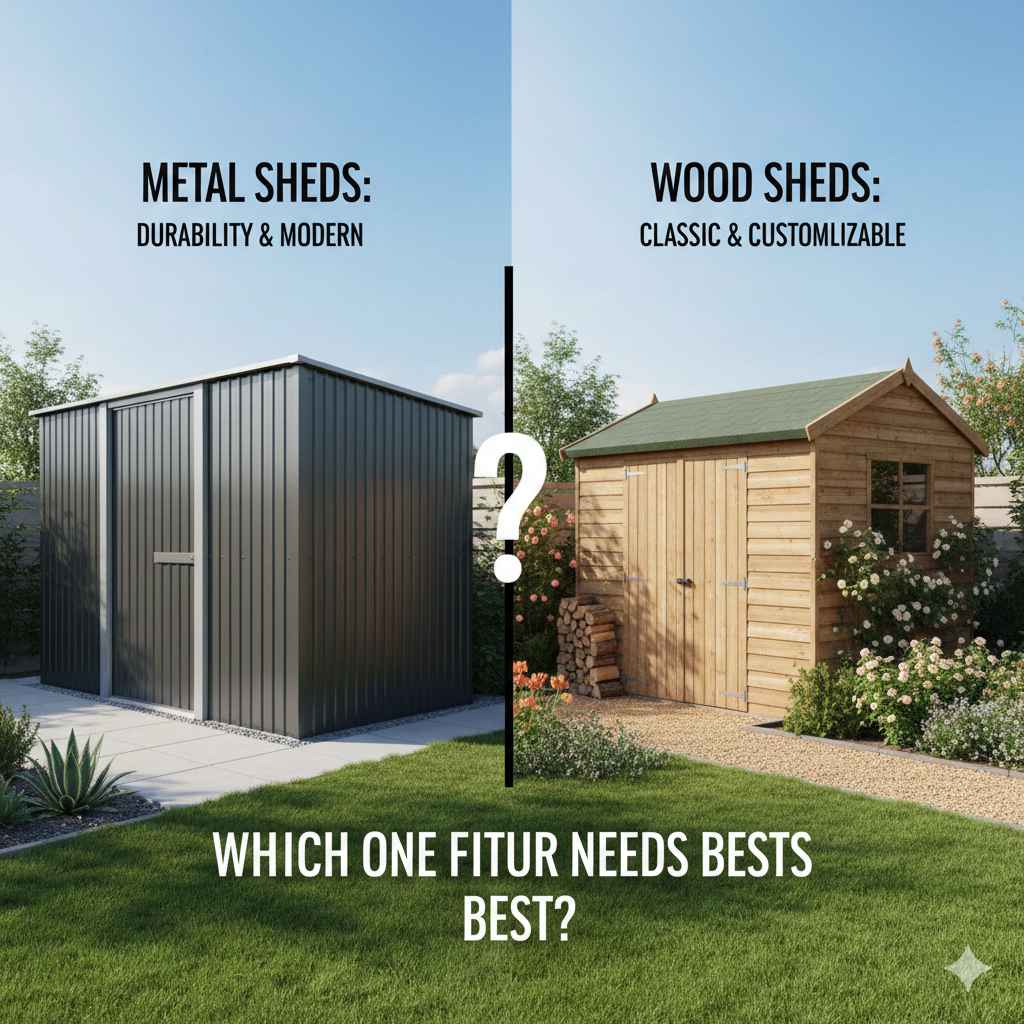
Metal vs Wood Sheds: Which One Fits Your Needs Best?
Choosing the right shed can be tough, especially when you’re just starting out. The question of Metal vs Wood Sheds: What Should You Choose? is a common one because both materials offer different benefits, and figuring out what’s best for you can seem tricky. Don’t worry, though! This post will break everything down in simple steps, helping you figure out which shed type is perfect for your needs. Next, we will explore the key differences to help you decide.
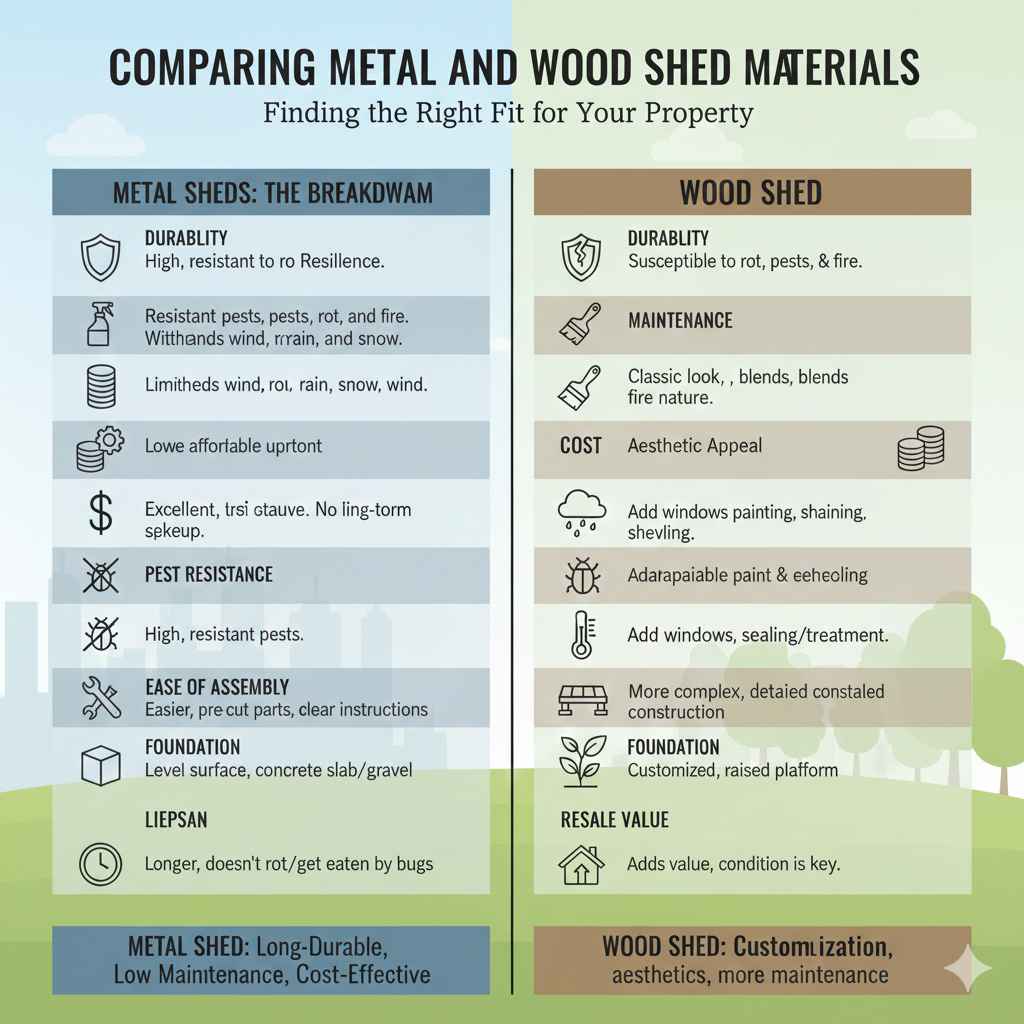
Comparing Metal and Wood Shed Materials
Before you commit to a shed, the materials are the first item to evaluate. Different materials offer different pros and cons that depend on the situation. Metal sheds are popular for their durability and low maintenance, while wood sheds often appeal to those seeking a more traditional look and feel. Each material requires a different amount of effort to set up, and they have distinct advantages when it comes to long-term costs. The lifespan and overall value of a shed depend significantly on the building material.
Metal Sheds: The Breakdown
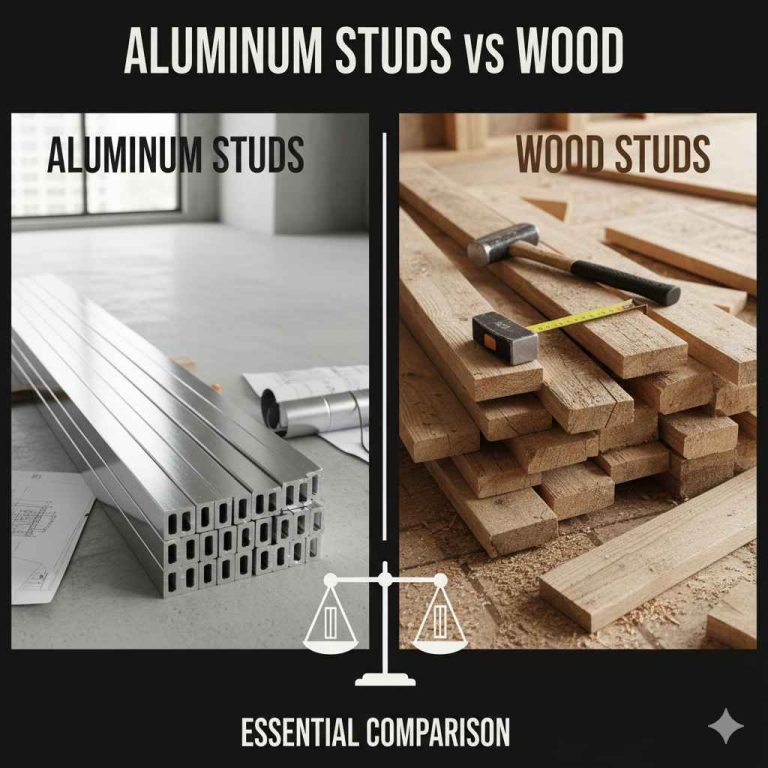
Metal sheds come in different forms. They are often made from steel or aluminum. This gives them a significant advantage when it comes to weather resistance. Metal sheds are generally a good option for people who want something simple that will last. They tend to require less upkeep, and they can be easier to assemble than wooden alternatives. The best metal sheds are often constructed from galvanized steel, which has a coating that helps to prevent rust and corrosion.
Durability and Resilience: Metal sheds are highly resistant to pests like termites, which can destroy wood. They are also less susceptible to rot, making them a more enduring choice in wet climates.
Metal sheds offer incredible durability. They can withstand wind, rain, and snow. Metal sheds are more fire-resistant. This makes them a safer choice compared to wood sheds, which are more flammable. This durability often leads to a longer lifespan for the shed. Regular maintenance can further extend its life.
Low Maintenance: Generally, metal sheds need very little maintenance. You won’t have to worry about painting or staining them like you would with a wooden shed. This low-maintenance aspect can save you time and money over the years.
Compared to other materials, the maintenance is low. You might need to clean the shed occasionally. You may need to inspect it for any rust or damage. This usually is a simple process. It does not require frequent upkeep to keep the shed in good condition. You can spend more time enjoying the space and less time doing work.
Cost-Effectiveness: The initial cost of a metal shed can be lower than that of a wood shed, especially for smaller sizes. This can be a significant benefit if you’re working with a limited budget.
The upfront costs are generally more affordable. This can be the most budget-friendly choice. This can save you money initially. While the price of the shed is a key factor, also consider the long-term expenses. This includes maintenance, repairs, and the need for possible replacements. These factors can vary based on the material used.
Wood Sheds: The Breakdown
Wood sheds are popular for their appearance and versatility. Wood sheds often blend nicely into a garden or backyard. Wood sheds can be customized in terms of design and paint colors. Wood sheds provide a more traditional look. However, wood sheds can require more maintenance compared to metal sheds. It is important to consider the long-term care and costs before selecting a wood shed. Wood sheds offer a different experience compared to metal options.
Aesthetic Appeal: Wood sheds offer a classic look that blends well with natural surroundings. They can be painted or stained to match your home or personal style, offering more customization options compared to metal sheds.
The visual appeal is a major factor for choosing this material. You can paint or stain the wood to match your home’s color scheme. Wood sheds can also be easily customized. You can create a unique space. Many find wood sheds more appealing to the eye compared to metal options.
Customization Options: Wood sheds can be easily customized with various features. This includes windows, doors, and shelving. You can build a shed to your exact needs. This isn’t always possible with metal sheds, which often come in pre-designed kits.
You can adjust the size and layout as needed. This flexibility is a big advantage for homeowners. The ability to make design adjustments can be a big plus. It makes the wood shed more adaptable to your needs. This allows you to create a storage space that is perfect for your needs.
Insulation and Climate Control: Wood sheds generally offer better insulation than metal sheds, making them more suitable for storing temperature-sensitive items. This is because wood is a natural insulator.
Wood sheds can better maintain a steady temperature inside. This is beneficial if you plan to store items sensitive to changes in weather. Insulation can keep the items safe. You can install extra insulation easily. This can make the shed useful in all types of weather.
Weather Resistance and Durability Factors
Weather resistance is a significant factor in making your decision. Both metal and wood sheds hold up to different weather patterns in different ways. Metal sheds are known for their resistance to water and pests. Wood sheds require proper treatment to protect them from weather and moisture. When assessing both types of sheds, consider local weather conditions and the type of protection needed to maximize your shed’s lifespan.
Metal Sheds: Weathering the Storm
Metal sheds offer high resistance to weather conditions, especially if they are built with weather-resistant materials. Metal sheds tend to have an advantage when it comes to dealing with the elements. The metal material does not rot or attract pests. It stands up to wind, rain, and snow. You’ll usually find that the best metal sheds have coatings that prevent rust.
Wind Resistance: Many metal sheds are designed to withstand high winds. The design of metal sheds and how they are anchored to the ground are essential for wind resistance. Some models are built with strong frames that can survive severe weather.
Choose sheds with strong construction and proper anchoring. This ensures the shed remains stable during harsh weather events. Metal sheds are better when dealing with windy areas. Make sure the structure is properly secured to prevent damage.
Water Resistance: Metal sheds are water-resistant. The metal material does not absorb water. The design of metal sheds often features overlapping panels and tight seams to keep water out. This is a key advantage during rain and snow.
This keeps the inside of the shed dry. Ensure your metal shed has a sloped roof. This prevents water from collecting. This protects your stored items from damage due to moisture.
Pest Resistance: Metal sheds do not attract pests. Wood sheds can be damaged by termites and other wood-boring insects. This makes metal sheds a good option if you live in an area with a lot of bugs.
Metal sheds provide a pest-free storage space. They require less maintenance compared to wood sheds. Proper upkeep can keep pests from damaging your items.
Wood Sheds: Protecting Your Investment
Wood sheds can be a great addition to a yard, but they require attention. They need protection against weather and moisture. Wood sheds require regular maintenance. This is crucial for their longevity. You should take steps to safeguard the wooden material from weather damage. You will also have to deal with pests. Applying protective coatings and keeping up with regular maintenance is very important.
Water Damage and Rot: Wood can absorb water, which can lead to rot and structural damage. This requires you to implement some preventative measures. This includes applying sealants and ensuring proper drainage around the shed.
Apply protective coatings and make sure the ground is prepared. This will help reduce water damage. This will increase the longevity of your wood shed. Regular inspections help to spot any damage early.
Pest Infestation: Wood is susceptible to termites and other pests. These pests can cause significant damage to the structure. This may require regular inspections and pest control.
Treating the wood with insecticides can help protect your shed. Regular inspections can detect infestations early. This will allow you to take action before significant damage occurs.
Weatherproofing Treatments: Applying paints, stains, and sealants can help protect wood sheds from the elements. This is essential for preventing water damage and protecting the wood. It can also enhance the shed’s appearance.
The right treatments can significantly extend the life of your wood shed. You can select products designed to withstand your local weather conditions. Regular maintenance will preserve the wood and keep your shed looking its best.
Assembly and Installation Considerations
Before you commit to a purchase, you should examine the assembly process of each shed type. Metal sheds are often built using pre-cut panels and components. Assembly may seem easier when following the manufacturer’s instructions. Wood sheds may take more effort. They often involve cutting and fitting wooden pieces together. Consider your own skills and the complexity of the shed project before making a decision.
Metal Sheds: Simplified Setup
Metal sheds are designed for straightforward assembly. The assembly process is a key advantage for many people. Many metal shed kits come with pre-cut panels. They also have clear instructions. You can often assemble a metal shed with minimal tools and experience. The simplicity of this makes them popular for those who prefer a more convenient setup.
Pre-Cut Components: Metal sheds often come with pre-cut panels. These parts fit together easily. This reduces the need for cutting and measuring during assembly.
Pre-cut components reduce labor and the risk of mistakes. This is helpful for people who do not have experience building things. The process is generally quicker.
Clear Instructions: Metal shed kits provide step-by-step instructions. They often have diagrams to help. This guidance makes it easier to follow the assembly process.
Clear instructions and diagrams help to prevent errors. You can follow the assembly step by step. This guides you through the building process.
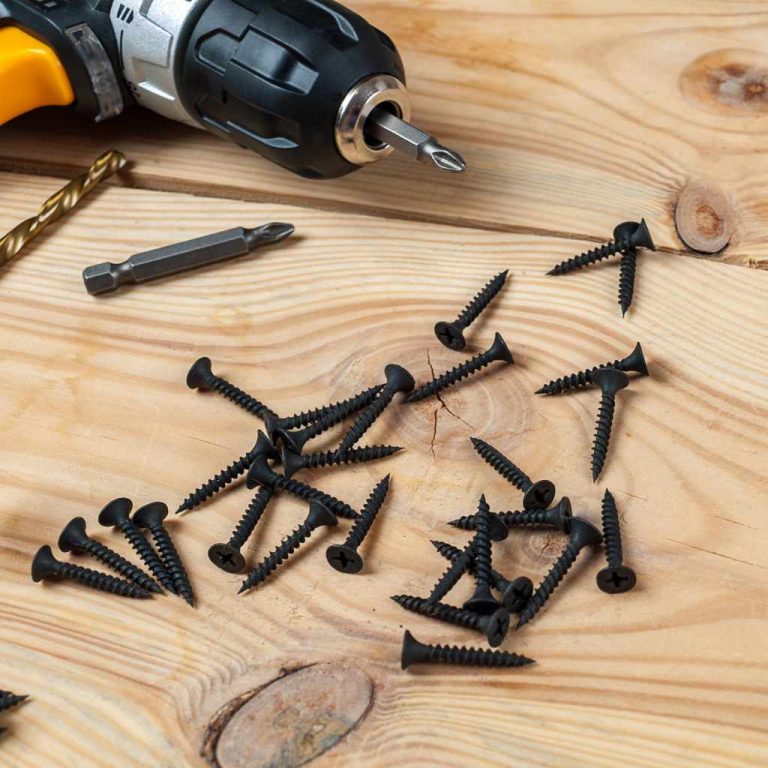
Tool Requirements: Metal sheds require basic tools. These often include a screwdriver, drill, and measuring tape. This minimizes the need for specialized equipment.
The need for only basic tools makes metal sheds appealing. You do not need to purchase or rent extra tools. You can assemble them with items you might already have.
Wood Sheds: Hands-On Building
Building a wood shed requires more effort and skill. The assembly of a wood shed typically involves more hands-on work. You need to assemble the wooden frame and install siding, roofing, and other features. The project can be more time-consuming. You will need a greater understanding of construction. Before deciding on a wood shed, you should honestly assess your abilities.
Cutting and Fitting: Wood sheds often require cutting and fitting pieces of wood. You might need to make adjustments to ensure everything fits.
This hands-on work takes more time. You can learn carpentry skills. This also allows for the flexibility to adjust the design.
Skill Level Required: Constructing a wood shed requires some carpentry skills. You will need to understand how to read plans and use various tools.
You can choose to hire someone or get assistance. If you are handy, you may find the process rewarding. Make sure you are prepared for the amount of work.
Additional Materials and Tools: You may need to buy additional materials. These items may include screws, nails, or roofing materials. You will also need more tools.
Make sure you have all the necessary supplies and tools before you begin. This will help to reduce delays and ensure that the project is done right. Factor in the cost of all required materials and tools in your budget.
Comparing Long-Term Costs and Maintenance
You need to assess the total cost of ownership of any shed. Consider the long-term expenses that are involved, which extend far beyond the initial purchase price. This includes routine upkeep, repairs, and the possibility of replacement. Metal and wood sheds have different lifecycle costs. You must understand these factors to make an informed decision.
Metal Sheds: The Savings Advantage
Metal sheds can often offer cost savings compared to wood sheds. The low-maintenance design and durability can help you to save money in the long run. There are fewer costs involved in repairs. A metal shed needs minimal upkeep, making it a budget-friendly option. This can make them a great option for people who want a hassle-free storage solution.
Minimal Maintenance: Metal sheds require minimal maintenance. You will not have to paint or stain the shed. This saves time and money.
The time and money saved on maintenance adds up over the years. You can use the time and funds saved on other projects. This makes metal sheds a cost-effective option for anyone.
Durability and Longevity: Metal sheds are durable. They can withstand weather and pests. This long lifespan reduces the need for repairs and replacements.
A longer lifespan is beneficial. You will not have to replace the shed. This saves you money in the long run. The durability of metal can be worth the extra expense.
Repair Costs: Metal sheds require fewer repairs compared to wood sheds. Repair costs are typically lower. This results in significant savings over the life of the shed.
This reduced need for repairs can save you money and headaches. This makes metal sheds a budget-friendly choice. Choose a metal shed to enjoy years of use.
Wood Sheds: The Ongoing Investment
Wood sheds need ongoing investments of time and money to maintain their appearance. The initial cost of a wood shed can be higher than a metal shed. Wood sheds also need extra effort for upkeep. Maintaining a wood shed involves regular treatments and repairs. You should carefully consider these long-term expenses before making your final decision.
Painting and Staining: Wood sheds require regular painting or staining. This protects the wood from weather and decay. This is essential for preserving the shed.
The costs of paint or stain can add up over the years. You can save money if you do the work yourself. The cost of materials is also something to consider. This will increase the long-term cost.
Repair Costs: Wood sheds can be susceptible to damage. You may have to deal with rot, pests, or other issues. You might have to hire professionals for major repairs.
Be prepared for higher repair costs. Budget for any possible repairs. You can keep costs down by keeping up with maintenance.
Material Costs: The cost of materials needed for maintenance can be higher. This is needed for the regular application of paints and sealants. This is a cost to consider.
The cost of these materials can add up over time. Ensure you budget for the cost of supplies. This will help you keep the shed in good condition. You can get a long service life if you take the time to maintain it.
Scenarios and Practical Examples
To better understand your needs, think of scenarios. These scenarios can provide a good view of the advantages of each shed type. Consider the specific things you plan to store. Also, think about the weather patterns of your location. You should consider your personal preferences for aesthetics and your budget when making your final selection.
Scenario 1: Harsh Climates: Imagine you live in a location with severe weather, including heavy snow, strong winds, and heavy rains. A metal shed would likely be more appropriate because of its wind and water resistance. It requires less maintenance. This will help you protect your stored items from the elements. This is a smart choice for regions with rough weather.
Metal sheds offer an advantage in dealing with severe conditions. Metal sheds can endure more challenging weather conditions. This also lowers the chance of damage to the structure or the items stored inside.
Scenario 2: Aesthetic Preferences: Assume you like the look of wood in your yard. You are prepared to commit to the required upkeep. If this is true, a wood shed is a good choice. You can paint or stain it to fit the look of your home. A wood shed will let you add personality to your outdoor area. You should select the material that matches your aesthetic preferences.
A wood shed lets you customize the look. This lets you align the shed with the style of your home. The look of wood sheds can match your style. It can increase the curb appeal of your yard.
Real-life case studies can show the advantages of different shed types. These will help you grasp the benefits of each option. The best choice depends on individual requirements and situations.
Case Study 1: Metal Sheds for Efficiency: A family in a region with heavy snowfall purchased a metal shed to store their garden equipment. They found the assembly process easy. The shed held up very well during the winter months. They were pleased with the low-maintenance requirements. This shed gave them an effective storage solution.
Metal sheds are a good choice when needing a reliable and easy-to-care-for storage solution. They offer practicality and peace of mind.
Case Study 2: Wood Sheds for Aesthetics: A homeowner wanted to enhance their yard with a storage solution. They chose a wooden shed. They were able to paint the shed to match their home’s colors. The wood shed added beauty and practicality. They enjoyed the shed and the way it improved their outdoor space.
Wood sheds blend function and visual appeal. This offers a great way to improve any yard. This allows for personalization and design integration.

Frequently Asked Questions
Question: Are metal sheds better than wood sheds?
Answer: It depends on your needs. Metal sheds are good for easy maintenance and weather resistance. Wood sheds have visual appeal and customization options, but need more upkeep.
Question: How long do metal sheds last?
Answer: With proper care, a metal shed can last for many years, often 15-30 years or even longer. This longevity can depend on the metal type.
Question: Are wood sheds expensive?
Answer: Wood sheds can have a higher initial cost compared to metal sheds. The long-term cost will depend on maintenance needs.
Question: Can I build a metal shed myself?
Answer: Many metal sheds come in kits with easy-to-follow instructions, allowing for DIY assembly. However, wood sheds often require more building experience.
Question: Do I need a permit for my shed?
Answer: Check with your local government. They will have information on whether you need a permit for building a shed. This can depend on the size of the shed and your location.
Final Thoughts
When you’re deciding between Metal vs Wood Sheds: What Should You Choose?, remember there’s no single perfect answer. Metal sheds shine with their durability, low upkeep, and resistance to weather and pests, often making them a smart pick if you want something that needs little attention. Wood sheds, though, can bring a classic feel and allow you to customize the look of your space.
The downside is that they require more effort in terms of maintenance and can be more prone to the elements. Remember to think about what you’ll be storing, the climate you live in, and your personal skills and preferences. Considering these key points will help you pick the best shed for your needs. Now you have the information to make a smart decision!