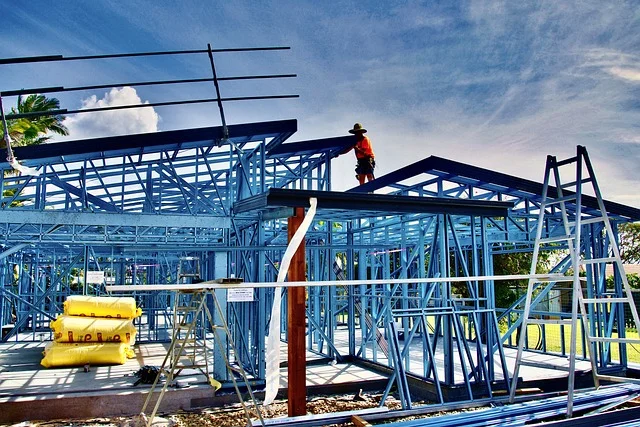
Metal Frame vs Wood Frame: Cost, Strength & Which to Choose
If you’re staring at a set of plans and can’t decide whether to frame with lumber or steel studs, here’s the short answer: wood wins on cost and ease of DIY work, metal wins on strength, fire resistance, and long-term durability. Which one is actually right for your project depends on what you’re building, your local labor market, and how much you plan to change the structure later.
Below we break down both materials side by side, including real cost-per-square-foot ranges most comparison articles skip, so you can match the frame to the job instead of just picking whichever one sounds more familiar.
Metal Framing vs Wood Framing at a Glance
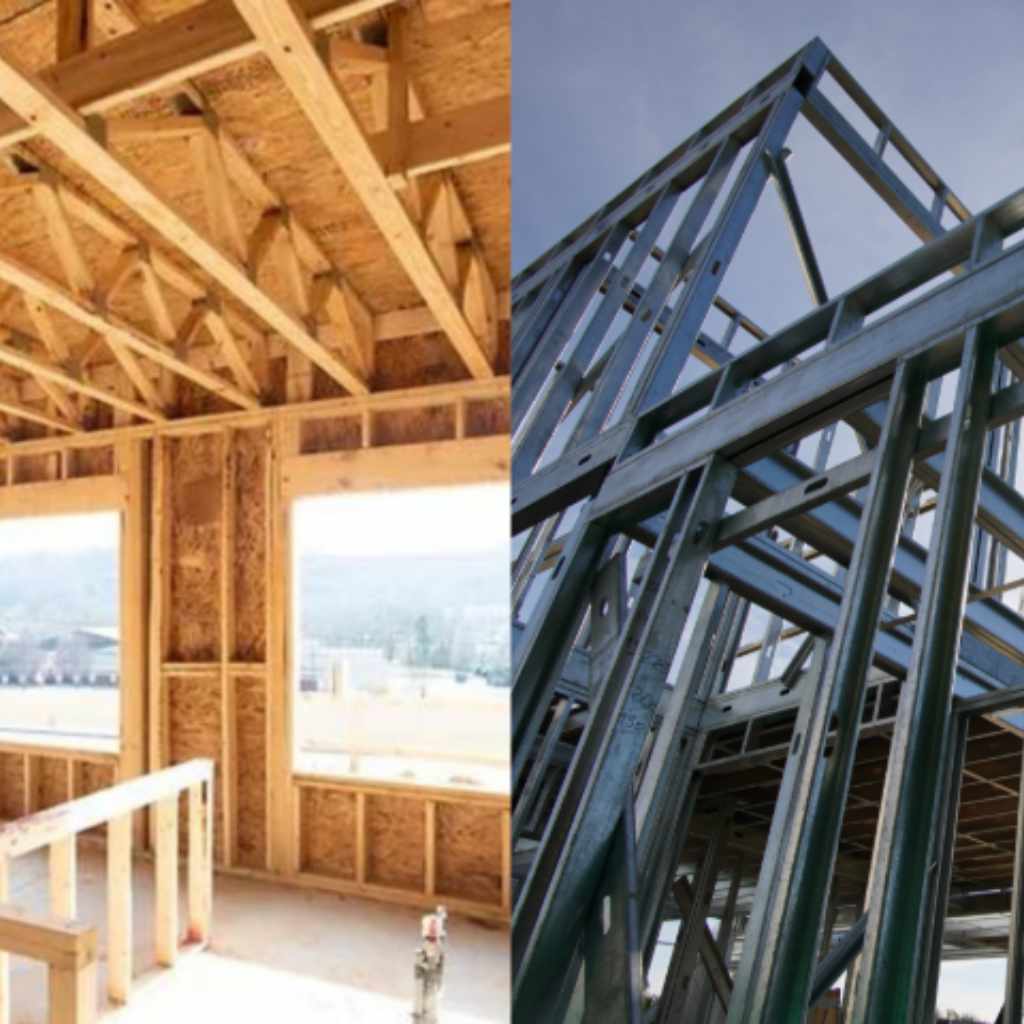
Metal framing (almost always cold-formed steel) uses factory-made studs and tracks that get cut and screwed together on site. It resists rot, pests, warping, and fire far better than wood, and it holds tight dimensional tolerances because every stud comes out of the same roll of steel.
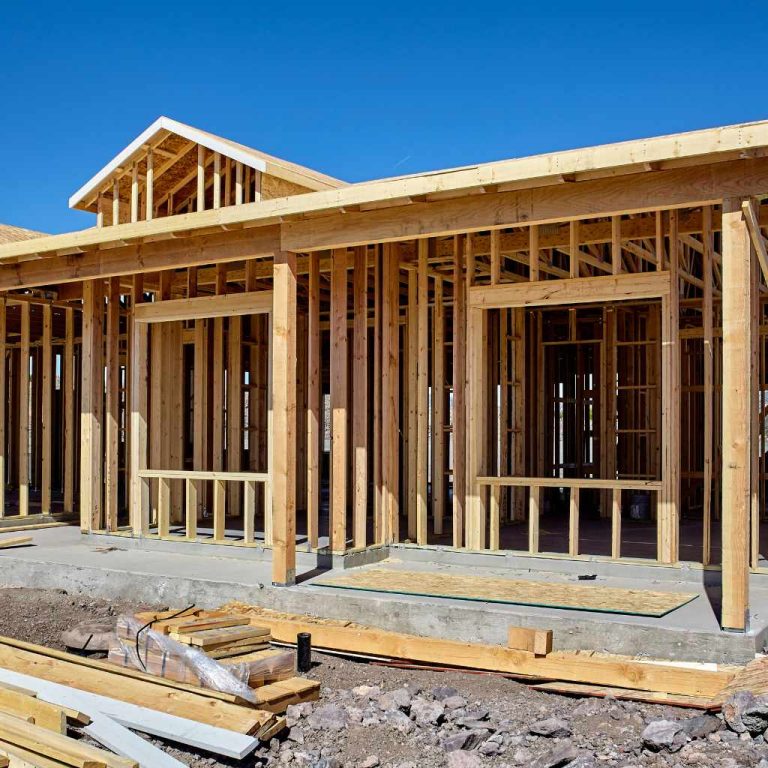
Wood framing uses dimensional lumber – 2x4s and 2x6s – cut and nailed or screwed together the same way builders have done it for over a century. It’s cheaper in most markets, far easier to modify with hand tools, and it insulates better on its own than bare steel.
Best Layout Tool for Either Framing Job
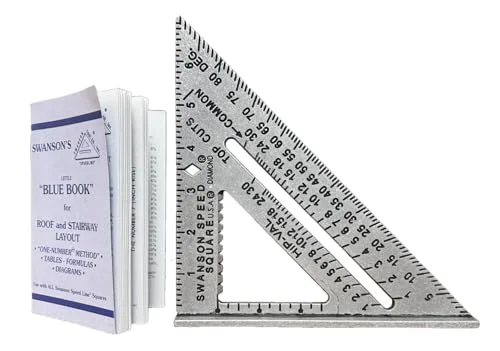 |
Swanson 7" Speed Square – $9.98 Whether you end up framing with lumber or steel studs, you still need to mark accurate 90° and 45° angles – this is the one layout tool that works on both.
|
What a Frame Actually Costs: Real Numbers
Most articles on this topic tell you steel “can cost more” without saying by how much. As a rough planning range for a typical stick-framed wall section: dimensional lumber framing runs about $3 to $6 per square foot of wall installed, while cold-formed steel studs of comparable size run about $4 to $8 per square foot once you add the extra screws, thicker-gauge track at openings, and thermal breaks steel needs to perform well. The gap narrows or disappears entirely during lumber price spikes, so it’s worth getting quotes for both if your budget is tight rather than assuming wood is always cheaper.
Labor is the other cost variable people forget. Framing carpenters who work in wood are common almost everywhere; certified steel framers are concentrated around commercial and multifamily markets, so in a lot of residential areas you’ll pay a premium just to find a crew that frames in steel regularly.
What is Metal Framing
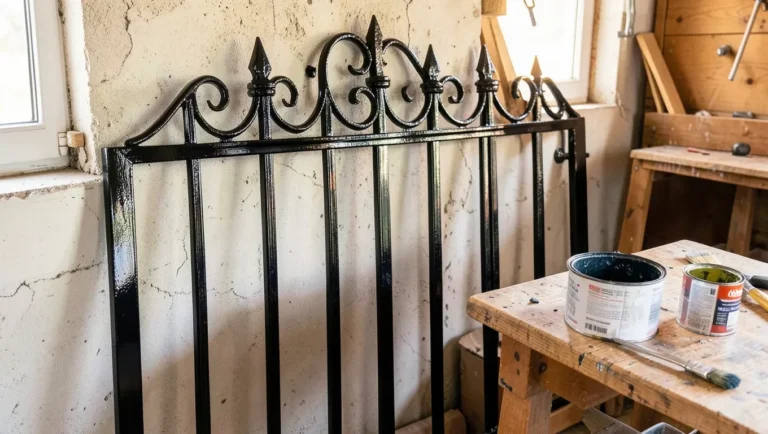
Metal framing, most commonly steel framing, is a construction method that uses prefabricated metal components – typically steel studs and tracks – to build the structural framework of a building or other structure. These components are manufactured to precise specifications and then assembled on-site. Steel is known for its strength and durability, and it’s been a standard choice for commercial buildings and high-rises for decades.
Pros of Metal Framing
- Strength and durability: Metal frames, especially steel, are incredibly strong and resist warping, rotting, and insect damage that affects wood.
- Fire resistance: Steel is non-combustible, which can matter for fire codes and insurance premiums.
- Dimensional stability: Metal doesn’t expand or contract much with humidity or temperature swings.
- Speed of construction: Prefabricated components often mean faster assembly and less labor time.
- Pest resistance: No termites, no wood borers, no carpenter ants to worry about.
- Recyclability: Steel studs are highly recyclable and often already contain a large share of recycled content.
Cons of Metal Framing
- Thermal conductivity: Metal conducts heat and cold, creating thermal bridging unless you add a continuous insulation layer.
- Higher material and labor cost in many markets: Especially for smaller residential projects where steel crews are scarce.
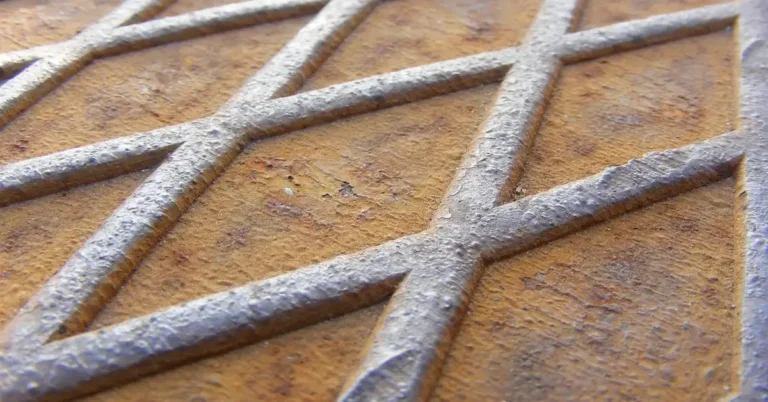
- Corrosion risk: Bare or scratched steel can rust in damp or coastal environments if the galvanized coating is compromised.
- Harder to modify later: Cutting, welding, or re-routing utilities through steel studs takes different tools and skills than wood.
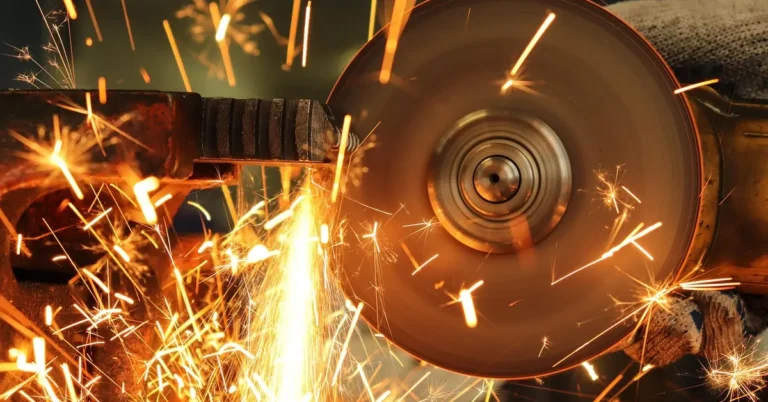
- Specialized tools required: Cutting and connecting steel framing typically needs power tools most DIYers don’t already own.
What is Wood Framing
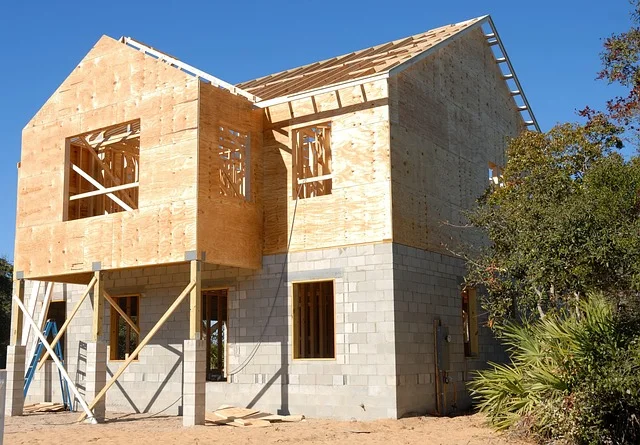
Wood framing is the traditional method of building the structural skeleton of a house or other structure using dimensional lumber like 2x4s or 2x6s. These pieces are cut and assembled on-site to create walls, floors, and roofs. Its affordability, ease of use, and the sheer number of contractors who work with it make wood the default choice for most residential projects.
Pros of Wood Framing
- Cost-effectiveness: Wood is usually more affordable than steel for residential-scale projects, though this gap shrinks during lumber price spikes.
- Easy to modify: Cut, shape, and fasten with basic tools, and just as easy to change or repair later.
- Natural insulator: Wood insulates better on its own than bare metal, which can help with energy bills.
- Wide contractor availability: Nearly every framing crew in the country works in wood, which keeps quotes competitive.
- Renewable resource: Sustainably sourced lumber is a renewable material with a smaller upfront carbon footprint than steel.
Cons of Wood Framing
- Pest and decay risk: Termites, carpenter ants, and moisture can all compromise a wood frame over time.
- Flammability: Wood is combustible and may require fire-retardant treatment in some applications.
- Dimensional movement: Wood can warp, twist, shrink, or swell with humidity and temperature changes.
- Lower strength-to-weight ratio: You often need thicker members than steel to carry the same load.
- Quality variation: Natural variation between boards means some hand-selection is needed for critical members.
Comparison Table: Metal vs Wood Frame
Here’s a simple side-by-side comparison of the two materials:
| Feature | Metal Frame | Wood Frame |
|---|---|---|
| Strength | Very high | Good to high (depends on species and size) |
| Durability | Excellent (resists rot, pests) | Moderate (can be affected by pests, moisture) |
| Typical installed cost | ~$4-$8 per sq ft | ~$3-$6 per sq ft |
| Ease of DIY use | Requires specialized tools | Easy to cut and work with basic tools |
| Insulation | Poor on its own (conducts heat/cold) | Good natural insulator |
| Fire resistance | Excellent (non-combustible) | Combustible |
| Contractor availability | Limited outside commercial markets | Widely available everywhere |
| Ease of later modification | More difficult | Straightforward |
Which Should You Choose?
For commercial buildings, sheds that need to withstand harsh weather, or any project where fire resistance is a top priority, metal framing usually wins. Its resistance to pests and decay also means less long-term maintenance worry, and in areas prone to termites or extreme humidity that durability can outweigh the higher upfront cost.
For a home renovation, a residential addition, or furniture-scale builds where cost and DIY-friendliness matter most, wood framing is usually the better call. It’s simpler to source a crew for, easier to insulate, and far easier to modify or expand later without specialized equipment.
Weigh the pros and cons against your budget, skill level, the expected lifespan of the project, and any local building codes before deciding.
Frequently Asked Questions
Is metal framing more expensive than wood framing?
It depends on the market. For most of the last decade wood was the cheaper option, but lumber price spikes have periodically pushed dimensional lumber above the cost of light-gauge steel studs of similar size. Get a current quote for both before assuming wood is automatically cheaper – the gap has narrowed and sometimes reversed in recent years.
Which frame is better for home construction?
Wood framing is still the default for most single-family homes because it is easier to modify later, easier to insulate around, and most residential contractors are set up to build with it. Steel framing shows up more in commercial buildings, mixed-use construction, and additions where fire codes or long spans favor it.
Can you easily add to a metal frame structure?
Not as easily as wood. Adding to a steel frame usually means welding or bolting new members with specialized connectors, and running electrical or plumbing through studs that were not pre-drilled for it is more work. Wood framing tolerates cutting, notching, and later changes with basic tools.
Which frame is more environmentally friendly?
Both have a case. Wood is renewable when it comes from a sustainably managed forest and stores carbon for the life of the structure. Steel studs are typically made from a high percentage of recycled scrap and are fully recyclable at the end of a building’s life, so the better answer depends on sourcing more than the material itself.
Are metal frames more prone to rust?
Bare steel can rust if it is scratched or left exposed to moisture, but the galvanized coating used on nearly all framing studs resists corrosion well in a normal dry wall cavity. Wood framing has its own moisture risk – it rots and attracts pests instead of rusting – so both materials need to stay dry to perform long-term.
Final Thoughts
Metal frames offer strength, stability, and resistance to fire, pests, and warping, making them ideal for demanding applications where longevity matters most. Wood frames provide a familiar, cost-effective, and easily workable solution with better natural insulation and far more contractor availability. Match the material to your project’s actual demands – and your budget – rather than defaulting to whichever one you’ve heard of more.
Sponsored / affiliate links. As an Amazon Associate I earn from qualifying purchases. I may earn additional commission from eligible campaigns.